Keep updated on all that is happening around Thiessen Farms!


9 Comments

Happy 70th! (or 69?)

Canada turns 150 this year & the celebrations are ramping up.

Thiessen Farms is also celebrating! It’s our 70th birthday … maybe?

I always thought my father purchased the farm in 1947, but a check at the land registry office seems to indicate it was 1948. But I’m not totally sure. And whether it’s been 69 or 70 years really doesn’t matter.

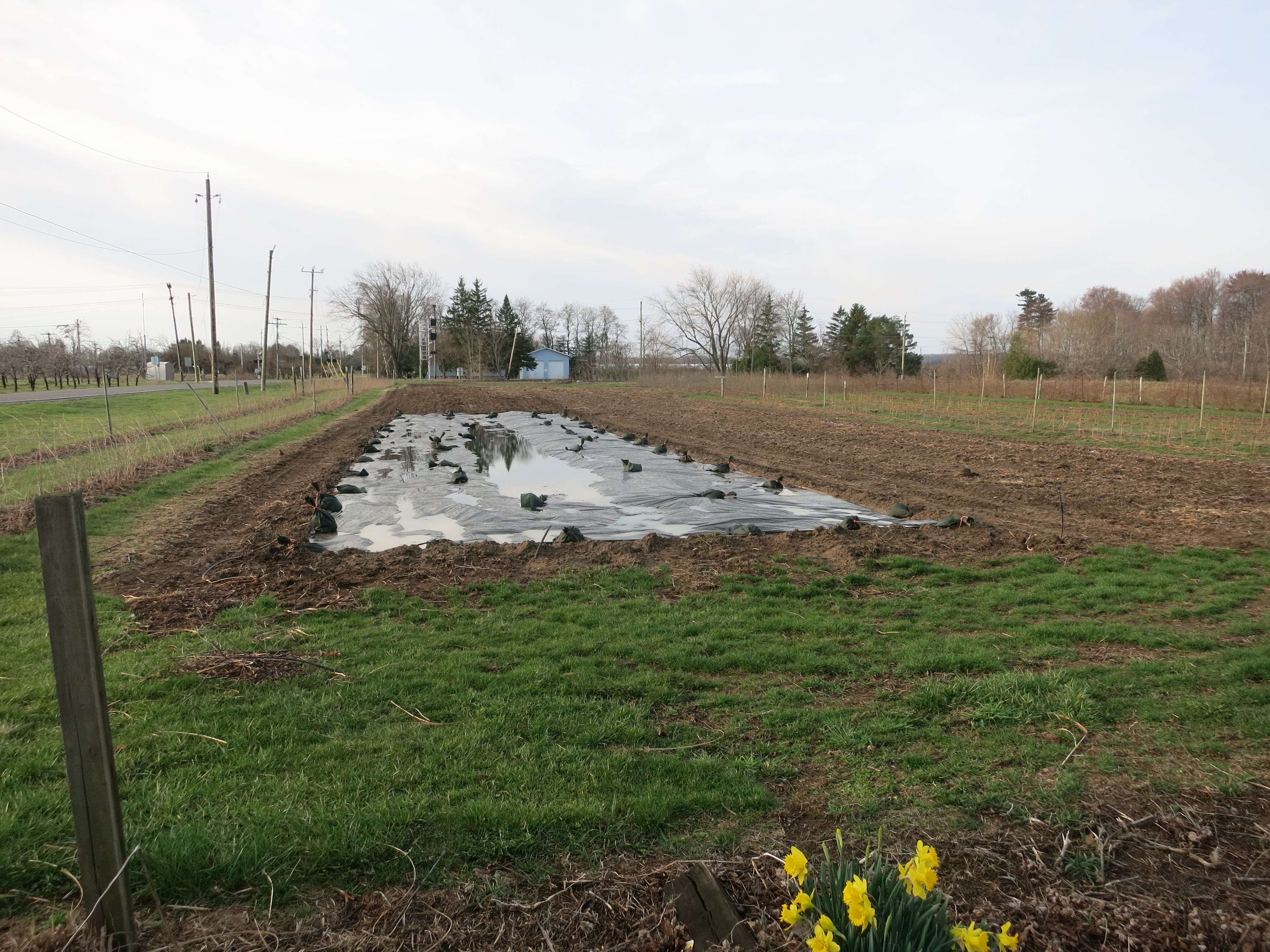
My father bought the farm through the Veterans’ Land Act, a program that helped World War Two servicemen buy farms & get established by offering low-interest loans. There were several farms available in our neighbourhood through the VLA and my  father chose this one for its excellent soil and the fact there was no house on it, which made it less expensive. Still single he lived at home with his parents who farmed on the next road over. The farm was an open 15 acres that had been owned by the E.D. Smith Co. who had a nursery on the property growing mostly roses.

Dad began his farming career growing tomatoes and working in construction. As money became available he planted fruit trees & built a barn. When he married my mother a few years later, he moved a small 1 room shack (my mother’s words) to the farm for them to live in.

img_8934

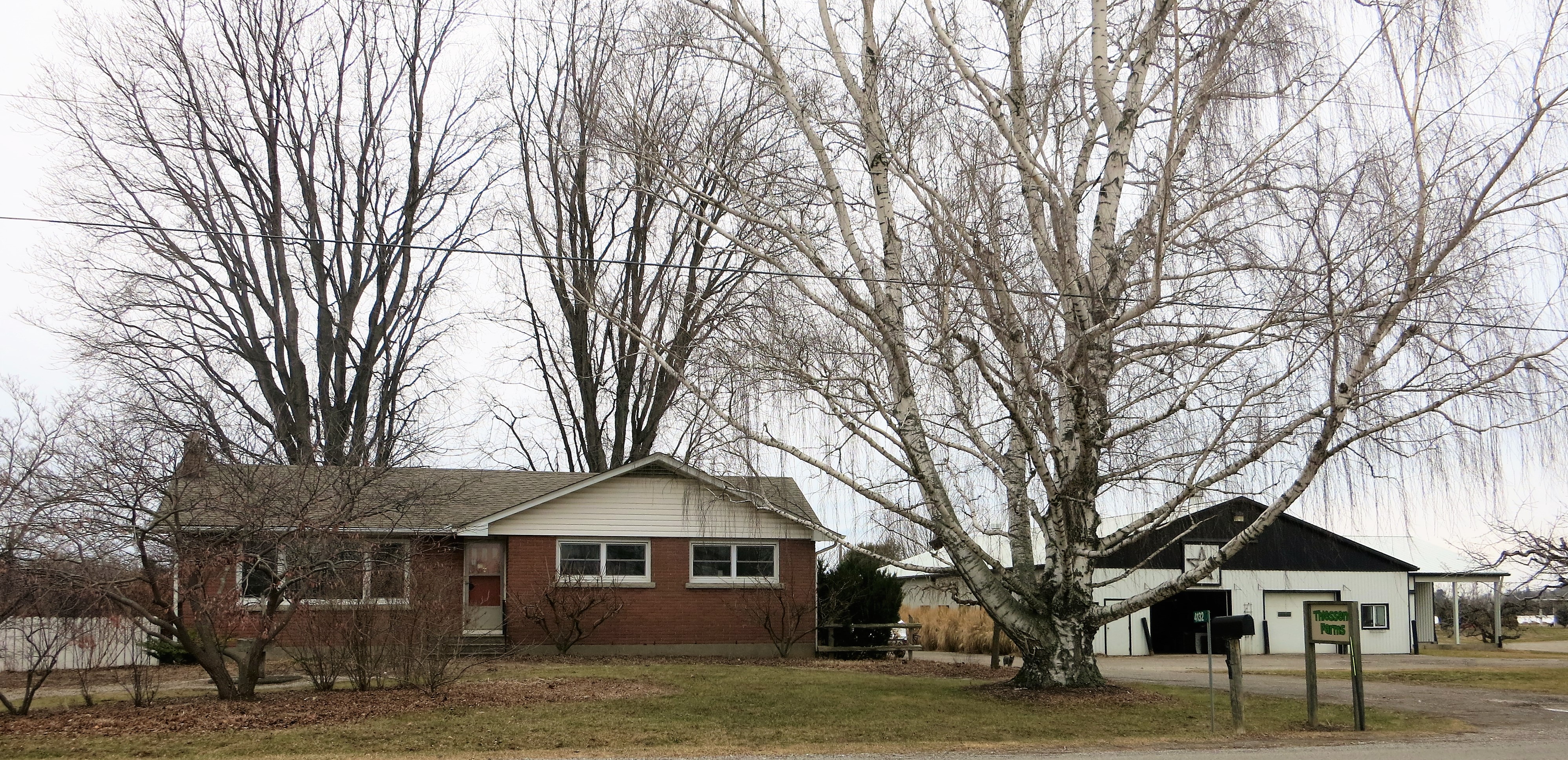
With the arrival of 3 children, a larger house was required and my father built the house that Lorie & I presently live in. The small barn was expanded several times, then eventually torn down and replaced in the 1980’s.

img_8936

After a few years the farm was entirely planted out to fruit trees – peaches mostly, and pears, sweet & sour cherries, plums, and later nectarines & apricots too. As they were able, my parents bought more land & expanded the farm.

I joined them on the farm in 1979, and we grew to 44 acres of orchards. Our fruit was sold to the local co-op, processing facilities and to several fruit stand owners & marketers in the Hamilton area.

Lorie & I purchased the farm from my parents in 1988 and we started selling at farmers’ markets mostly in the Toronto area. We enjoyed meeting the people who were eating our fruit & the increased profit that retailing our fruit provided. The more markets we attended, the less fruit we wholesaled & the less acreage we needed to make a living. After 1 crazy year when we did 6 markets a week, we settled into a more reasonable routine of 4 markets a week for a number of years. To offer more selection & lengthen the marketing season we grew vegetables, raspberries & blackberries along with the tree fruit.

Eight years ago we decided to start a CSA – community supported agriculture program. Customers purchased a share of our crop before the season began and then came to the farm every week throughout the summer to claim their box of freshly harvested produce. This meant growing yet more vegetables to give our members enough of a selection to satisfy their needs & wants. Having both vegetables & fruit made our CSA attractive & our numbers grew each season. We were able to drop 1 farmers’ market and then another and spend more time on the farm.

Our daughter Amy joined us a few years ago, becoming the 3rd generation to farm on this land and bringing her own energy, ideas & goals to the operation.

The next big change – a huge change – came in the fall of 2015 when we removed all our fruit trees and became a vegetable only farm. We dropped our acreage back down to 15 acres.

In essence we have returned to where my father started 70 years ago – 15 acres of open ground. After a lifetime of growing trees, I love the impermanence of vegetables. Each season is a blank slate, a chance to begin again, an opportunity to do better.

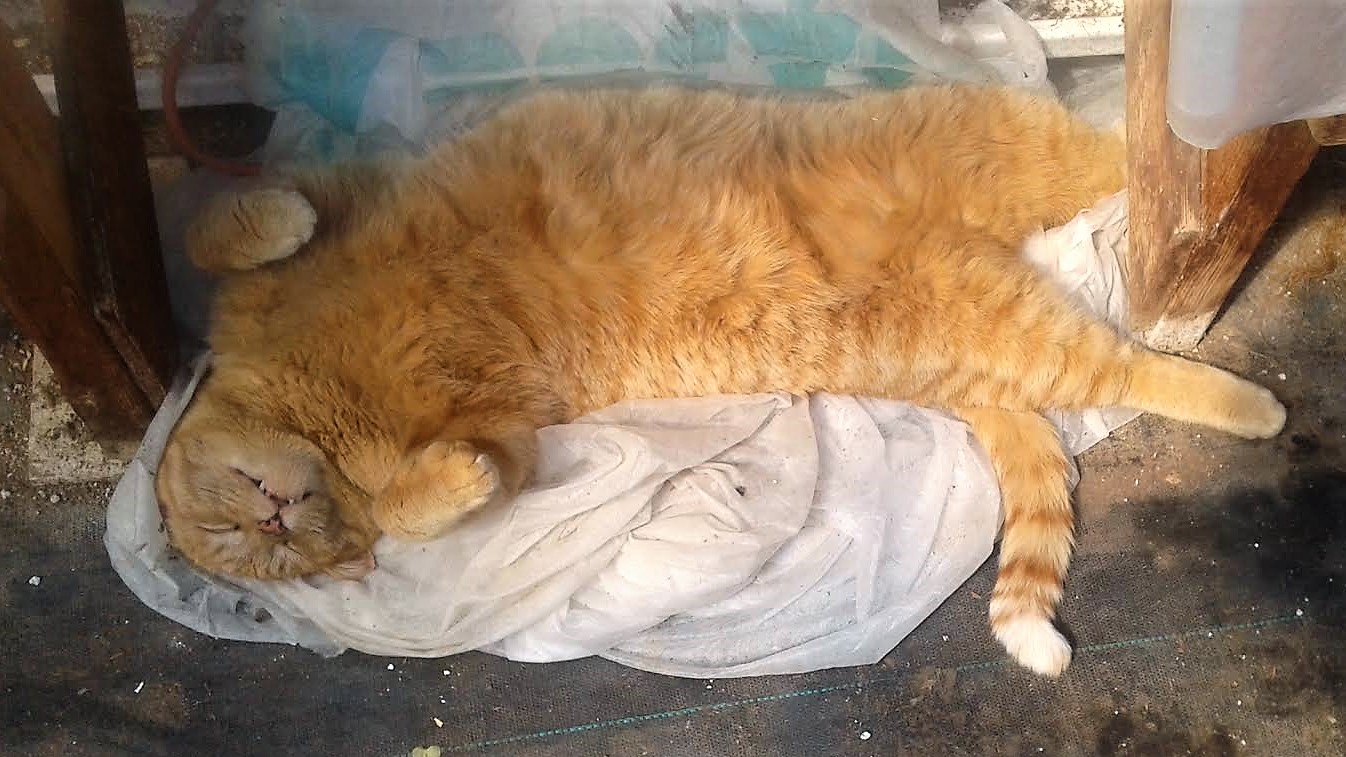
This season we will again be vendors at 2 farmers’ markets – North York in Toronto and downtown Georgetown, just west of the city. Two days a week our CSA members will be stopping by the farm to pick up their weekly share of produce. Many take the time to check on the chickens and play with the cats. We love knowing where our vegetables are going and who is eating them. Immediate response – whether positive or negative  – to our produce helps us to change & improve. Growing a wide variety of vegetables not only keeps things interesting, but spreads the risk. If something succumbs to disease, insects or weather, it’s not tragic. Another planting or another crop will likely succeed and the season continues.

img_7959img_7353img_7528img_7527img_7289img_7691img_7909img_7673img_7672img_7677img_7375-1img_8065

Thiessen Farms has been around for 70 (or at least 69 years). Our intention is to be around & growing tasty, healthy, quality vegetables, herbs & berries for a long while.

If we celebrate with a party  – we’ll let you know!


2 Comments

Crop planning & choosing seeds


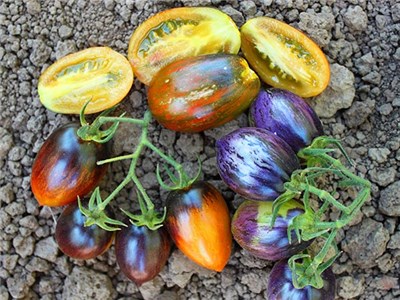
brads-atomic-grape

Brad’s Atomic Grape Tomato

“Elongated cherries in clusters. The color (and flavor!) is a full-blown assault on the senses – lavender and purple stripes when immature, turning to technicolor olive-green, red, and brown/blue stripes when fully ripe. Really wild! … this amazing variety a good candidate for market growers …” (from http://www.rareseeds.com)

When we saw this new tomato in a seed catalogue it immediately became a must grow variety for Thiessen Farms in 2017. It looks & sounds amazing!

And when we found seed for the hottest-of-hot peppers – Ghost, Carolina Reaper & Trinidad Scorpion – there was no doubt that they would be on the list too, along with Glass Gem corn, Superschmelz kohlrabi and Golden Wa Wa cabbage.

I’ll admit it. We’re suckers for a cool sounding name & a fancy description. That’s why our seed list has grown to more than 450 varieties of 60+ different vegetables & herbs. But it’s really a cheap thrill. For a few bucks we get to try something new. Sometimes it will turn out great & become a favourite. Other times it’s a disappointment & we never grow it again. But it’s always fun experimenting!

The first week in January is always seed ordering time. We pour over the seed catalogues devouring the particulars of all the vegetables, herbs & flowers, choosing the varieties we will grow in the upcoming season. The selection of seeds is overwhelming making it a delightful yet daunting task.

Here’s how we make our choices …

  • We know what we grew in previous years. We keep a master list – a spreadsheet that names each crop & variety we grew last season, the amount of seed we have on hand, the year purchased, the company it came from, and the number of days from seeding until harvest. This gives us someplace to start. When the seeds are ordered, all this data is updated & any new varieties are added and those we will not be growing are eliminated.
  • We keep good records – an awful lot of records. We have a chart where we record every seed we sow in the greenhouse – the date we seeded, the amount, the date the first seeds poked up through the soil, the date we transplanted them & how many, and a spot for random comments. We have more charts where we record everything that gets planted out in the fields – whether it is direct seeded or transplanted from the greenhouse, the variety, the amount, the date. Throughout the growing season we make written notes – both quick observations that we jotted down on the run and more formal evaluations of the different vegetables and how they grew, and produced, their yields, taste, plant health … Photographs are also very helpful for this & so easy to take with cellphones. We find these records invaluable & refer back to them often.
  • We look to our customers for information – what crops sold well & which ones did not, what caught the customers attention, what vegetables are they asking for … We have more charts. For each day at the farmers’ market we record what we brought, how much we sold, the prices & the weather for the day. There are similar charts for each CSA pick-up. These give us a clear picture of what to grow & how much based on actual sales.
  • What would be fun & interesting to grow! We always try to grow something new that we have not done before. Recent examples include kalettes (https://thiessenfarms.com/2016/12/12/kalettes-anyone/), caulifower (https://thiessenfarms.com/2016/01/24/cauliflower-is-big-news/), artichokes & fava beans. 

The seeds are arriving almost daily now, close to 500 packets of seeds – different sized envelopes, some paper, some foil, even a cloth bag or two, and at least one larger 25 pound sack (snow peas). Add in any leftover seeds from other years, various jars of seed that I saved myself, and we end up with well over 600 different containers of seeds.

That’s a lot of seed to deal with & to keep organized!

Proper storage is necessary to keep the seeds viable – cool & dry being the most important conditions. We keep the seeds in our workshop in small, plastic shoe boxes. A label on the lid notes what seeds are inside. These plastic boxes are then stored in larger plastic bins all with secure lids. This keeps them dry, clean & safe from curious animals (ie cats, or even mice – in case the cats are not doing their job!).

And there the seeds wait until it’s time to plant them.

img_8908-2

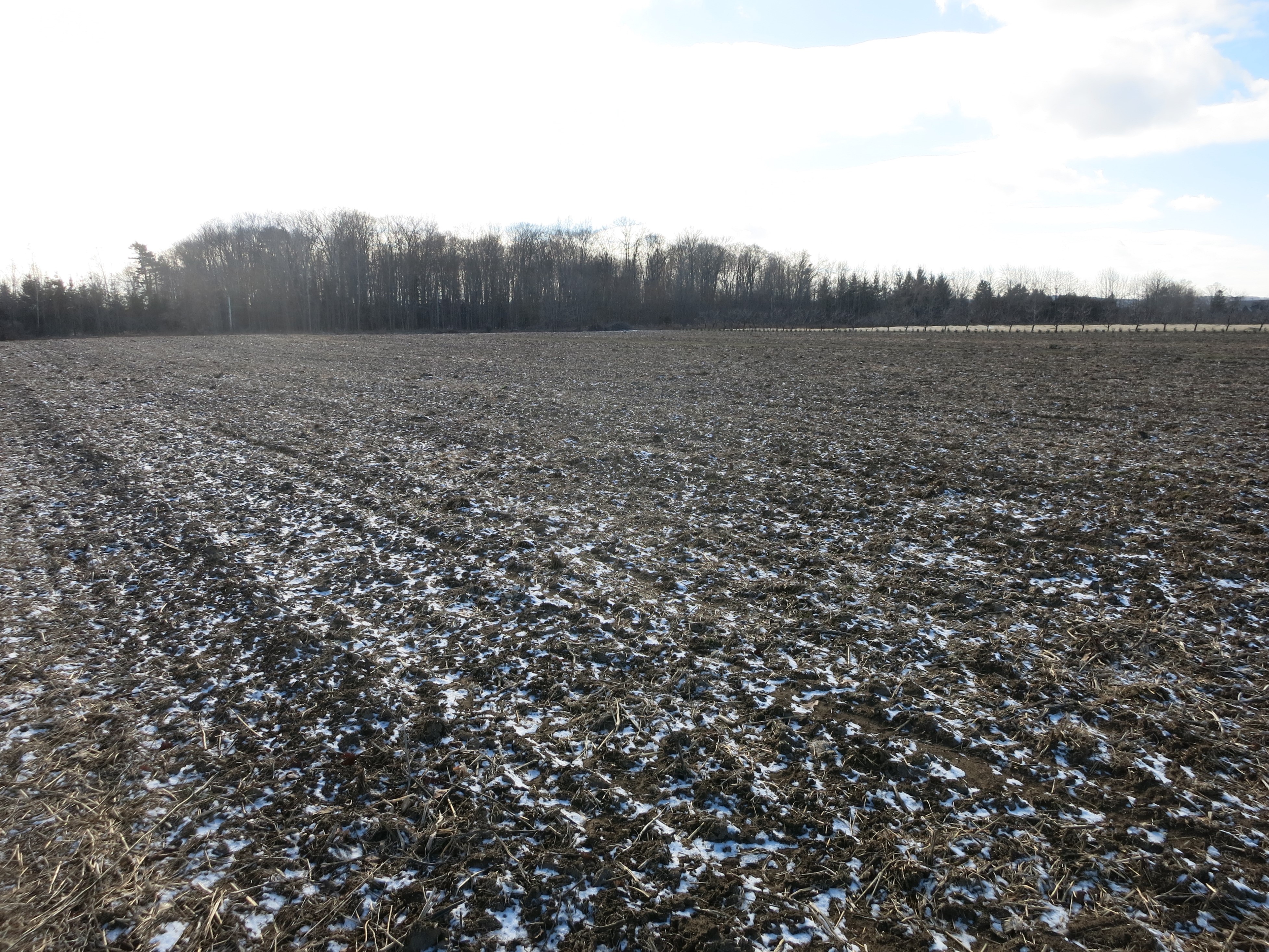
The fields are waiting too.


1 Comment

CSA 2017

I’m getting hungry – hungry for fresh produce. Our own fresh produce!

Yesterday I used the final Chinese cabbage from last season. It was still crisp & delicious inside! We are still eating garlic, onions & winter squash too.

But I’m craving a fresh tomato, or eggplant … zucchini …

The fresh vegetables are still some months away, but we are busy planning for the upcoming growing season.

We are now accepting applications for our 2017 CSA program. All the information & the application form are available on this site or email us at thefarm@thiessenfarms.com. Please consider joining us!

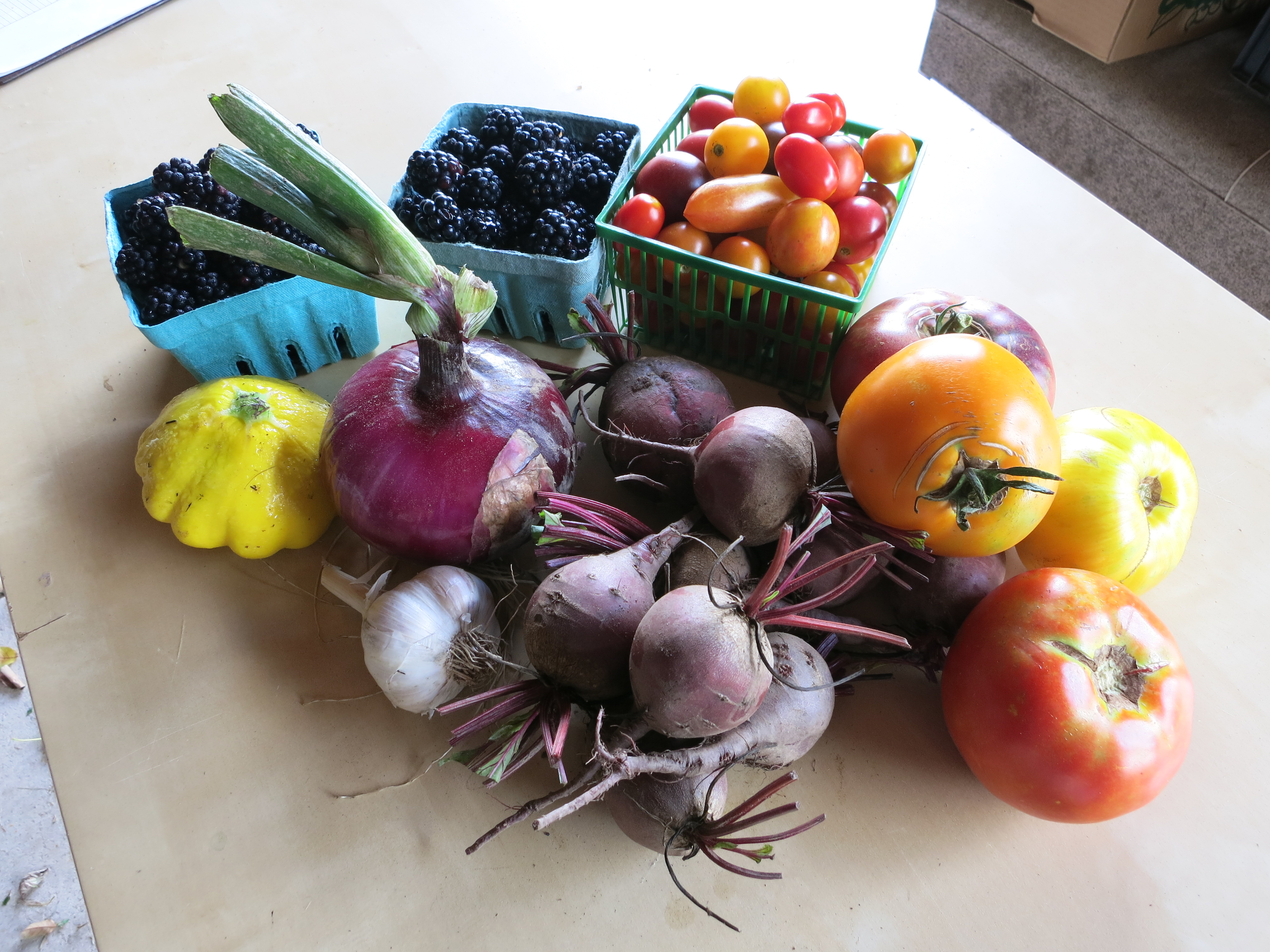
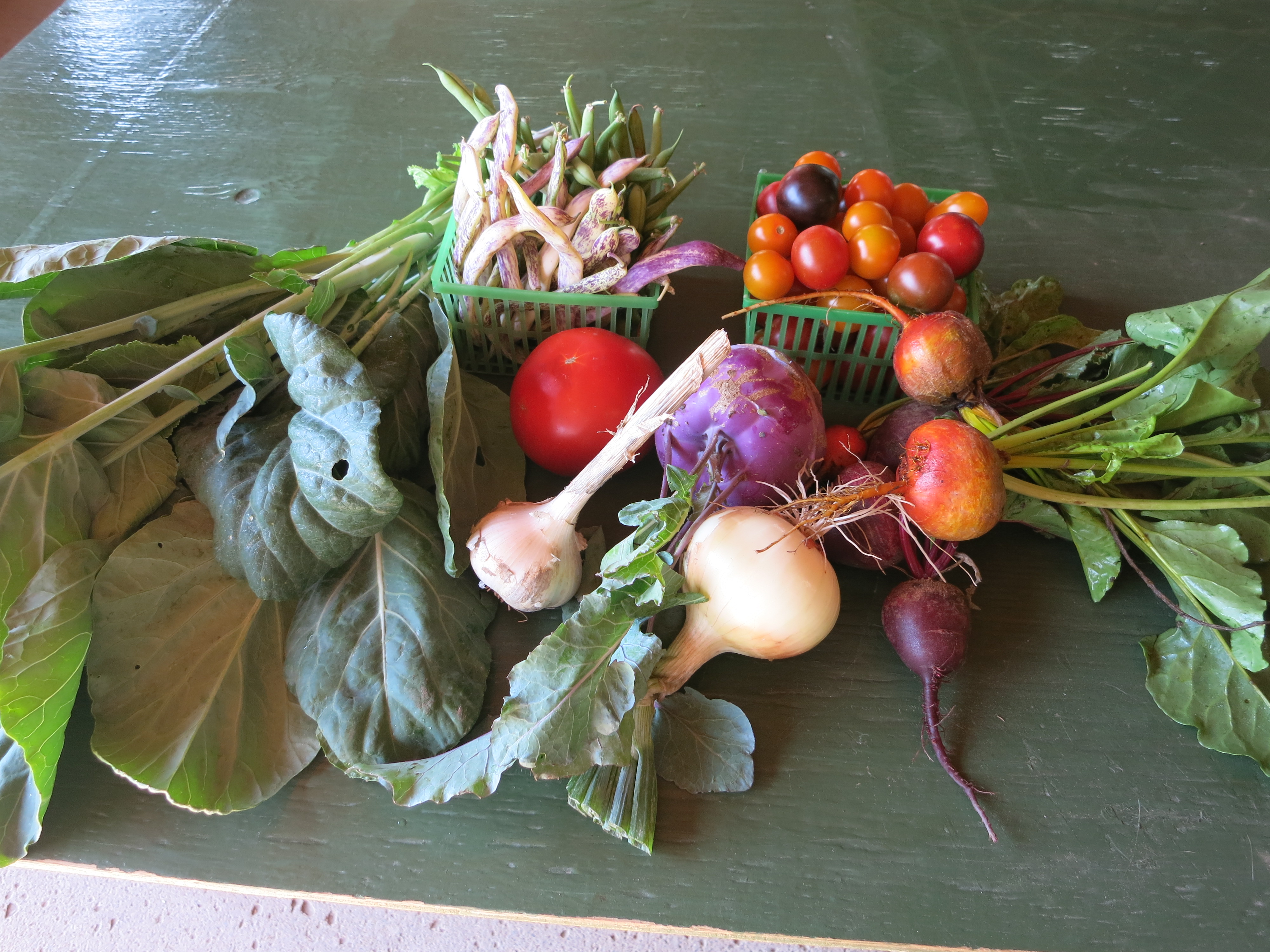
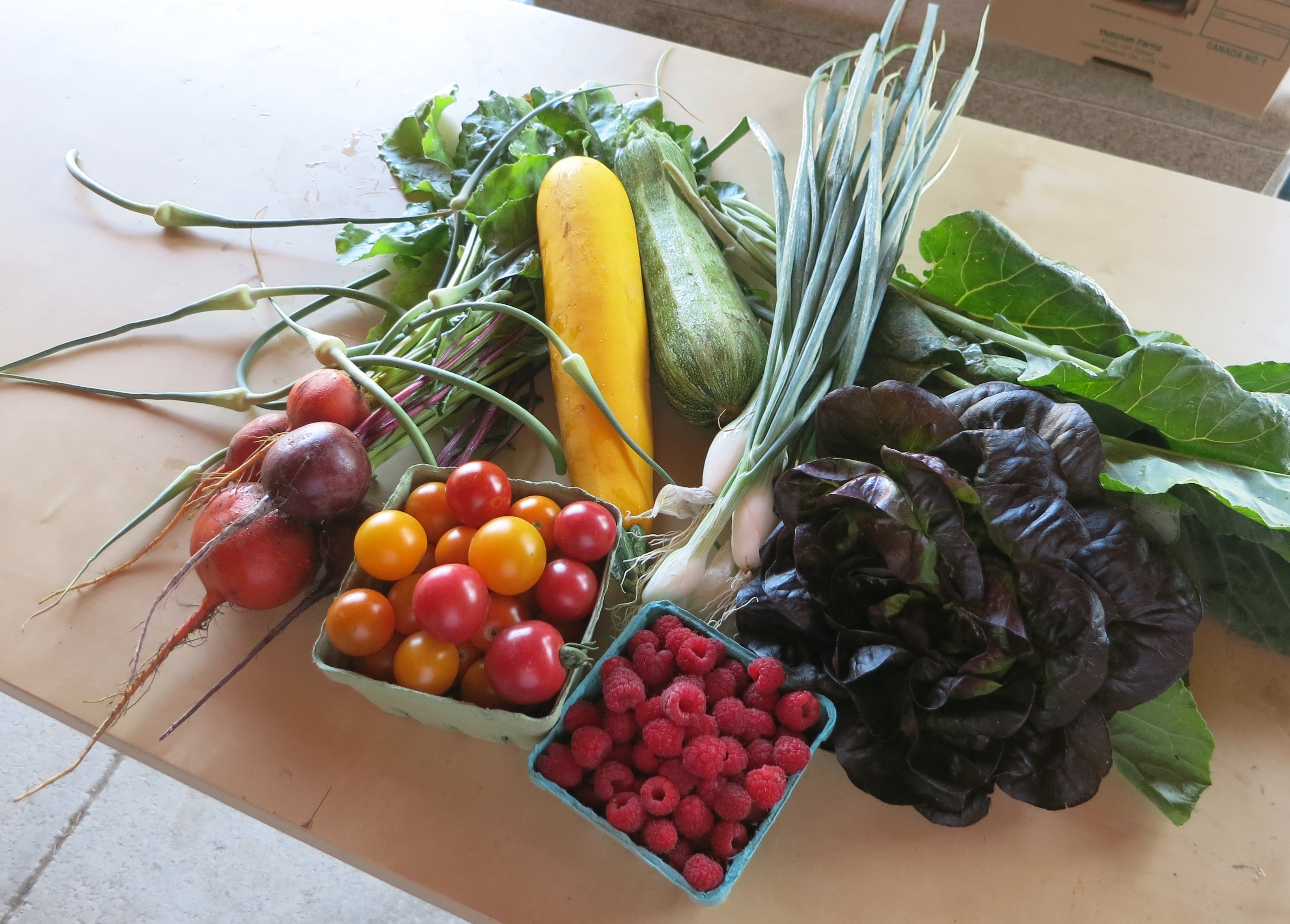
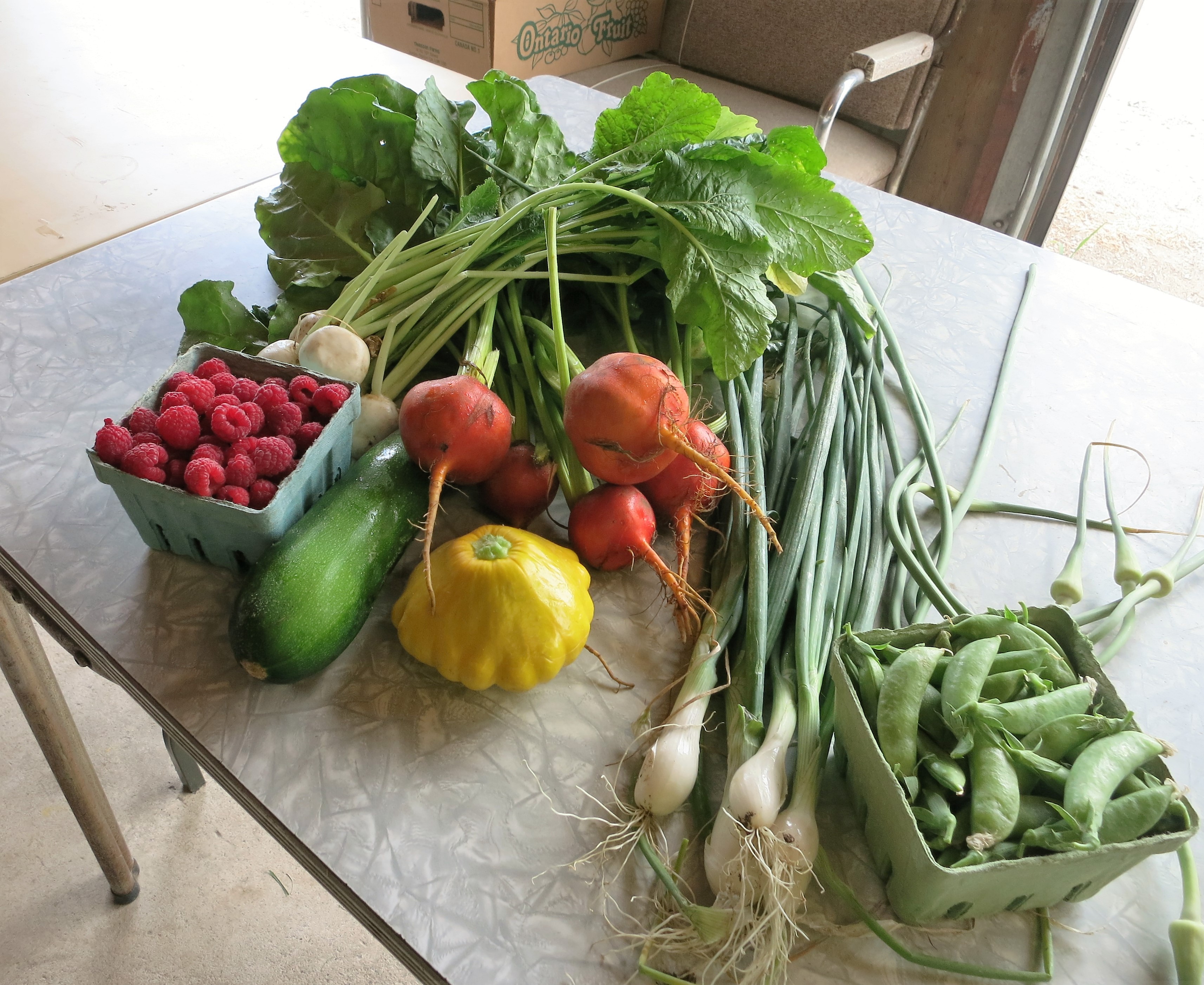
Here are a few pictures of last years CSA boxes to remind us of what is to come …

IMG_7824 (2)

IMG_7791

IMG_7760

IMG_7639

IMG_7513

IMG_7491 (2)

IMG_7457 (2)

IMG_7404


6 Comments

Kalettes anyone?

Hot off the presses, the 2017 seed catalogues are starting to arrive.

img_8607-2

That means it’s time to start planning for next season – already!

Most of these catalogues have a page or two at the front featuring new varieties of vegetables, herbs & flowers – perhaps a tomato that isn’t supposed to crack, an easier to pick green bean, or a new colour of zinnia … Glossy pictures & grand descriptions are used to try & entice us to grow the latest & greatest. And sometimes it works and we’ll try a new variety, especially if it promises some improvements that might be beneficial – maybe a lettuce that won’t go bitter as quickly in the heat, a zucchini that’s more disease resistant, peppers that turn red sooner …

But it is not often that an entirely new vegetable is offered – something that has not been seen before.

Almost 20 years ago broccolini was introduced. A cross between broccoli & kai-lan (Chinese broccoli), it featured smaller florets & longer, thinner stalks. We grow this great vegetable and it is very popular at our markets.

Now there are kalettes!

Kalettes were bred by a British company who worked for 15 years using traditional breeding techniques (not genetic modification) to come up with this cross between kale & brussels sprouts. “The result is a truly new vegetable with fantastic flavor which combines the best flavors from brussels sprouts and kale, resulting in a fresh fusion of sweet and nutty.” (from http://www.kalettes.comOriginally called flower sprouts in Britain, they were rebranded as kalettes for North America due to the popularity of kale. The seeds were first available here in 2015.

We grew them this past season for Chef Justin at Vineland Estates Winery Restaurant. The plants were impressive, growing tall & vigorous even during the extreme heat & drought of summer 2016. (We did not water them). Similar to a brussels sprouts plant, kalettes have a single, thick stalk about 3′ tall or more, with heavy, waxy leaves growing from it. We planted them in early spring but not until late summer did we see small buds growing at the junction of the leaf & the stalk. It took until fall for the bouquets of miniature kale to appear. A rich green with pink/purple veins, they were certainly beautiful!

img_7978

Kalettes can be eaten raw or stir fried, sautéed, roasted, or grilled. The flavour is milder than brussels sprouts & the frilly leaves are more tender than kale. They are very nutritious – especially high in vitamins C & K.

Will we grow kalettes again?

I hope not! The plants are large & take up a lot of space for a long season. They are slow & difficult to pick & the harvest is small. So many other crops could be grown that would be quicker to mature, easier to harvest & more profitable.

However, one season is not enough to make an accurate assessment of a crop … Plus, it’s exciting to grow a new vegetable … And Chef Justin did like them …

Kalettes anyone!?


2 Comments

Orange is the new blue

It was not totally unexpected.

The tractor was old & ailing. Addicted to ether, it wouldn’t start without a shot or 2 (or 3 or …) of the smelly stuff. Once running, it spewed so much smoke from the exhaust & from the engine that I could hardly see to drive. And how it leaked oil – from everywhere and all the time.

But the end was sudden – a sputter & then it stopped. I sensed that it was final. Our mechanic came by, checked it over & confirmed that the tractor was finished. It had served us well for 35 years.

img_8130-2

The replacement has arrived – a brand new tractor that is nothing like the old one. It is smaller & less powerful, but quicker & more nimble, easier to drive, and most importantly everything works!

But the biggest difference? It’s orange instead of blue.


img_8580-2

Any new tractor we have ever purchased (there’s been 4 or 5 in the 70 years our farm has been around) has been blue. Until now. Our neighbourhood seems to be turning orange when it comes to tractors, so who are we to buck the trend! But actually they supposed to be an excellent tractor & it seemed to best fit our needs on the farm now & for the future.
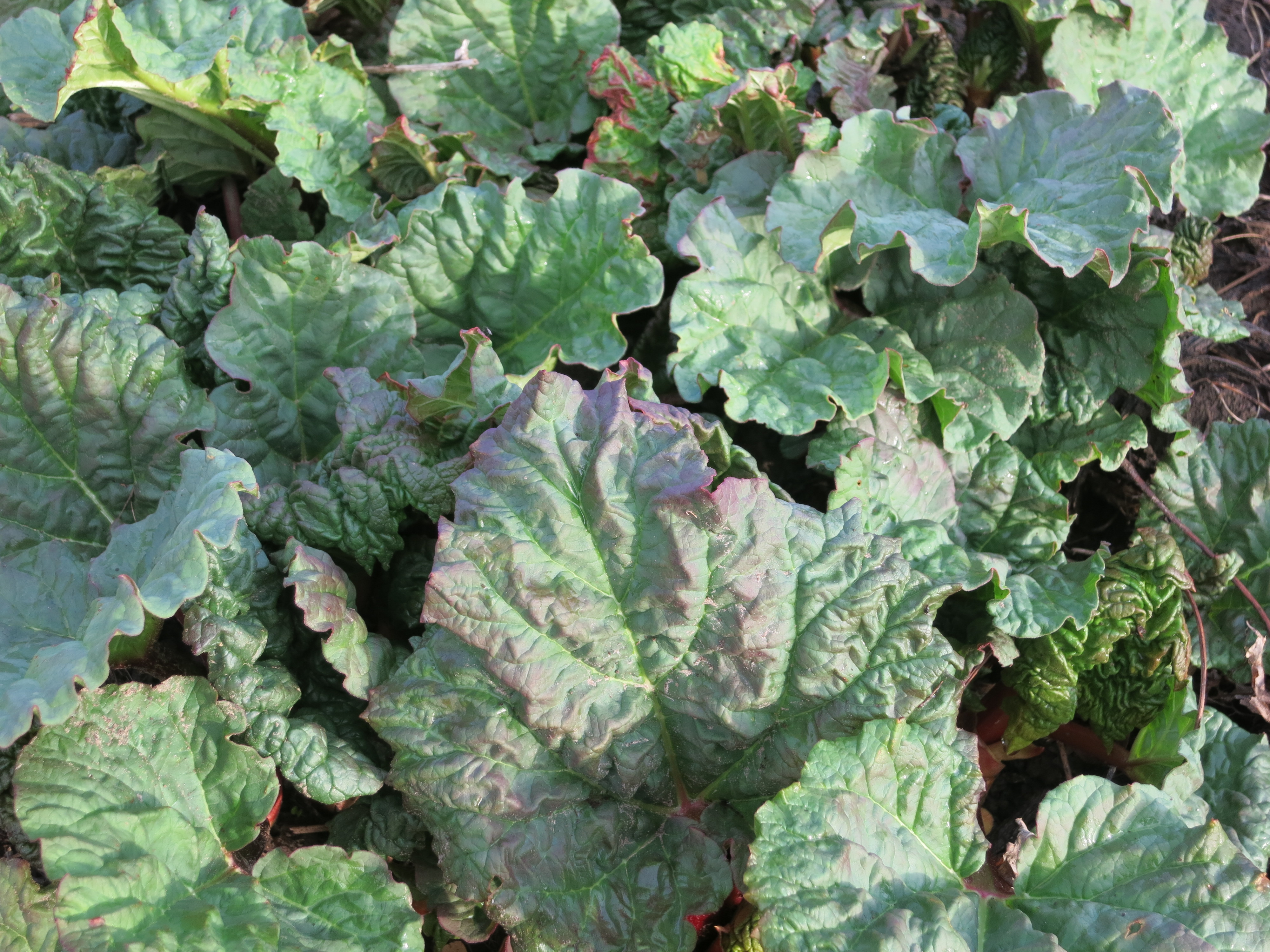
I’ve been breaking it in spreading manure & compost these last few days. So far so good!

Here’s hoping for 35 years of good, dependable service from an orange tractor!


4 Comments

Going west

Anyone who knows me, knows I’m not much for traveling. Sure there’s a whole world out there, but I’m content to let someone else explore it. Someone needs to stay at home and keep things going – I’d rather be that person!

However, 30 years of marriage warrants a celebration – a trip – or so I was told.

When markets finished at the end of October, Lorie & I caught a flight to Calgary. From there we drove through the Rockies to Vancouver to see our son & daughter-in-law. Then back to Alberta to visit with my brother & sister-in-law. It was great to see family & to visit Vancouver for the first time.

But a highlight of the trip for me was touring around the Okanogan Valley in BC. It was amazing to see farms clinging to the hillsides – fruit orchards & vineyards. Who would dare to climb a ladder to pick cherries when the ground is so steep? And who could even concentrate on work when the views are so stunning?

img_8465

img_8466

Cherries are a big crop. The orchards are huge – the farm we visited was around 50 acres of sweet cherries. Others are much larger.  The trees are planted very close together. Because this area is so dry there is far less disease pressure than we experience here in humid Niagara. As a result the cherries are top quality and extremely big & firm. Most of the crop is exported to Asia with only the smaller fruit – which are still usually bigger then our cherries – sold locally.

img_8287

A young apple orchard.

img_8474

We stopped at several wineries – to enjoy the views even more than the wine!

img_8177

img_8270

img_8273

img_8261

img_8252

img_8244

Closer to Vancouver, blueberries are the main crop. It’s a poor picture but they looked spectacular in their fall colours of different shades of red. And lots of water standing around – something we didn’t have this summer!

img_8439

An amazing background to the farms in Alberta, just west of Calgary near Cochrane.img_8554

It’s always great to check out other farms & see how they do things. We learn a lot & bring back ideas for our own farm.

And after 2 weeks away it’s good to be home.

I’ll admit I enjoyed our trip a lot! I may even do it again sometime …


1 Comment

October or …. ?

img_8108

Our rose-bush is blooming again. Delicate pink flowers against a background of dark orange rose hips. It’s beautiful!

img_8105

Is it October or ….?

Last week we experienced the first frosts of the fall. On 2 nights the temperature approached the freezing mark, but it was not enough to cause much damage.

img_8052

img_8065

Now we have returned to unseasonably warm temperatures. It’s back to shorts & T-shirts again.

And harvesting vegetables! We are still picking peppers (both sweet & hot), lettuce, bok choy, beets, salad turnips, cabbages and even eggplant. It’s great to have fresh vegetables to display at our farmers’ markets. While the Georgetown Market ended last Saturday, Oct.15, our North York Market continues this week & next.

We wondered earlier if we would have produce to sell, but our worries were unfounded – the tables are full & colourful!

img_8049-2

img_8048

img_8044

It’s a beautiful time of year on the farm too! The leaves are turning colour.

img_8114-2

img_8117

If this is October, I’m all for it!


2 Comments

CSA 2016 – Final week!

This is it!

We’ve reached the final week of our CSA for this season.

It’s no secret that this has been a challenging year. Drought, heat, humidity … all worked together to make it a difficult year for growing (though most farmers would agree that a drought is still better than too much rain).

However, with a lot of effort, a lot of watering, and a lot of encouragement & support from our CSA members, we succeeded in providing a box of fresh produce each week for 17 weeks. While the quantity of vegetables in the boxes was sometimes smaller & the variety of produce was less than we had planned for, both quality & taste were good.

  • Thank you to all our CSA members for joining us this season – both first-timers and returning members. (Some of you have been with us since we began our CSA 7 years ago!)
  • Thank you for allowing us to grow your family’s food.
  • Thank you for making the commitment to drive to our farm each week to pick up your box, and the commitment to then use the vegetables (including the less familiar & perhaps less liked ones).
  • Thank you for telling us how you use your produce, for sharing recipes, and for posting pictures!

You have made it a great season for us!

What’s in the final box?

Radishes, winter squash, kale, sweet peppers, garlic, onions.

extras – hot peppers.

  • Our late planting of radishes has matured & are ready for eating. They are mostly red ones, with some pink, purple mixed in. The cooler, moister conditions have resulted in mild radishes – not quite as big a bite as the earlier ones.
  • We’ve got the winter squash all picked – but lots of it is still out in the field, waiting for us to haul it in. There is some really nice squash and you will get to choose several for your share this week.
  • Kale, sweet peppers, garlic & onions will also be in the box.

Last week’s CSA pick-up.

img_8003

While CSA might be over, our season continues. We are still harvesting crops – albeit in smaller quantities now, including radishes, beets, bok choy, cabbage, cherry tomatoes, lettuce, beans, peppers, eggplant and of course squash. While not enough for CSA, there is enough to make a nice display at the farmers’ markets which run for much of October yet.

img_8004

img_8007

The tomatoes are looking weary & wild.

img_8010

The final planting of lettuce & greens are growing nicely.

img_8014

Hope to see you all again next season! 

(we’ll send sign-up details for CSA 2017 early in the new year.)


Leave a comment

CSA 2016 – week 16

Our customers at the farmers’ markets keep asking for winter squash. Our CSA members are wondering too. When will squash be ready?

… It’s ready!

Most of it has been ready for a while.

But we have not been ready. The warmer weather of late & the timely rains have kept the summer crops producing – we’re still busy picking other things. Plus, it just doesn’t seem right to be picking winter squash when it’s so warm (even hot) outside.

But perhaps the biggest reason we have not begun to pick squash is  fear  uncertainty. We transplanted the squash into the field way back in June. We weeded & watered several times and then turned our backs on it, busy with other vegetables. Many squash plants died in the drought. Then the weeds came & overtook the plot. We avoided the squash field all summer, turning our faces away whenever we passed by. Would there even be anything worthwhile in there to pick?

img_7980

Finally last week we found the courage to venture into the thicket. Surprise surprise! There is some really nice squash – not a large crop but probably ample. While we started with 29 varieties there are considerably fewer remaining, but still a good selection.

img_7996

img_7990

img_7987

img_7995


And so today we started the harvest. There will be winter squash for our CSA this week as well as the farmers’ markets.

Finally!

What’s in the box?

Squash, Bosc pears, corn, green beans,

sweet peppers, onions & garlic.

extras – hot peppers.

  • This week your CSA boxes will have the first of our winter squash. We have only just begun to pick but there will be several kinds to choose from. Pick your favourite variety or try something new.
  • Two weeks ago we offered Bartlett pears in the CSA share. This week there will be Bosc pears! They come with the same caution. Because we did not prune, thin or spray them, they might be marked up & misshapen – but they still taste great!
  • There is still some sweet corn to pick, so enjoy a few more cobs in your box this week.
  • Our final plantings of green beans are now producing. These were seeded back when it was very dry so it took a lot of watering to get them to germinate & grow. Our efforts paid off & we are now picking some quality beans. There will not be a large quantity, but enjoy this last taste of green beans for the season.
  • The warm fall weather is perfect for the sweet peppers. We are getting our biggest picks of the season now & expect to offer a few more peppers in your share this week.

This will be the 2nd last week of our CSA for 2016.

Next week will be the final pick-up!