Keep updated on all that is happening around Thiessen Farms!


1 Comment

No, we don’t miss the peaches!

Rarely does a week goes by that I’m not asked the question – the same question. The wording might be different or it’s asked another way, but it is basically the same question …

Do you miss the fruit?
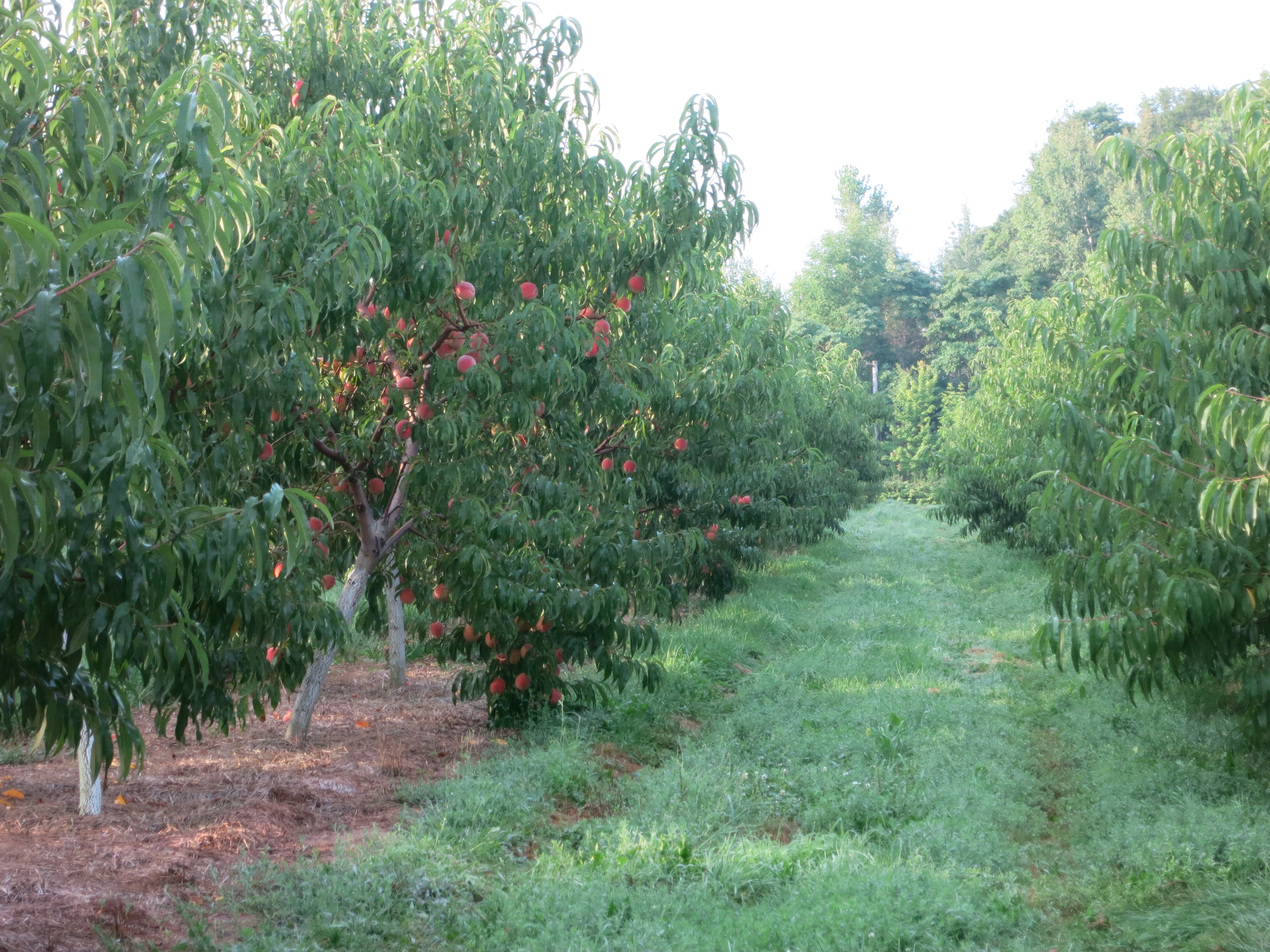
It has been exactly 2 years now since we removed our fruit orchards – cherries, peaches, apricots, plums, nectarines, pears – to focus on growing vegetables. And people continue to ask about it.

(for a bit of background, check these blog posts from when this happened.  https://thiessenfarms.com/2015/11/11/changes,                      https://thiessenfarms.com/2015/12/21/thiessen-farms-our-new-look, https://thiessenfarms.com/2016/03/03/lost-on-the-farm).

I think what’s often meant by the question is – did we make the right decision? After all, ripping out a few thousand fruit trees, some of which had been in the ground for well over 50 years is a big thing! And once it’s done, there is no going back.

These past 2 years have been difficult & scary!

We always considered vegetables to be a supplement to our tree fruit. Now they have become our main enterprise. That means growing the quantity & quality required to make a living. There are no peaches to fall back on! The first year was extremely dry while this past season was too wet. Both of these were challenging conditions for scaling up production. On the marketing side, we immediately lost many of our CSA members who were there for the fruit. Others tried the new “vegetables only” CSA for a year, found they really missed the fruit and moved on. At the farmers’ market, our customers’ reactions ranged from disappointment to anger. Not a market day has passed in these 2 years that they have not reminded us that our fruit is missed. It continues to be a struggle to regain our customers & their loyalty.

But these past 2 years have also been exciting & fun! After a lifetime of growing tree fruit, it’s been a great change to concentrate on vegetables.

  • The miracle of planting a tiny seed in the soil, watching it sprout and grow, and then harvesting a crop in as little as a few weeks – that never gets old for me!
  • I like that every year is a fresh start. We can grow the same vegetables again or try something new. We are not bound by what we grew last year. A few dollars for a pack of seeds and it’s a whole new adventure!
  • If a crop is damaged or lost to insects, disease, weather, even our mistakes … we can replant and try it again. Unlike fruit where there’s only 1 opportunity each year, vegetables offer more chances.
  • Vegetables respond rapidly to their growing environment. Nutrients or the lack of, water (enough, too much or too little), weed pressure, temperature, cultural practises … all have an immediate effect. It’s fascinating to see how we can so quickly influence their growth, and learn to provide optimum conditions for the best vegetables.
  • I enjoy the task of planning and the challenge of timing our seeding & planting to hopefully result in a harvest – the right amount of the right vegetable at the right time… (The fruit trees mostly set their own schedule which we could influence very little).

We are probably working harder physically & mentally now than when we grew fruit. Part of this is because we have fewer workers around to help, & partly because we’re still learning better & more efficient way to do things. But we also work fewer hours, spend more time observing, and take more coffee breaks!

So … do we miss the fruit? Not at all! It was the right decision – a great decision!


3 Comments

Fall

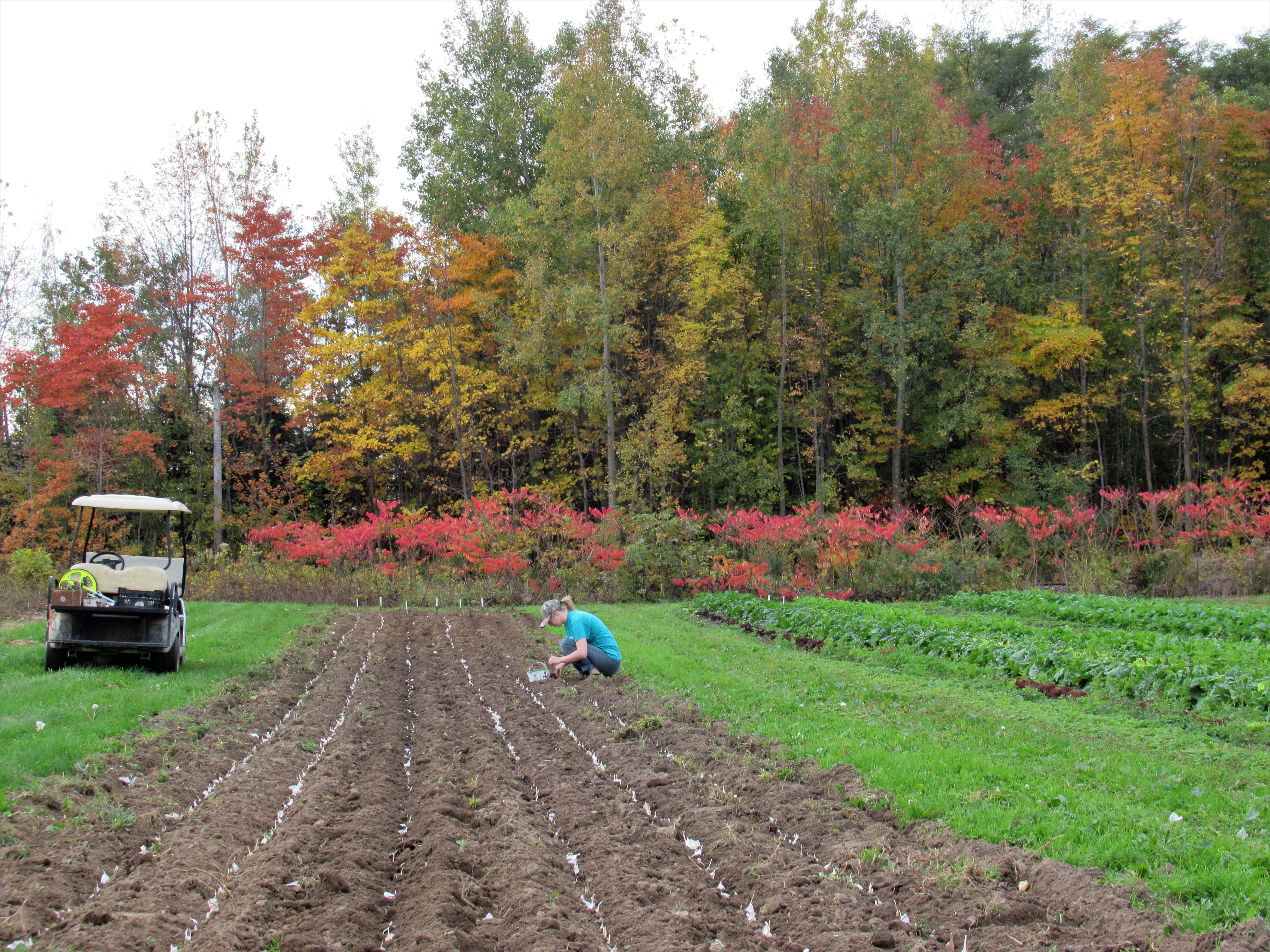
Planting garlic. Late October. Warm weather & sunshine. T-shirts. Beautiful leaves. It doesn’t get any better!

Garlic is always the last thing we plant in the year. Once tucked in the ground it sends out roots & gets established, then waits through the cold winter until the warm spring temperatures return, when it sprouts and grows.


This is our last week of farmers’ markets. We finish the season on Thursday 26 at North York. We’re excited to be done!

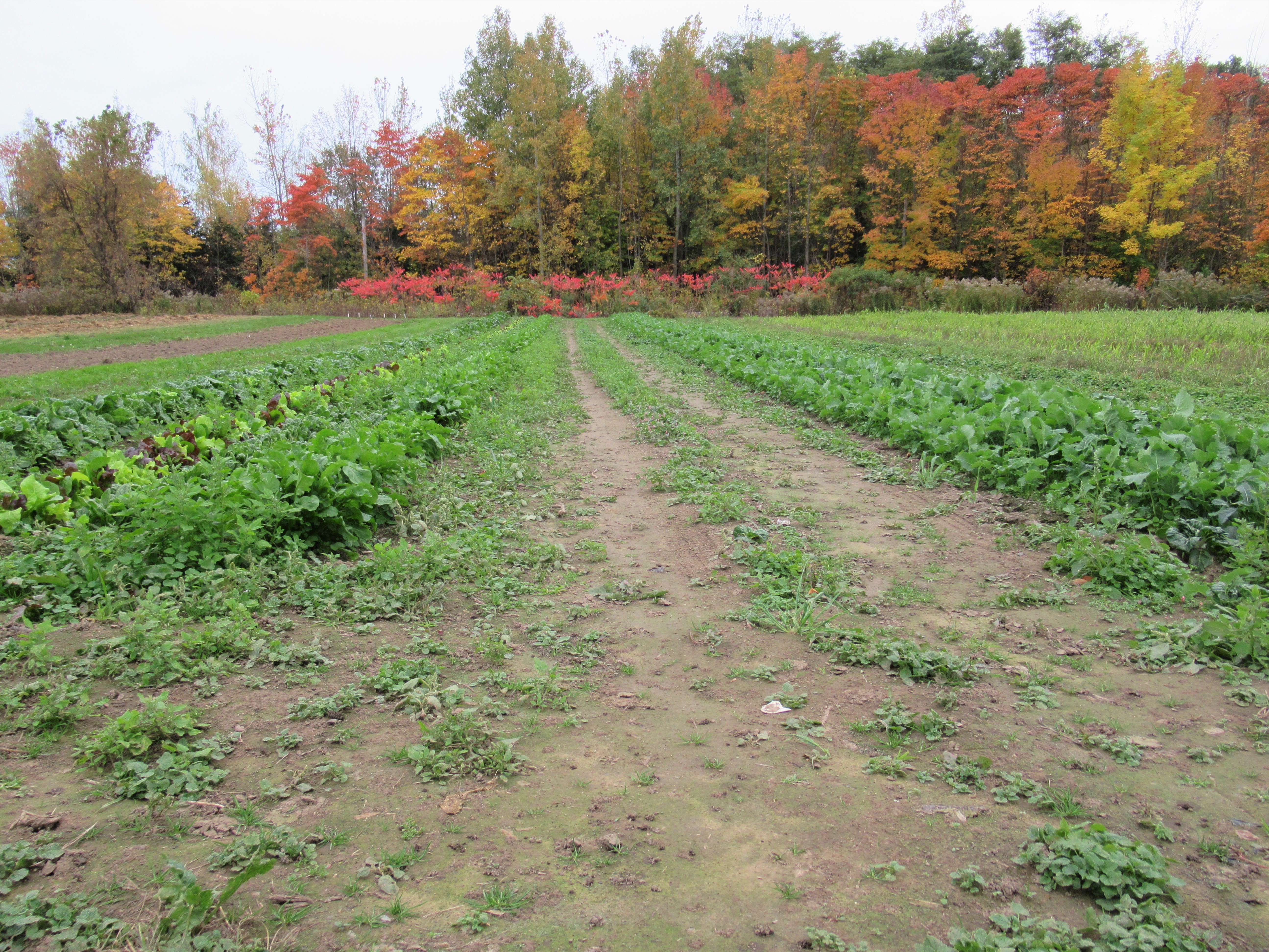
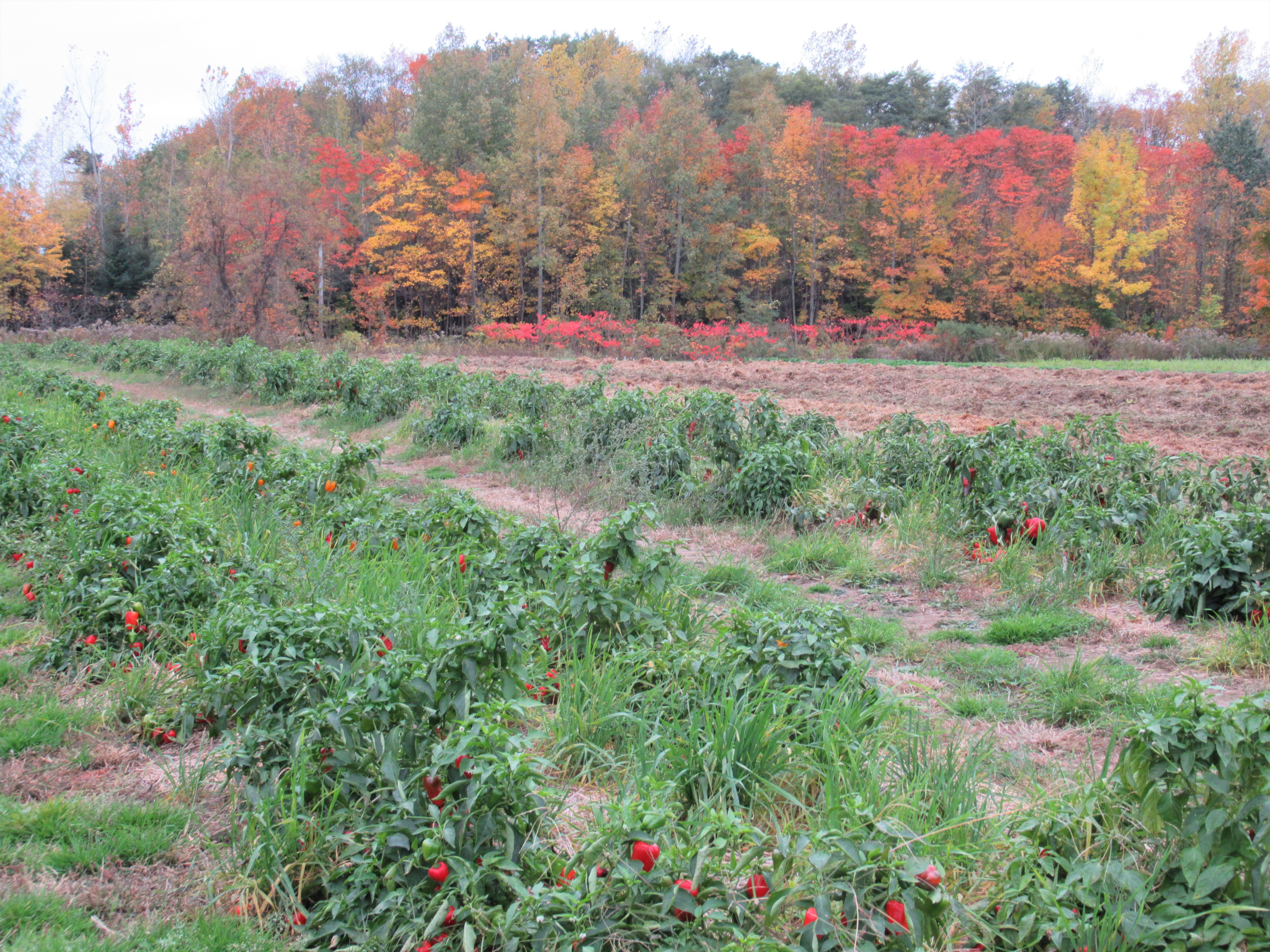
For the end of October we have an amazing amount of vegetables & herbs to pick for our final market – lettuce, spinach, arugula, radishes, winter radishes, carrots, cabbage, Chinese cabbage, sweet & hot peppers, kale, baby kale, parsley, cilantro, chives and pawpaws. Other crops stored in the barn include squash, baby pumpkins & garlic. And it will work out well – there should be enough of all these for the market and then the fields & the barn should be about empty.

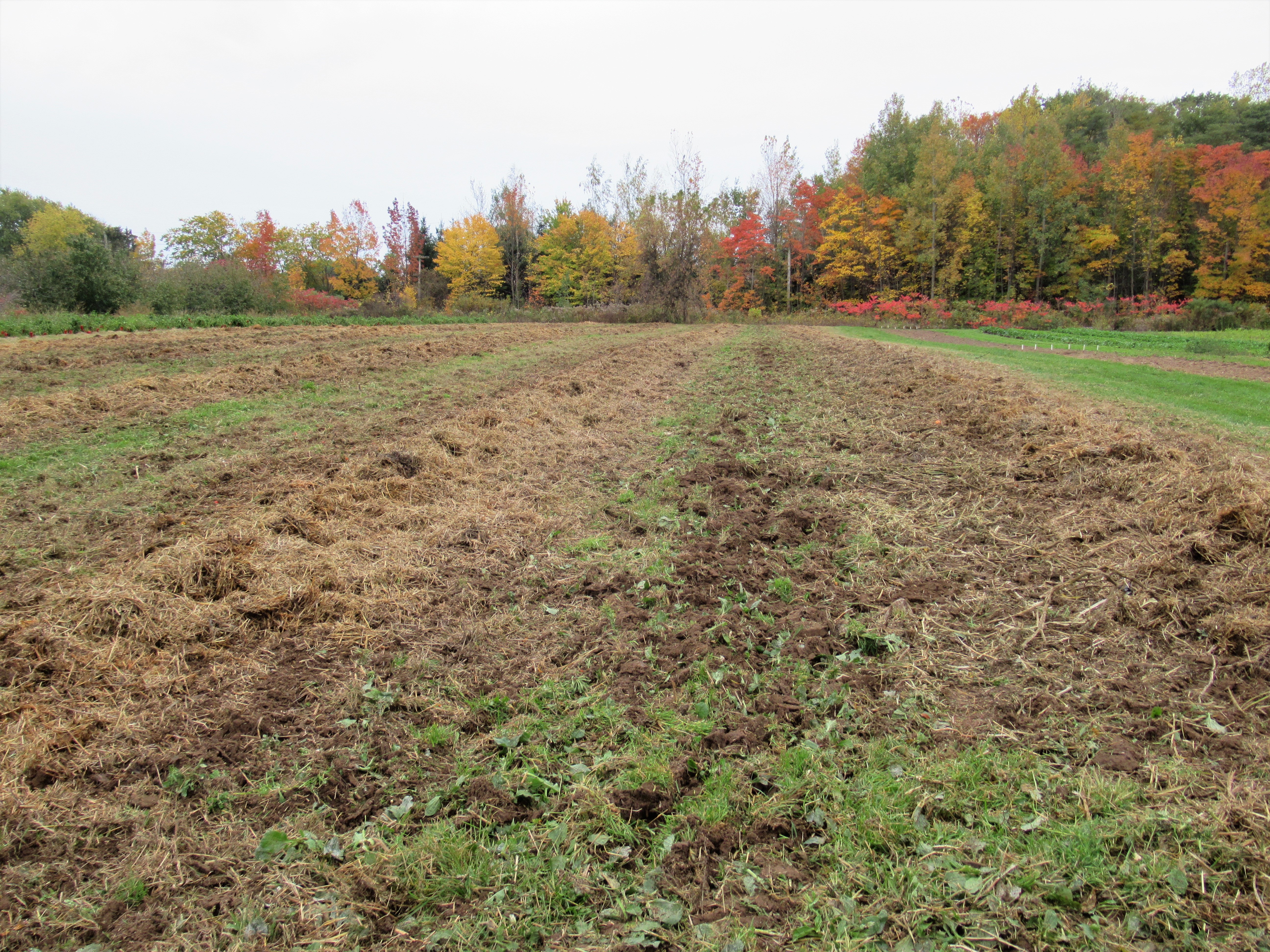
We’re also working at cleaning up the farm. Yesterday we pulled all the posts in the tomato patch & mowed down the plants, and disced lightly. We’ll spread a layer of manure or compost yet, seed cover crop if conditions allow, and this field will be ready for winter.

Other parts of the farm that were cleared earlier & seeded to cover crops are showing new green shoots. We’re pushing ourselves to get the fall clean-up and other work done. The temperatures have been so nice lately that we tend to forget next week is November and cold weather could soon be here.

But until then, we will enjoy this beautiful fall!


1 Comment

Haha Pawpaw!

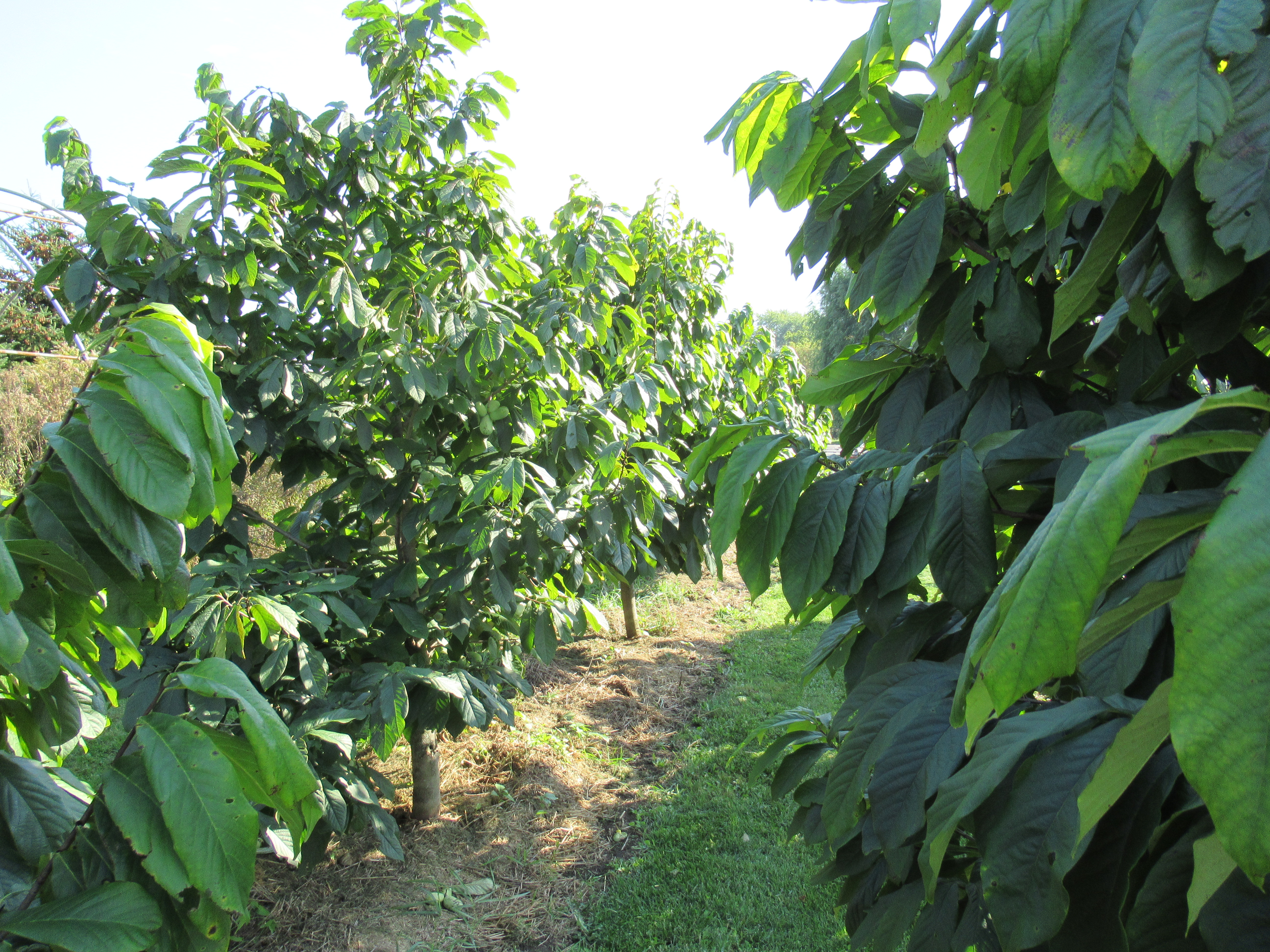
Back behind the barn, past the chicken house, beside the ditch, is our pawpaw orchard – and by orchard I mean 9 small trees.

Pawpaws are a “tropical fruit” native to North America, growing in the Carolinian forests in Kentucky, Ohio and north to Southern Ontario – around Lake Erie & in the Niagara peninsula. Once popular with indigenous people & early settlers they began to disappear as the woodlands were cleared for farming & development. Now they are considered to be somewhat rare.

I planted our pawpaws about 8 or 9 years ago, mostly on a whim. Reading a nursery catalogue, I came upon the description …

This unusual small native pawpaw tree is not only strikingly ornamental with its delicate purple blooms in the spring and its long drooping leaves, but it produces clusters of custard-like oval fruits that ripen in the fall. The trees are insect and disease resistant. The leaves and twigs have anti-oxidant properties as well as insecticidal uses. (www.grimonut.com)

So I immediately ordered 10 seedlings without much thought or planning. When they arrived in spring I had to find a place to plant them. Back behind the barn, past the chicken house … seemed like a good spot.

They struggled to survive as pawpaws are difficult to transplant. And being out of sight (back behind the barn …) they were neglected. But 9 grew and became lovely small trees, about 8-10′ tall now. They have produced a few fruit in the last couple of years – just enough for us to devour & enjoy!

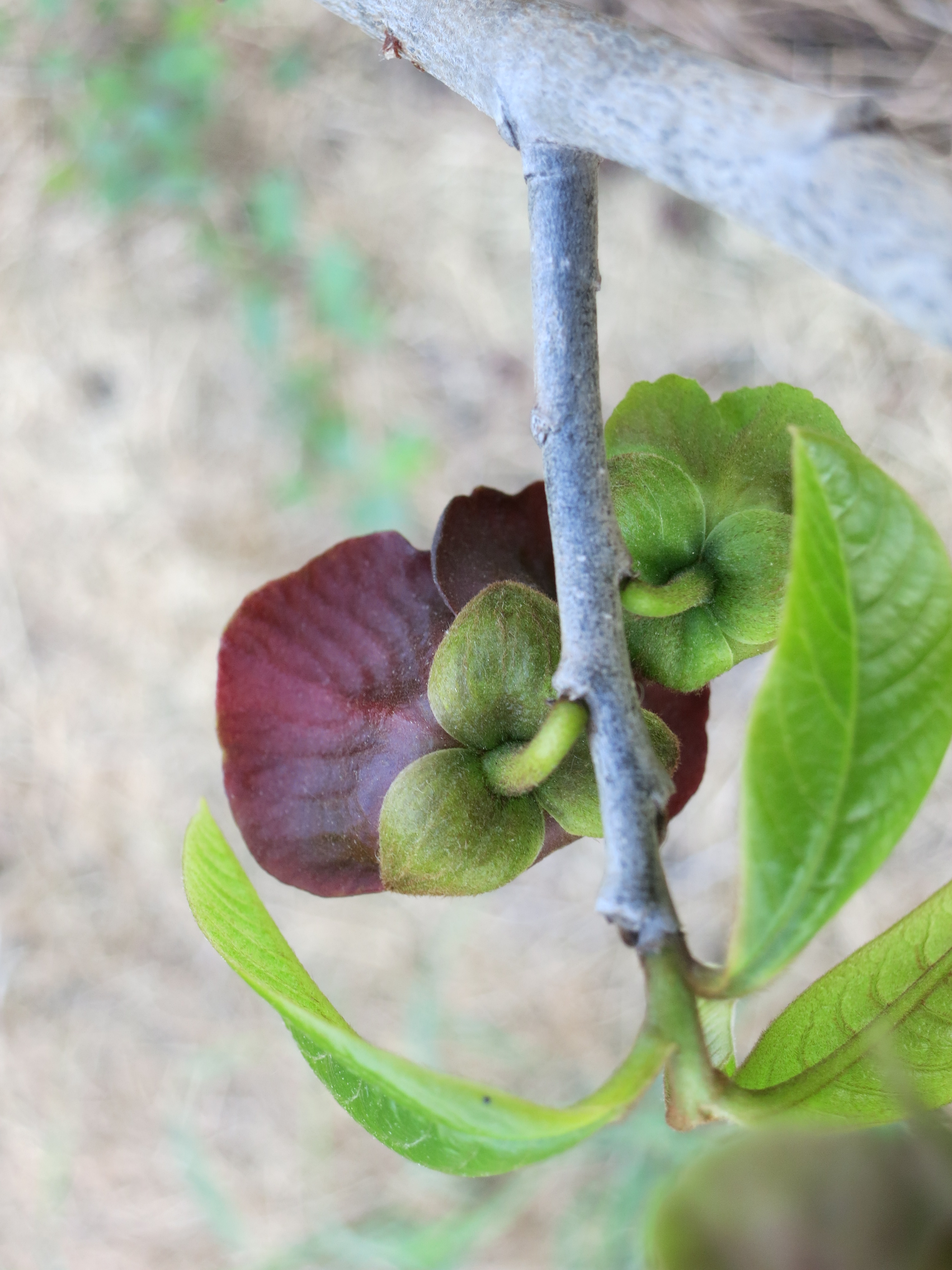
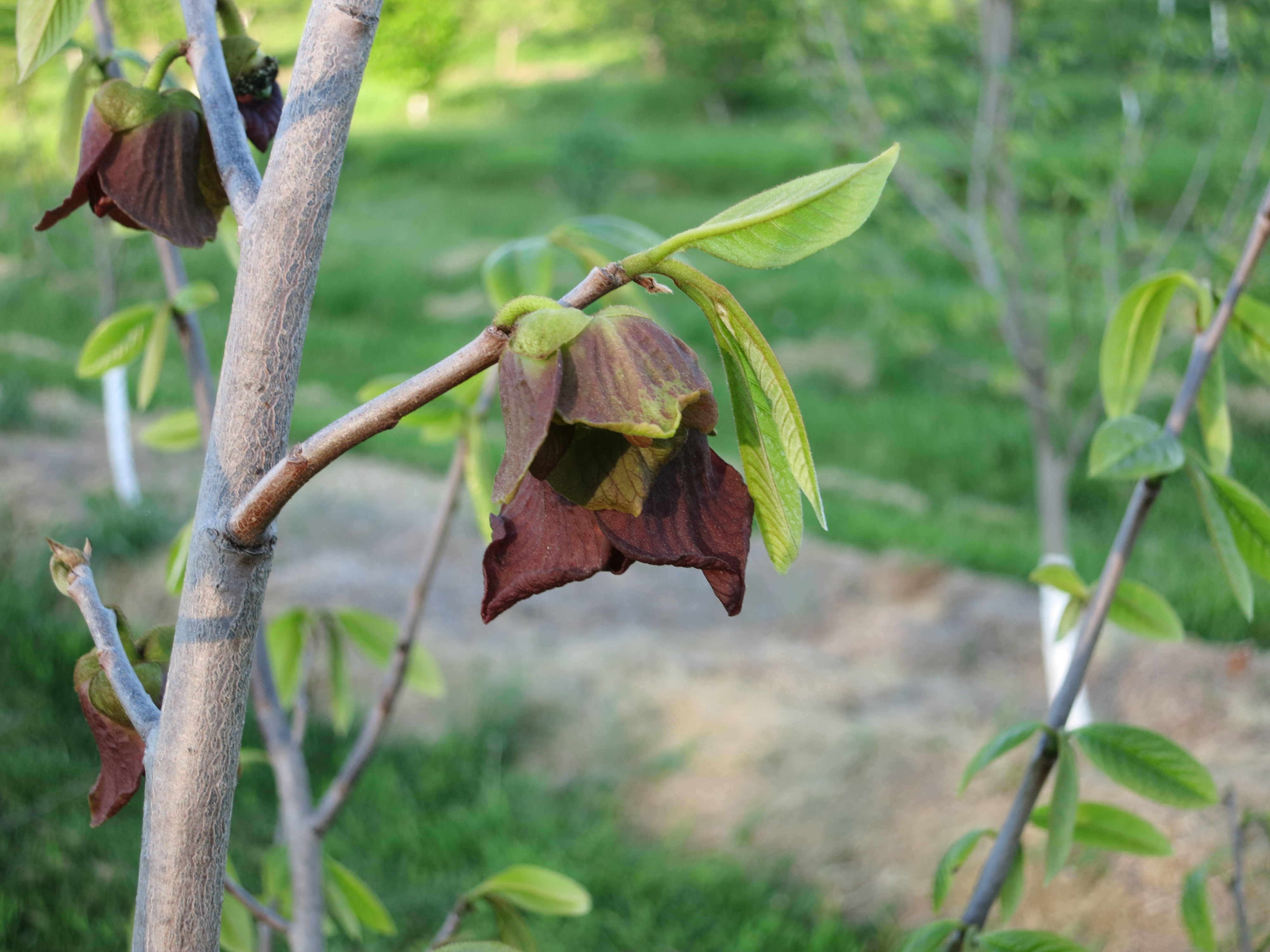
The spring blossoms are indeed beautiful – a dark bronzy/purple colour.

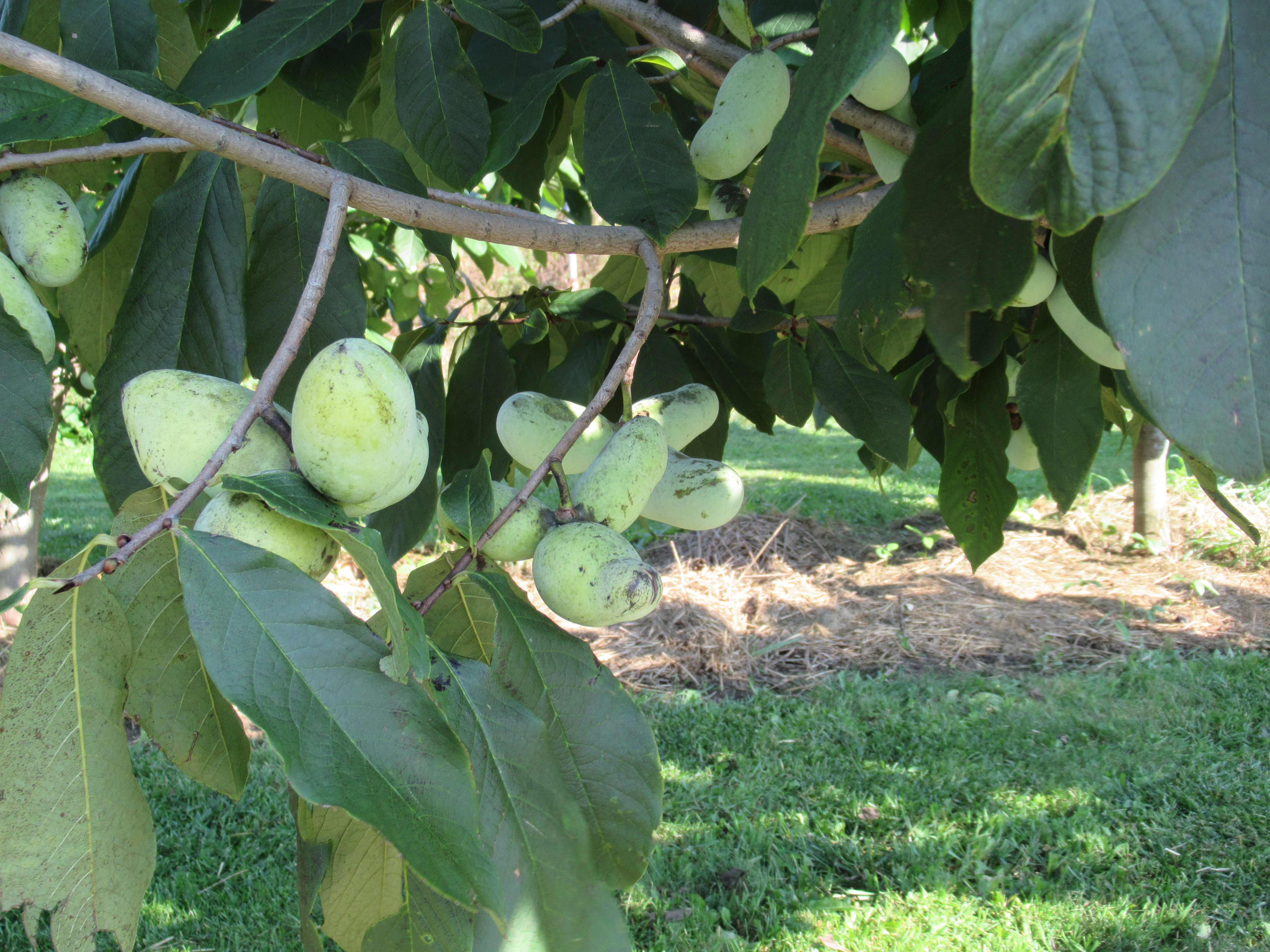
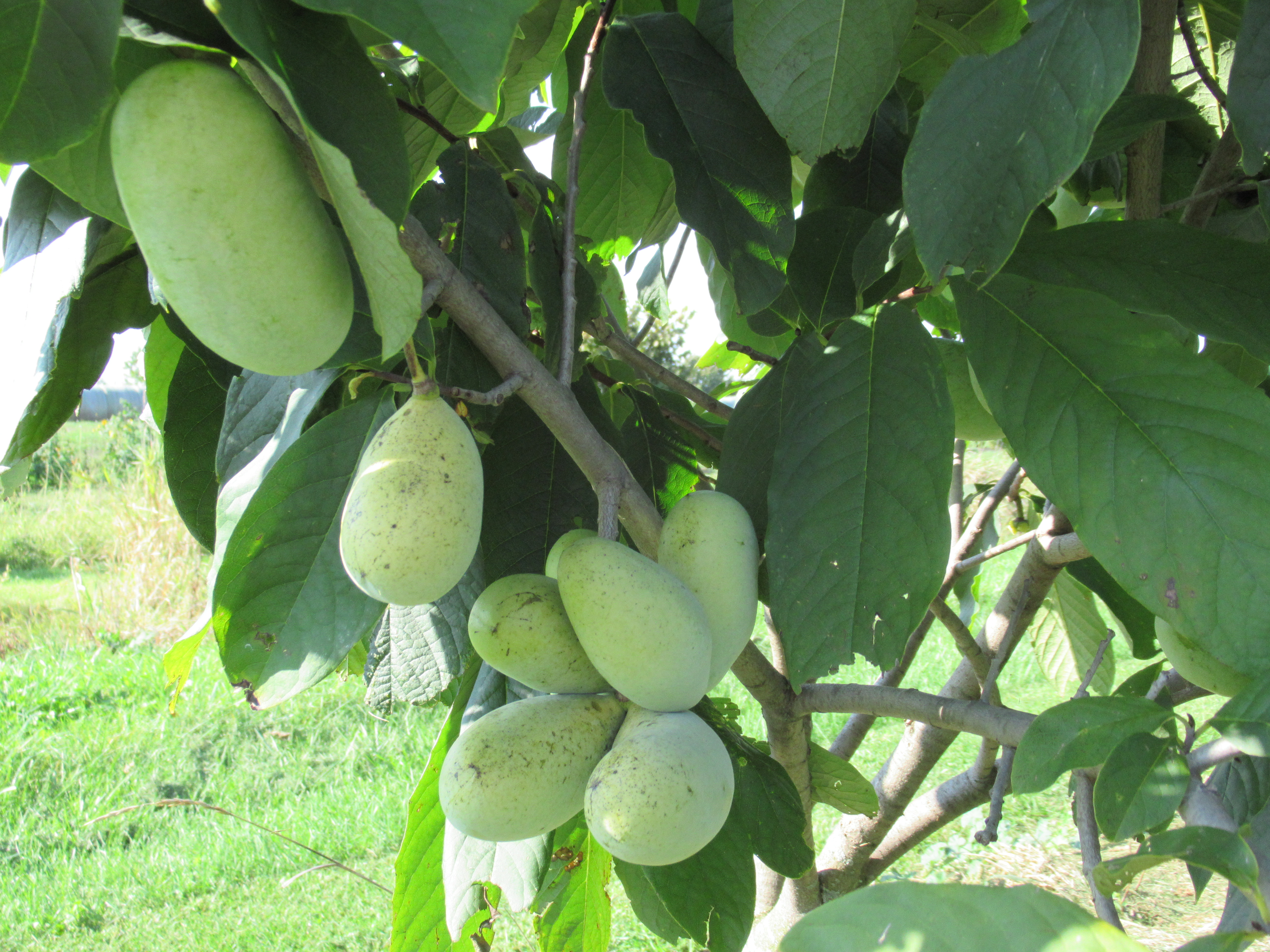
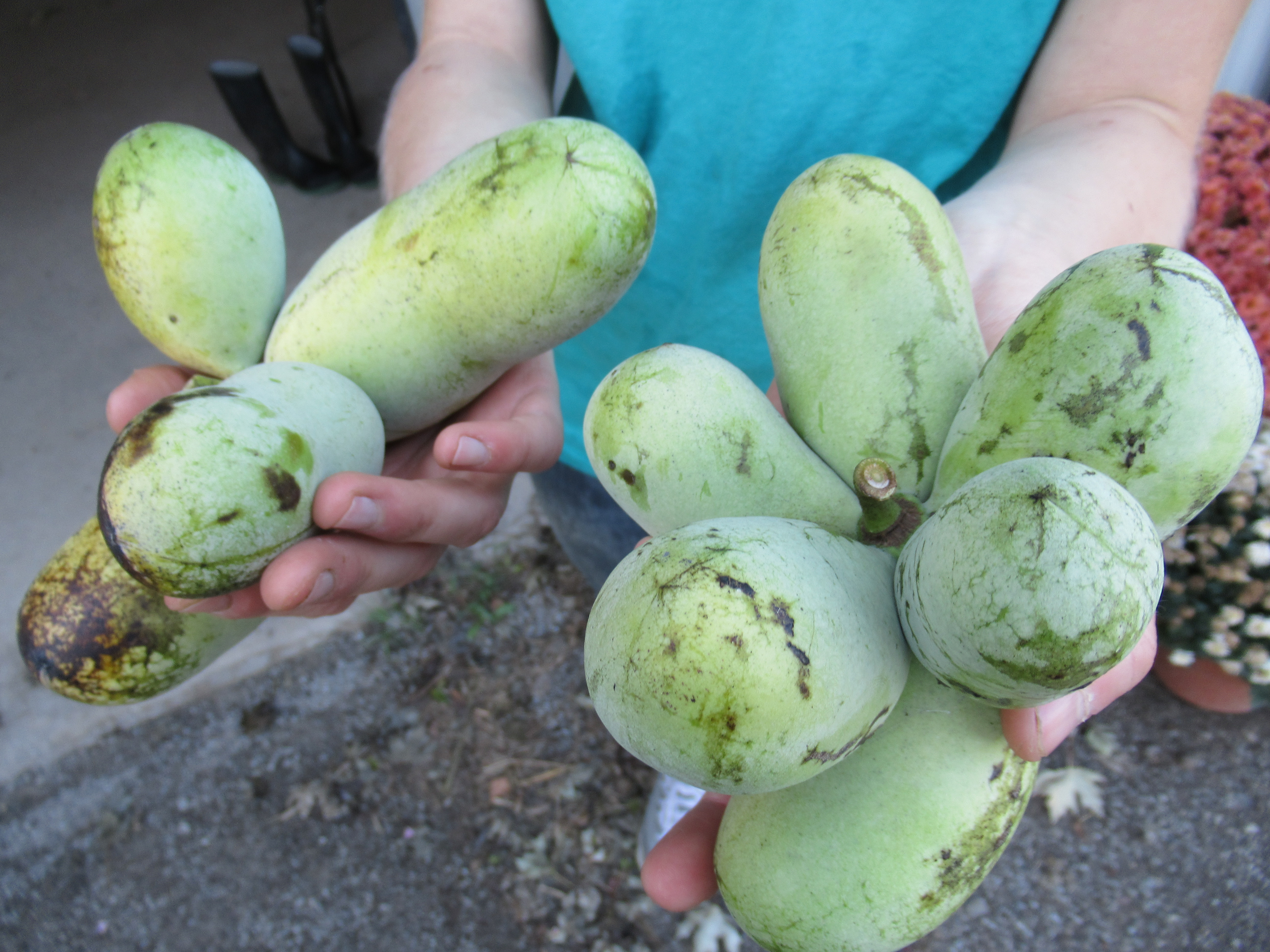
This year’s crop of pawpaws is larger. They are hanging thick on the trees.

Some hang singly, but most are in flat clusters of about 5 fruit. They bruise easily, have an extremely short shelf life, ripen unevenly, vary greatly in size and tend to drop readily. For these reasons they will never be a commercially viable crop.

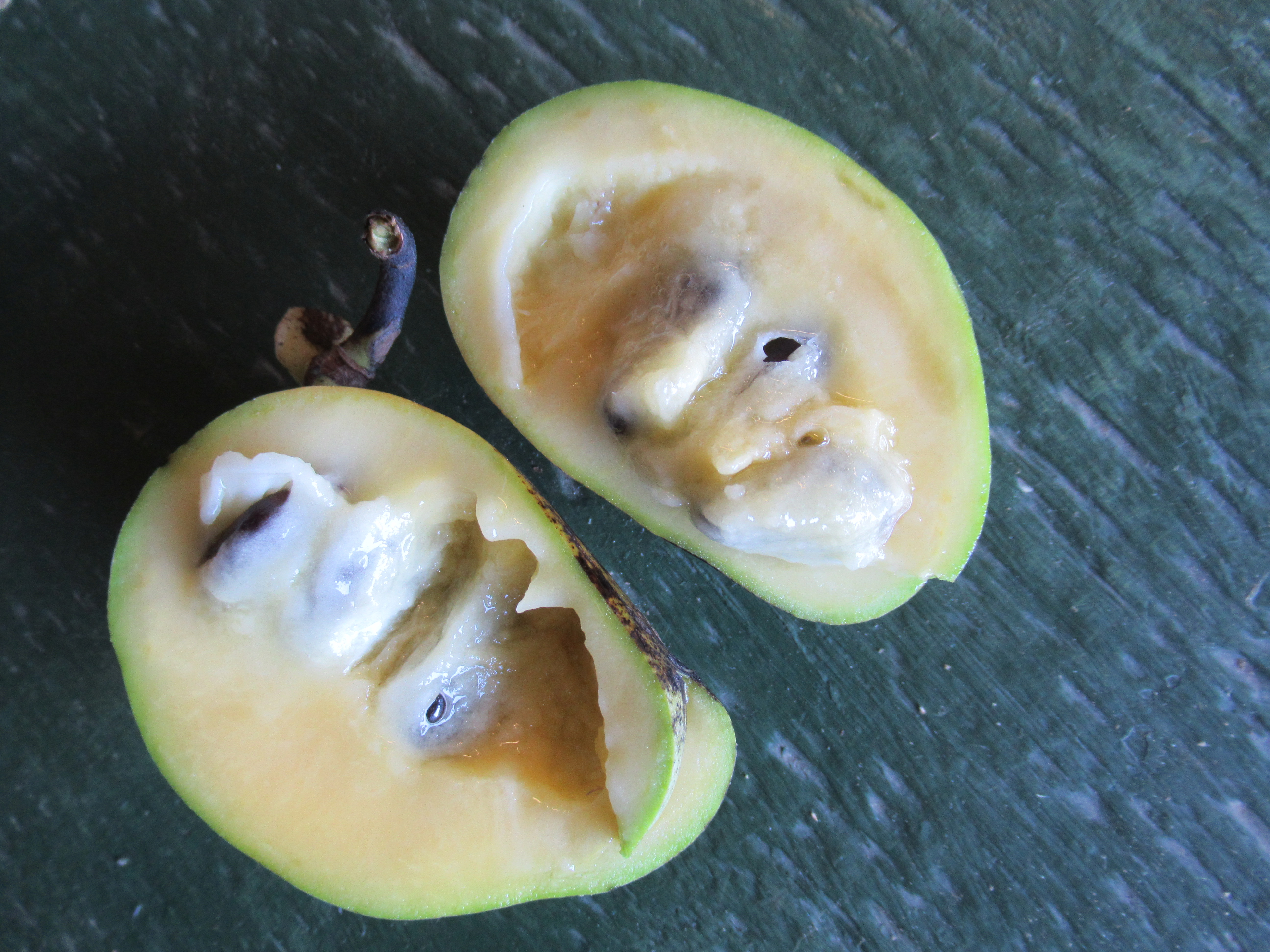
But the taste – the taste is heavenly! Distinctly tropical like a banana/mango/pineapple with a soft, mushy, custard-like texture. I slice them in half & scoop out the delicious flesh with a spoon. Each fruit has a lot of large, hard seeds.

This year we finally have enough pawpaws to take to market. The first couple of baskets came to North York with us yesterday. People loved them! They were snapped up in a hurry! We will have a very few more for the final Georgetown market tomorrow.

It’s fun to grow an uncommon & unusual fruit like pawpaws. It’s even more fun to eat them!

If anyone’s looking for me, I’ll be back behind the barn, past the chicken house, beside the ditch in our pawpaw orchard – slurping on delicious pawpaws!


1 Comment

The view from here

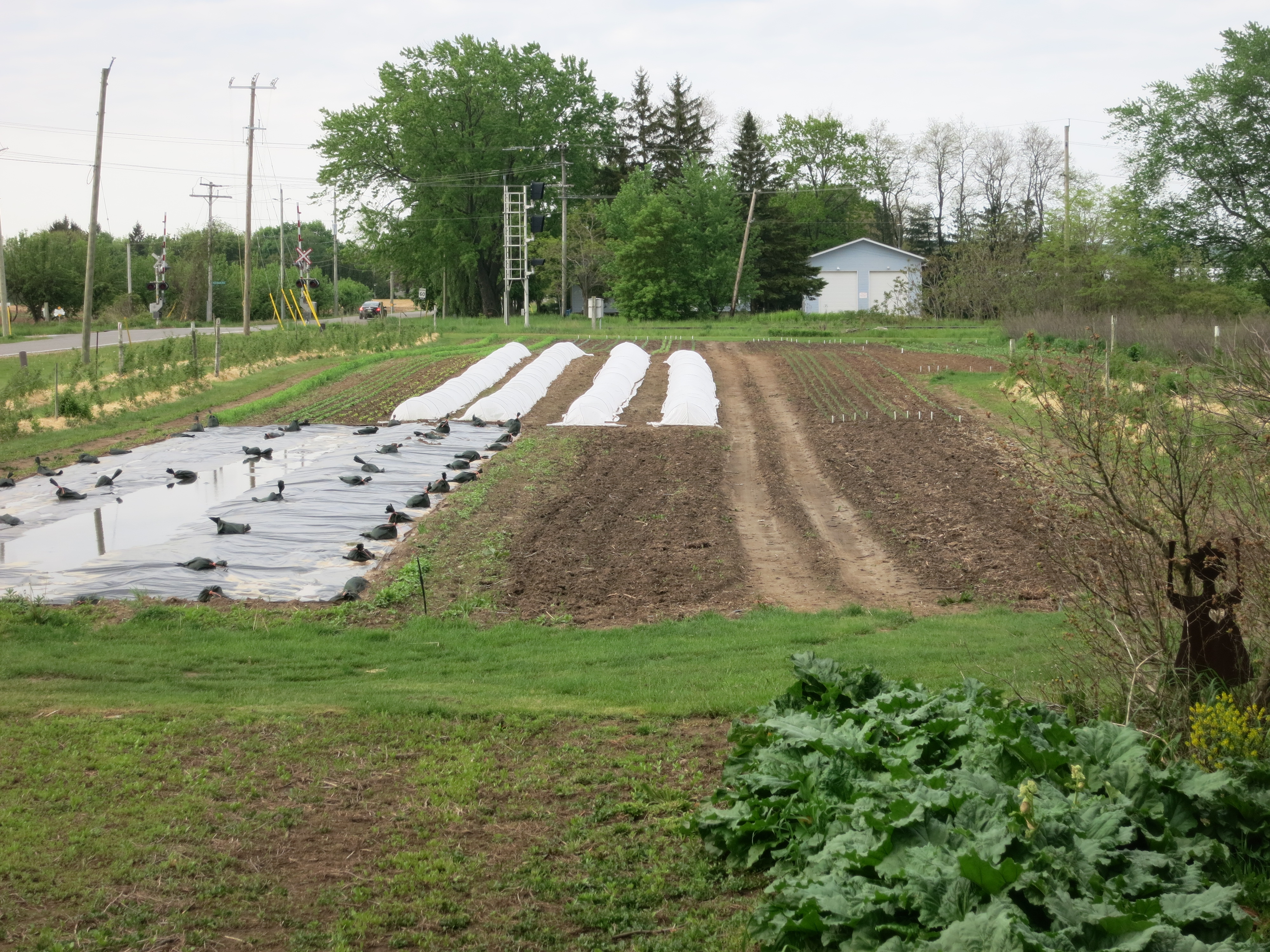
This is the view we have while sitting at our kitchen table eating our meals – the beginning of our farm, along with the road out front & the railroad tracks in the background.

It’s much the same view I’ve had my entire life – except the crops have changed through the years.

When I was growing up, this area was a sour cherry orchard. I remember massive old trees covered in white blossoms in spring and bright red, tart cherries in early summer. When the crop was off we would play in the trees. These cherries were eventually replaced by peach trees, then another peach orchard, followed by raspberries these last 20+ years. When most of the raspberry canes succumbed to the drought last summer, we yanked them out.

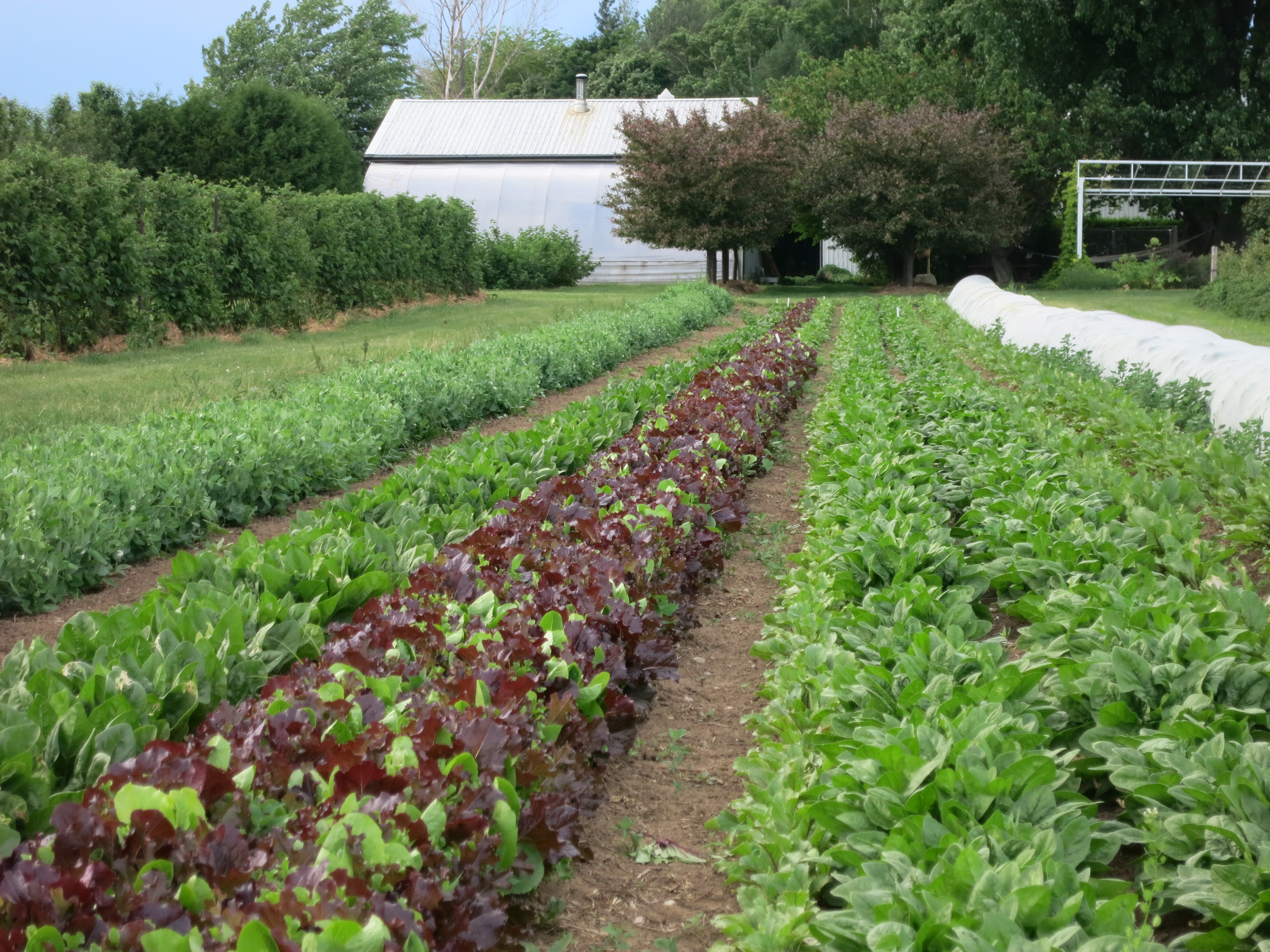
Now our view is vegetables – the first vegetable crops of the season. Daily we can see change as the plants grow & the green rows become more visible from our window.

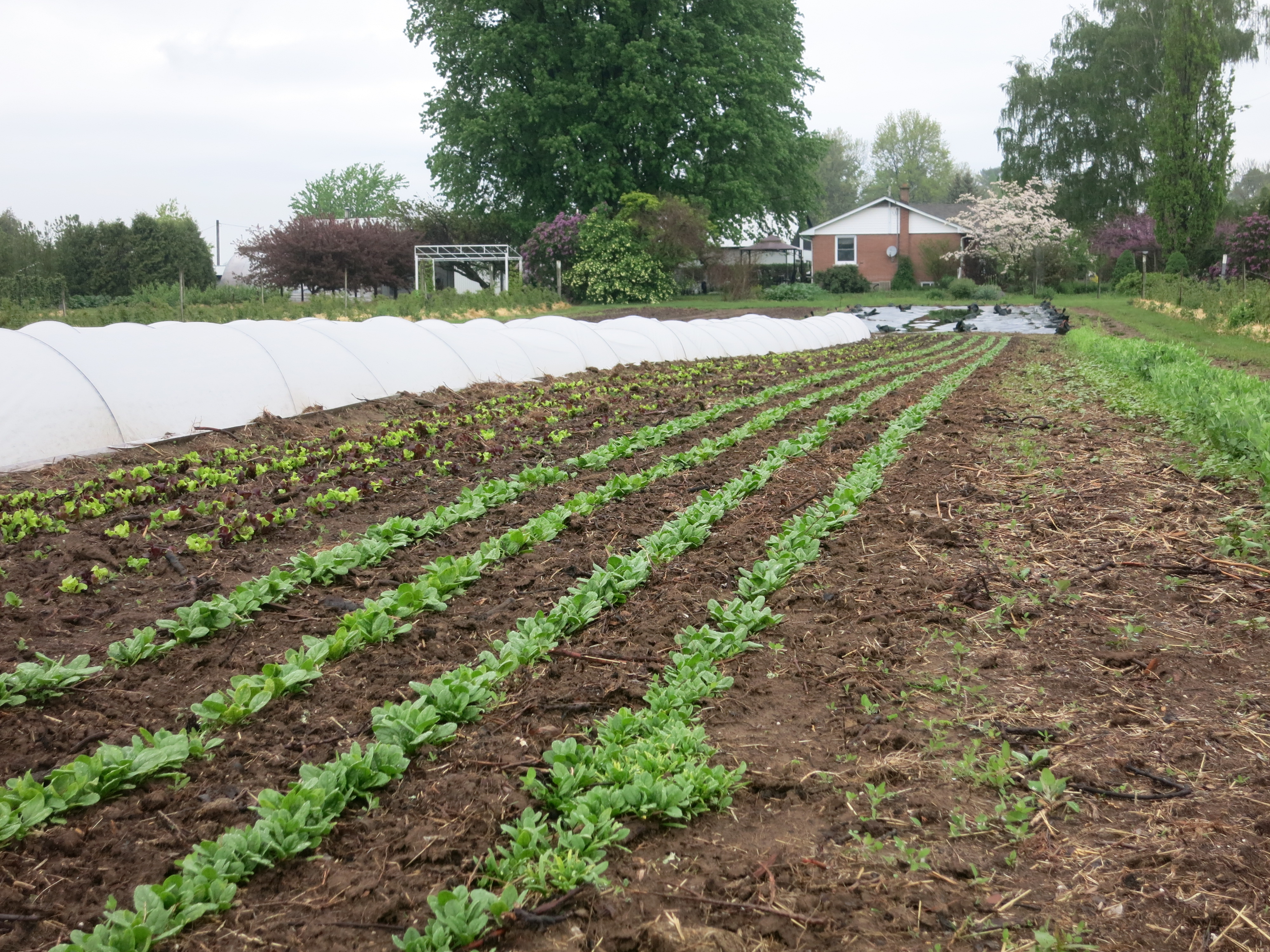
Going outside & looking from the train tracks back towards the house, we can see more. Along with the peas, lettuce & spinach …

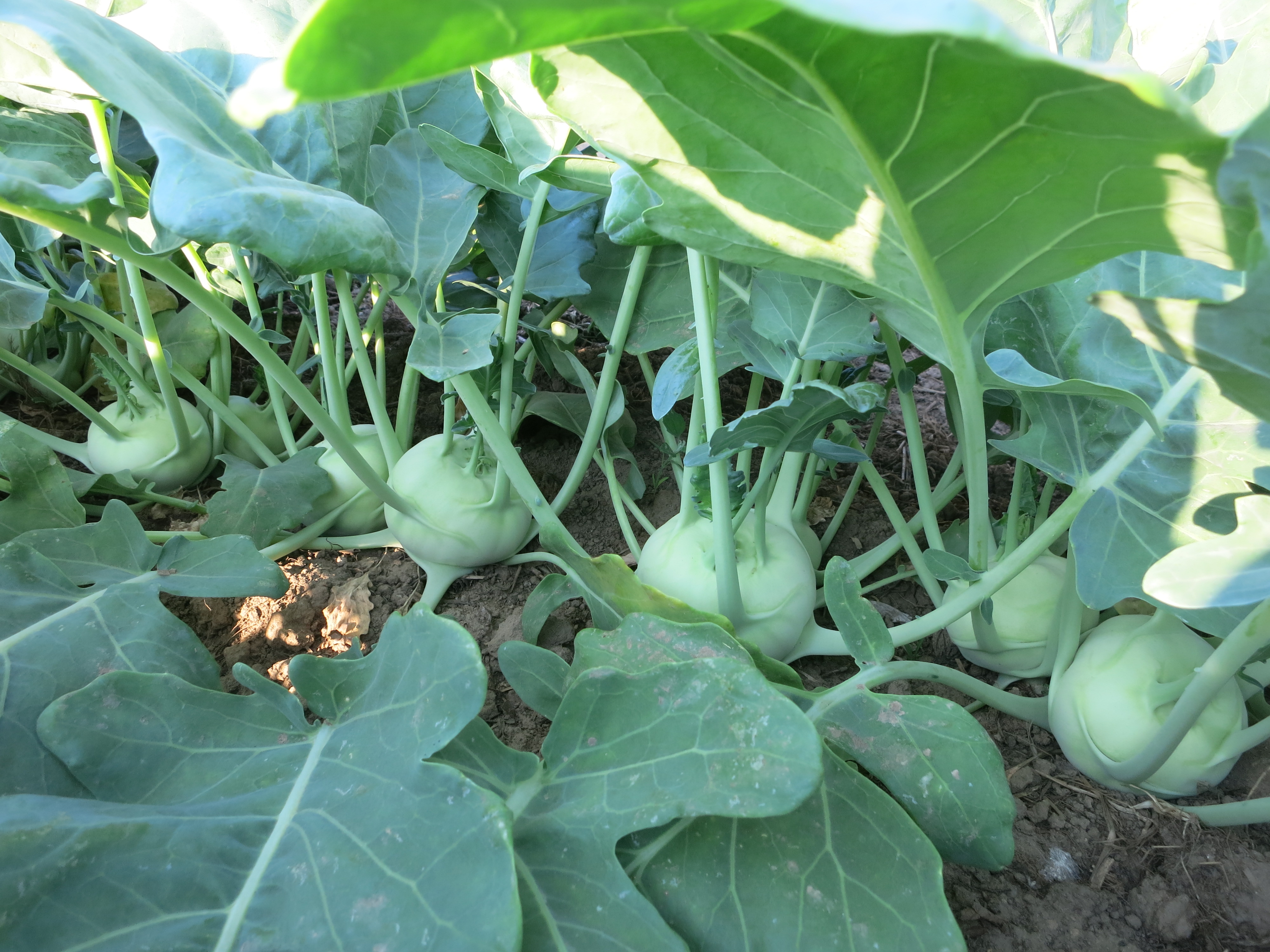
… there is kale, beets, more onions, kohlrabi, cauliflower, & broccoli.

Sowings of arugula, more spinach & lettuce are just germinating after this last rain on the weekend.

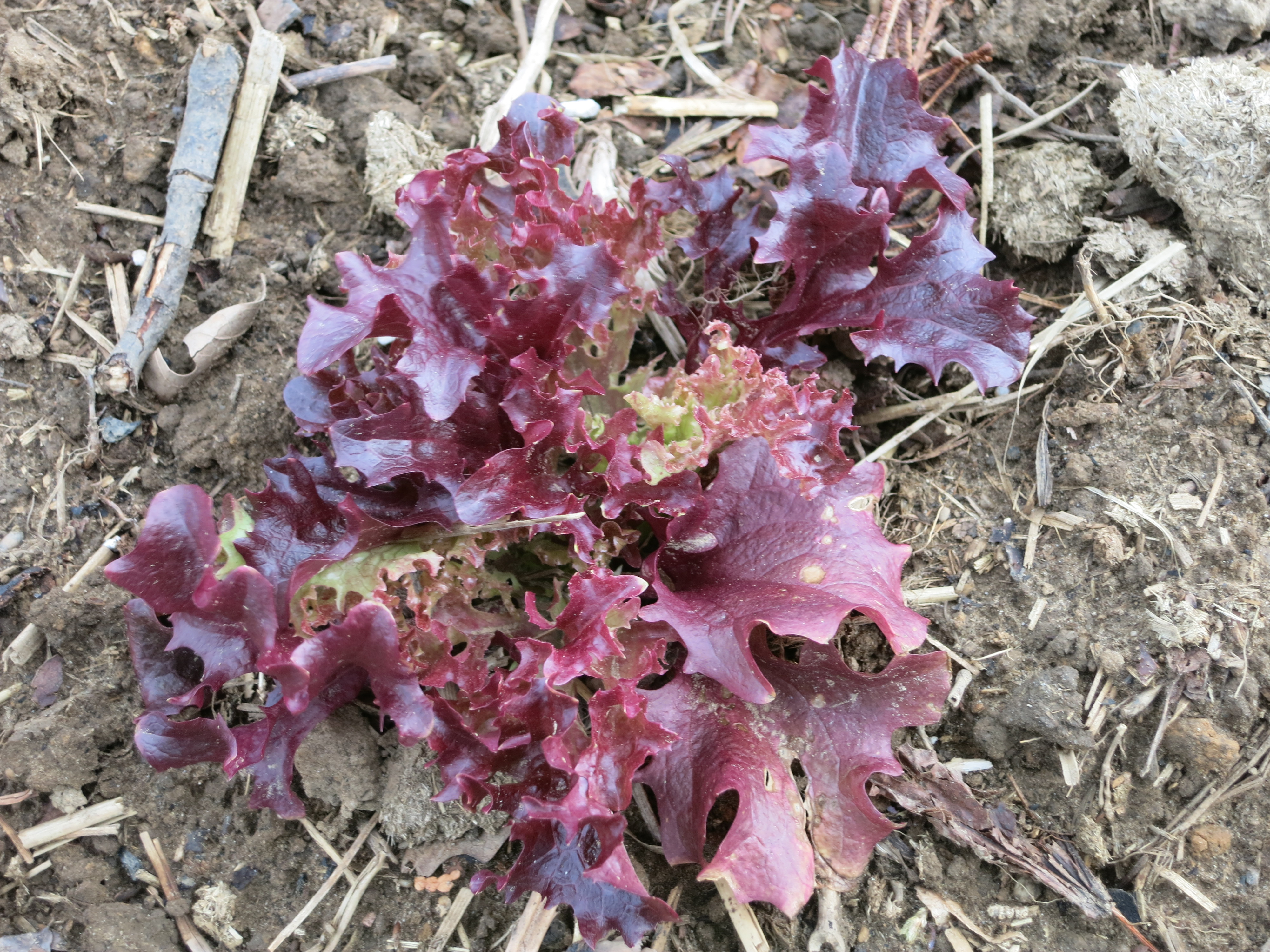
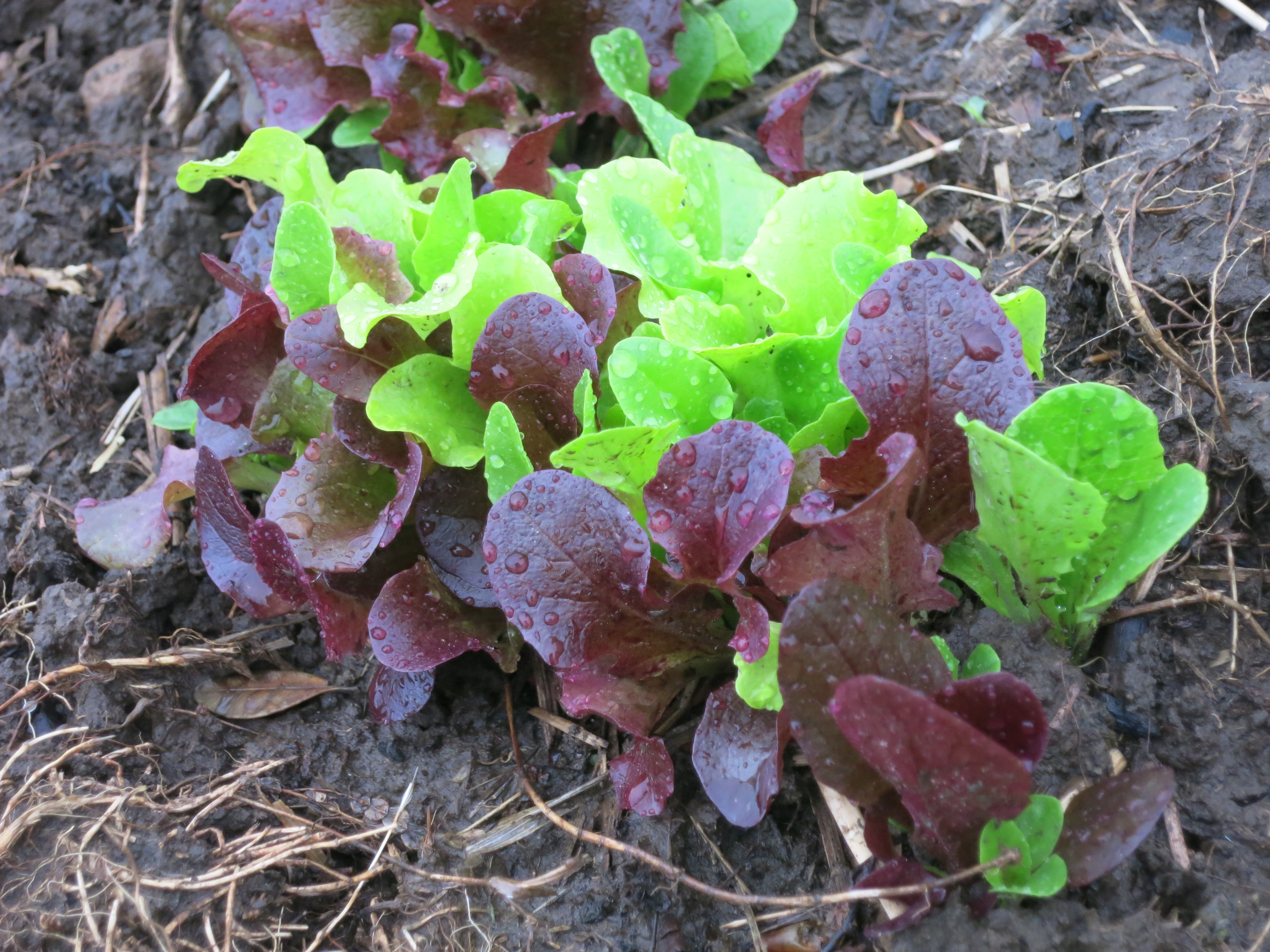
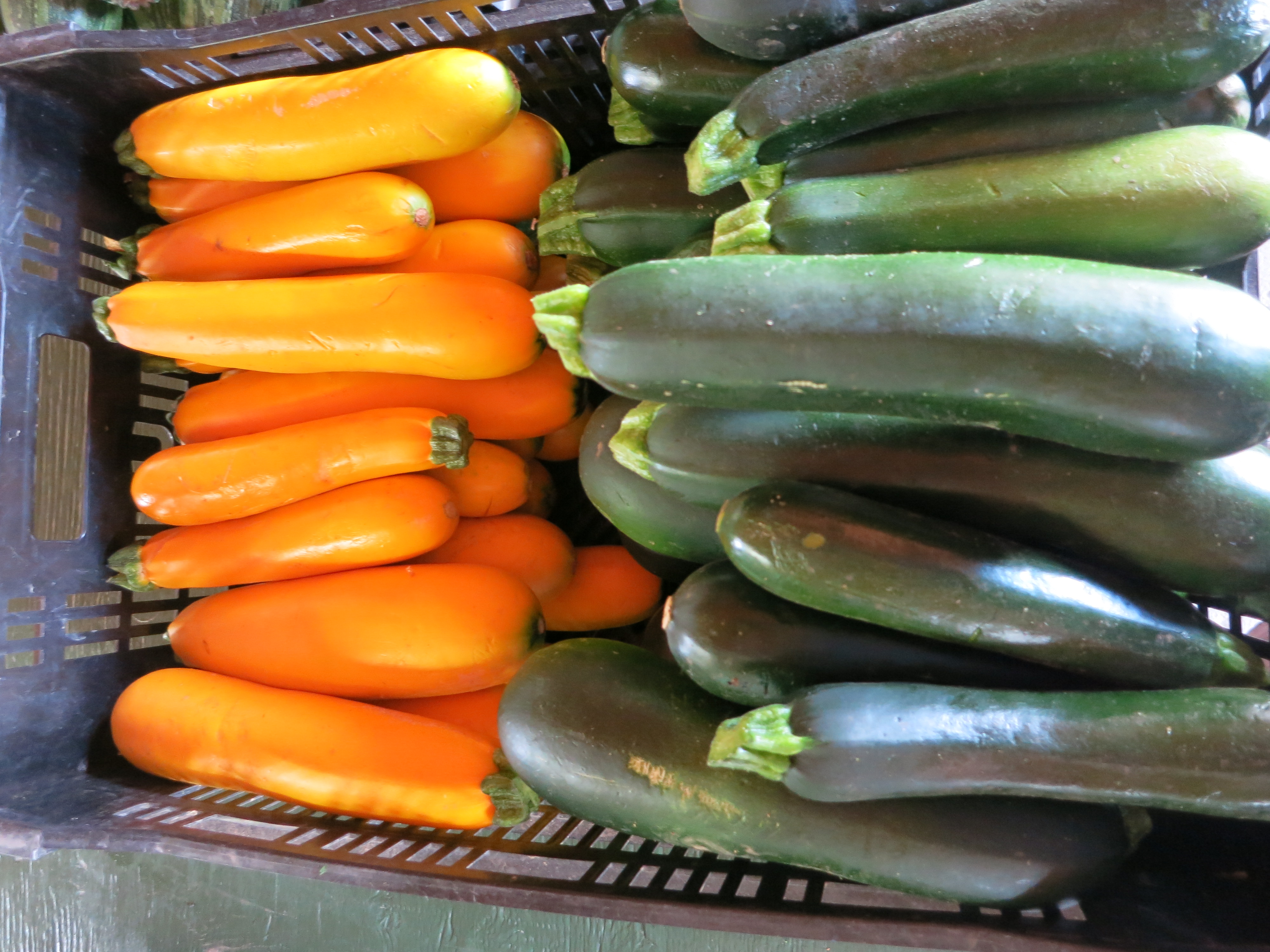
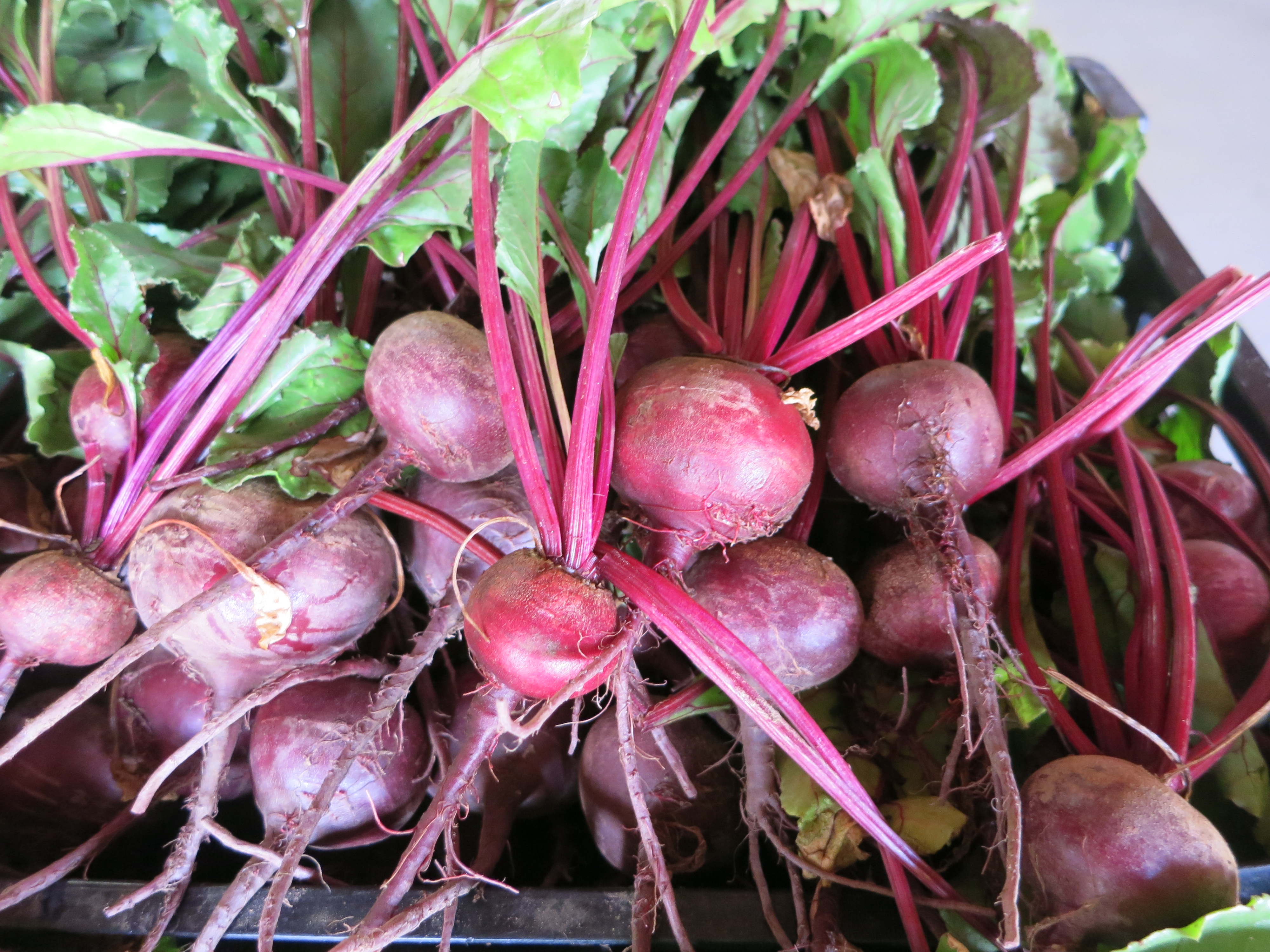
A closer look at the vegetables reveals their beautiful colours & shapes!

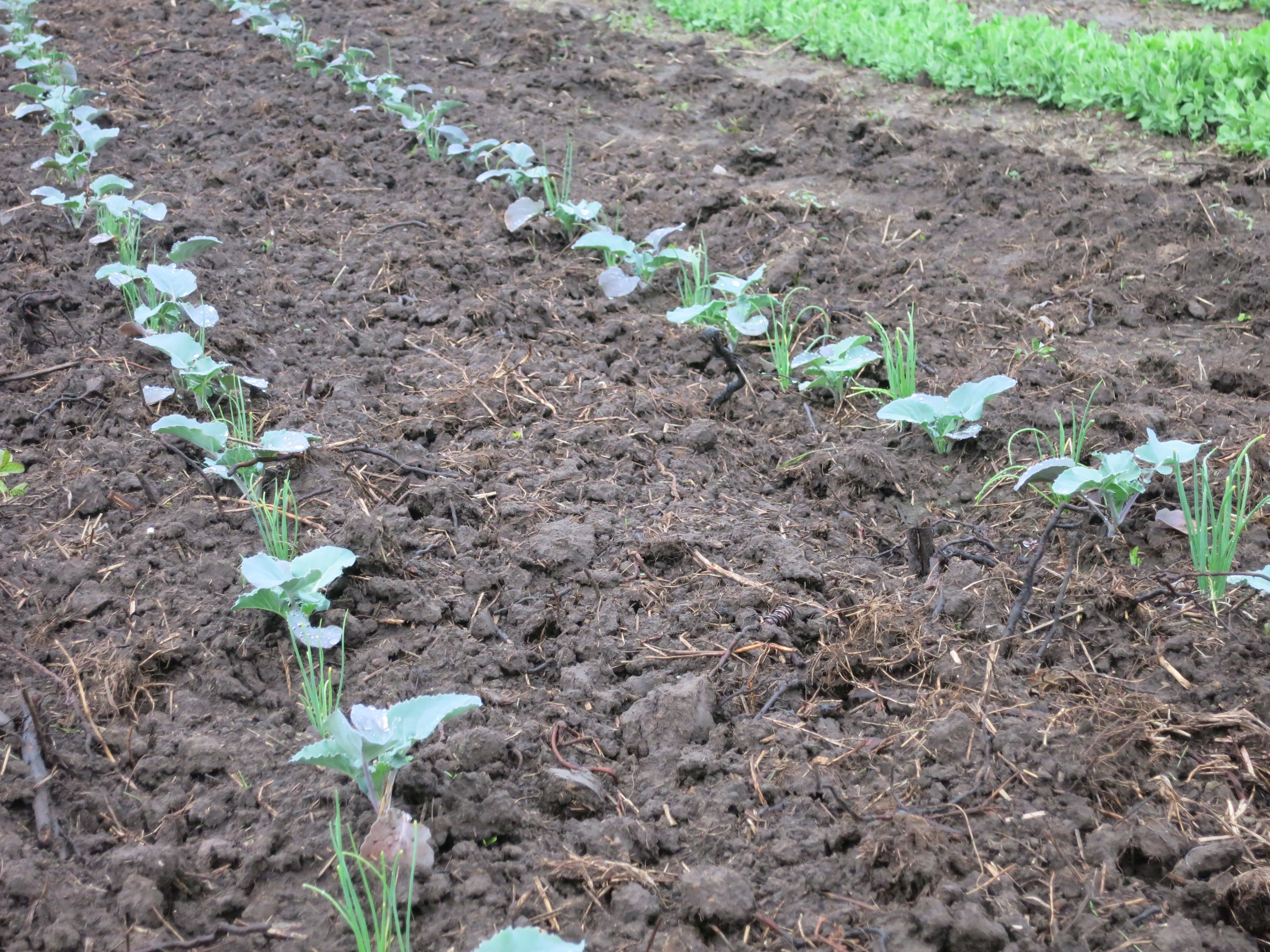
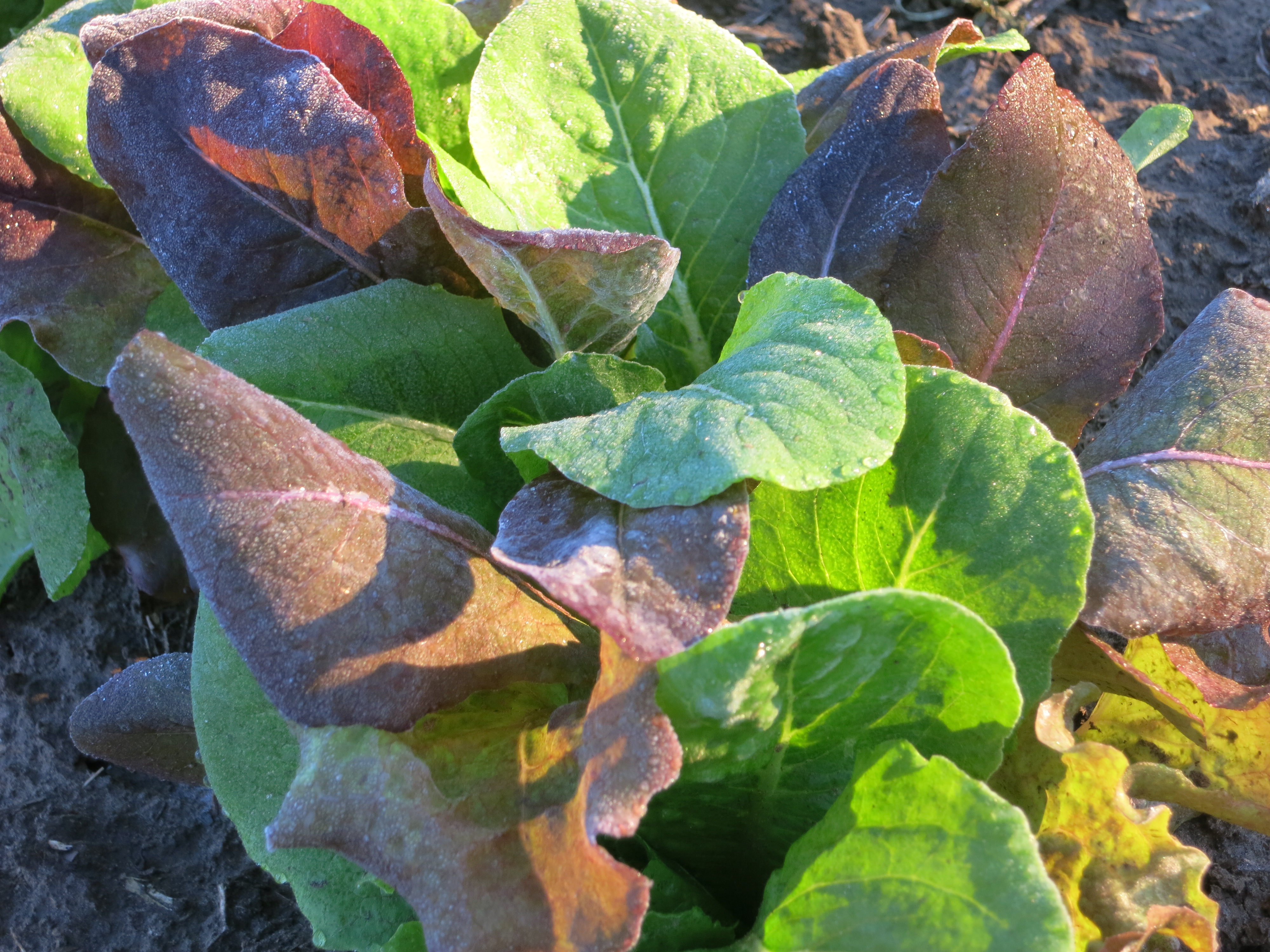
We are trying more intercropping this year. Our head lettuce is planted between our cauliflower plants. The idea is that the lettuce will mature, be harvested & gone by the time the cauliflower has grown big enough to need all the space.

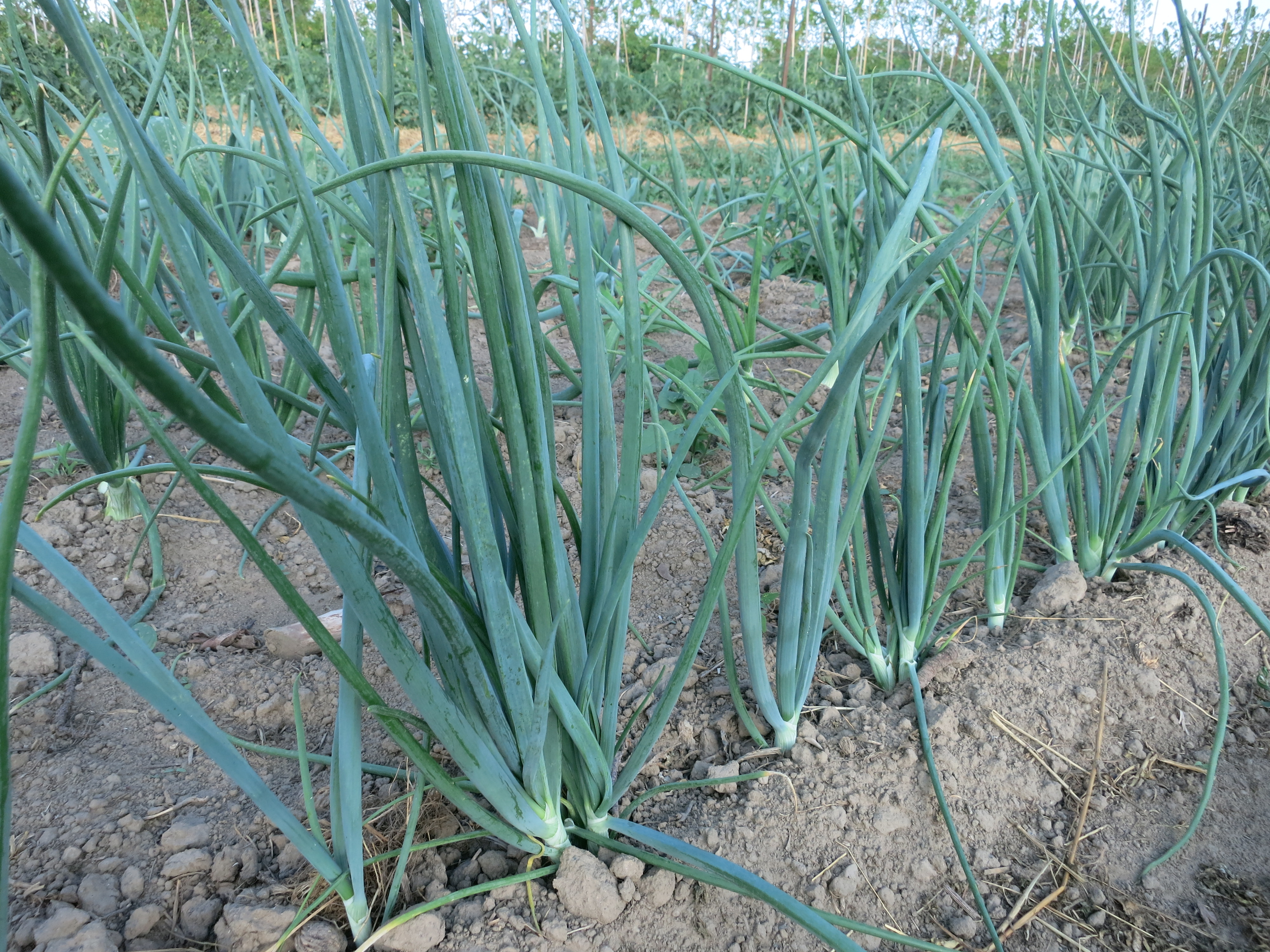
Our green onions are growing between the broccoli plants with the same plan. But this combination might be a mistake, as the onions may not be out of the way before the broccoli has filled in. Guess we’ll find out! (Looks good right now though.)

Overall, our view of the vegetable gardens – from the kitchen table, or outside, or close up – is a beautiful sight! And we are enjoying it very much.

But even better will be eating these vegetables … soon!!


1 Comment

This week on the farm …

As the temperatures outside increase, so does our work.

Here are some of the things that kept us occupied this week …

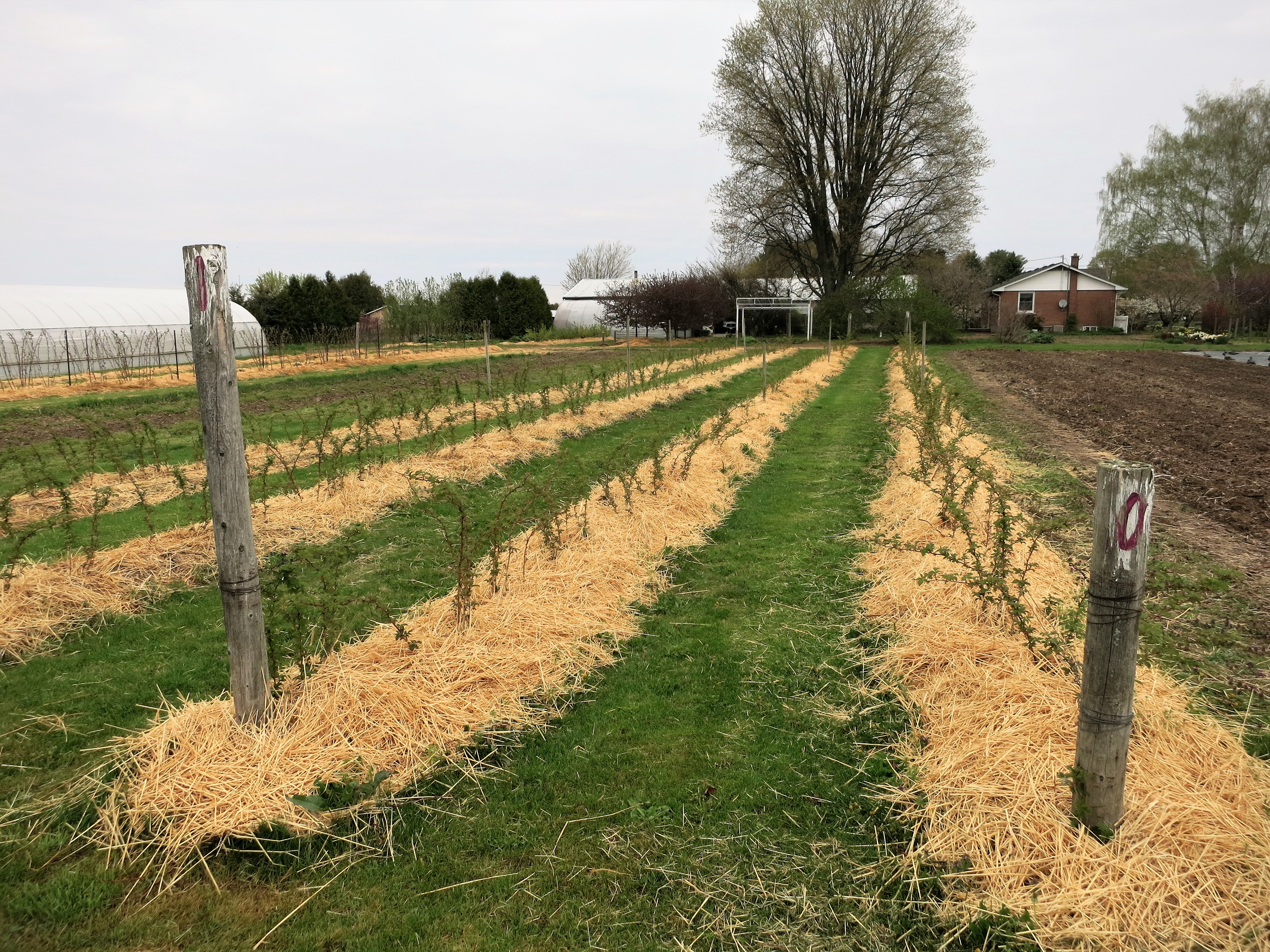
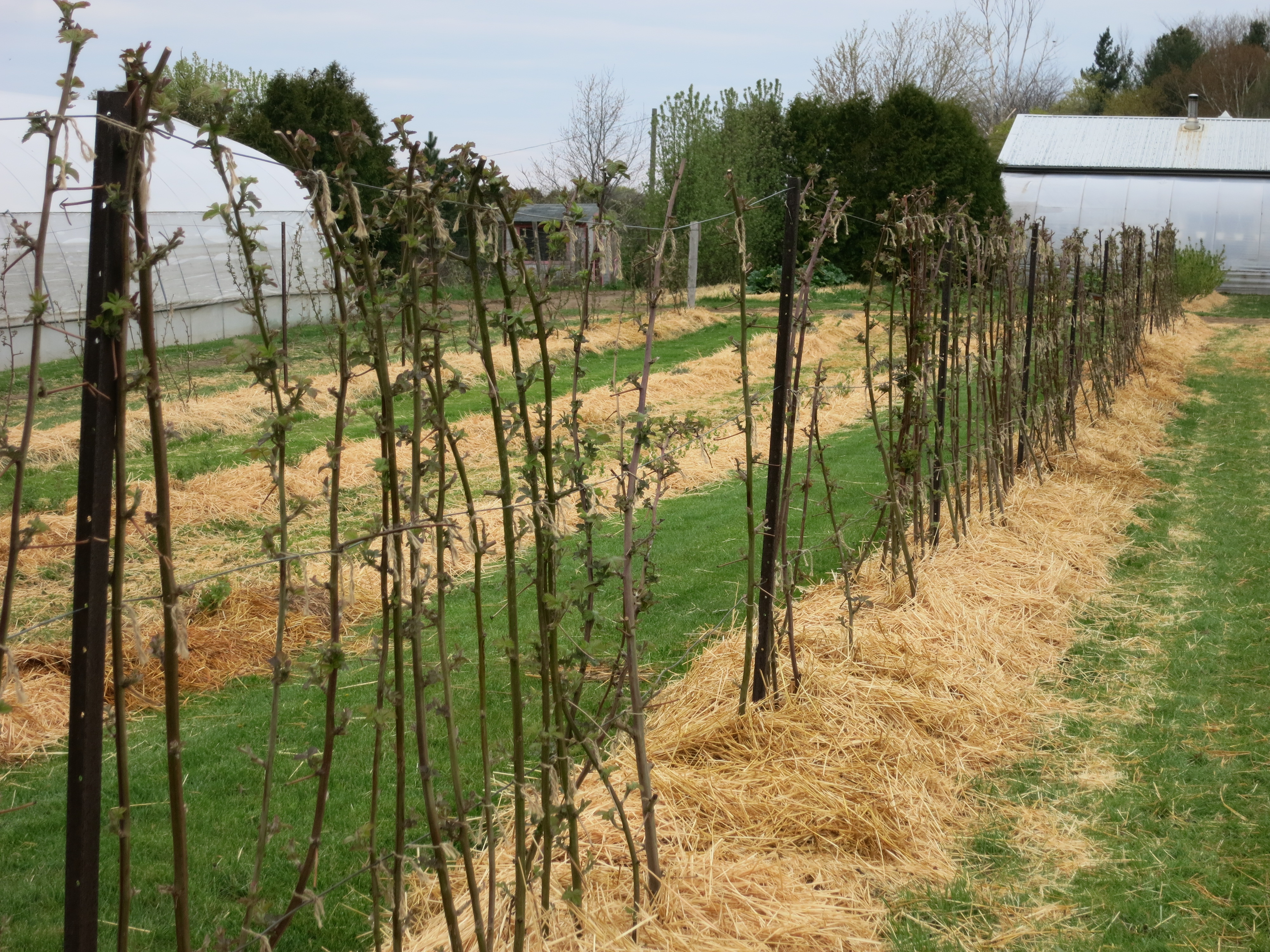
We spread a lot of straw! All the raspberries & blackberries got mulched with straw. The purpose of this is to control the weeds & preserve moisture. Often we use hay but last year’s drought caused a scarcity of hay. Straw works just as well and it looks fresh & clean too!

The berries are leafing out quickly now. Raspberries will be in short supply on our farm this summer. Most of our patch didn’t make it through the drought. We are replanting but the new canes will take a few years to reach full production. The raspberries that survived look short, but healthy.

The blackberries are looking good & we anticipate a great crop!

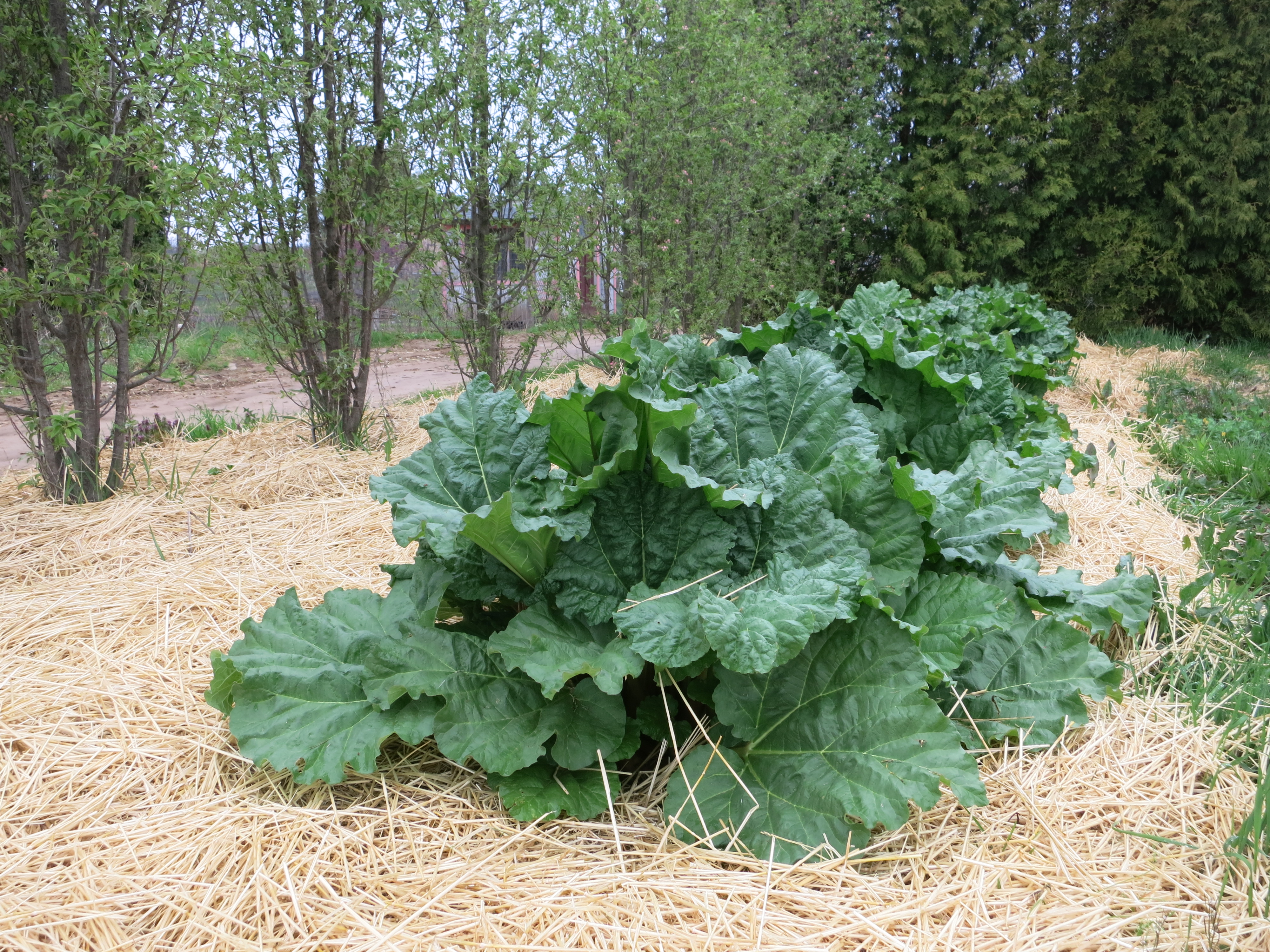
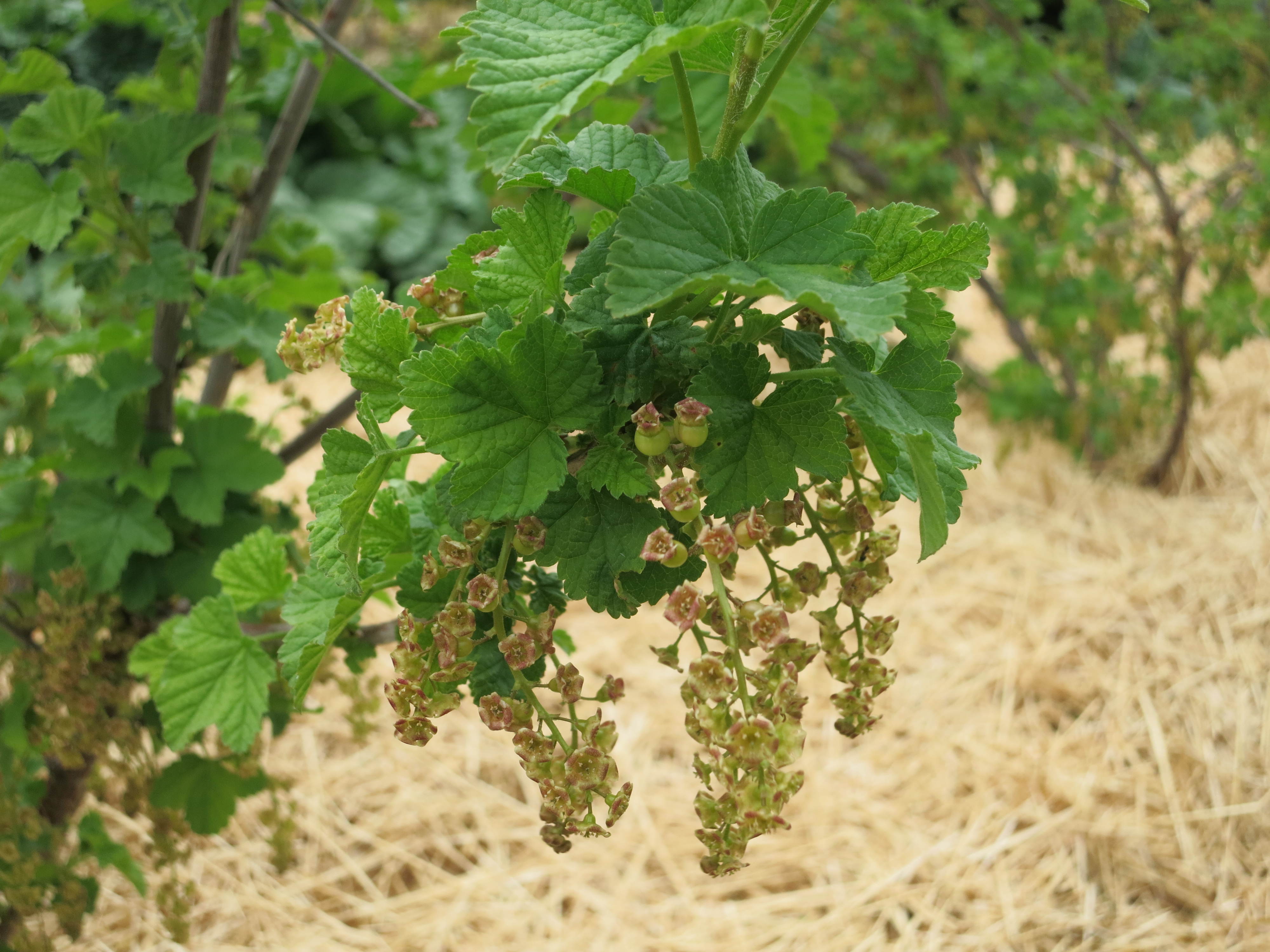
The rhubarb & currants also got a layer of straw tucked around them.

In the small greenhouse we continue to seed.

A part of each day is spent in the big hoophouse transplanting vegetables & herbs.

Usually Amy has a helper!

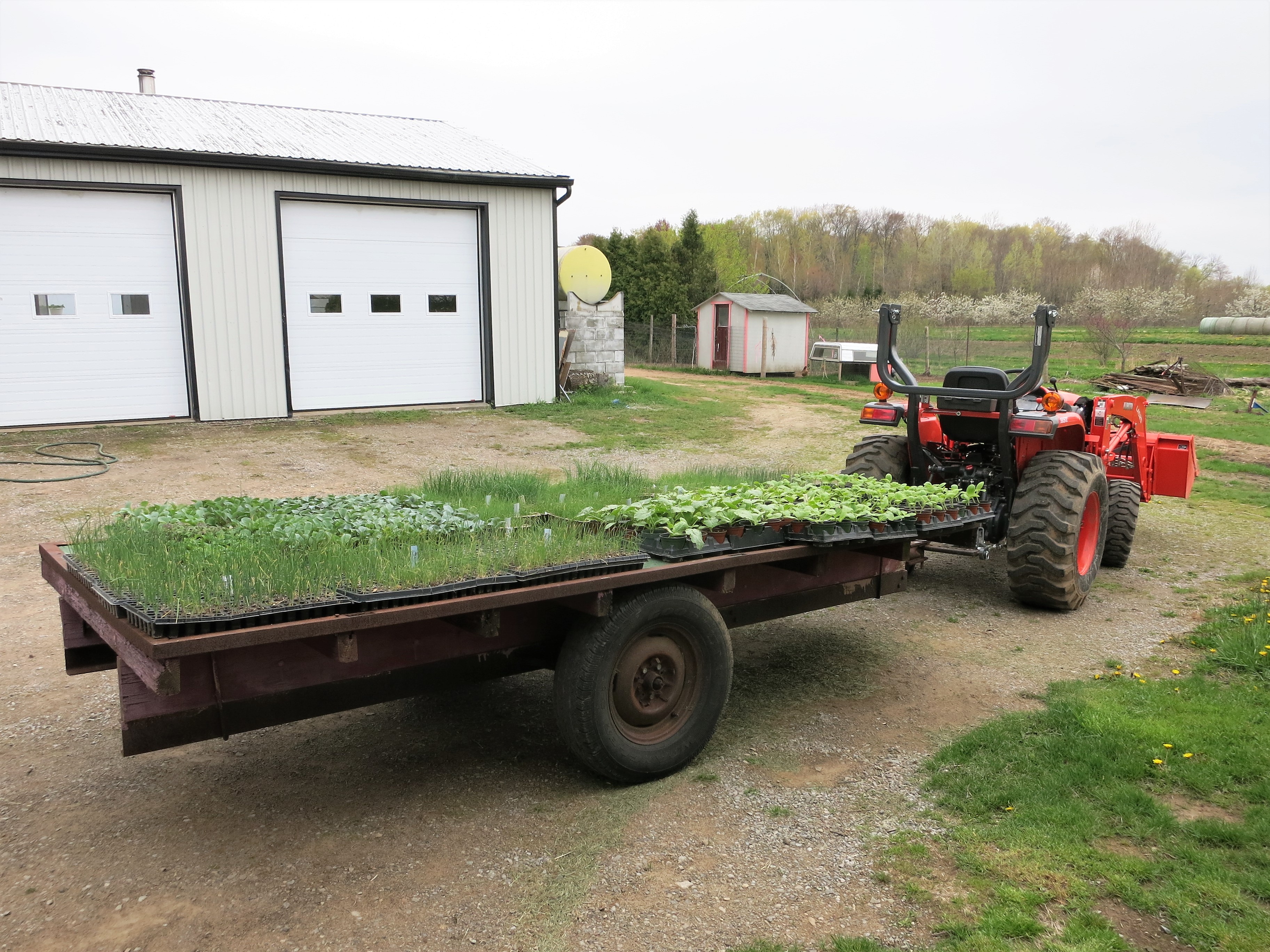
Already some vegetables are outside on the trailer, getting acclimatized to the outdoor temperatures & bright sunshine. They’re on the trailer so we can drive them in the barn when the nights are cold.

Next week these onions, broccoli, cauliflower & zucchini will be planted out into the field.

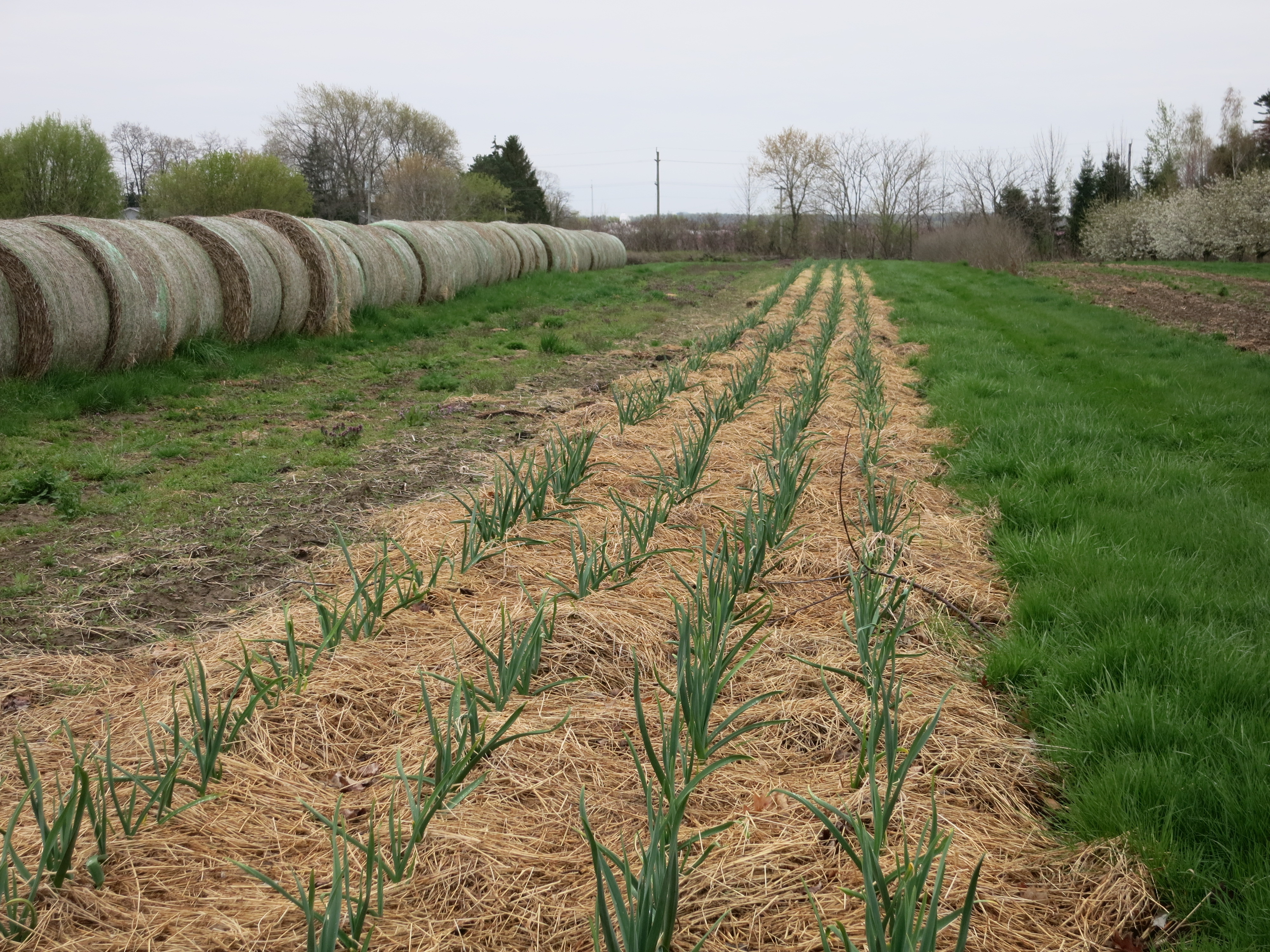
The garlic, that we planted last October has come up & is growing well. It also has been mulched with straw (back in December) so we won’t have to worry about weeding it. We still have a lot of round bales of straw which will be used later to mulch tomatoes, peppers, eggplant …

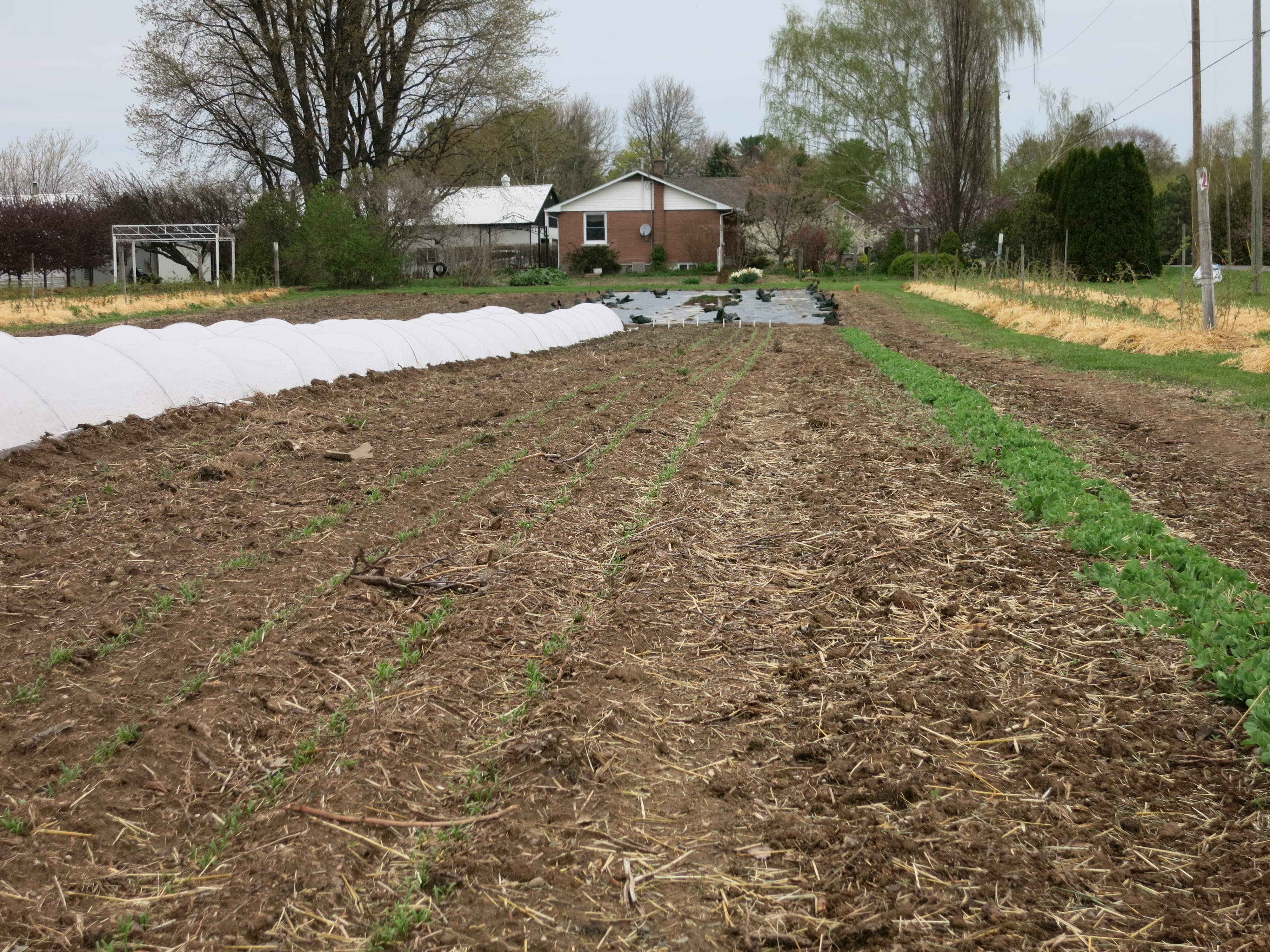
Our first 2 plantings of snow peas are up in the field as are spinach & lettuce.

This picture shows the black occultation tarp in the background (see previous blog post).

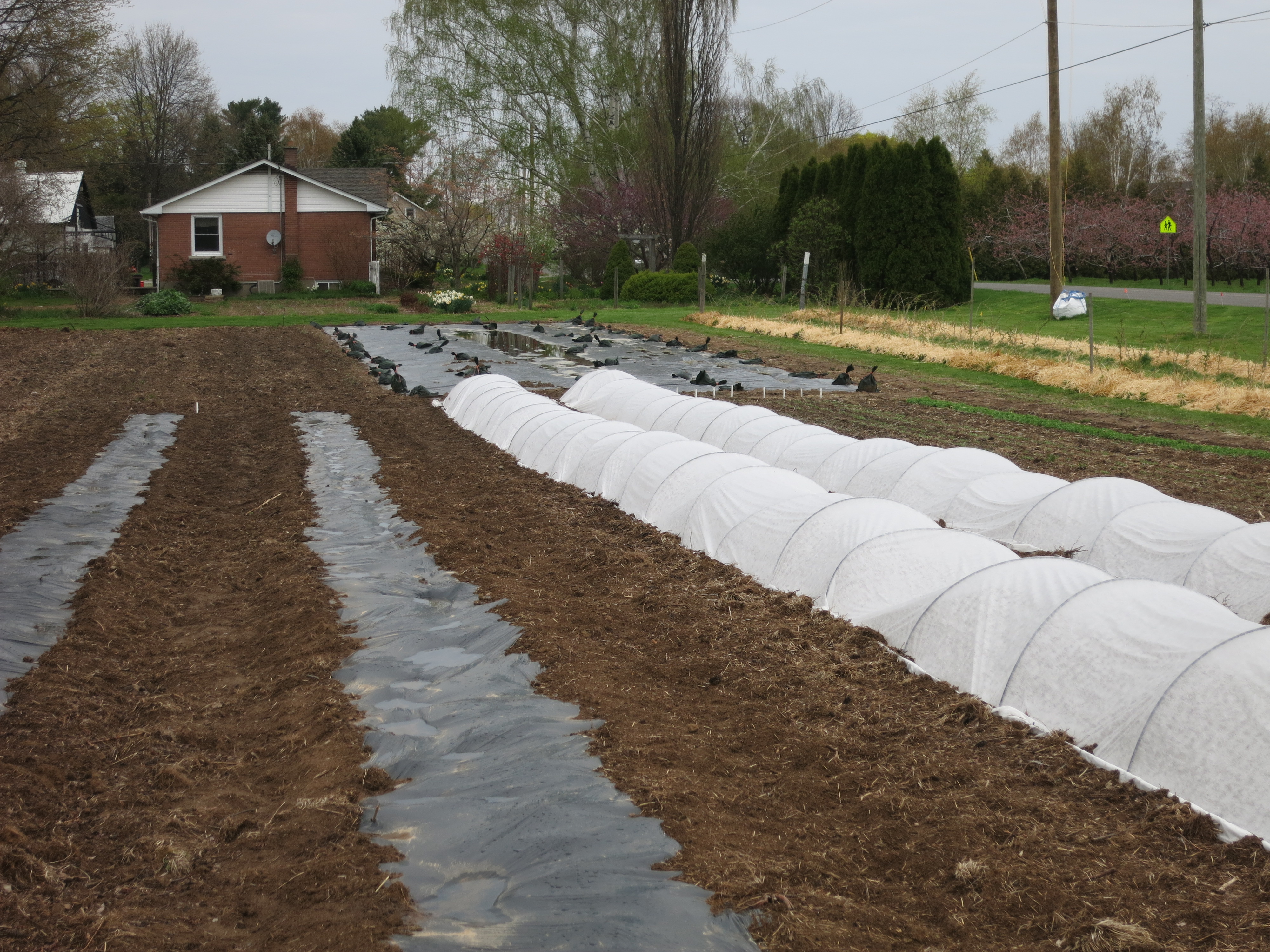
In the low, white tunnels (plastic hoops covered with row cover, a fabric made of plastic filaments) we have seeded radishes & bok choy. The row cover acts like a mini-greenhouse enhancing the growing conditions inside – warming the air during the day, protecting from frost at night, and also acting as a barrier to hungry insects that are as anxious for fresh greens as we are! Crops grown under row covers can mature up to a week or 10 days sooner.

The black plastic mulch on the left in the picture was laid this week to warm the soil underneath. Next week we will punch holes in it, and transplant our zucchini seedlings. Then we’ll cover it with row cover as well. The goal is to get an earlier harvest of zucchini.

We are not usually keen to use a lot of plastic on the farm because of the waste & disposal issues. But the weed tarp & hoops can be used for many years, the row cover several times, and the black mulch is actually a biodegradable corn product.

Is the use of these materials & the extra work involved worth it? We’ll find out at harvest!

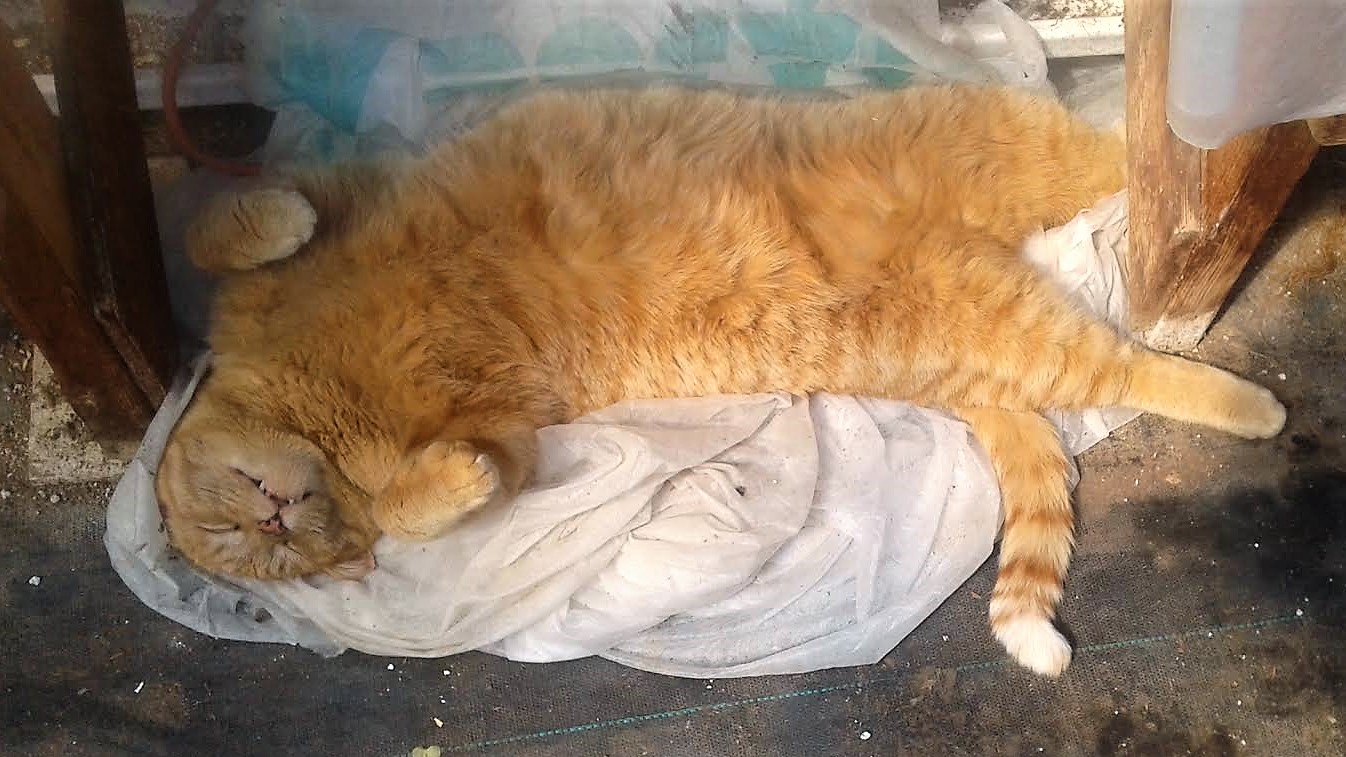
However, Oliver already gives a big paws up to the row cover!


1 Comment

Occultation

Here at Thiessen Farms we are now practising occultation.

Sounds a little ominous or even sinister, doesn’t it?

But don’t worry – occultation is really just a method of preparing the soil. Nothing mysterious about it!

The word occultation is most often used in the context of astronomy – when a celestial object is hidden from view by another celestial object. Think solar eclipse as an example.

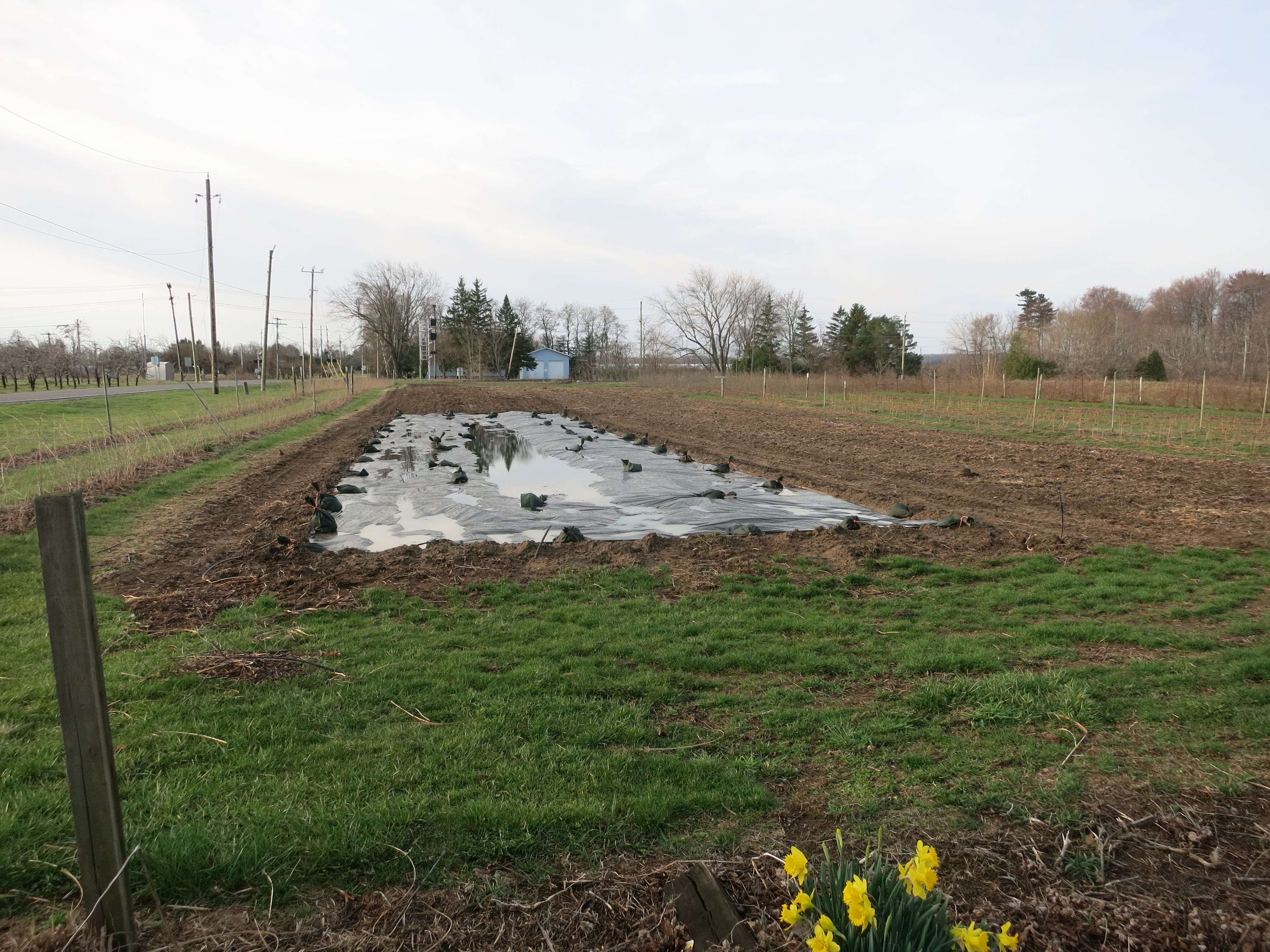
On the farm, occultation means using a tarp to hide the sun – from the weeds. The ground is covered with a dark tarp for a period of time. The warmth under the tarp causes weed seeds to readily germinate, but the lack of sunlight then kills them. After a few weeks (or longer, depending on the temperatures) the tarp is removed and the ground is (mostly) weed-free & ready to be planted. It is a way to get the ground ready for growing crops without the use of herbicide or tillage.

Occultation is becoming more common & many growers have had favourable results with it.

So we are giving it a try. Here’s what it looks like on our farm …

We covered a piece of ground with a heavy black plastic tarp and held it down by laying steel grape posts around the perimeter, along with some soil filled bags. Apparently that was not enough! All was good – for 1 day. When the winds picked up, so did our tarp! Let’s just say that a 24′ x 100′ heavy tarp becomes quite a sail on a windy day. The next calm day we tried again, but added more bags & covered the edges of the tarp with soil so the winds could not get underneath to lift it. We have had some pretty strong winds since, but so far so good! We plan to leave the tarp down for maybe 6 weeks or more. Then we will remove it & plant vegetables – maybe even carrots. (Carrots are the bane of our farm & we haven’t grown them for more than a few years – good carrots require weed-free conditions, something we have not been able to provide. But our customers want them & we would like to offer them in our CSA shares.)

We ‘ll keep you posted on the results of our venture into the world of occultation.

_______________________________________________

More signs of spring on the farm …


1 Comment

Seeing green


The colour of the year for 2017 as chosen by the “world-renowned authority on colour” is greenery, “a refreshing and revitalizing shade … symbolic of new beginnings.” 

Good choice!

Of course nature always chooses green.

At this time of year, when the calendar says spring, the days are lengthening, and the sun is warming, green begins to pop up all over – in various shades & hues, shapes & textures.

And it is most welcome!
In a month or two, green will be everywhere and taken for granted. But now, early in the season we notice & savour each leaf, each sprig of greenness as it appears.
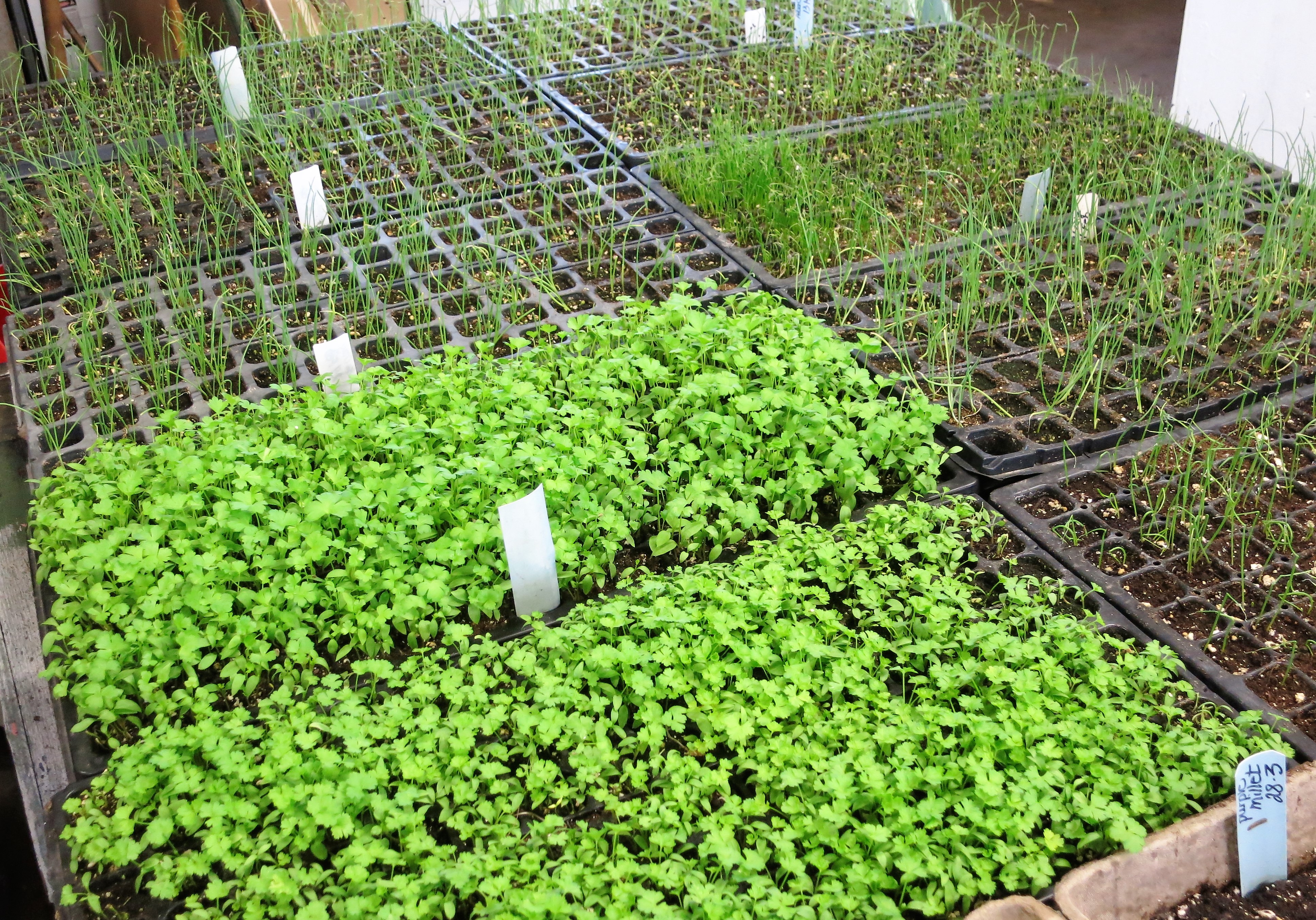
The greenhouse is also a place of green now – and more so each day. It is an especially good place to be on these drab, damp & chilly days.

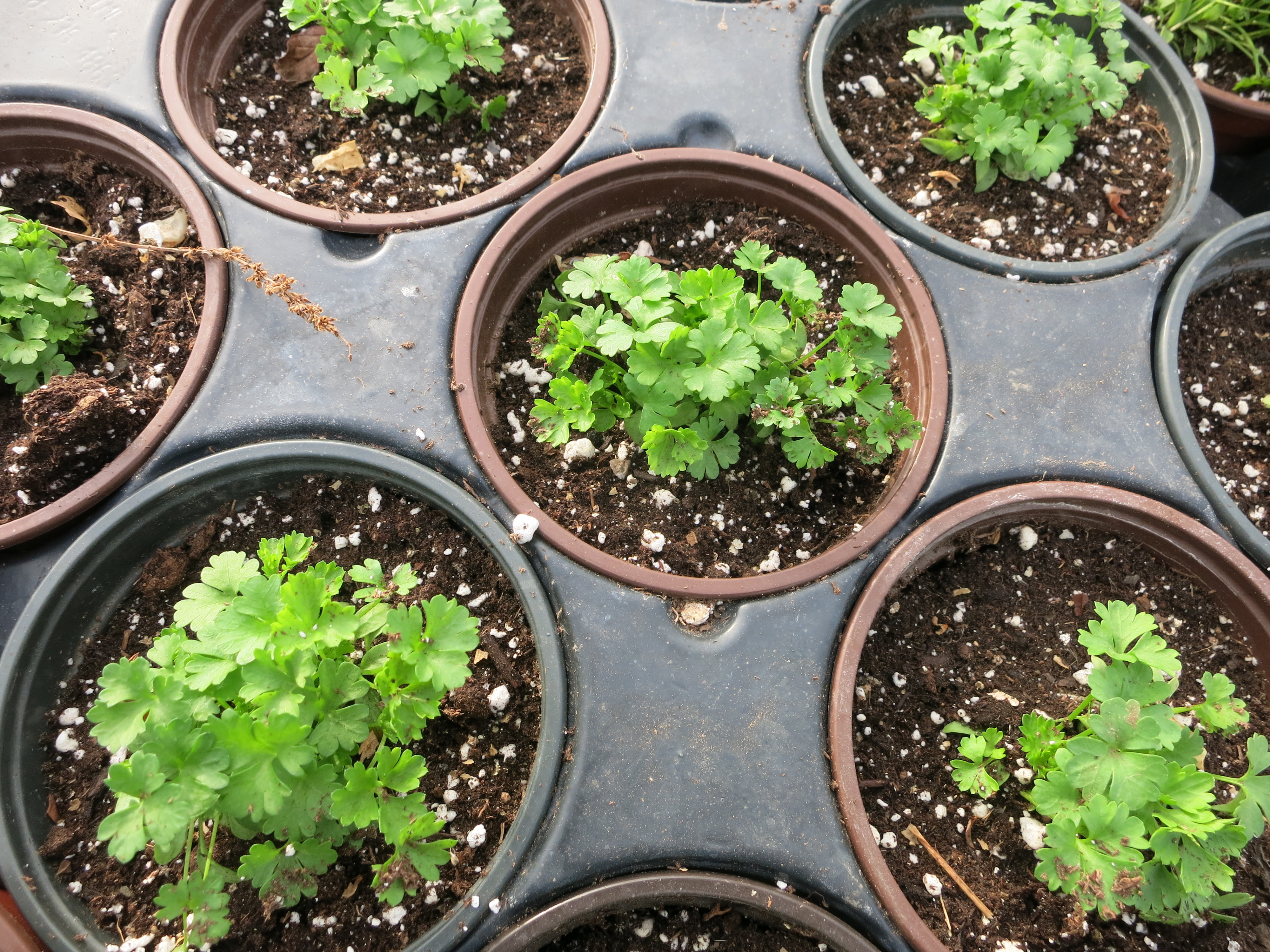
We continue to seed almost daily – vegetables, herbs, & flowers.


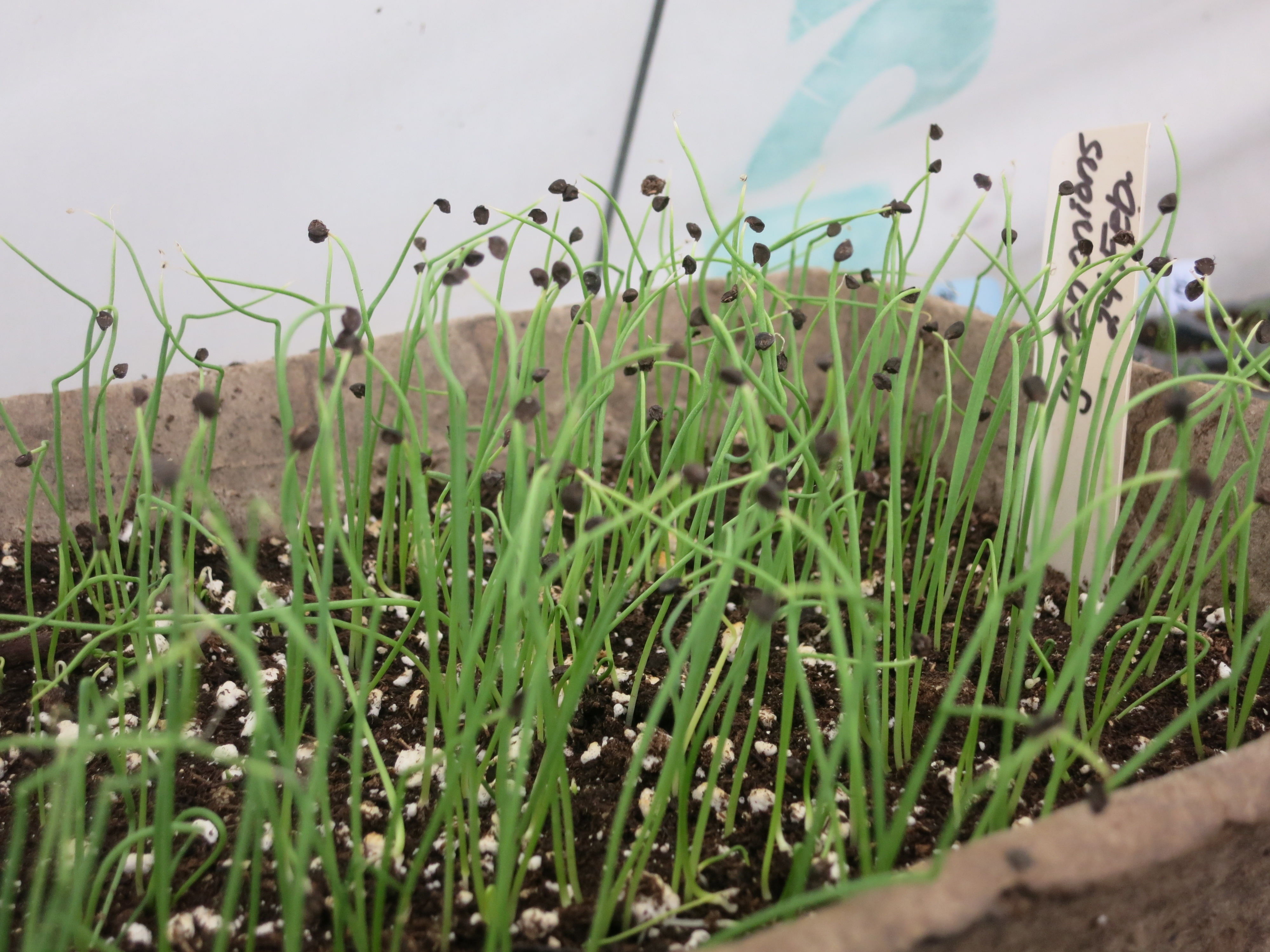
Most things are growing well but there are always some seeds that hesitate to grow. Usually the problem is old seeds …

… or we don’t provide the proper conditions to allow for germination.

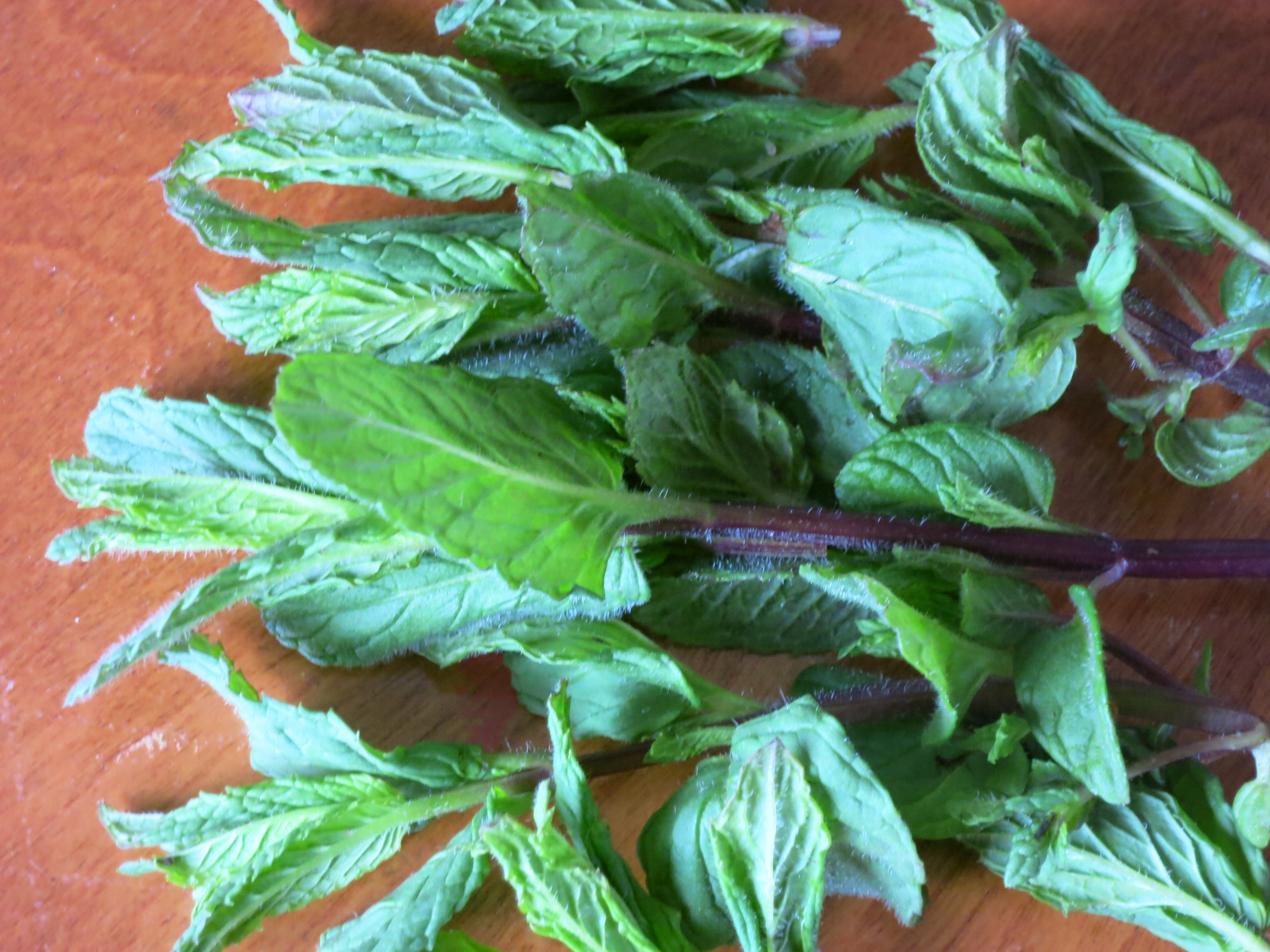
Mint grows along the edges in our larger hoophouse – adding a burst of spring flavour to salads.

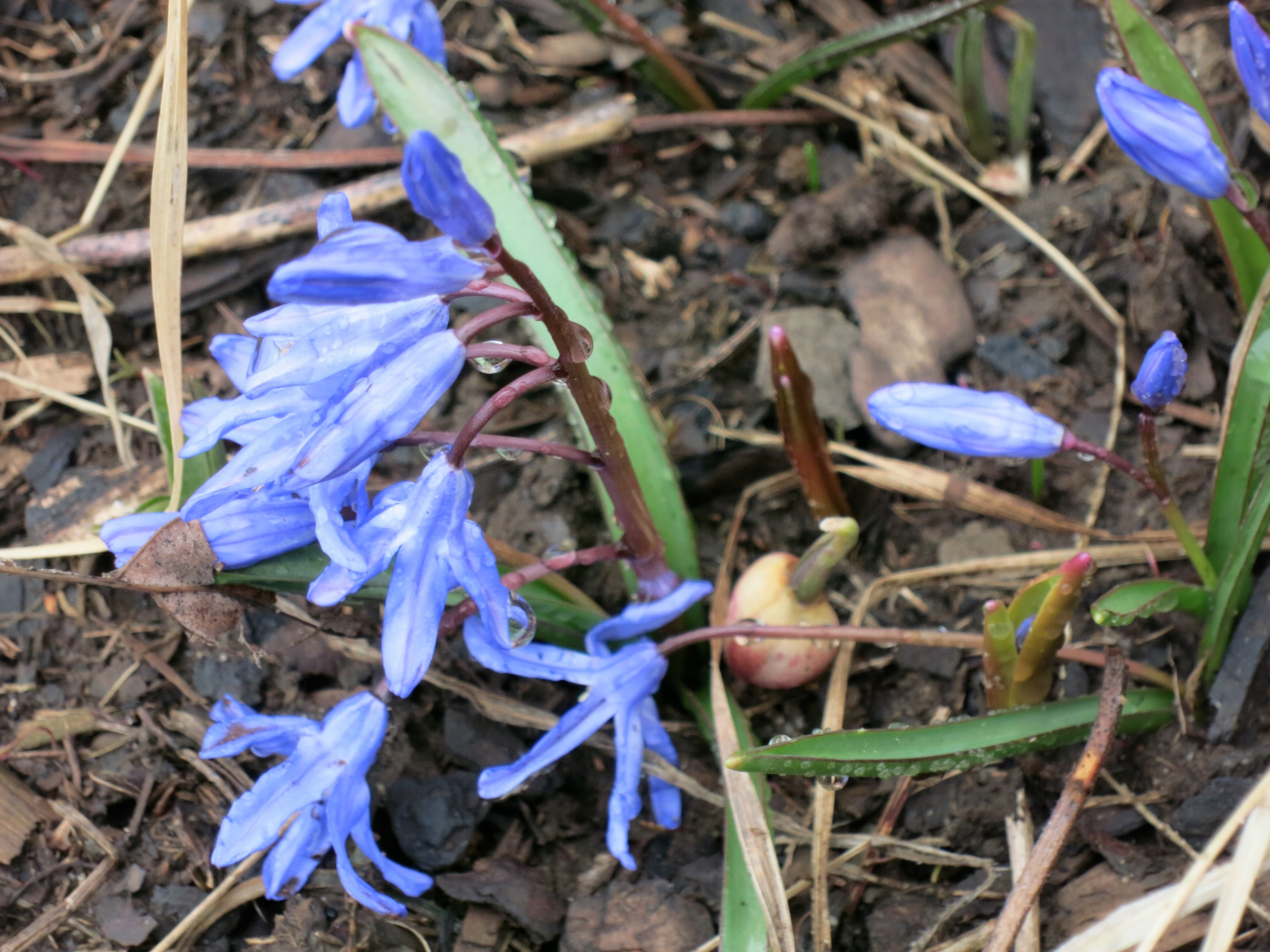
And while we still revel in the newness of the green … colour appears!

Happy Spring!


Leave a comment

Snow in the forecast? It must be spring!

We took the winter tires off the car 2 weeks ago. Last week I removed the snow plow off the tractor (Not once did I have to clear the driveway this winter. I never got a chance to try out the new tractor in the snow).

Now there is a winter storm warning for us here in Niagara today – and for much of southern Ontario too. Up to 30 cm of the white stuff is expected. Of course!

While this is not unusual, it is a bit disappointing. Where was this snow earlier in the season when it would have been welcomed & enjoyed? After a balmy winter, we were anticipating an early & sustained spring.

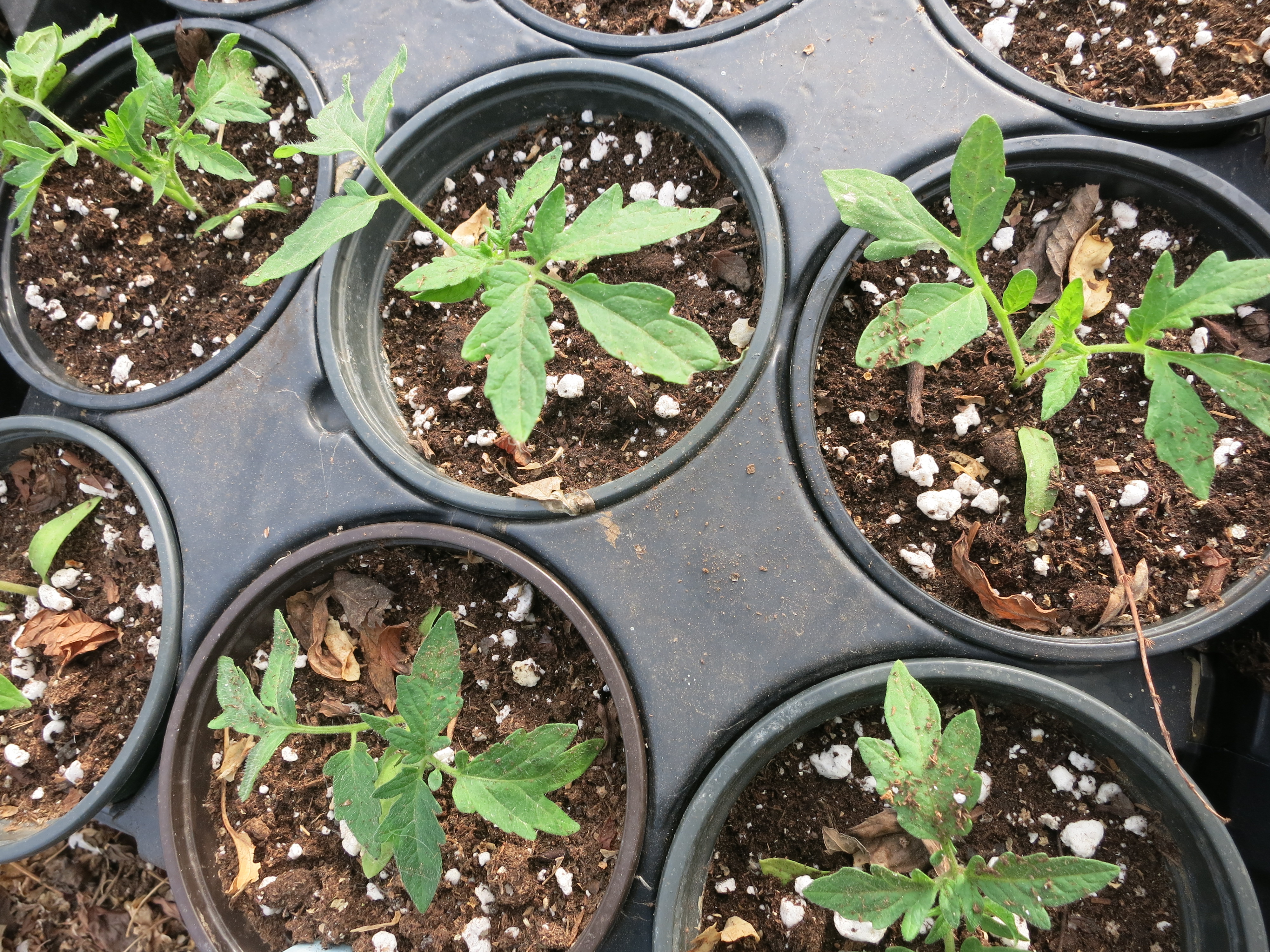
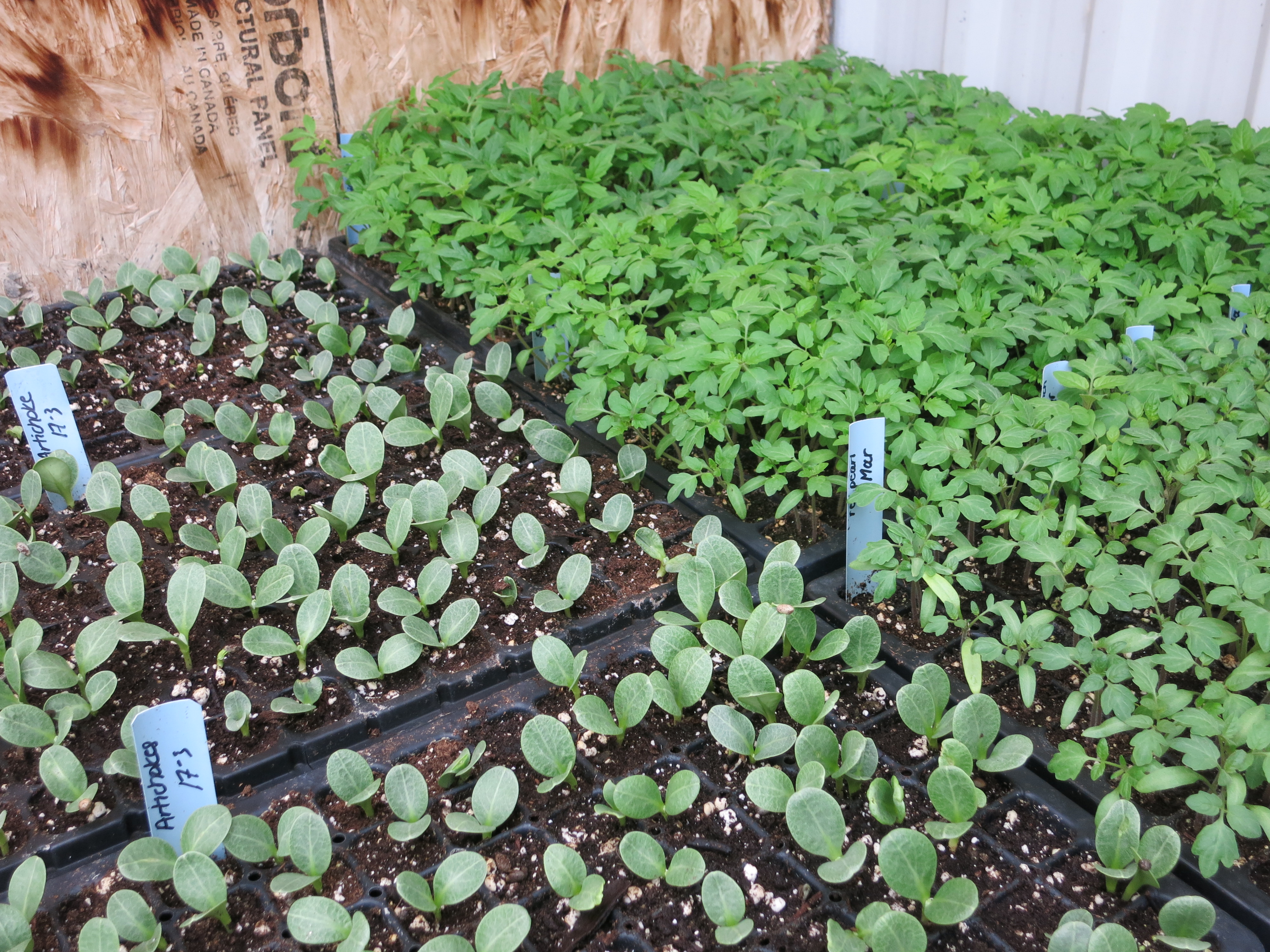
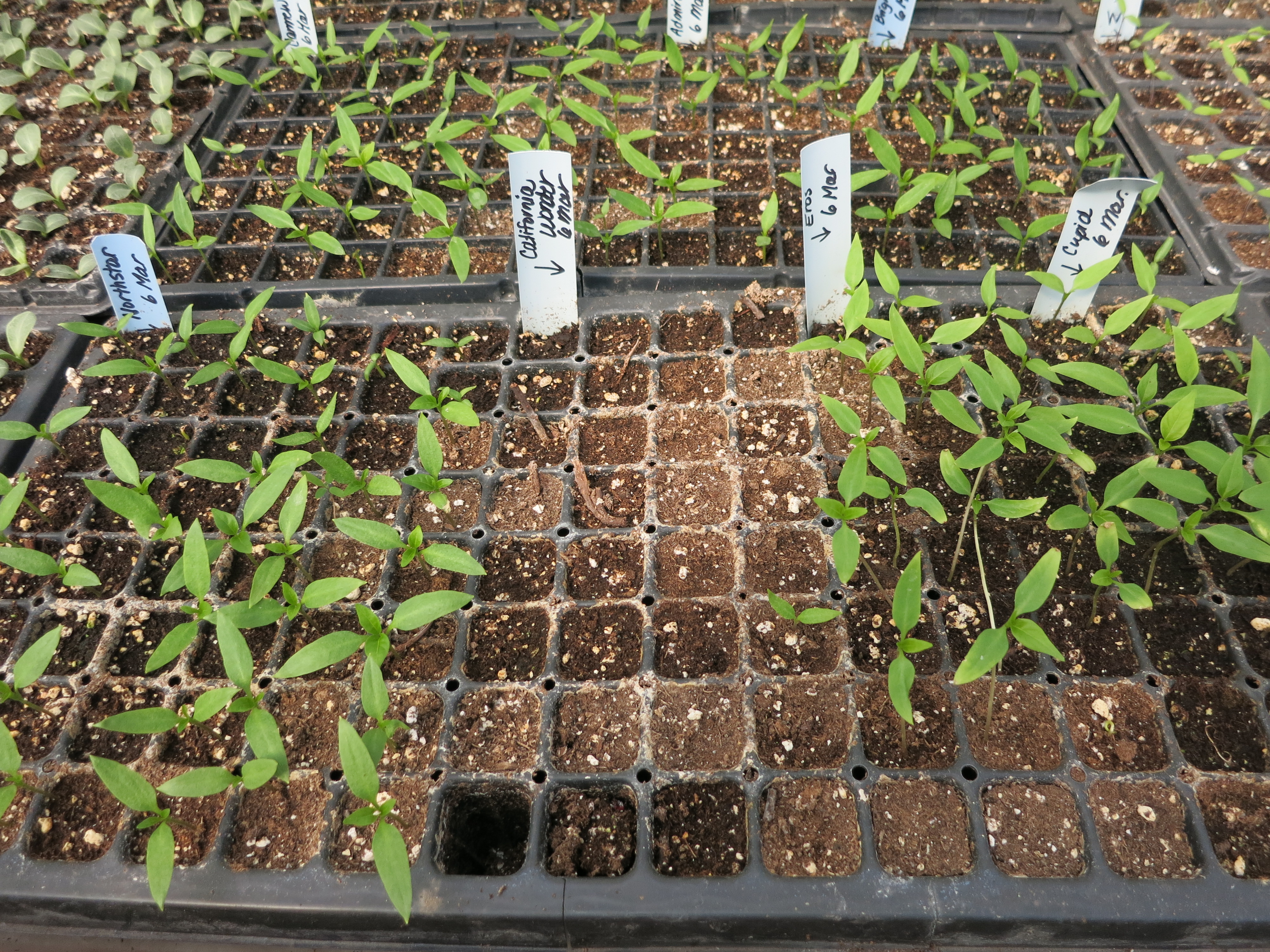
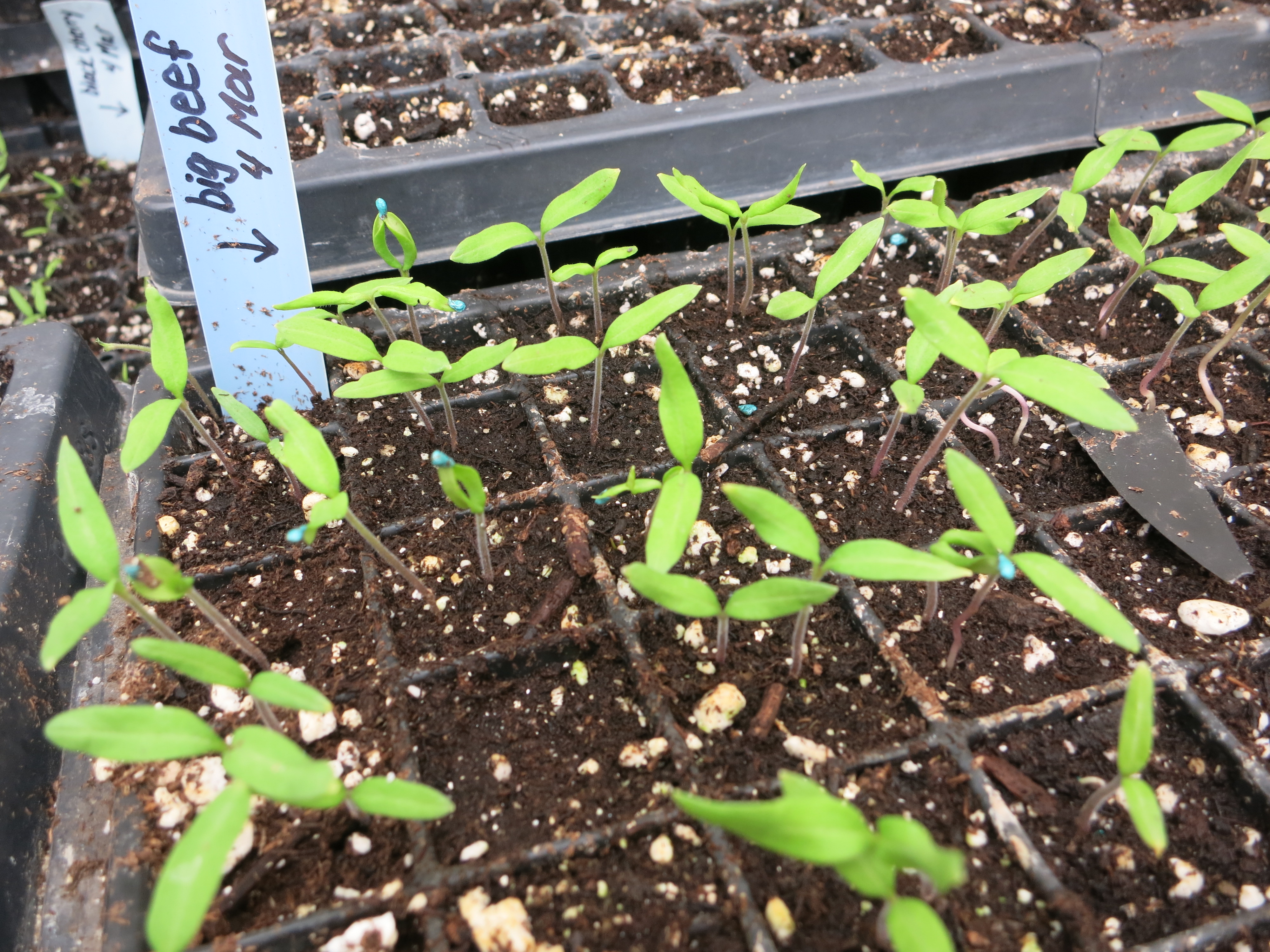
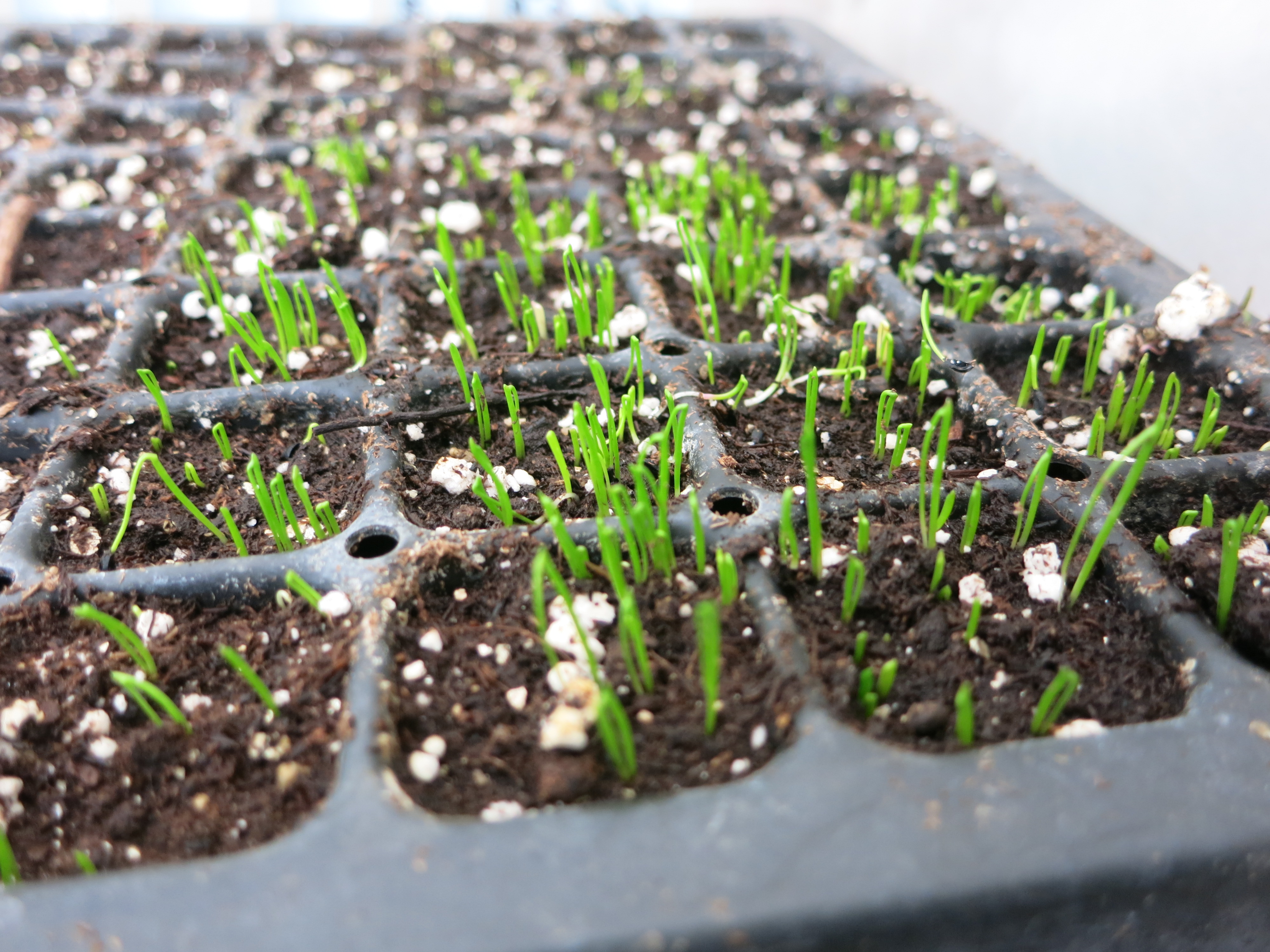
But it is spring in the greenhouse! We have done a lot of seeding already – onions, tomatoes, sweet peppers, hot peppers, various herbs & eggplant.

The colder temperatures of the past few days are making life difficult for these tender seedlings. Our low-tech germination set-up relies mostly on the sun & warm outdoor temperatures to keep things going. (check out last spring’s blog post for all the details on how we start our seeds – https://thiessenfarms.com/2016/03/23/growing-seeds). I’ve got the wood stove in the shop going full blast to help keep it & the greenhouse warmer.

If we awaken tomorrow to a white, winter wonderland, the greenhouse will feel even more welcoming & exciting! There’s nothing so good as stepping into the warmth and seeing the bright green seedlings and smelling the humid air & the tender shoots. Every day something new has germinated & poked through the soil. Every day the seedlings are growing and adding leaves …

________

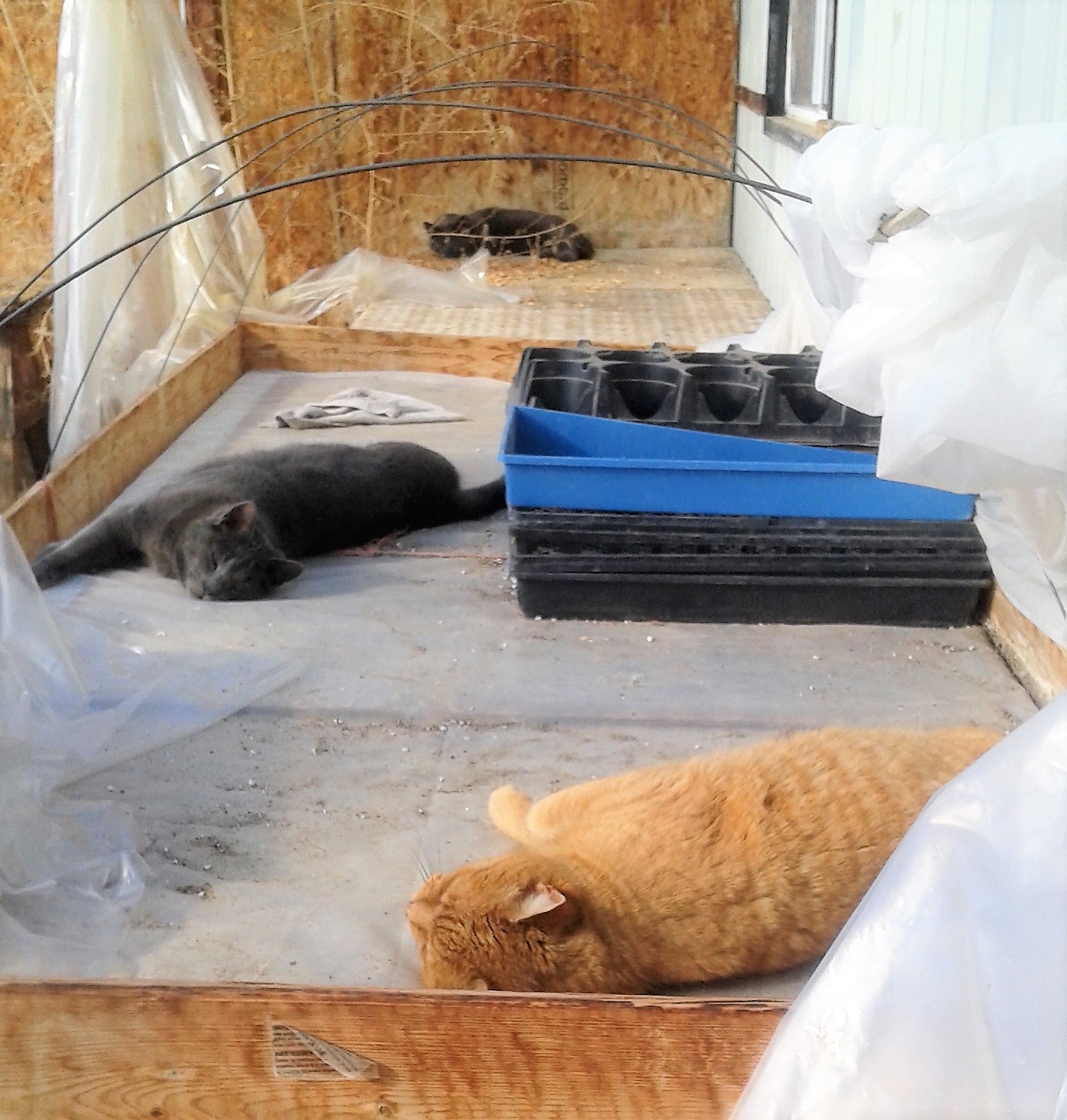
Throughout the winter the greenhouse was the cats’ domain and they made full use of it …

Now that it is being used for it’s intended purpose the 2 grey ones have been expelled for unacceptable behaviour – ripping the plastic.

Oliver is still allowed in … so far!


9 Comments

Happy 70th! (or 69?)

Canada turns 150 this year & the celebrations are ramping up.

Thiessen Farms is also celebrating! It’s our 70th birthday … maybe?

I always thought my father purchased the farm in 1947, but a check at the land registry office seems to indicate it was 1948. But I’m not totally sure. And whether it’s been 69 or 70 years really doesn’t matter.

My father bought the farm through the Veterans’ Land Act, a program that helped World War Two servicemen buy farms & get established by offering low-interest loans. There were several farms available in our neighbourhood through the VLA and my  father chose this one for its excellent soil and the fact there was no house on it, which made it less expensive. Still single he lived at home with his parents who farmed on the next road over. The farm was an open 15 acres that had been owned by the E.D. Smith Co. who had a nursery on the property growing mostly roses.

Dad began his farming career growing tomatoes and working in construction. As money became available he planted fruit trees & built a barn. When he married my mother a few years later, he moved a small 1 room shack (my mother’s words) to the farm for them to live in.

img_8934

With the arrival of 3 children, a larger house was required and my father built the house that Lorie & I presently live in. The small barn was expanded several times, then eventually torn down and replaced in the 1980’s.

img_8936

After a few years the farm was entirely planted out to fruit trees – peaches mostly, and pears, sweet & sour cherries, plums, and later nectarines & apricots too. As they were able, my parents bought more land & expanded the farm.

I joined them on the farm in 1979, and we grew to 44 acres of orchards. Our fruit was sold to the local co-op, processing facilities and to several fruit stand owners & marketers in the Hamilton area.

Lorie & I purchased the farm from my parents in 1988 and we started selling at farmers’ markets mostly in the Toronto area. We enjoyed meeting the people who were eating our fruit & the increased profit that retailing our fruit provided. The more markets we attended, the less fruit we wholesaled & the less acreage we needed to make a living. After 1 crazy year when we did 6 markets a week, we settled into a more reasonable routine of 4 markets a week for a number of years. To offer more selection & lengthen the marketing season we grew vegetables, raspberries & blackberries along with the tree fruit.

Eight years ago we decided to start a CSA – community supported agriculture program. Customers purchased a share of our crop before the season began and then came to the farm every week throughout the summer to claim their box of freshly harvested produce. This meant growing yet more vegetables to give our members enough of a selection to satisfy their needs & wants. Having both vegetables & fruit made our CSA attractive & our numbers grew each season. We were able to drop 1 farmers’ market and then another and spend more time on the farm.

Our daughter Amy joined us a few years ago, becoming the 3rd generation to farm on this land and bringing her own energy, ideas & goals to the operation.

The next big change – a huge change – came in the fall of 2015 when we removed all our fruit trees and became a vegetable only farm. We dropped our acreage back down to 15 acres.

In essence we have returned to where my father started 70 years ago – 15 acres of open ground. After a lifetime of growing trees, I love the impermanence of vegetables. Each season is a blank slate, a chance to begin again, an opportunity to do better.

This season we will again be vendors at 2 farmers’ markets – North York in Toronto and downtown Georgetown, just west of the city. Two days a week our CSA members will be stopping by the farm to pick up their weekly share of produce. Many take the time to check on the chickens and play with the cats. We love knowing where our vegetables are going and who is eating them. Immediate response – whether positive or negative  – to our produce helps us to change & improve. Growing a wide variety of vegetables not only keeps things interesting, but spreads the risk. If something succumbs to disease, insects or weather, it’s not tragic. Another planting or another crop will likely succeed and the season continues.

img_7959img_7353img_7528img_7527img_7289img_7691img_7909img_7673img_7672img_7677img_7375-1img_8065

Thiessen Farms has been around for 70 (or at least 69 years). Our intention is to be around & growing tasty, healthy, quality vegetables, herbs & berries for a long while.

If we celebrate with a party  – we’ll let you know!


2 Comments

Crop planning & choosing seeds


brads-atomic-grape

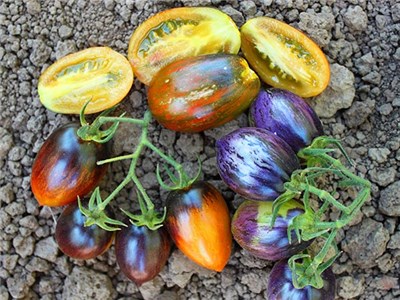
Brad’s Atomic Grape Tomato

“Elongated cherries in clusters. The color (and flavor!) is a full-blown assault on the senses – lavender and purple stripes when immature, turning to technicolor olive-green, red, and brown/blue stripes when fully ripe. Really wild! … this amazing variety a good candidate for market growers …” (from http://www.rareseeds.com)

When we saw this new tomato in a seed catalogue it immediately became a must grow variety for Thiessen Farms in 2017. It looks & sounds amazing!

And when we found seed for the hottest-of-hot peppers – Ghost, Carolina Reaper & Trinidad Scorpion – there was no doubt that they would be on the list too, along with Glass Gem corn, Superschmelz kohlrabi and Golden Wa Wa cabbage.

I’ll admit it. We’re suckers for a cool sounding name & a fancy description. That’s why our seed list has grown to more than 450 varieties of 60+ different vegetables & herbs. But it’s really a cheap thrill. For a few bucks we get to try something new. Sometimes it will turn out great & become a favourite. Other times it’s a disappointment & we never grow it again. But it’s always fun experimenting!

The first week in January is always seed ordering time. We pour over the seed catalogues devouring the particulars of all the vegetables, herbs & flowers, choosing the varieties we will grow in the upcoming season. The selection of seeds is overwhelming making it a delightful yet daunting task.

Here’s how we make our choices …

  • We know what we grew in previous years. We keep a master list – a spreadsheet that names each crop & variety we grew last season, the amount of seed we have on hand, the year purchased, the company it came from, and the number of days from seeding until harvest. This gives us someplace to start. When the seeds are ordered, all this data is updated & any new varieties are added and those we will not be growing are eliminated.
  • We keep good records – an awful lot of records. We have a chart where we record every seed we sow in the greenhouse – the date we seeded, the amount, the date the first seeds poked up through the soil, the date we transplanted them & how many, and a spot for random comments. We have more charts where we record everything that gets planted out in the fields – whether it is direct seeded or transplanted from the greenhouse, the variety, the amount, the date. Throughout the growing season we make written notes – both quick observations that we jotted down on the run and more formal evaluations of the different vegetables and how they grew, and produced, their yields, taste, plant health … Photographs are also very helpful for this & so easy to take with cellphones. We find these records invaluable & refer back to them often.
  • We look to our customers for information – what crops sold well & which ones did not, what caught the customers attention, what vegetables are they asking for … We have more charts. For each day at the farmers’ market we record what we brought, how much we sold, the prices & the weather for the day. There are similar charts for each CSA pick-up. These give us a clear picture of what to grow & how much based on actual sales.
  • What would be fun & interesting to grow! We always try to grow something new that we have not done before. Recent examples include kalettes (https://thiessenfarms.com/2016/12/12/kalettes-anyone/), caulifower (https://thiessenfarms.com/2016/01/24/cauliflower-is-big-news/), artichokes & fava beans. 

The seeds are arriving almost daily now, close to 500 packets of seeds – different sized envelopes, some paper, some foil, even a cloth bag or two, and at least one larger 25 pound sack (snow peas). Add in any leftover seeds from other years, various jars of seed that I saved myself, and we end up with well over 600 different containers of seeds.

That’s a lot of seed to deal with & to keep organized!

Proper storage is necessary to keep the seeds viable – cool & dry being the most important conditions. We keep the seeds in our workshop in small, plastic shoe boxes. A label on the lid notes what seeds are inside. These plastic boxes are then stored in larger plastic bins all with secure lids. This keeps them dry, clean & safe from curious animals (ie cats, or even mice – in case the cats are not doing their job!).

And there the seeds wait until it’s time to plant them.

img_8908-2

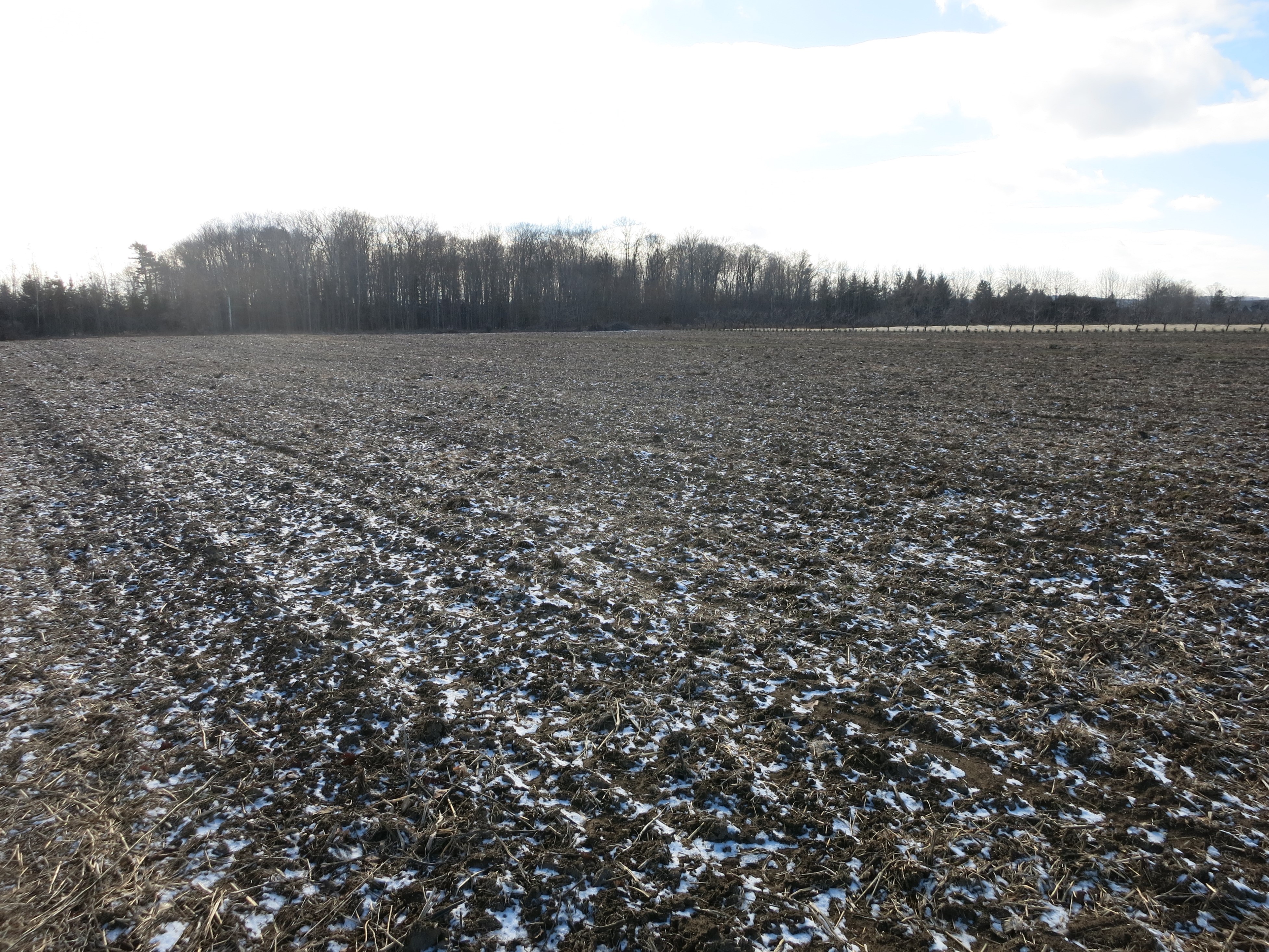
The fields are waiting too.