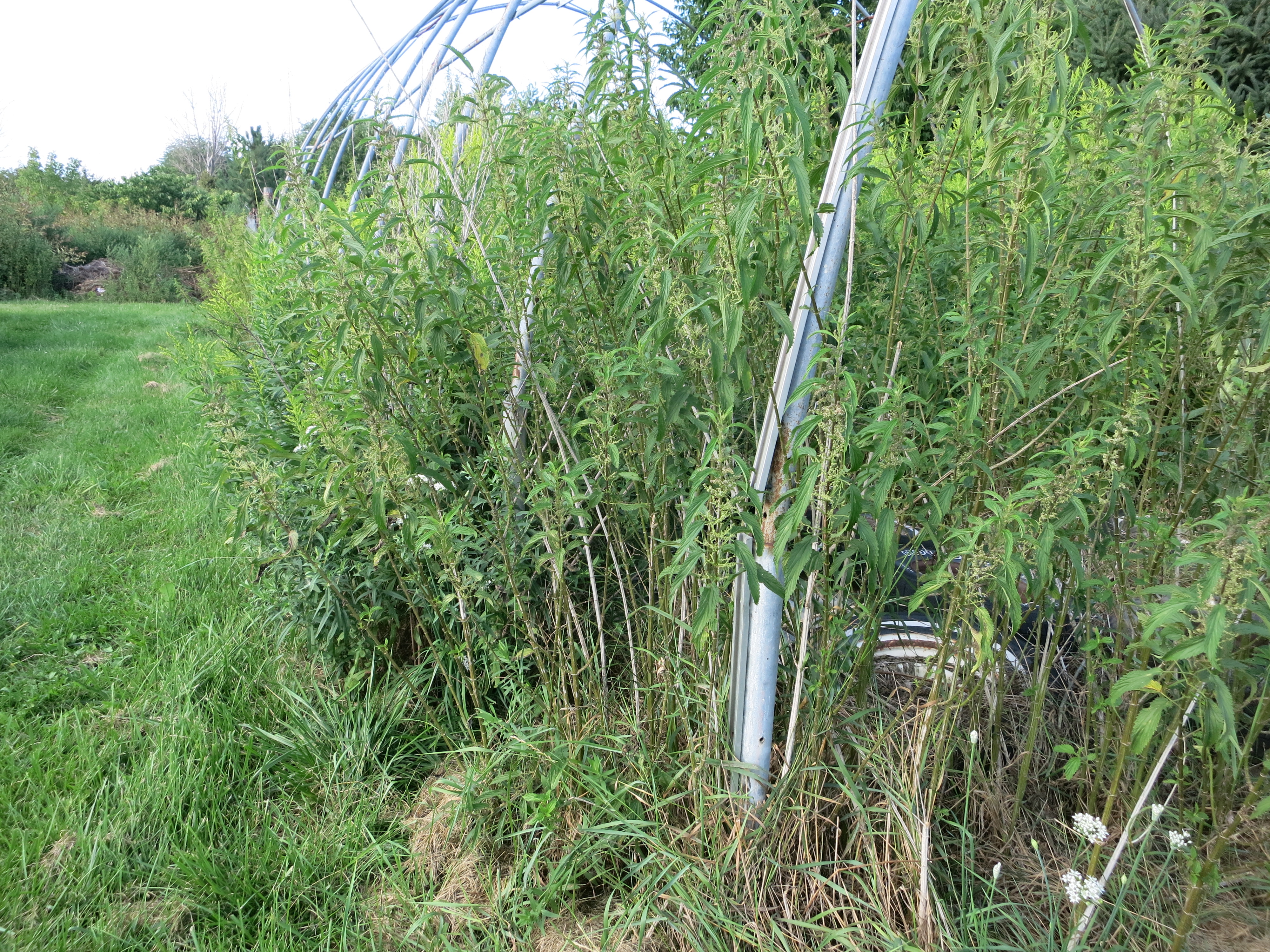
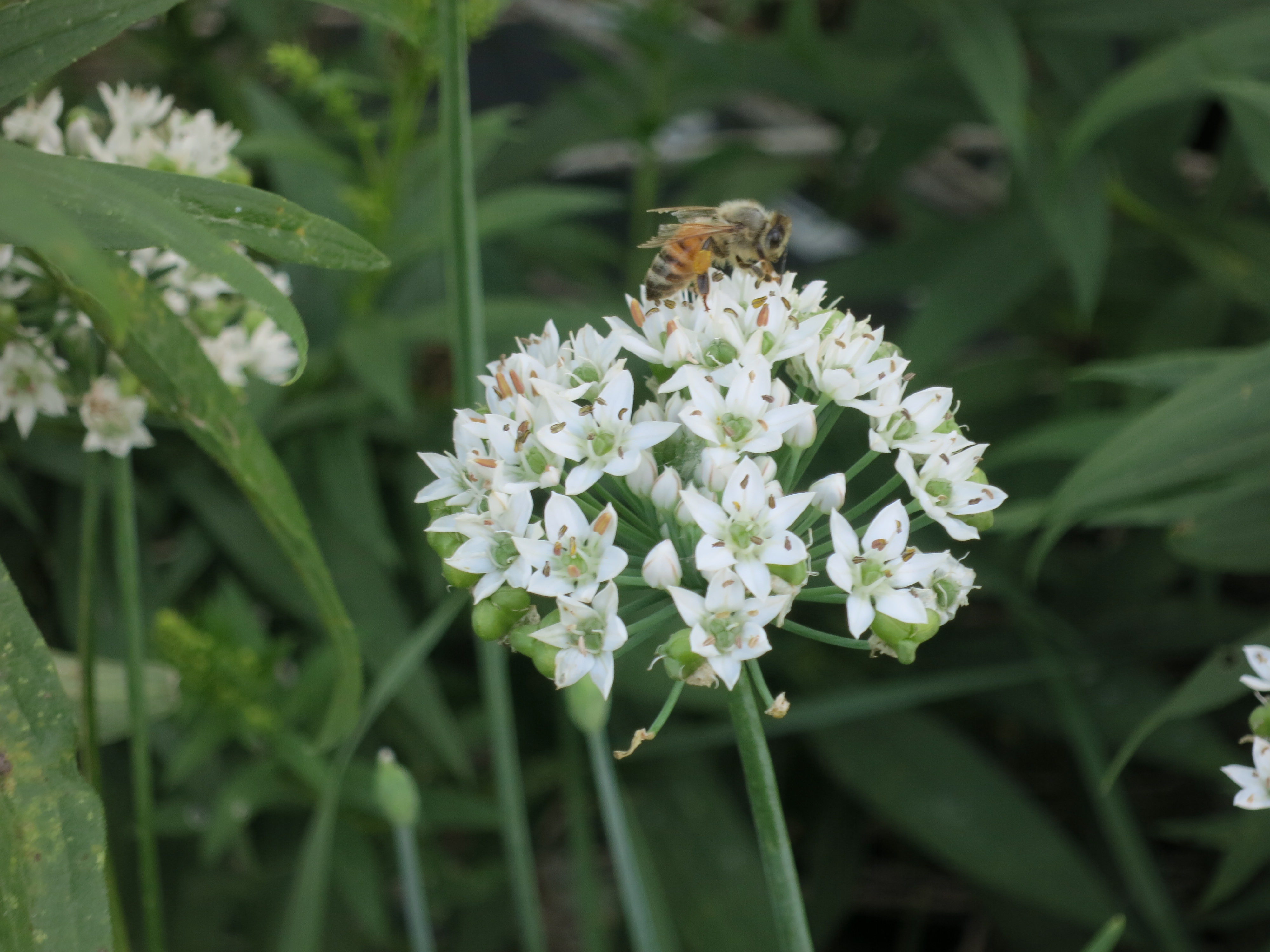
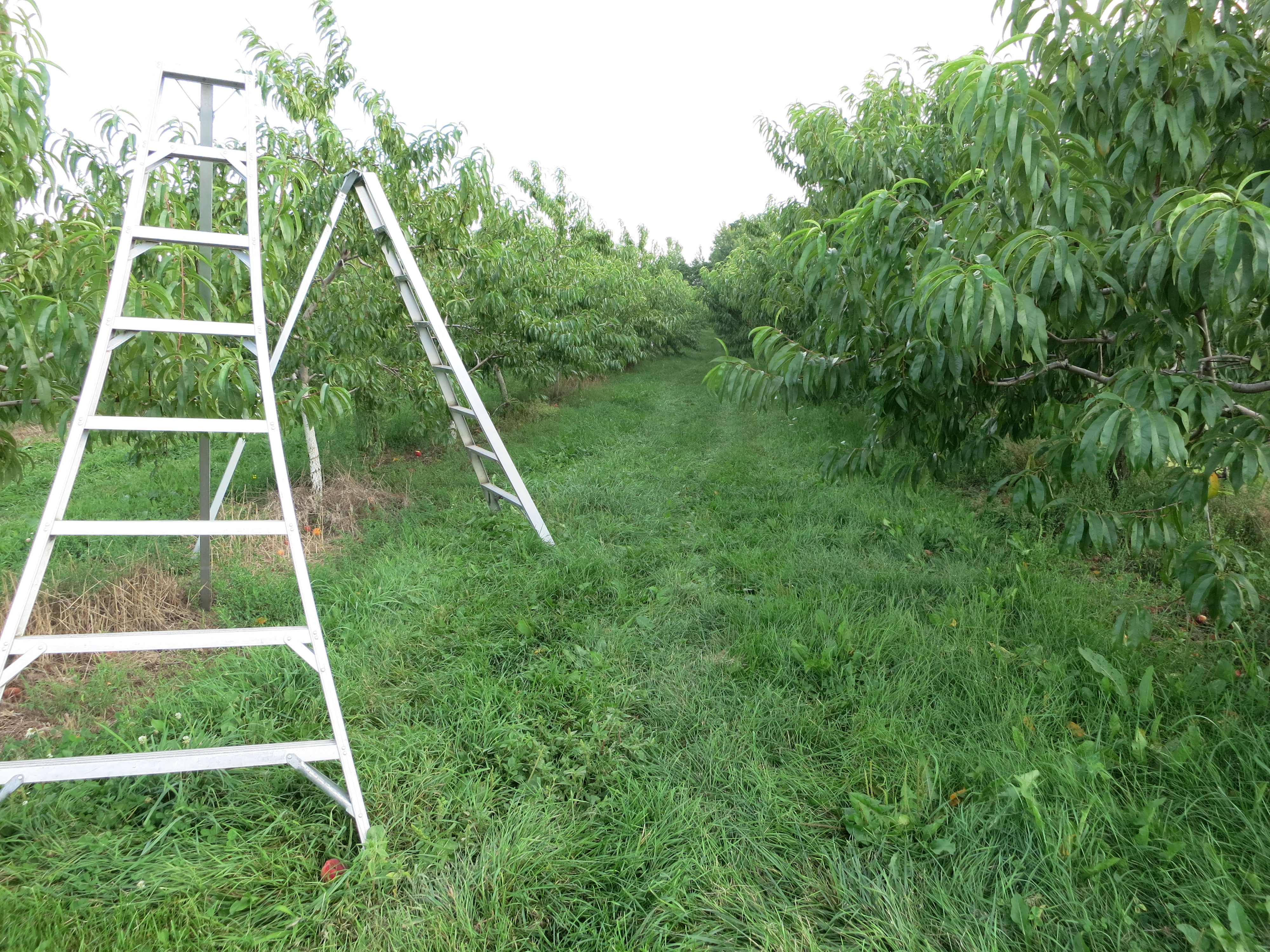
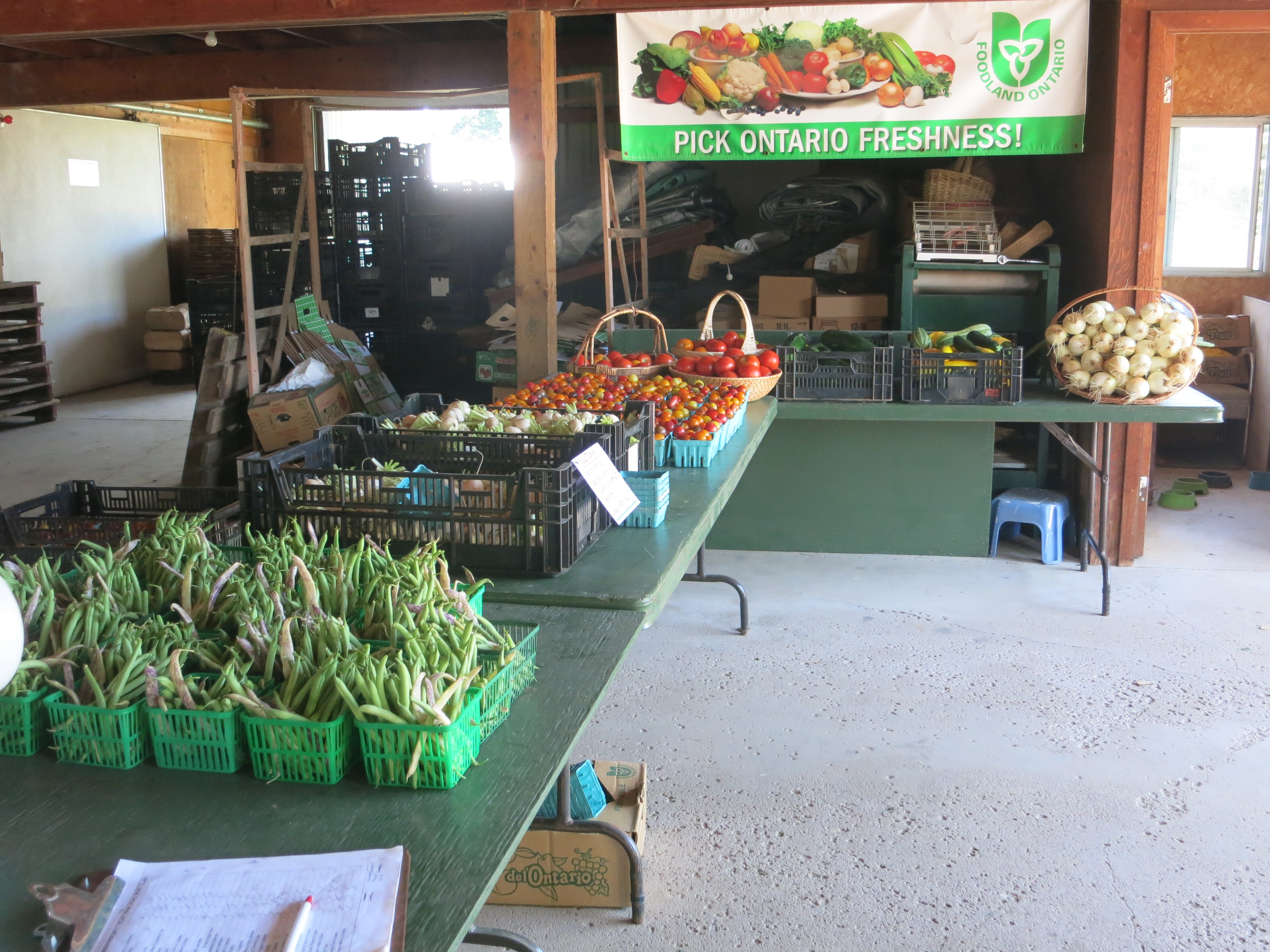
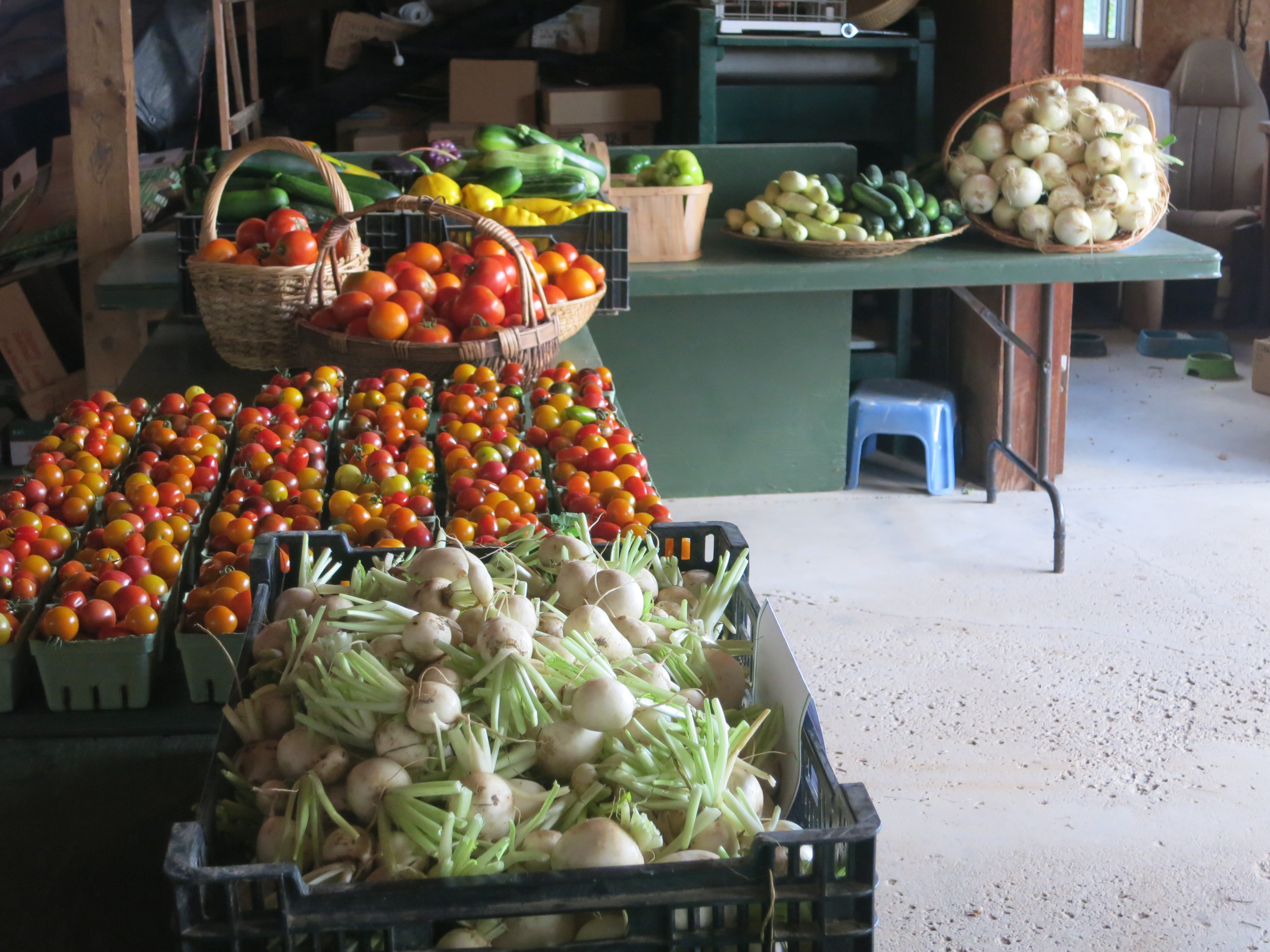
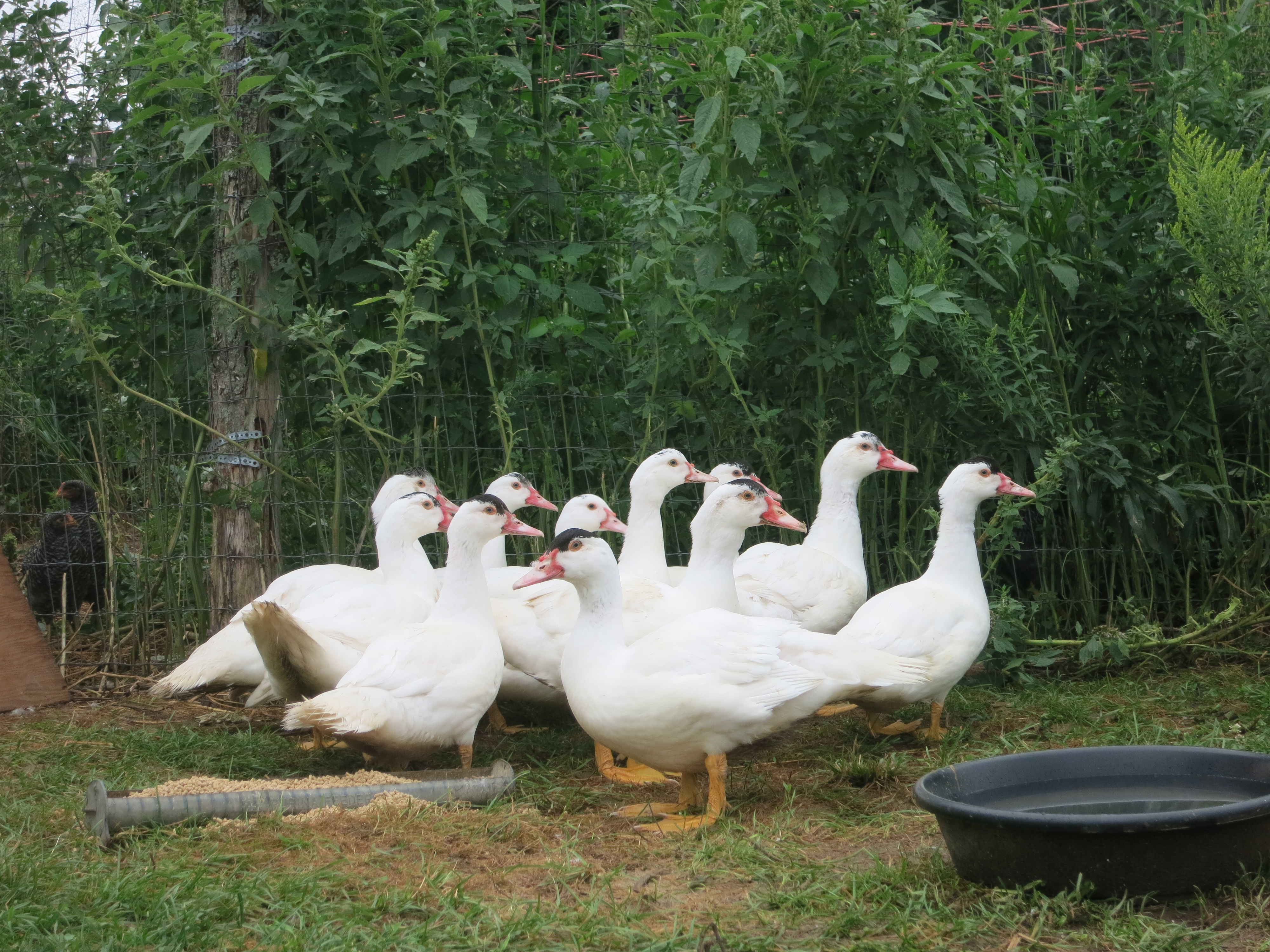
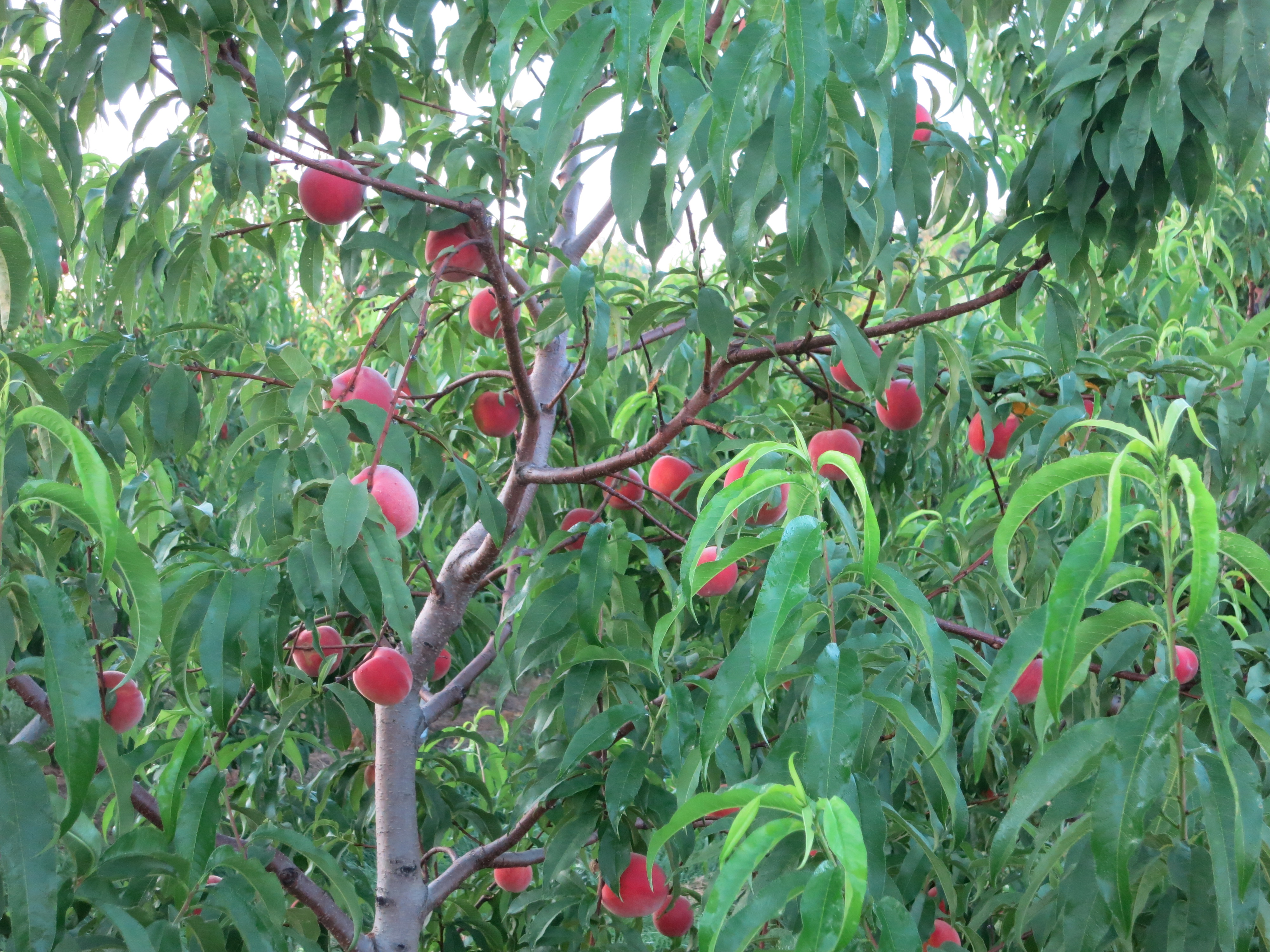
Keep updated on all that is happening around Thiessen Farms!


1 Comment

CSA 2015 – Week 16

The rain on the weekend was very welcome!

Things were quite dry on our farm, and the trees & vegetables were looking a bit weary after the heat of the previous weeks. However, 2 days of rain perked them up & freshened up the entire farm (including weeds).

026

But it certainly looks like fall here.

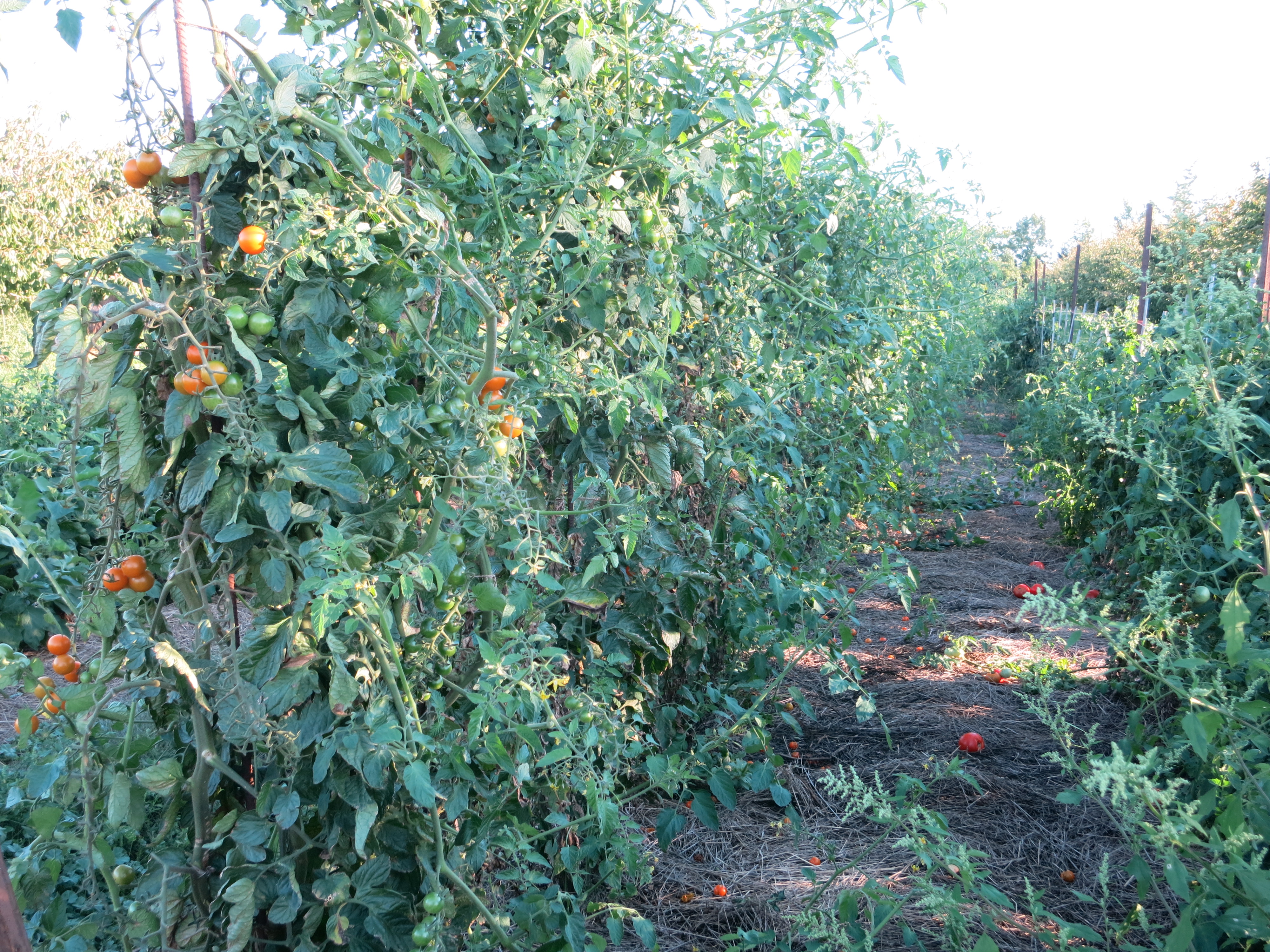
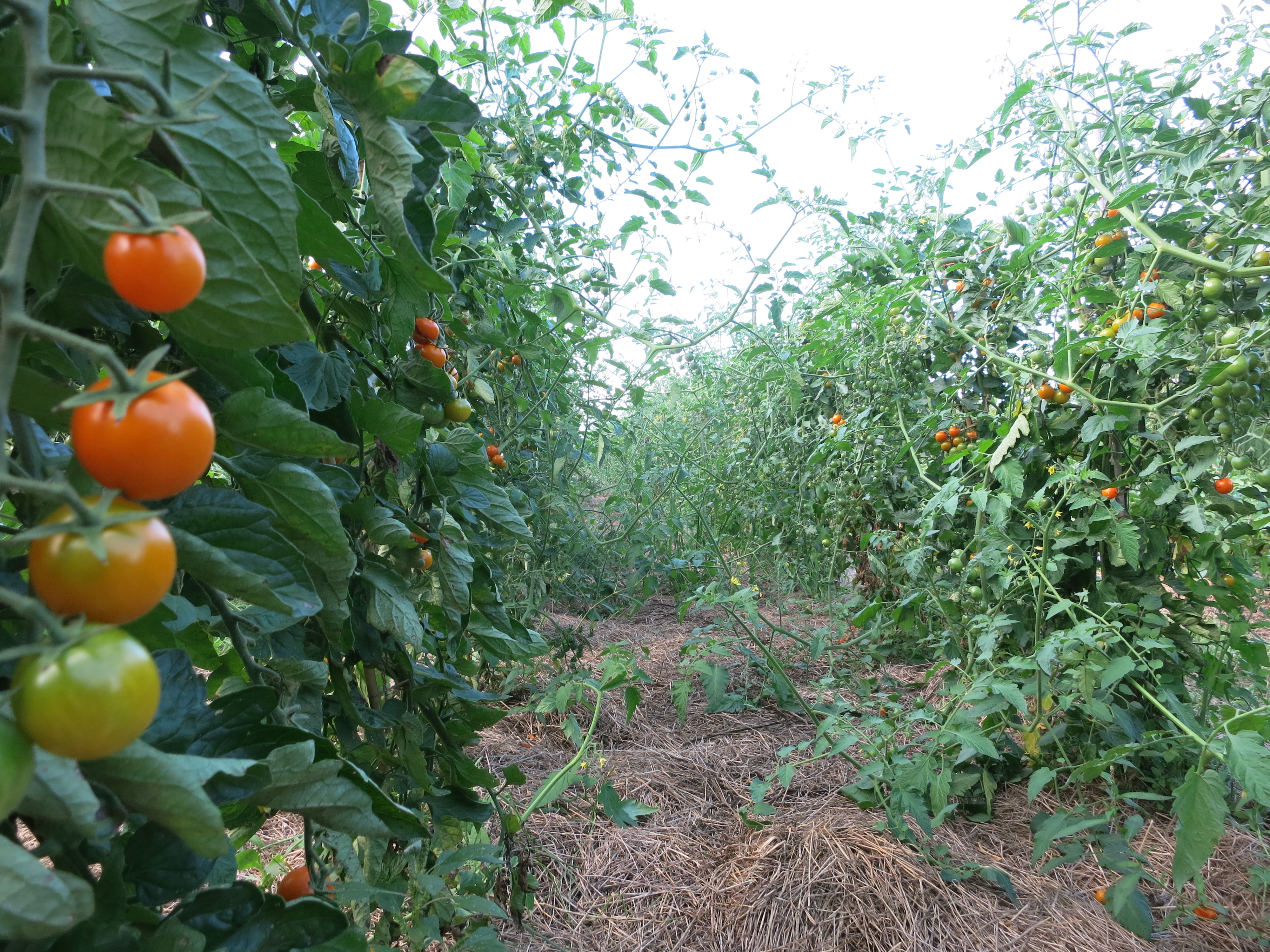
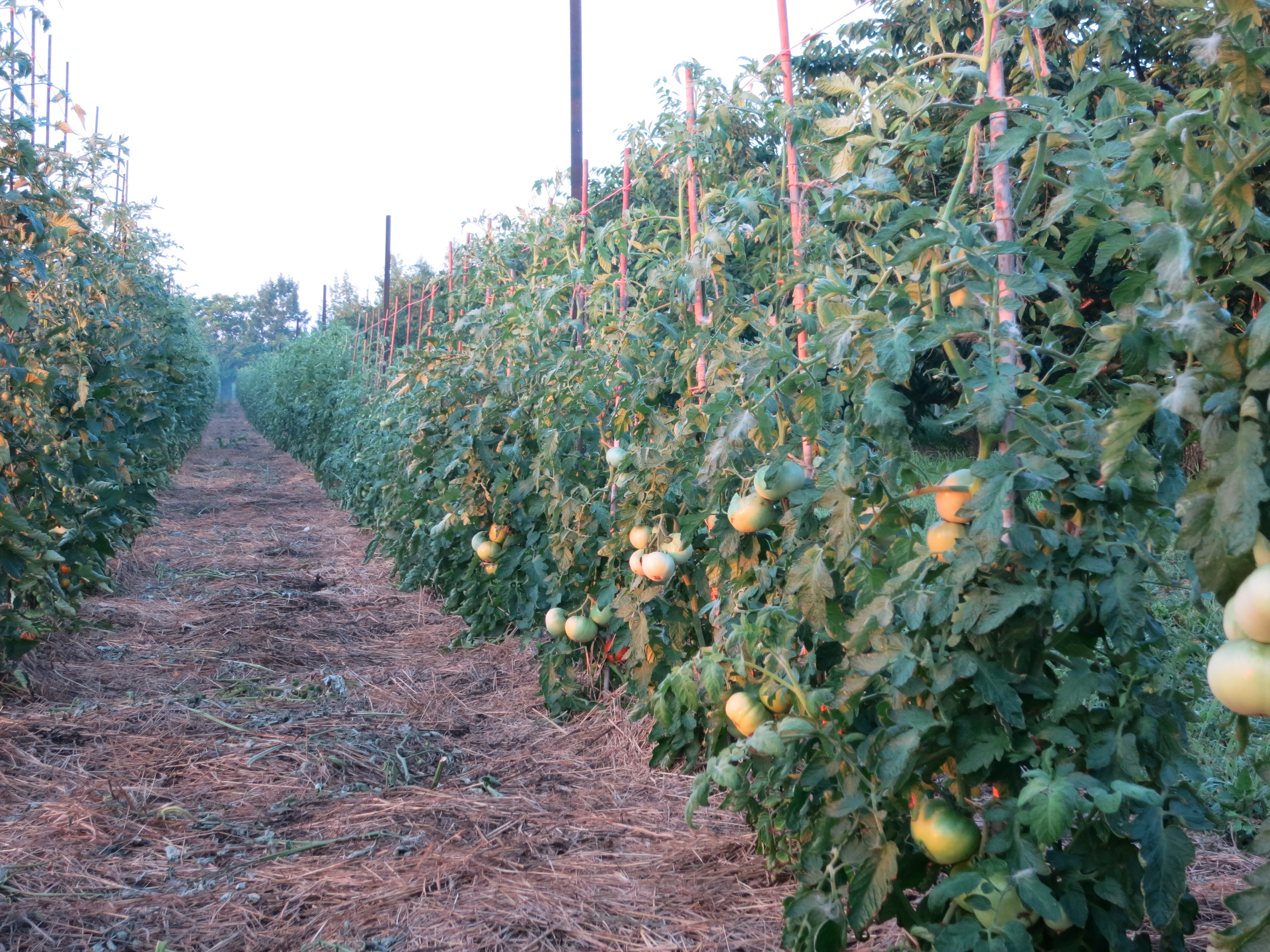
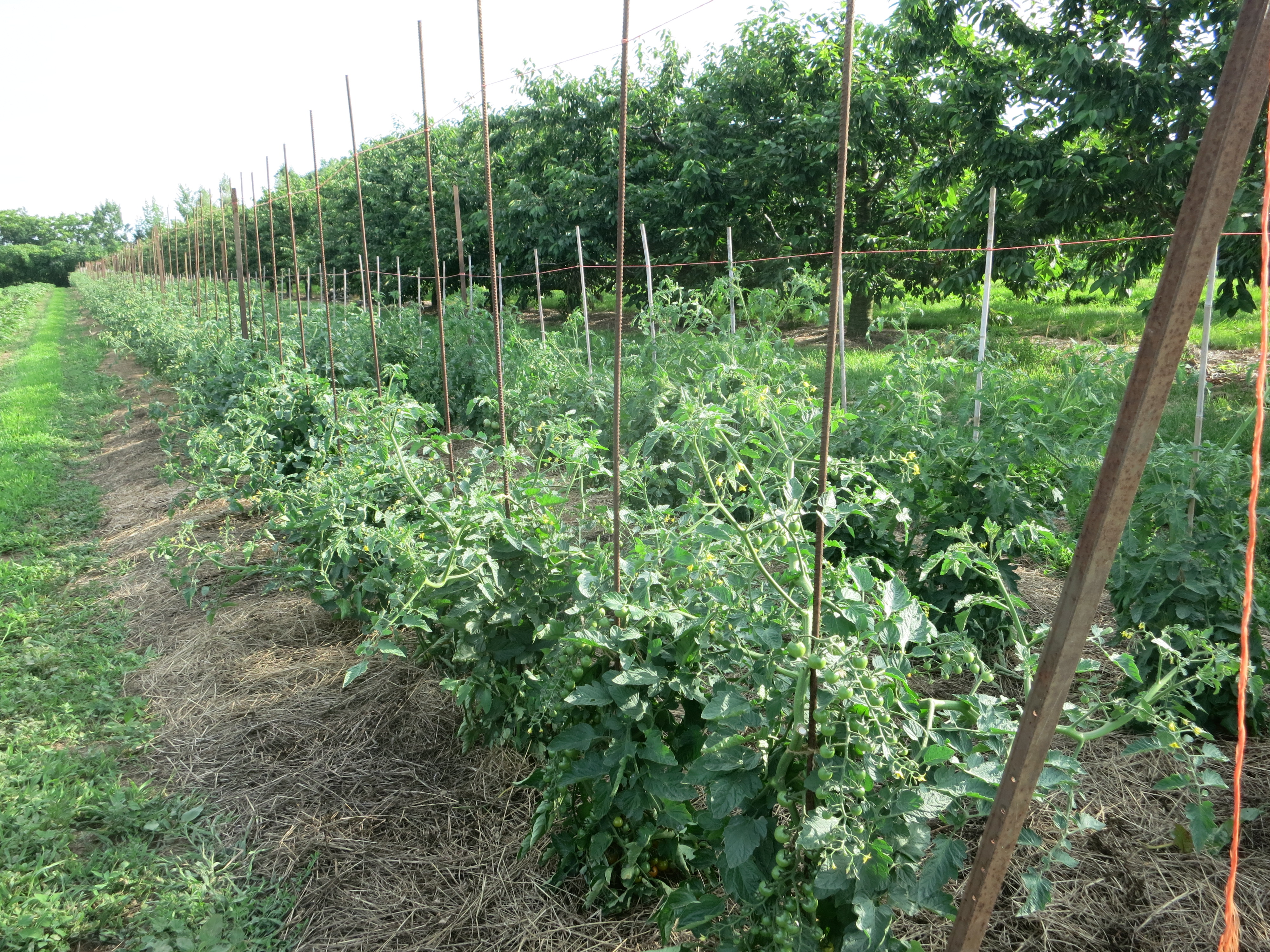
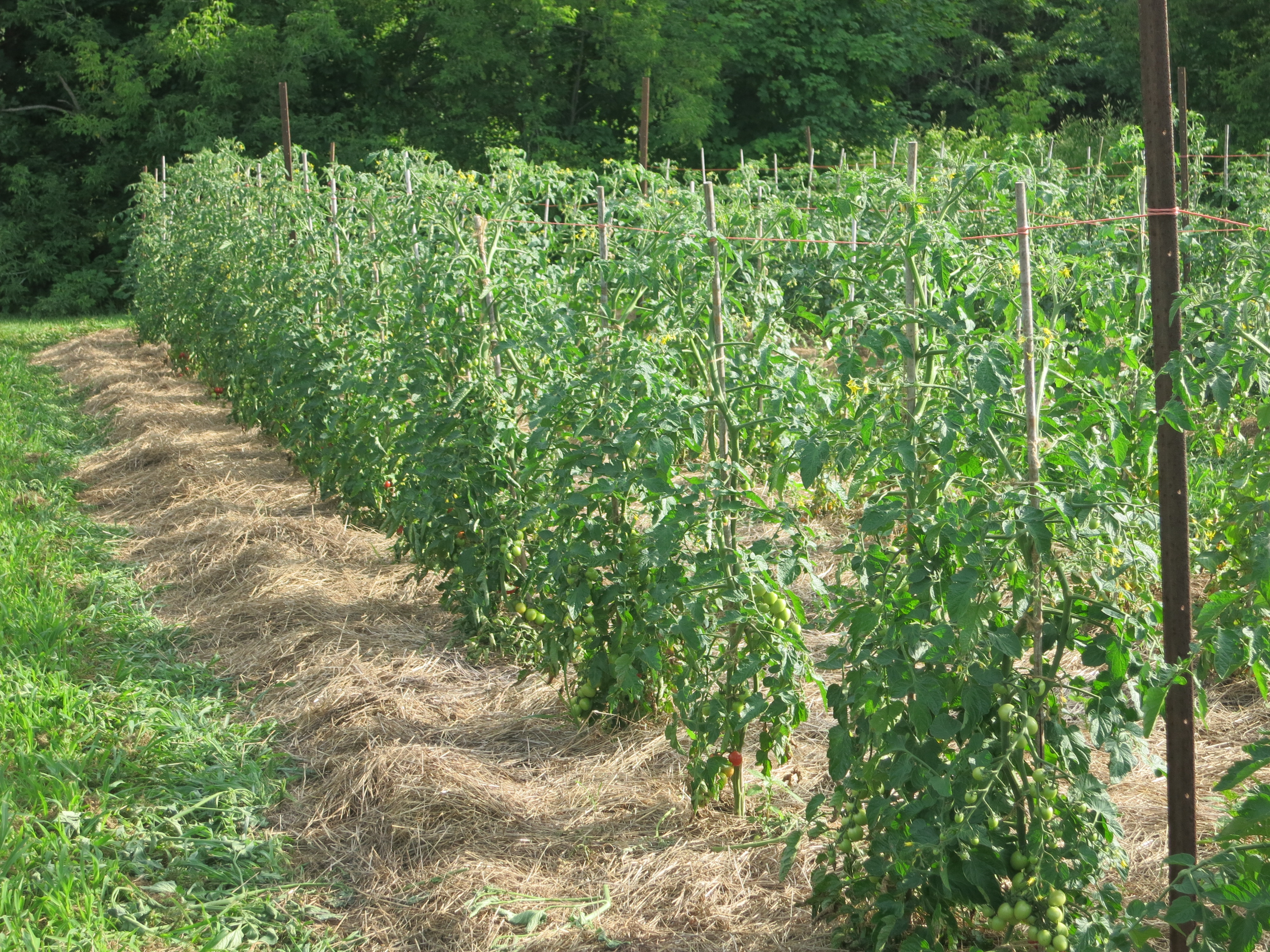
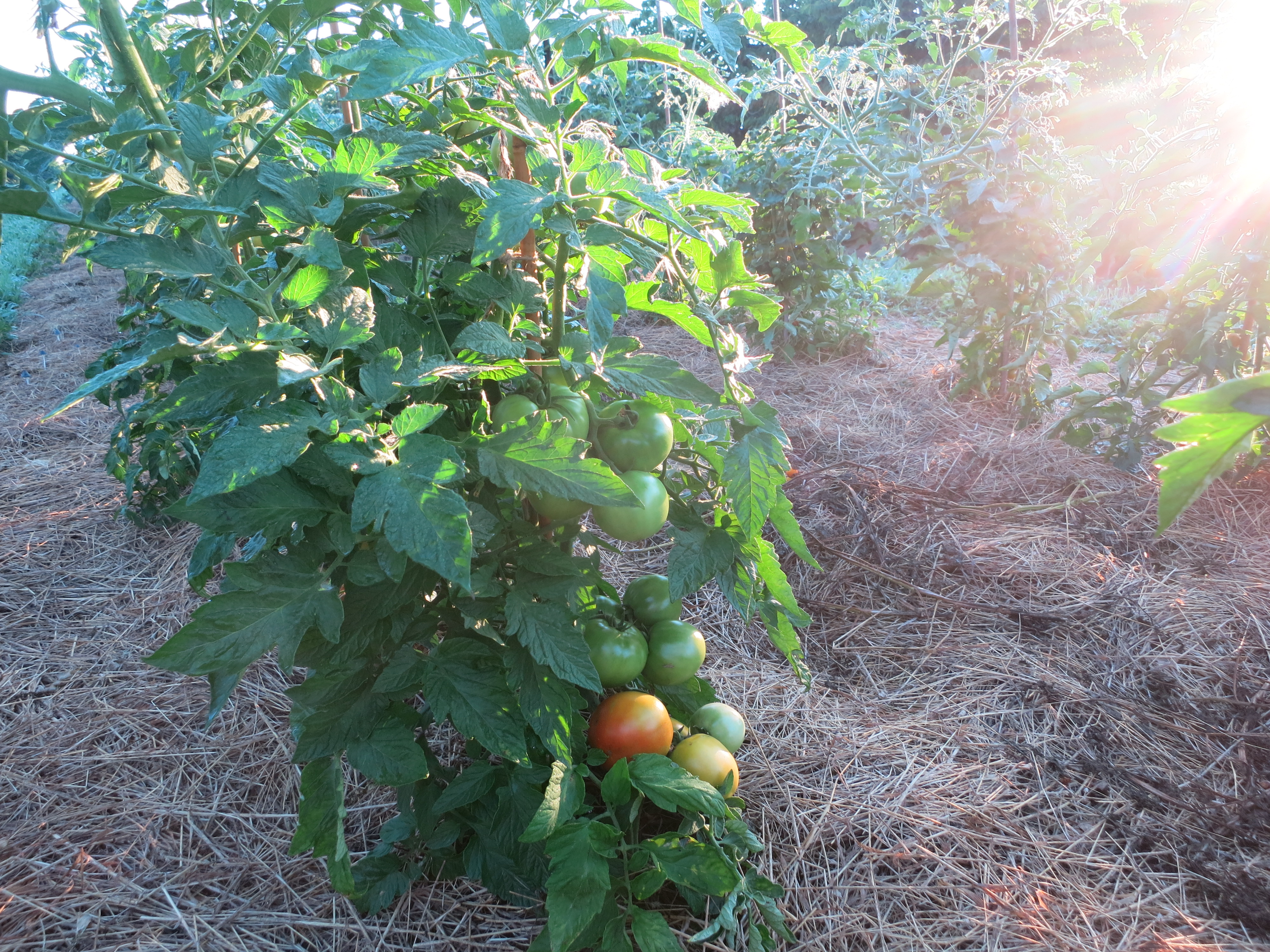
Many of our tomatoes – especially the heirlooms – are brown & dying back. Other, like these cherry tomatoes are growing wild & unruly and still pumping out the fruit.

027

046

025

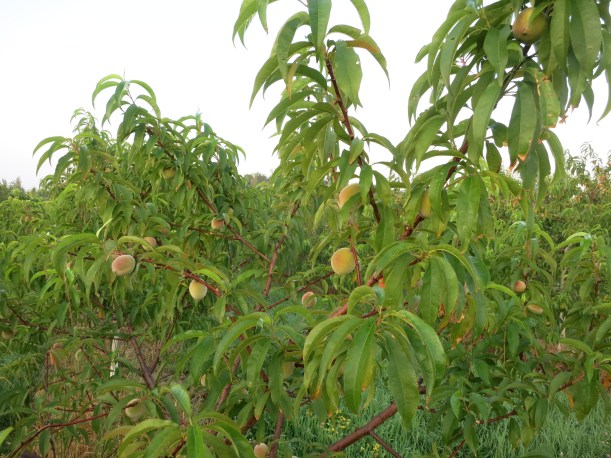
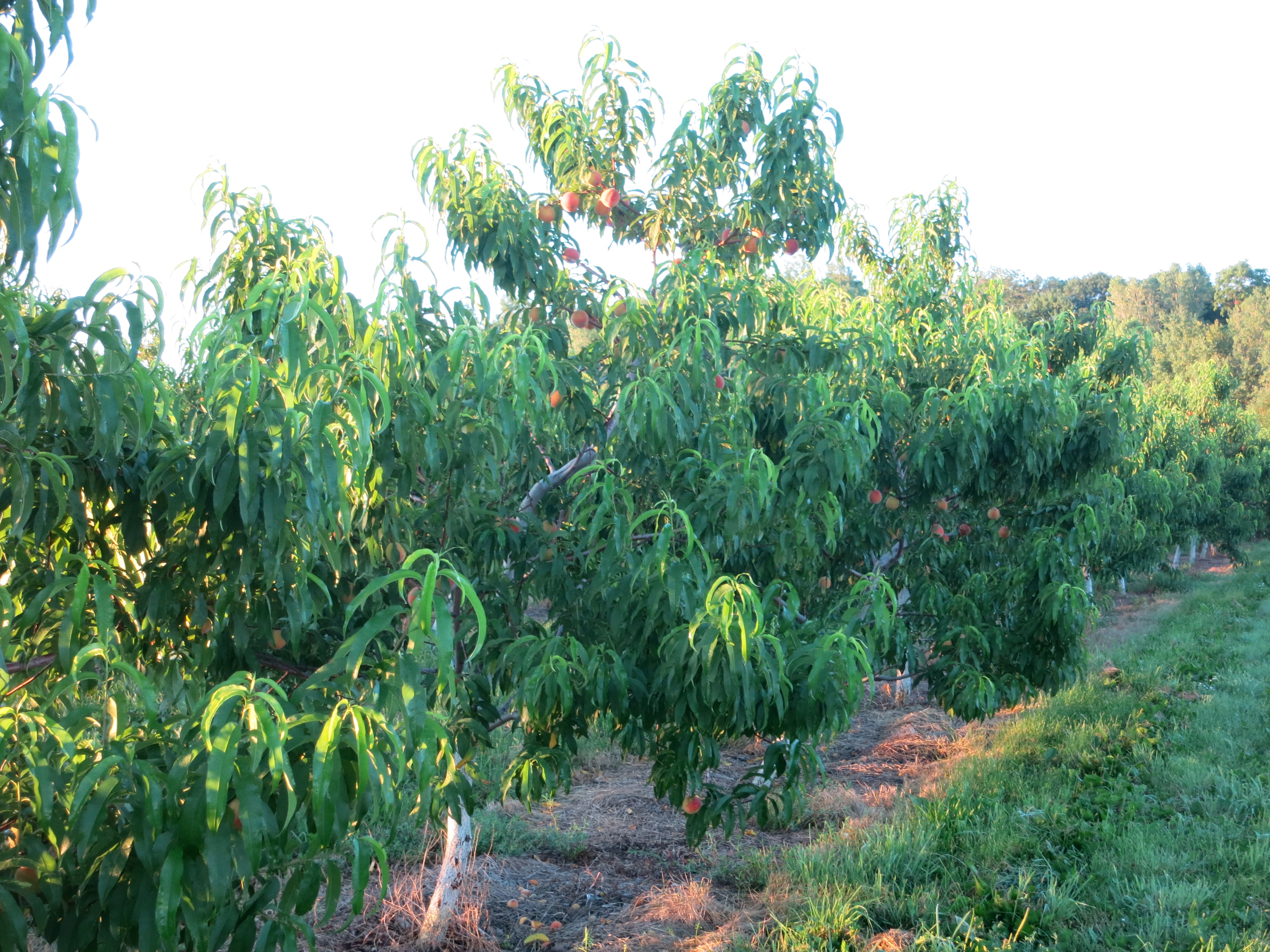
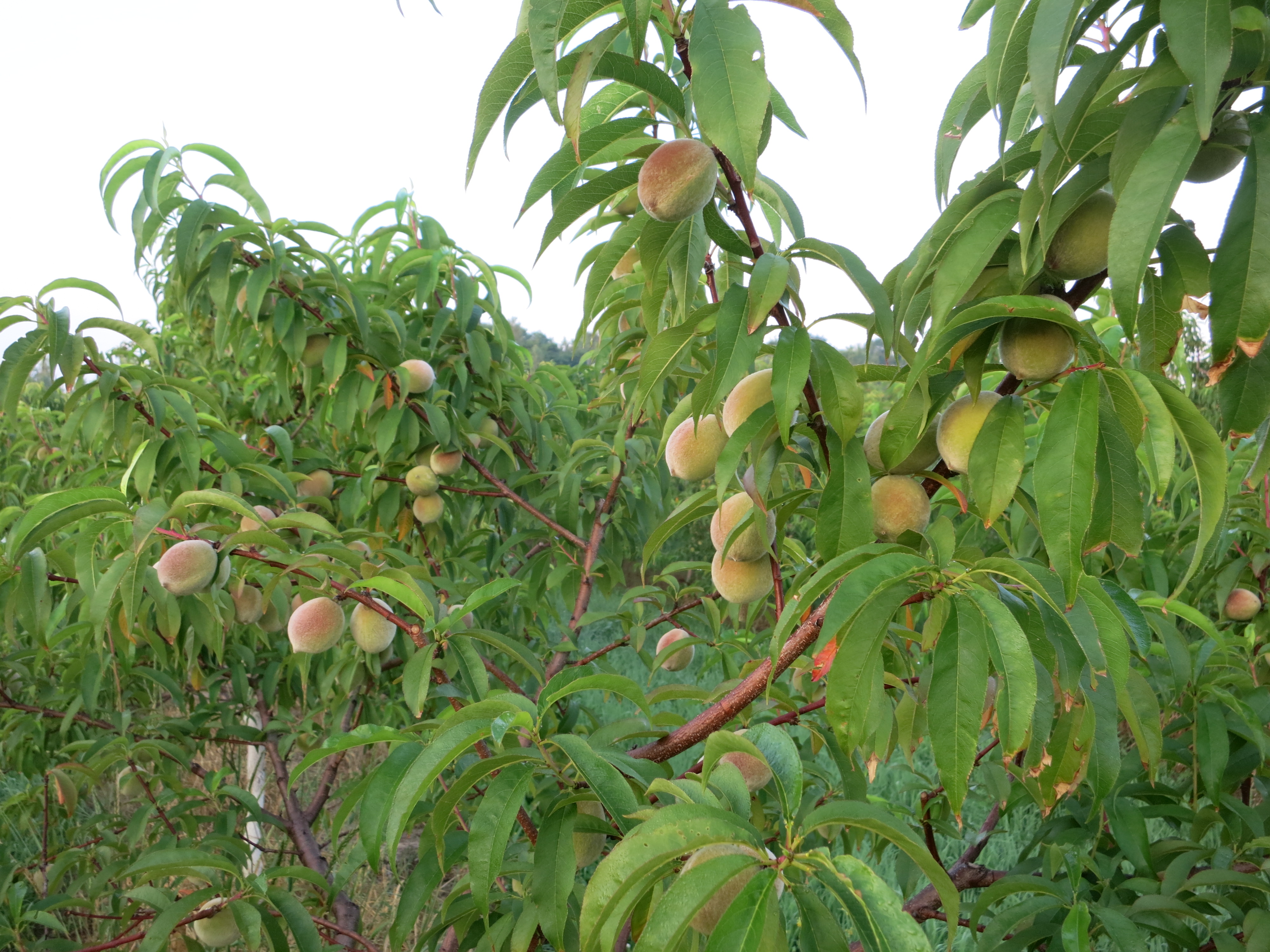
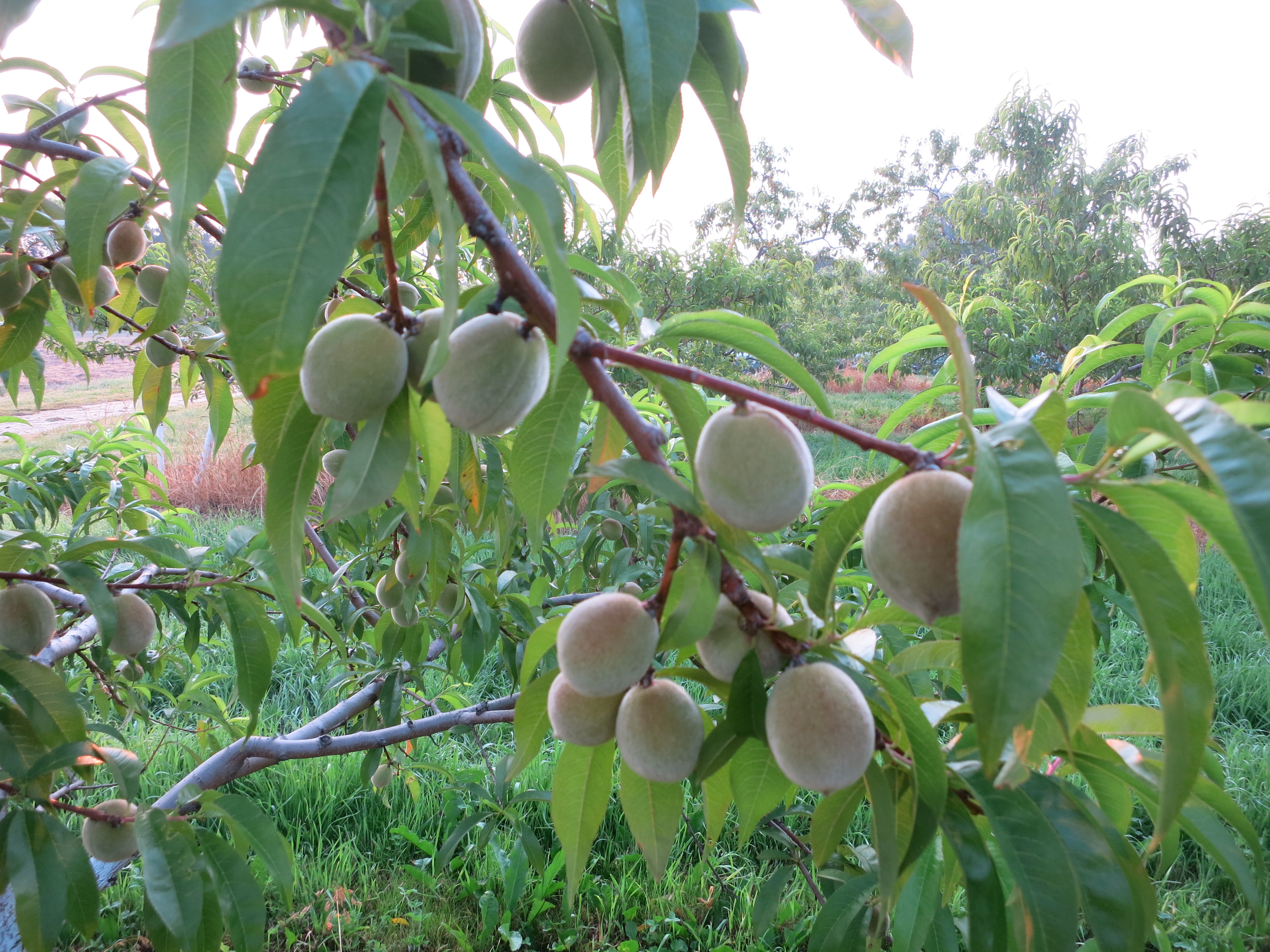
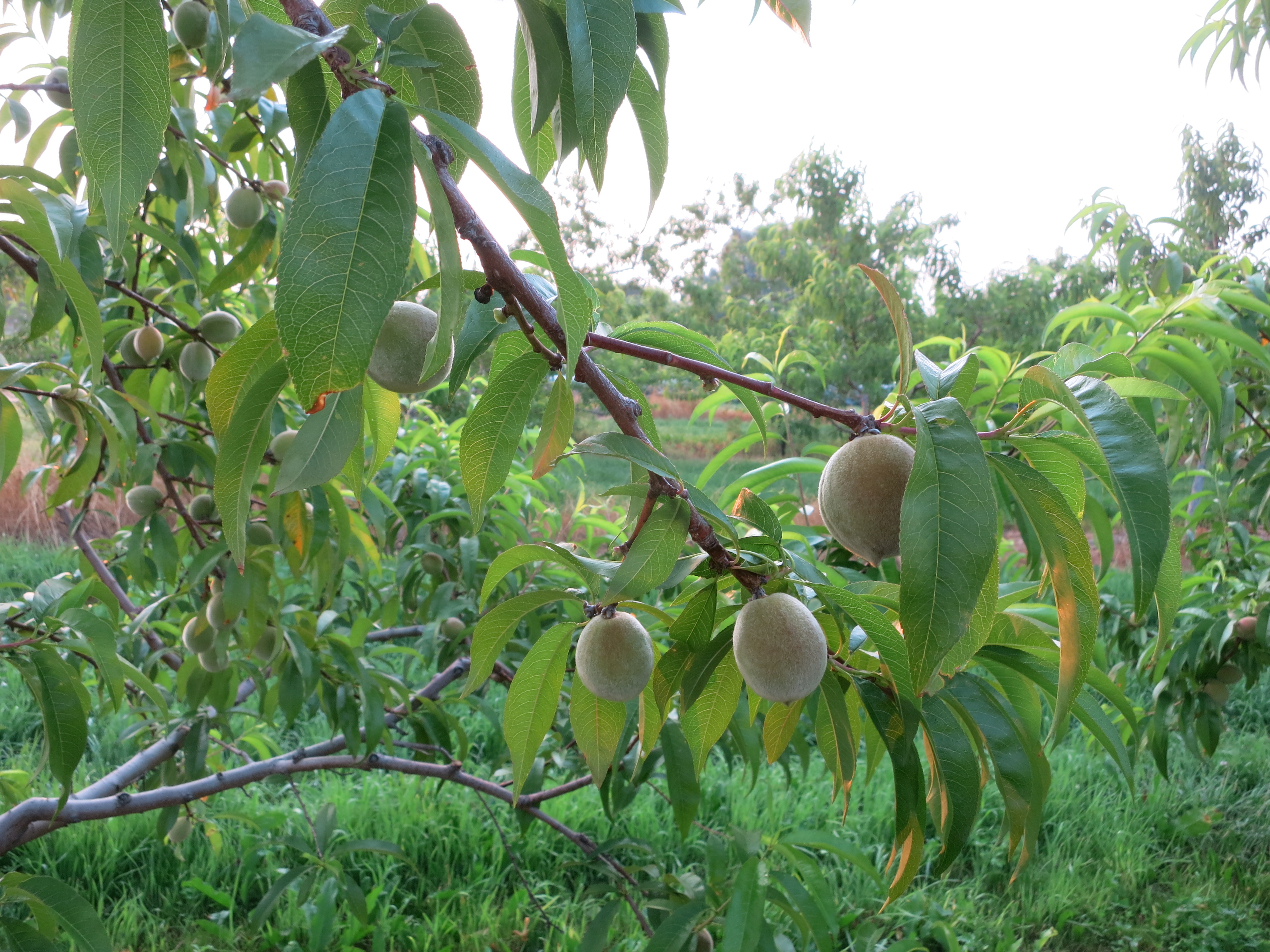
There is only 1 row of peaches yet to be harvested.

031

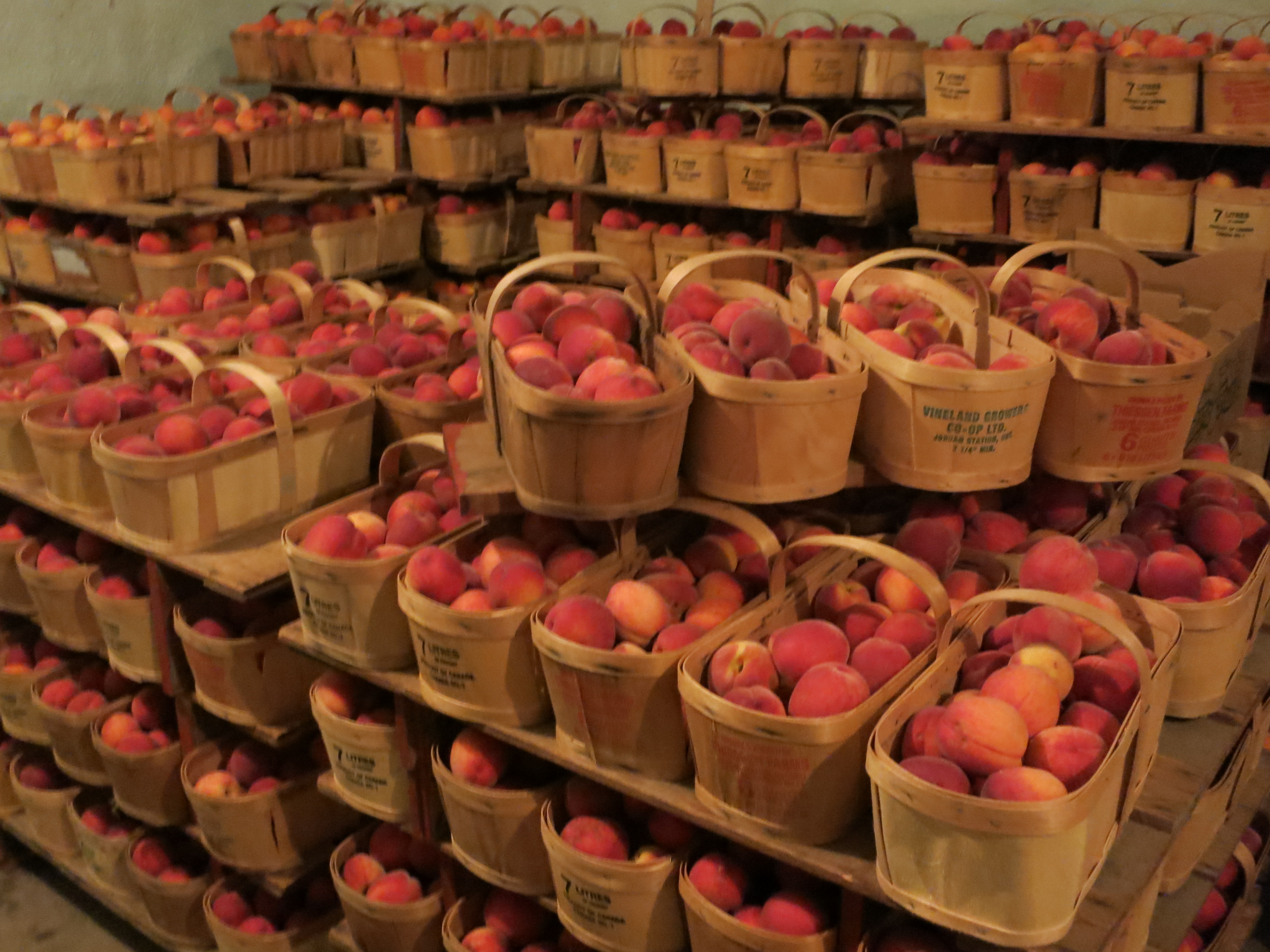
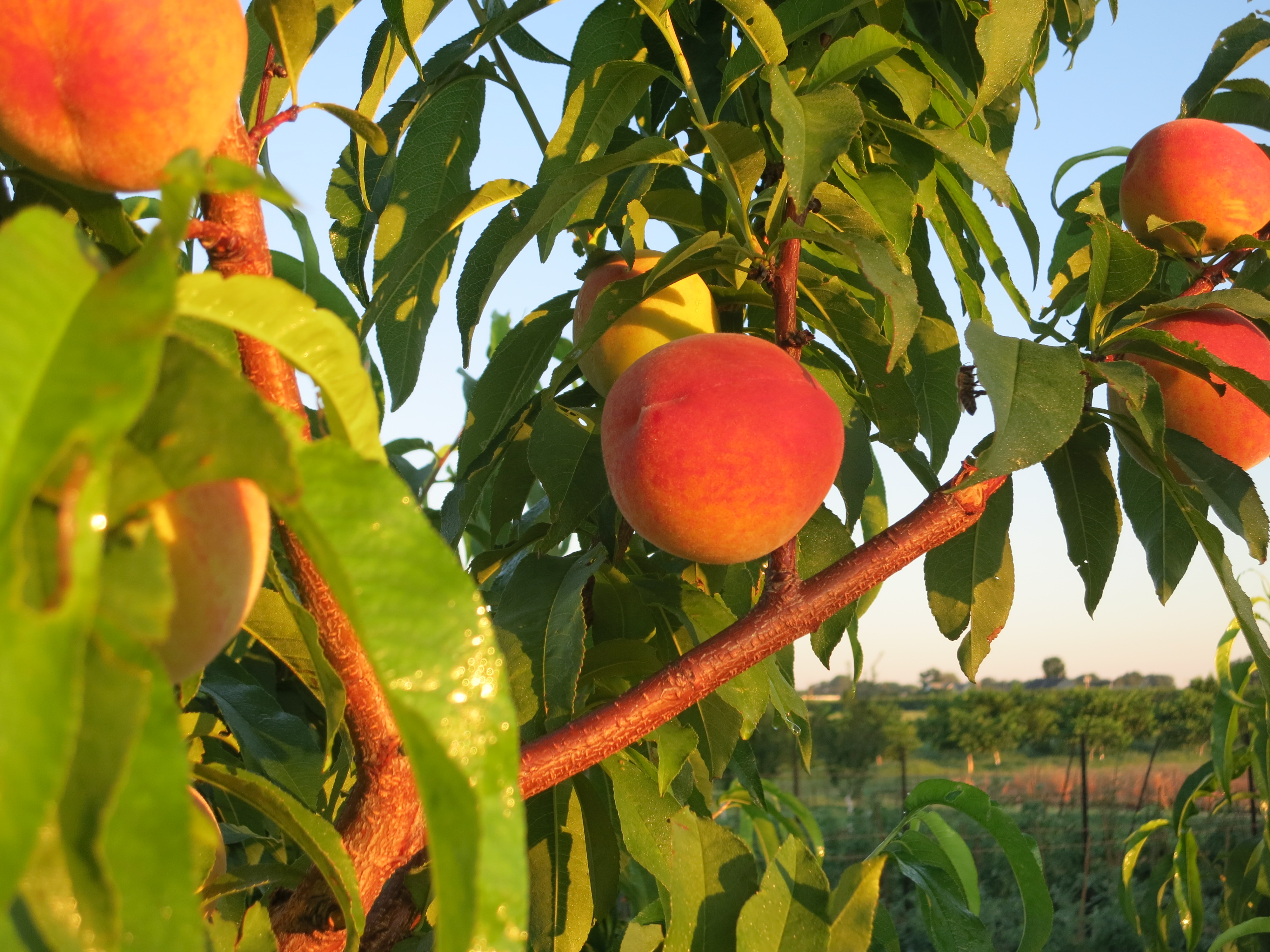
Some years when it is cool, these later peaches have little colour, and a dry texture. This season thanks to all that warmth we have had, they are colourful & flavourful – sweet & juicy!

029

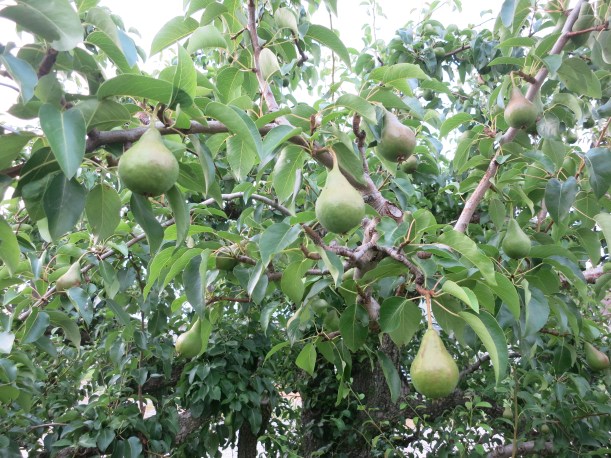
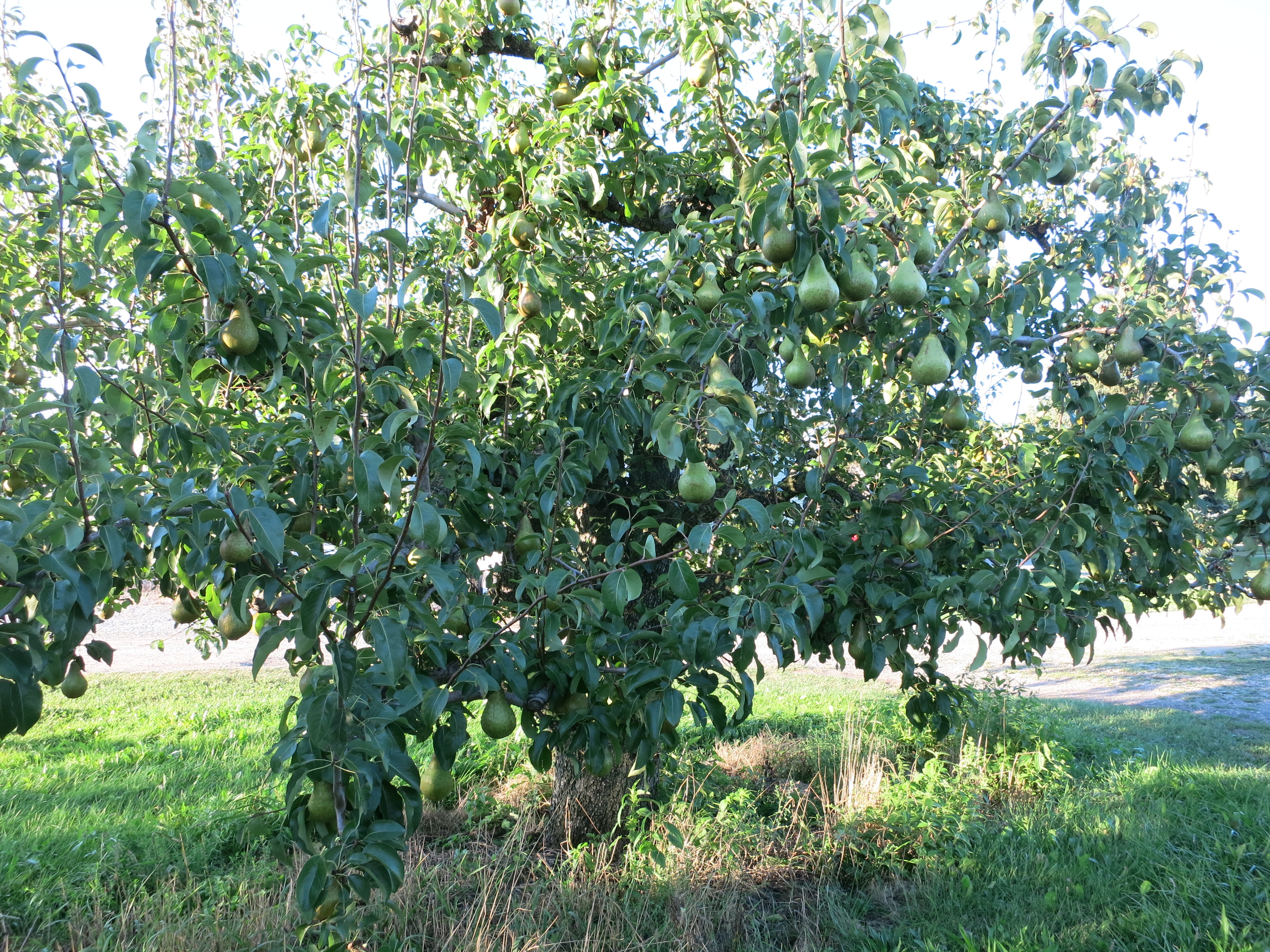
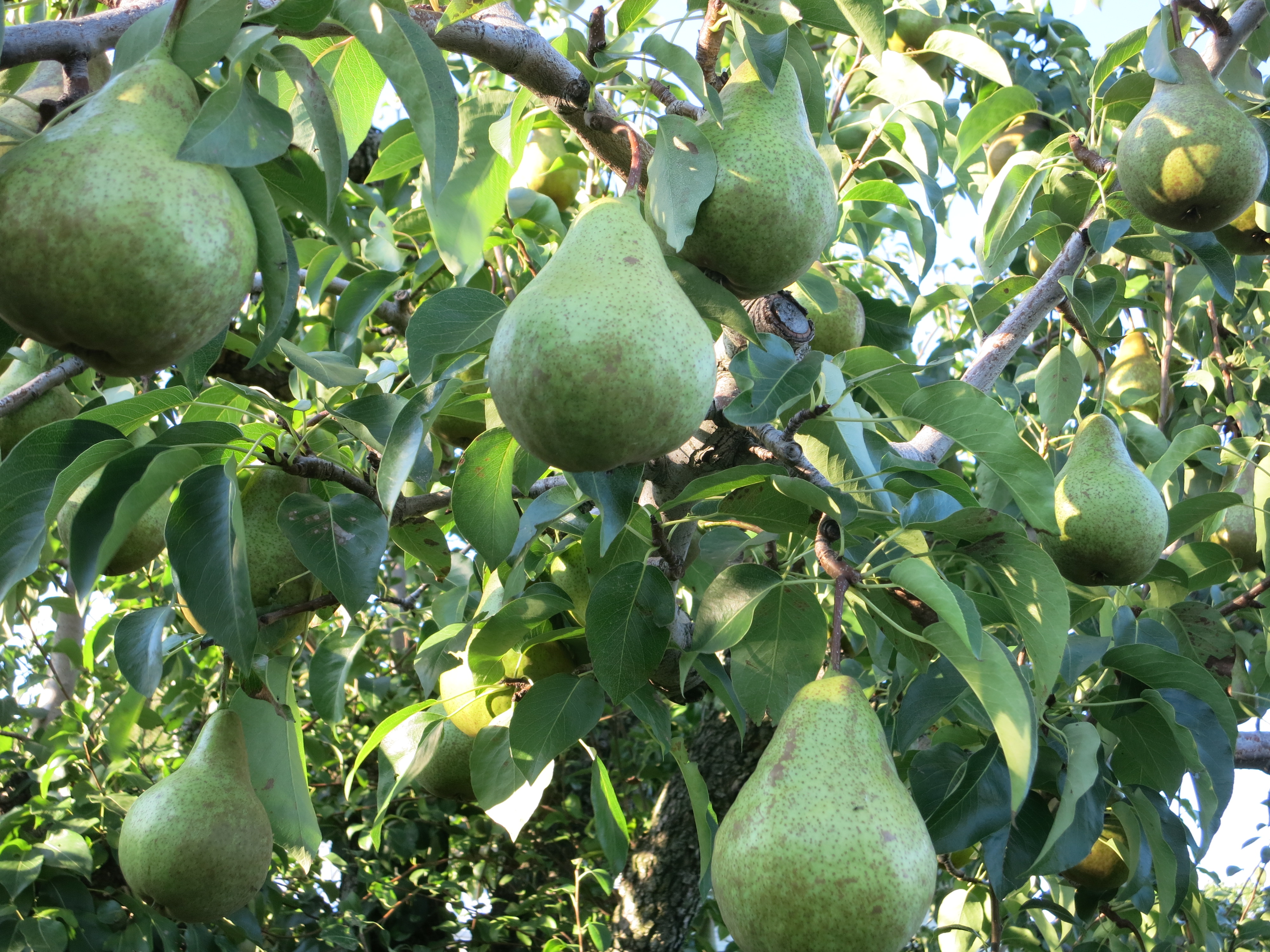
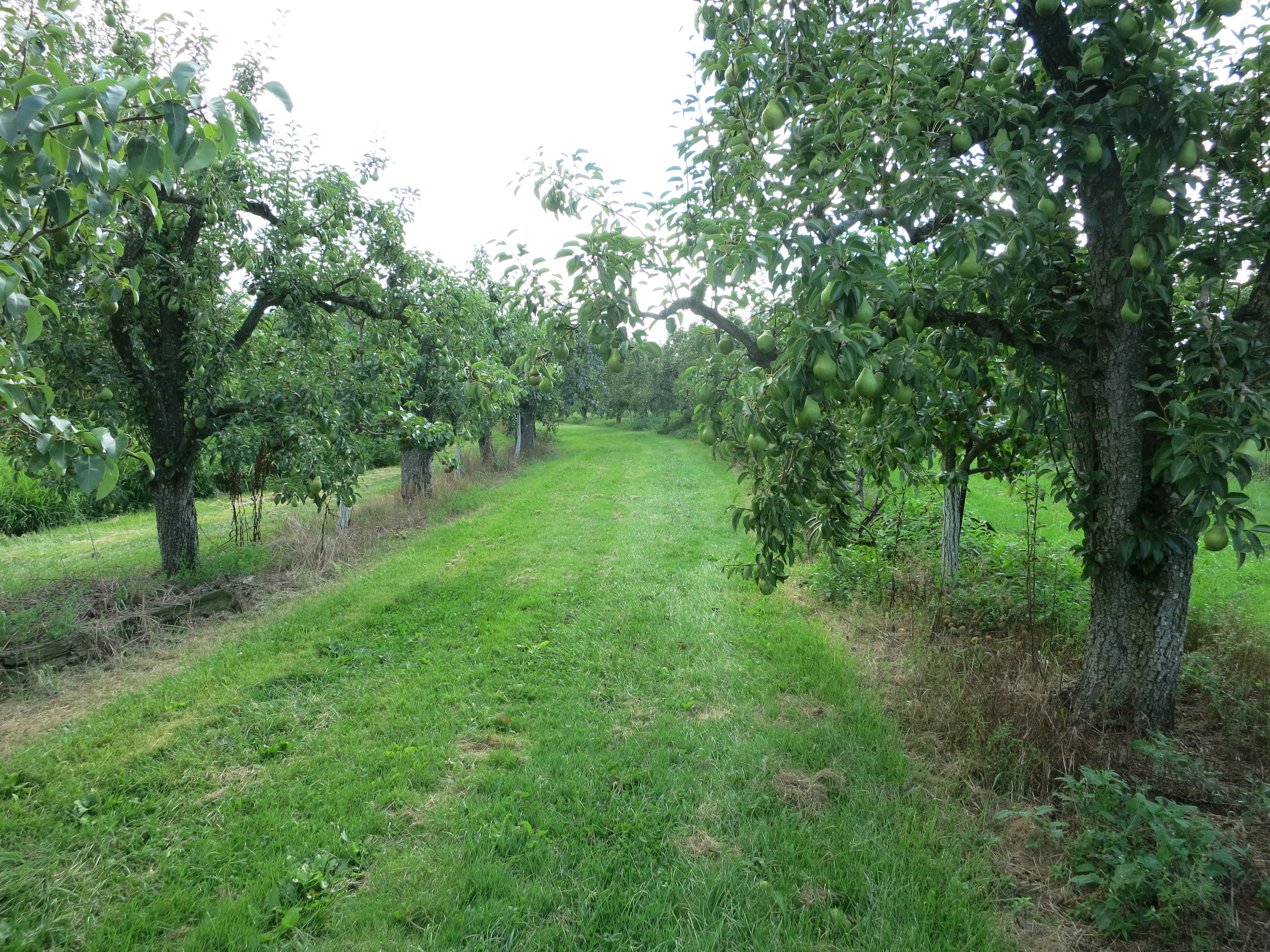
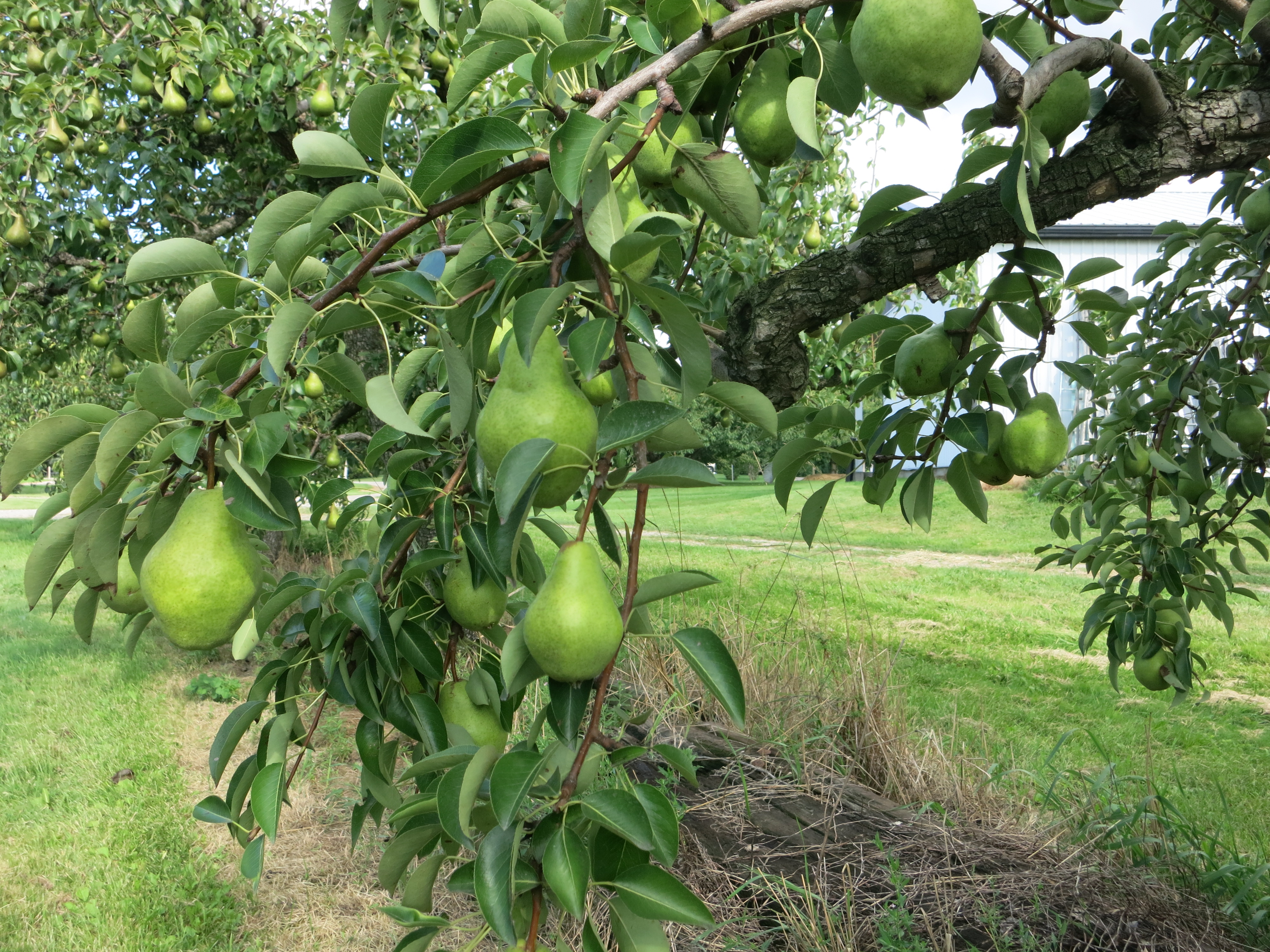
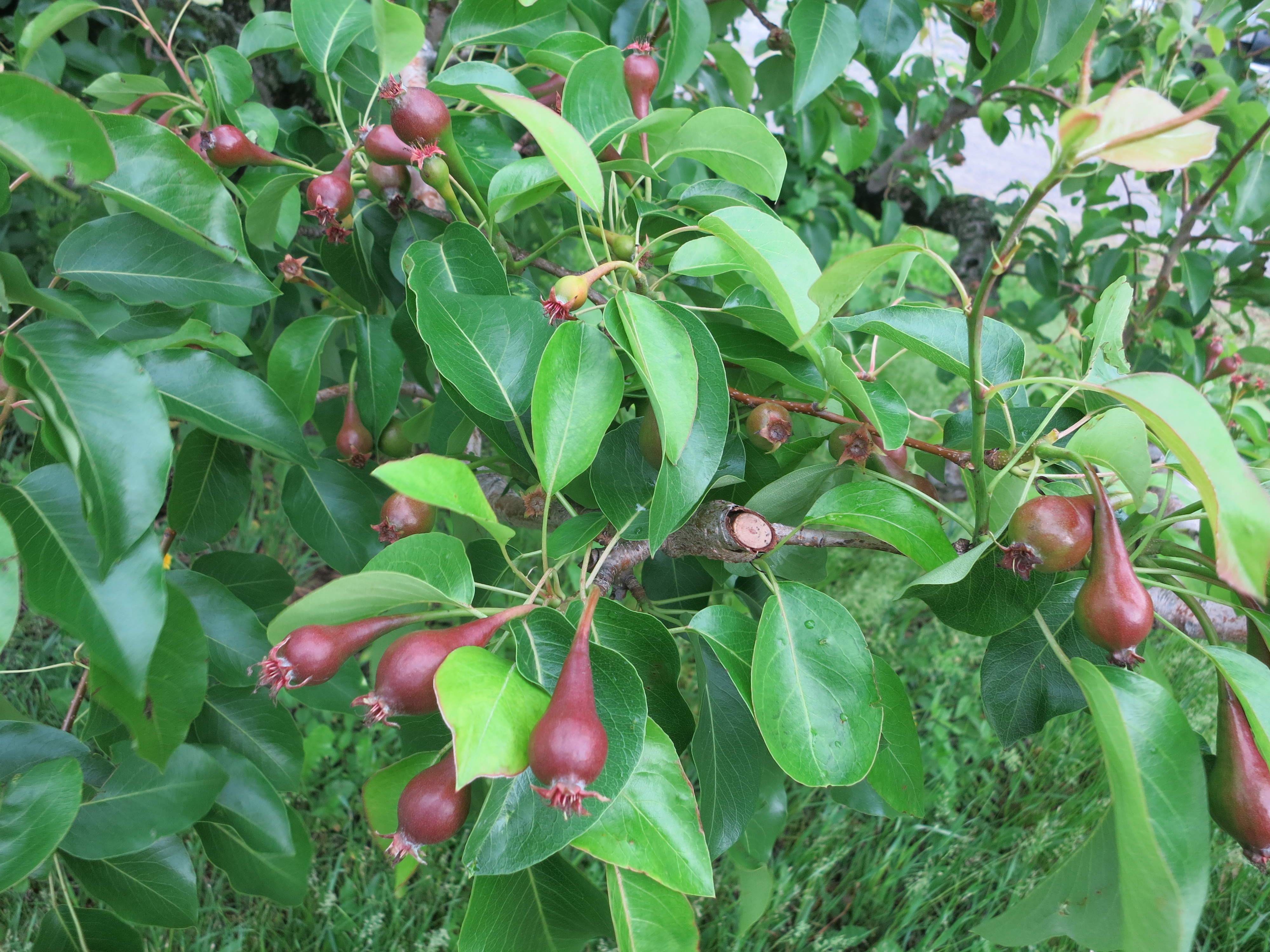
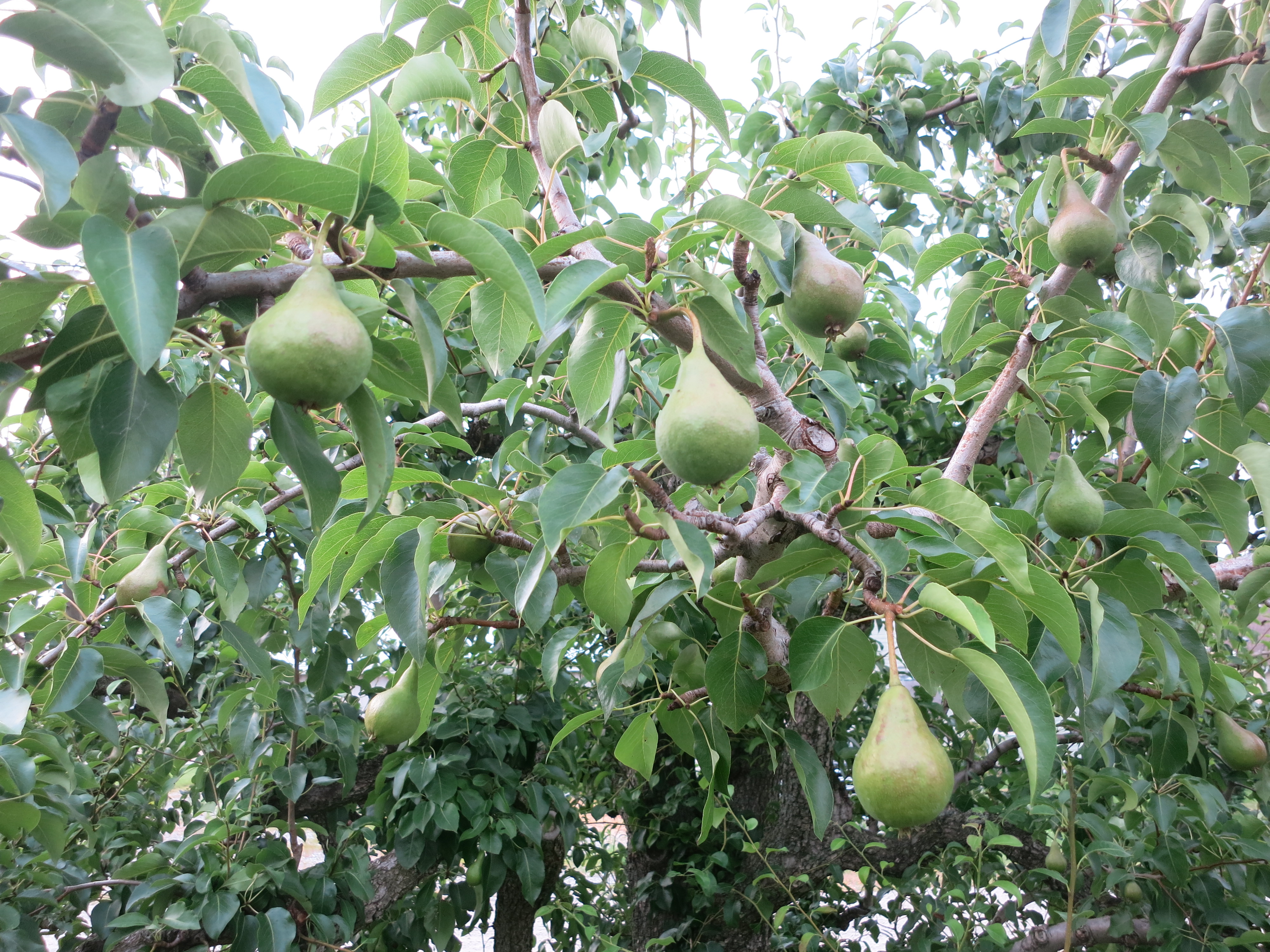
The Bosc pears are still on the trees & will be picked this week.

050

049

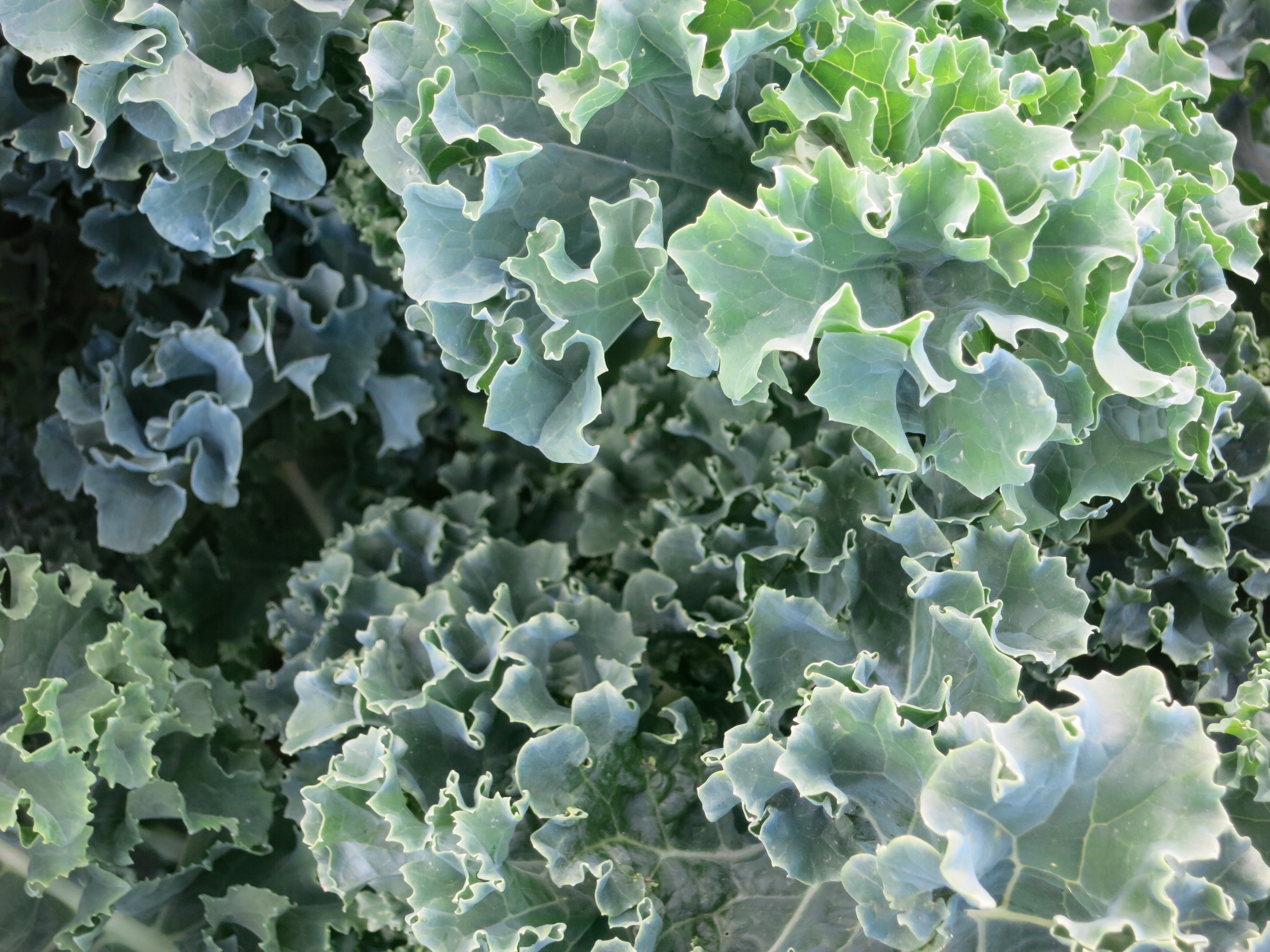
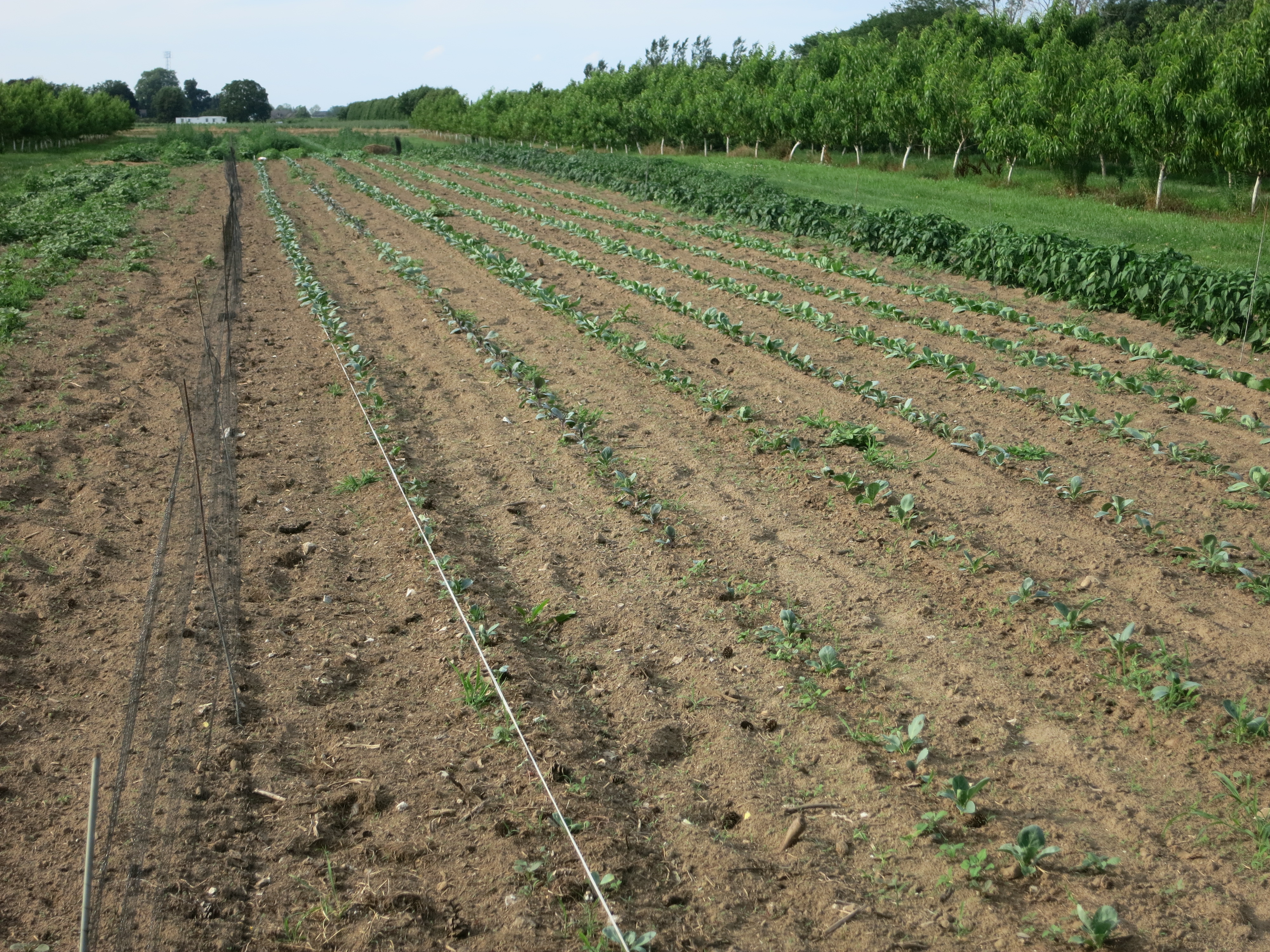
A new planting of kale ready to be cut.

036


What’s in the box?

Green beans, cabbage, sweet peppers, tomatoes, Bartlett pears, Seckel pears.

Extras – peaches, hot peppers.

  • A late summer planting has produced a bounty of beautiful green beans. We had some at dinner today & they taste wonderful!
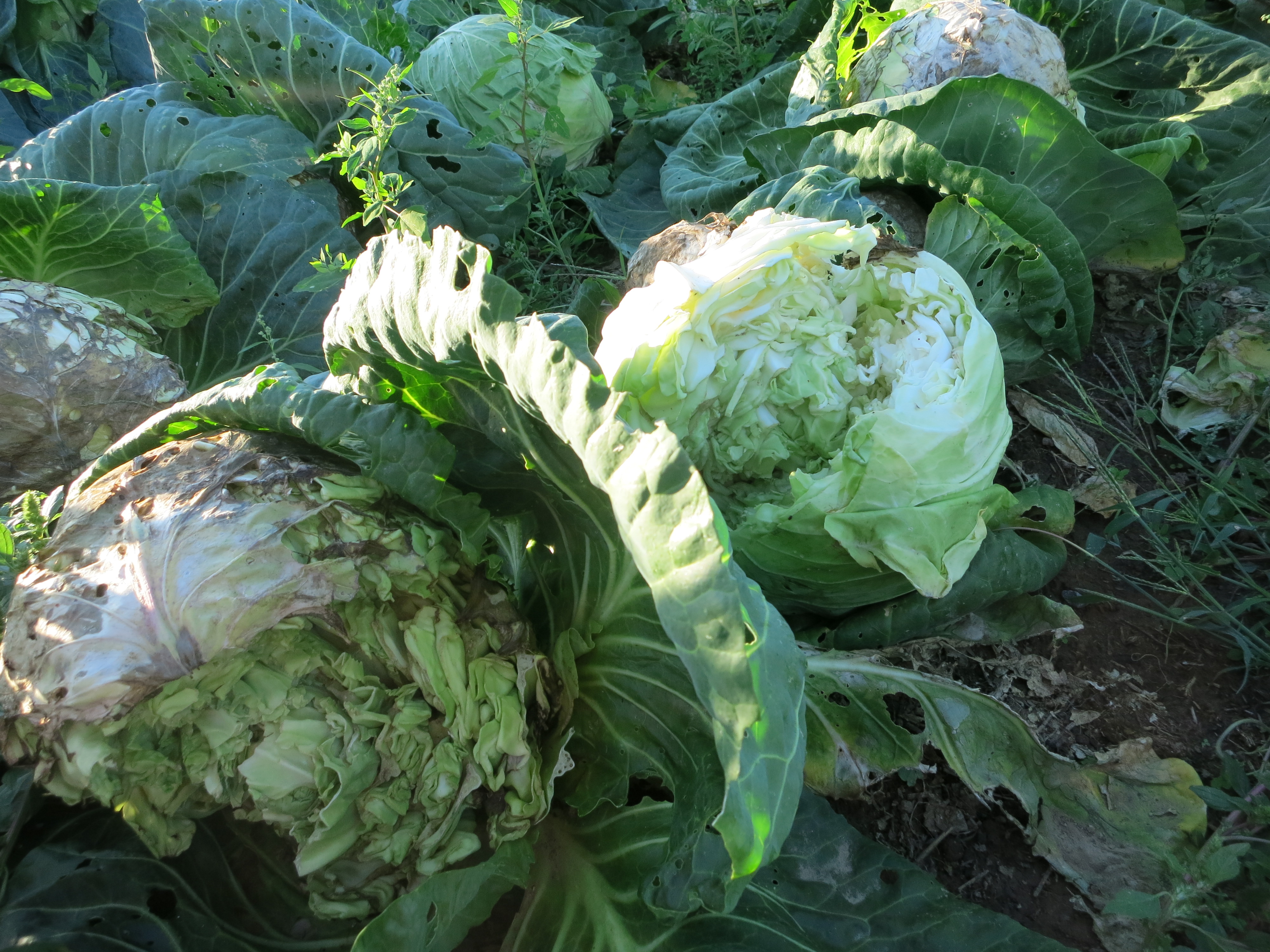
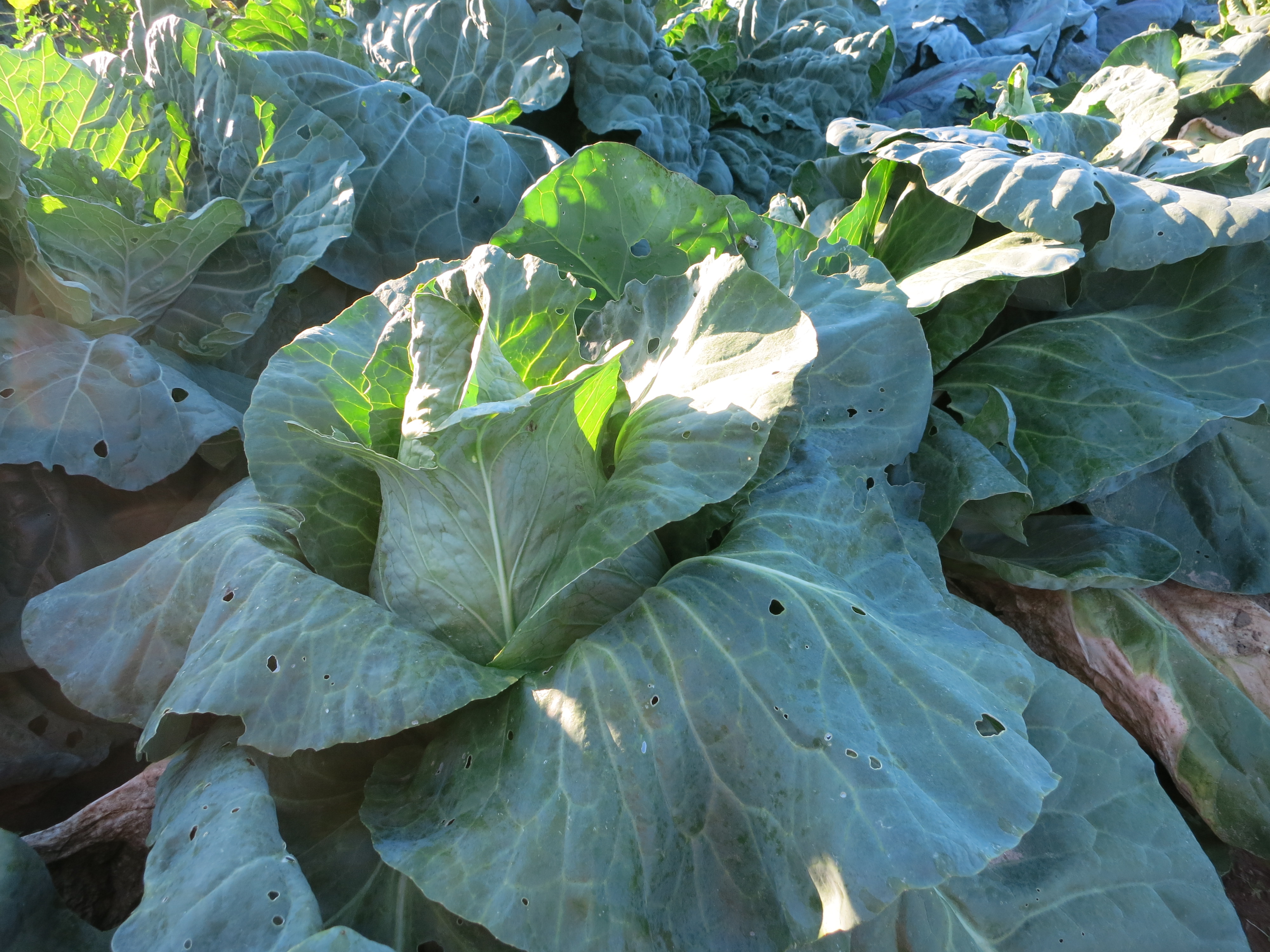
  • The cabbage that looked so good the other week is being eaten rapidly by … ? Good thing we planted lots – there will be enough for our CSA boxes this week!

038

It may be the light green, tender, early cabbage that we had a few weeks ago, or the darker green, more robust late cabbage. Then there are some “conehead” cabbages – something new for us this season – that are round at the bottom & pointy on top.

041

  • Sweet peppers & tomatoes continue to be a part of your share, though perhaps in smaller quantities.
  • It’s fall – pear season! This week there will again be 2 kinds of pears – Bartletts & the little Seckel “lunchbox” pears. A reminder again that pears can change from almost ripe to overripe very quickly. Store them in the fridge. One way to use very ripe pears is to make pear sauce – just like applesauce, but made with pears! Peel, chop, cook, add some sugar & mush them up. It’s easy & delicious!
  • An extra this week – peaches. There will be some #2 grade peaches available for those who want that final taste of summer!

After this week, there will be 2 more weeks in our CSA program for 2015!

Here’s what to expect in your box these final 2 weeks – garlic, pears, squash, sweet peppers, tomatoes, kale …


Leave a comment

CSA 2015 – Week 15

Today was labour day, and we certainly laboured – in the heat & humidity!

The last of the Bartlett pears were picked today. It was a good crop so there are lots of pears for our CSA shares, and to sell at the markets.

003

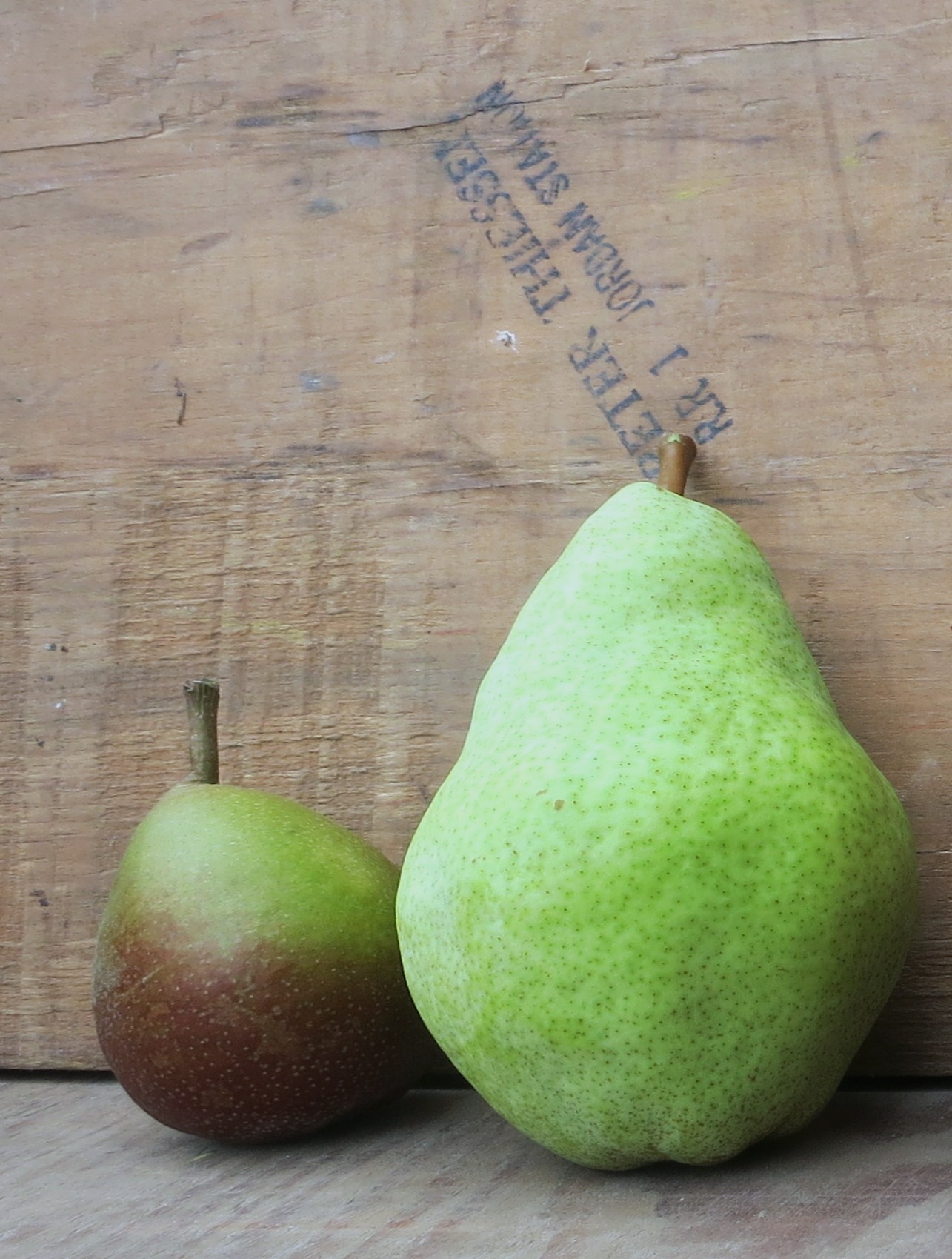
The Seckel pears are also picked. These are a very small pear compared to a Bartlett.

024

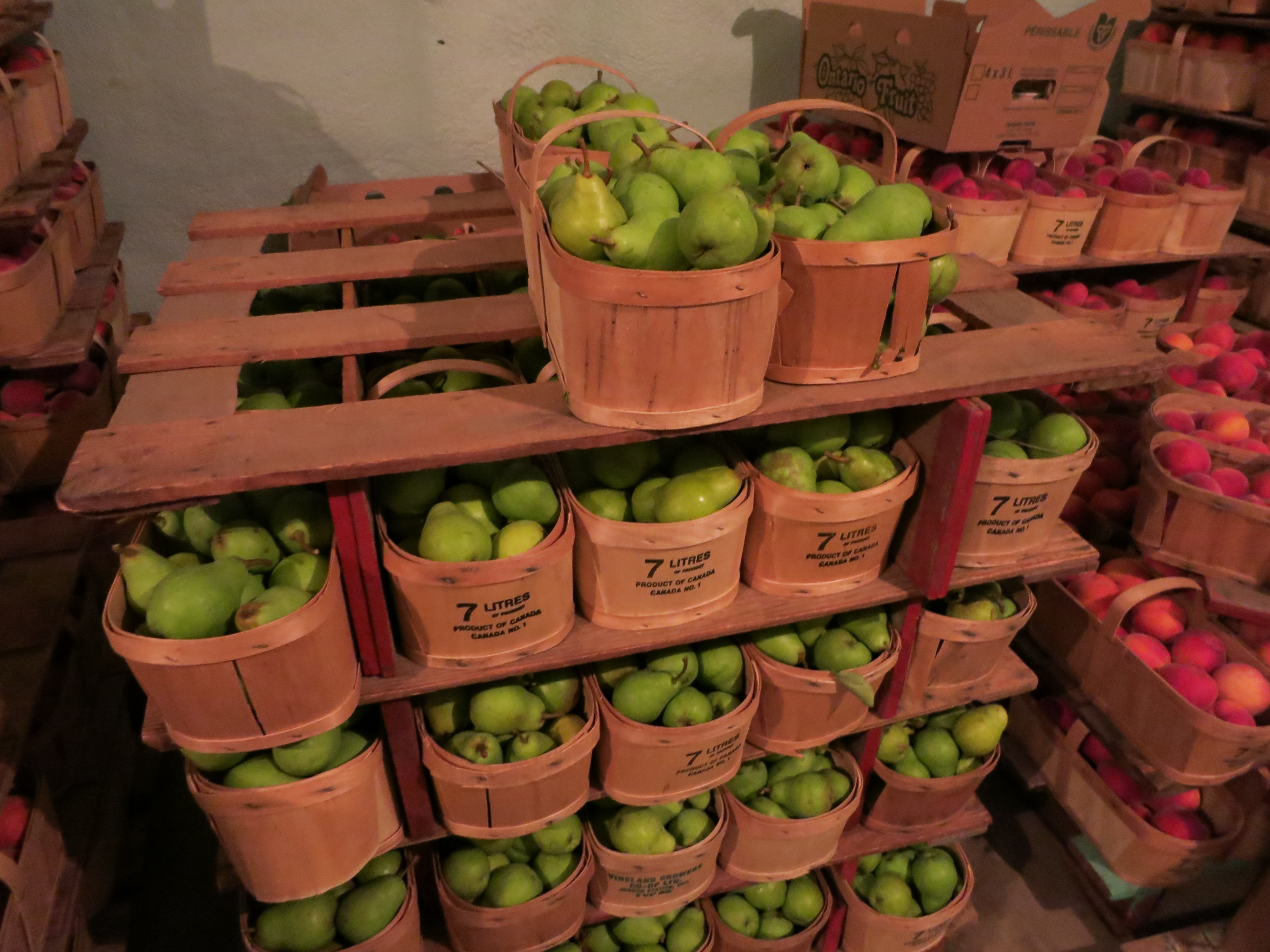
Pears are always picked rather green & hard, and then ripened once picked. A Bartlett will get sweeter & sweeter as it softens & turns yellow. A Seckel stays firm (it will never get soft), but tastes sweet – but probably not as sweet as the Bartlett.

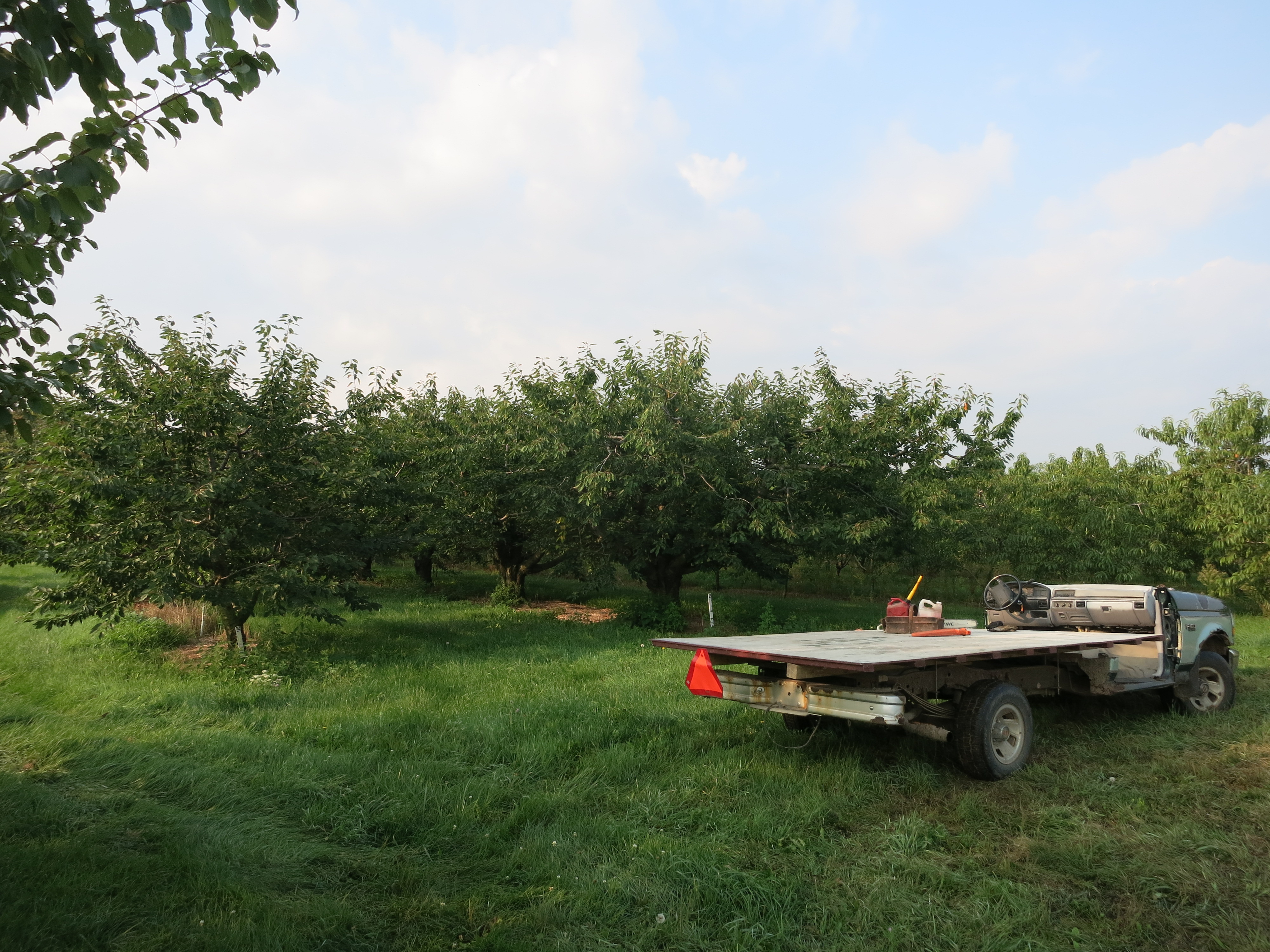
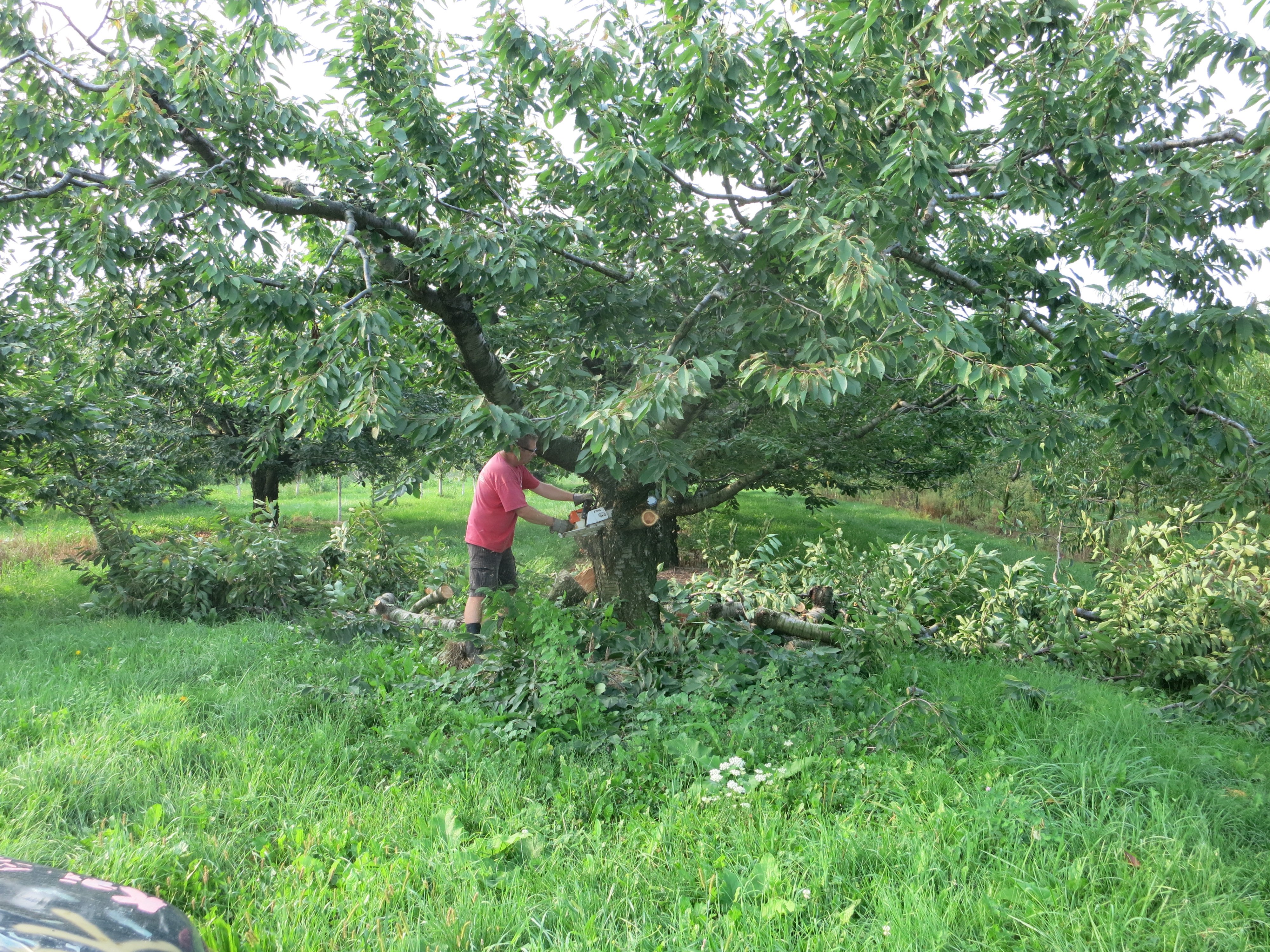
I continued to cut down sweet cherry trees today. Once the trees are gone it gives the farm a whole new look – one that takes a bit of getting used to!

004

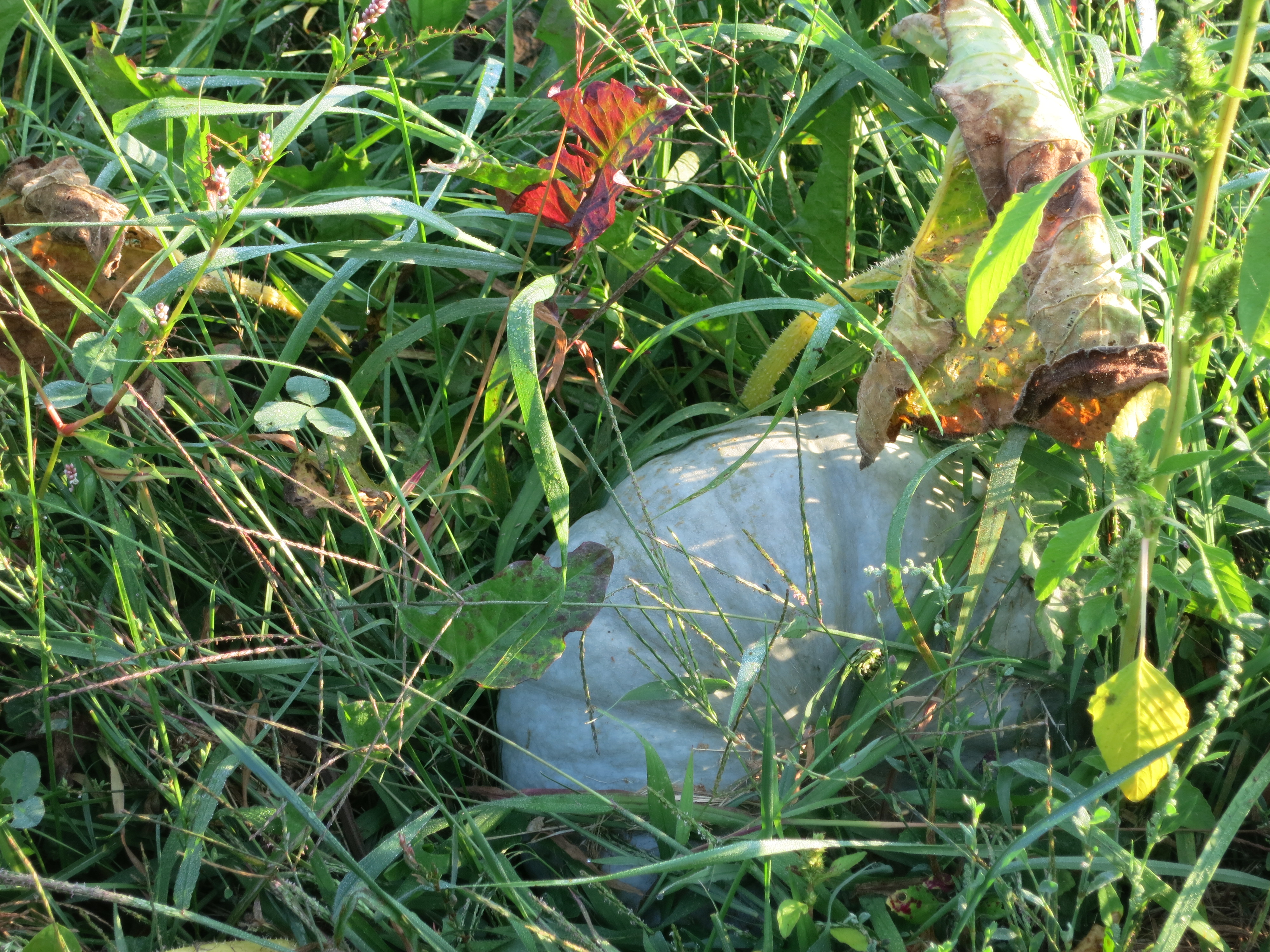
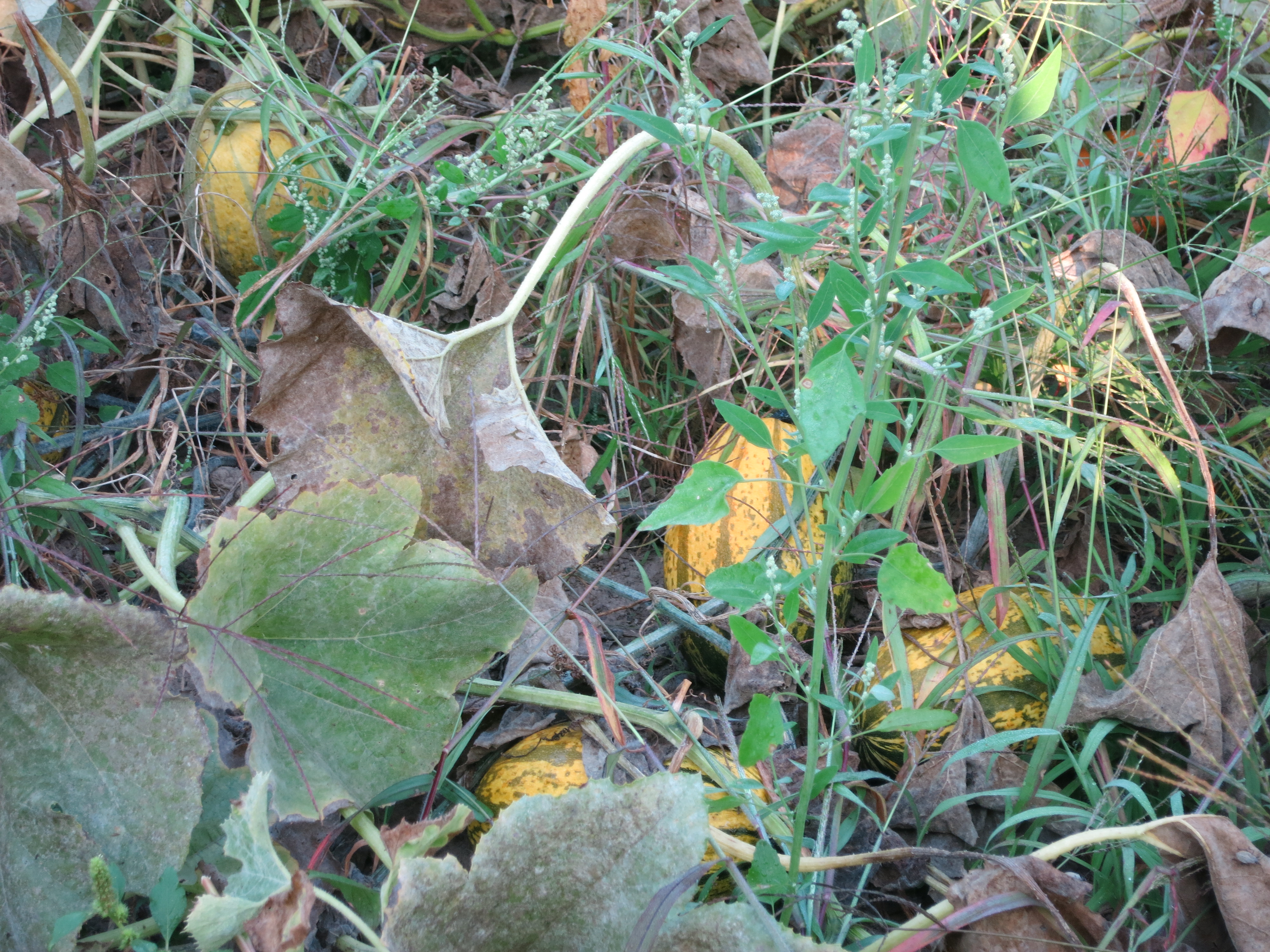
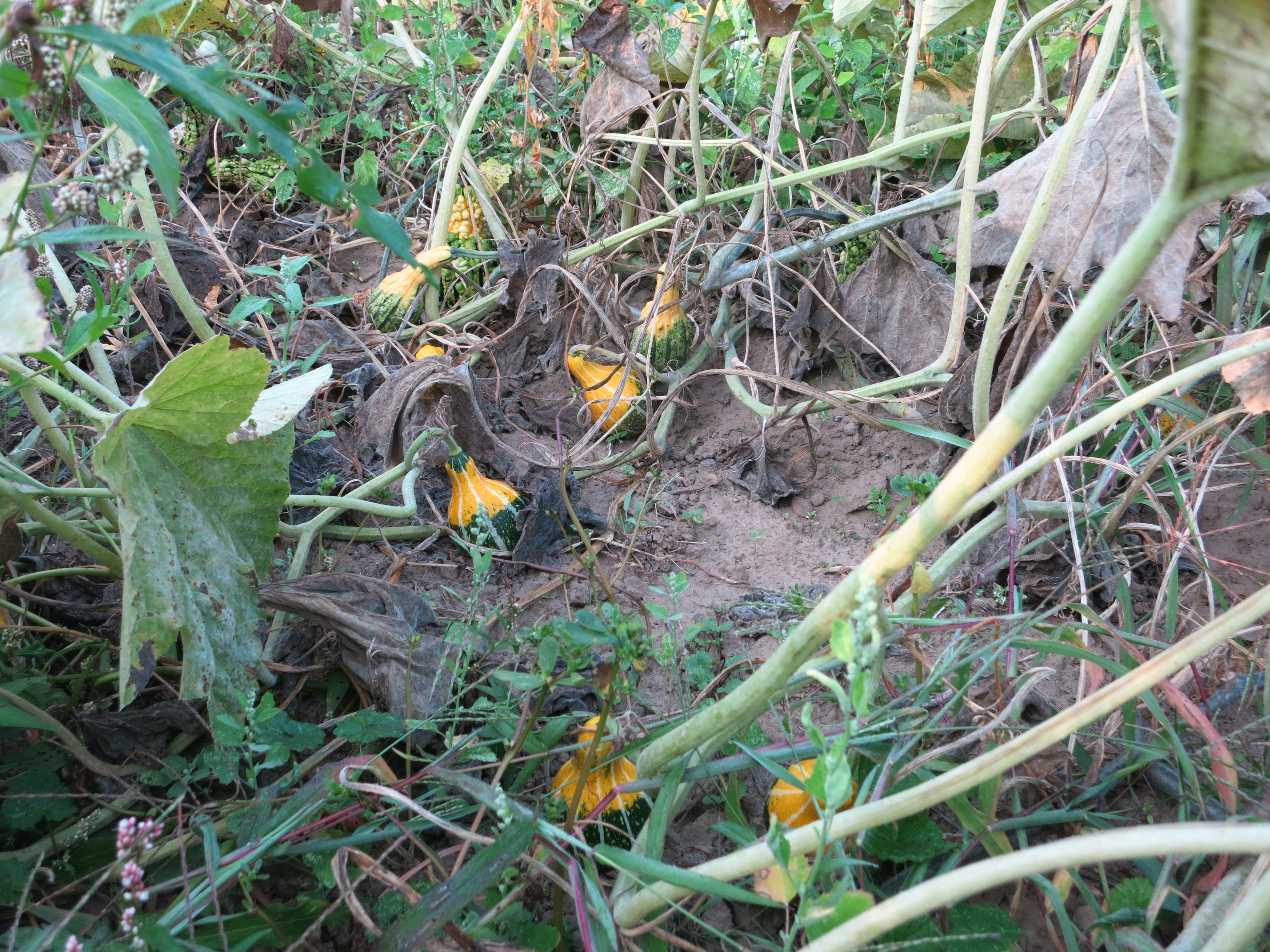
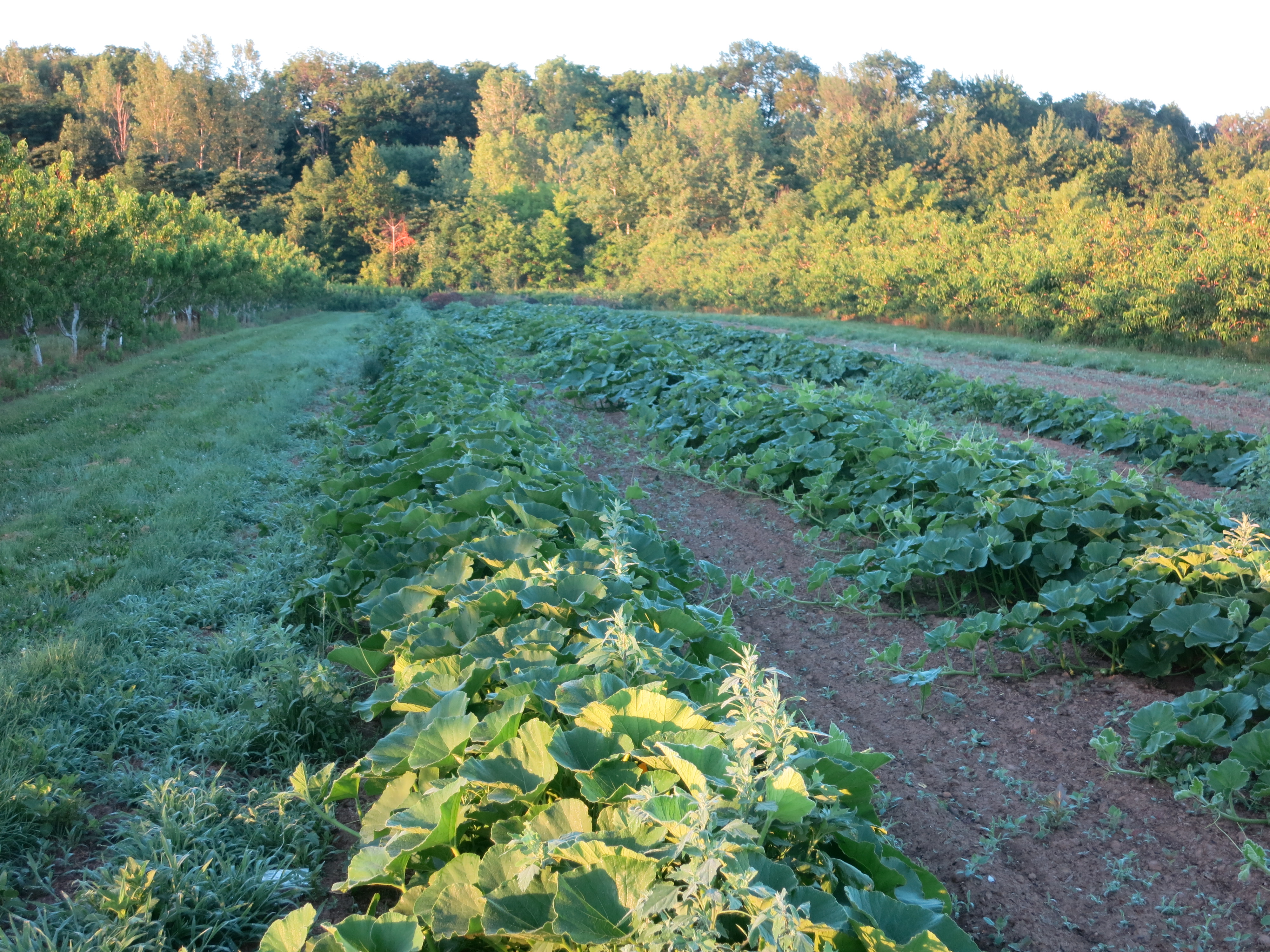
The heat & humidity cause an increase in mildew on the squash, gourds & pumpkin plants. As their leaves get diseased and then dry up the squash is revealed, and we finally see what sort of crop there is. We will begin harvest in a week or so.

009008008011

What’s in the box?

Seckel pears, Bartlett pears, Damson plums, tomatoes, sweet peppers, garlic.

extras – hot peppers …

  • Seckel pears (see brief description & picture above) are the perfect fruit for lunch boxes! Small, firm & tasty, they take up little room, are not easily bruised, and taste great!
  • Bartlett pears are a favourite pear for many people! They are great for eating fresh, baking, cooking, jam, sauce … The pears in your box this week have been ripening in the barn for about a week already. Some will still be a bit firm while others are beginning to soften. We recommend you check them over. If you prefer a firm pear, store them in the fridge immediately. If a soft & yellow pear is your choice, let them sit out on the counter for a day or so – but keep your eye on them. Pears change from almost ripe to over-ripe very quickly! It may be better to keep them refrigerated & bring them out a day or so before you will eat them.
  • The only plum variety that had much of a crop this season was the Damsons. In fact we’ve never had so many Damsons! They are a small, round, somewhat tart plum – especially amazing in jam or baking! But let them get slightly soft & they sweeten up & taste great. There will be some damsons in your CSA share this week. Give them a try & see how you like them!
  • Along with the fruit, your box will also contain tomatoes, sweet peppers & a bulb of fresh garlic. The garlic is dried, so store it at room temperature in a dry place. It is not necessary to keep garlic in the fridge.
  • Hot peppers are an extra again this week.

Here is a Damson plum recipe that a customer from market recommended. She also brought us a sample – it was great!!

(http://cooking.nytimes.com/recipes/3783-original-plum-torte)

Original Plum Torte

  • Time1 hour 15 minutes
  • Yield 8 servings

TIMES CLASSIC

Andrew Scrivani for The New York Times

INGREDIENTS

  • ¾ cup sugar
  • ½ cup unsalted butter
  • 1 cup unbleached flour, sifted
  • 1 teaspoon baking powder
  • Pinch of salt (optional)
  • 2 eggs
  • 24 halves pitted purple plums
  • Sugar, lemon juice and cinnamonfor topping

PREPARATION

  1. Heat oven to 350 degrees.
  2. Cream the sugar and butter in a bowl. Add the flour, baking powder, salt and eggs and beat well.
  3. Spoon the batter into a spring form of 8, 9 or 10 inches. Place the plum halves skin side up on top of the batter. Sprinkle lightly with sugar and lemon juice, depending on the sweetness of the fruit. Sprinkle with (about) 1 teaspoon of cinnamon, depending on how much you like cinnamon.
  4. Bake one hour, approximately. Remove and cool; refrigerate or freeze if desired. Or cool to lukewarm and serve plain or with whipped cream.
  5. To serve a torte that was frozen, defrost and reheat it briefly at 300 degrees.

Tip

  • To freeze, double-wrap the tortes in foil, place in a plastic bag and seal.


                                                                                   ___________________________________

Not everyone was labouring today!

007

013004


Leave a comment

CSA 2015 – Week 14

Today I’m feeling both happy and sad.

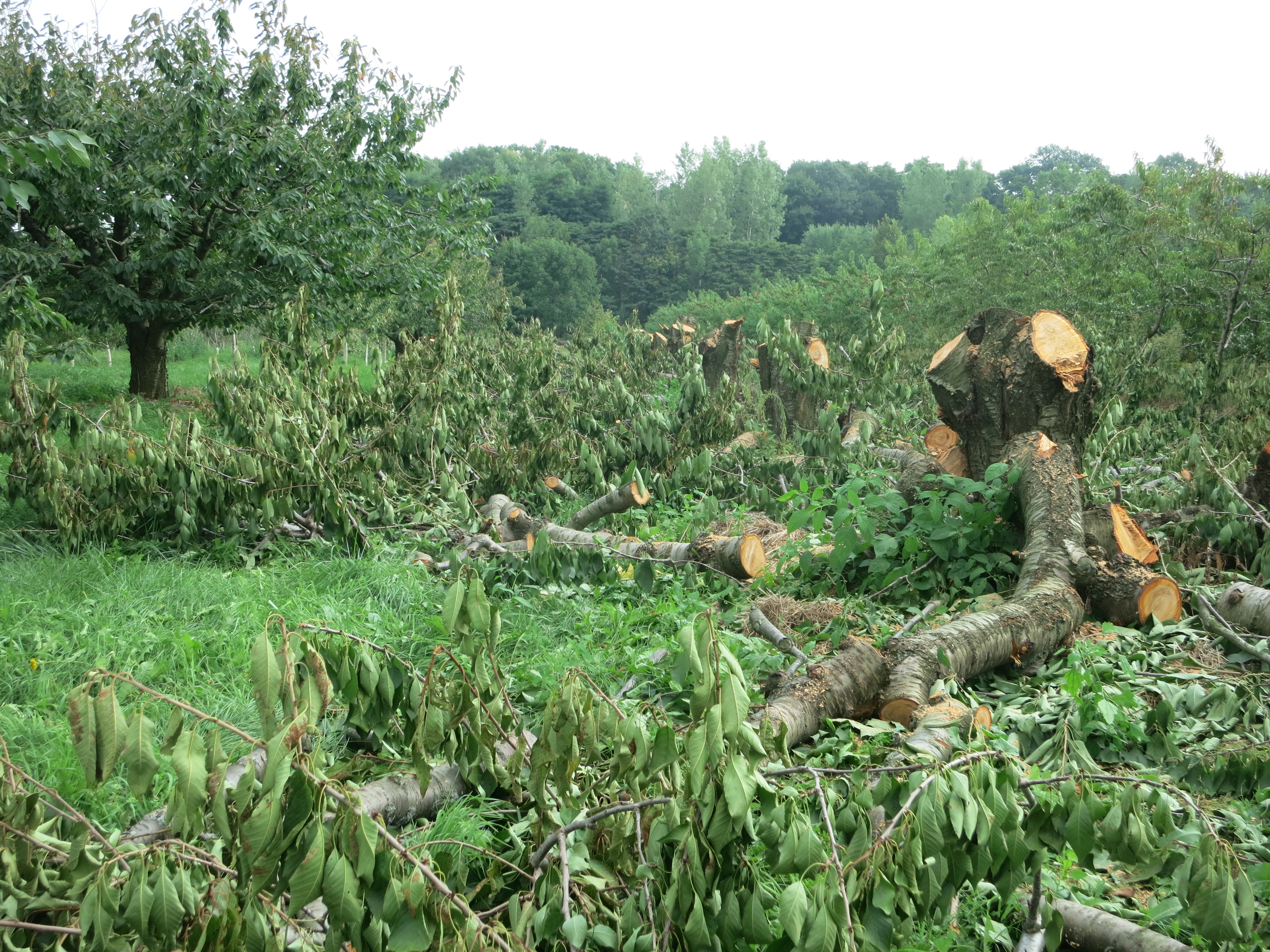
Today I began to cut down our sweet cherry trees – all of them!

We talk about it every year, but this time we are really doing it. All our cherry trees are coming down (except for the few trees in front of the barn – the ones that provide a screen between us & the road).

But certainly all the rest of the cherry trees are going to be history.

It’s sad because they do have a lot of history. Most were planted by my father years ago. Many of them are older than me. I know each tree because I’m the one who has pruned them each spring for more than 30 years. I picked the cherries on these trees when I was a boy. I know which trees ripen their cherries first, which ones always have a heavy crop & where the sweetest fruit can be found. I know where to duck my head when driving through the orchard to avoid the low branches – without even looking ..

I’m happy, very happy because we won’t have the stress of cherry season anymore. “Expect a good crop 1 out of 5 years” is what the old-timers used to say. I say that’s pretty optimistic. It seems that almost every year either the crop is poor, or we get rain at the wrong time & the cherries crack & rot, or the market is slow, or prices are low, or we can’t find people to pick … No, we definitely won’t miss cherry season & all it entails.

I will miss eating cherries ripe off the tree though!

009

007

010

016

Anyone need some good firewood?

What’s in the box?

Garlic, shallots, kale, tomatoes, sweet peppers, peaches.

extras – eggplant, hot peppers

  • The first of the garlic is finally dry & ready – and it tastes great!
  • This is the first time we have grown shallots & we’re a bit surprised by their large size and beautiful colour. Good Housekeeping says that shallots are similar to an onion, “their flavor is richer, sweeter, yet more potent. Like garlic, they grow in clusters, with several bulbs attached at the base. You’ll recognize them by their coppery skins and their off-white flesh, which is usually tinged with magenta. Shallots add a great depth of flavor to pan sautés, soups, sauces, and stews, and pair especially well with chicken and fish. To substitute one for the other in recipes, use half the amount of shallot that you would onion”. Try our shallots & let us know how you like them.
  • Your green this week is kale. Enjoy it raw in a salad, sautéed with your shallot, or blended in your morning smoothie.
  • Tomatoes continue – in abundance. Our go-to lunch these days includes tomatoes, onion, eggplant & garlic sauteed together & eaten on toast – quick, easy & delicious! Enjoy the different colours, & sizes & shapes in your box this week!
  • There will be another sweet pepper in your share. But the plants are hanging full of peppers & sooner or later there will be more.
  • Peaches! The season is winding down & we only have a few varieties of peaches left to harvest. This may be the final week that peaches are part of your CSA. For anyone thinking of purchasing extra peaches to can or freeze – this is the week to do it!
  • extras – more eggplant along with hot peppers. We are growing about 25 kinds of hot peppers this season. The first of them are ready & will be available for those who want them. They will be the milder Hungarian hot wax peppers and jalapenos. The hotter varieties won’t be ripe for a few weeks yet.


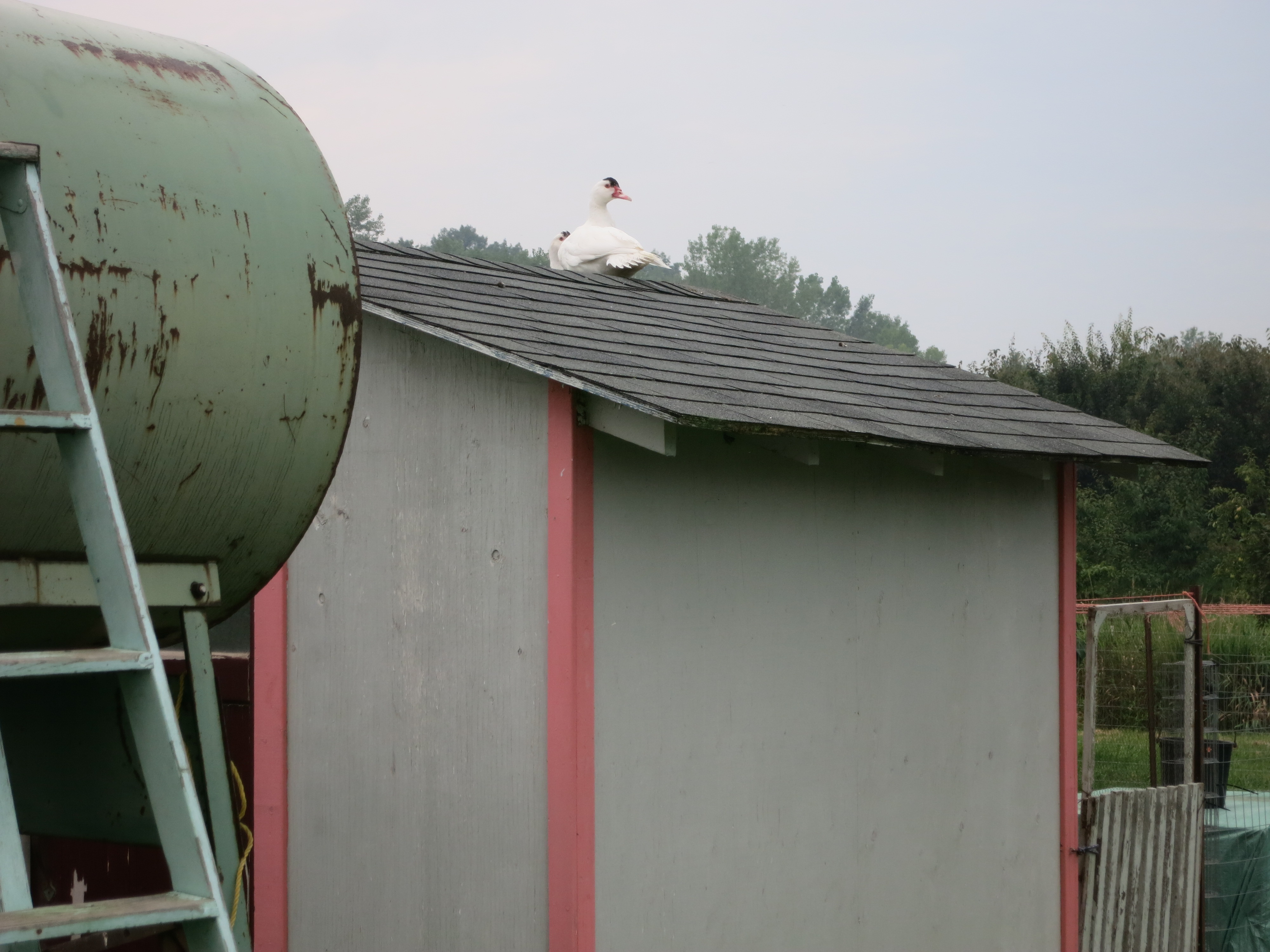
This week our ducks found their wings & are enjoying the wonders of flight. They like to see things from a higher vantage point!

001

002


2 Comments

CSA 2015 – Week 13

It’s the same every year.

And every year I mutter & whine about it – how messy & disheveled the farm looks at this point in the season.

Harvest is a busy time and always take priority over other work, especially farm maintenance and just making things look nice. So the weeds grow, the wild areas become a little wilder and we pretend we don’t see it.

Or rather, we try to look beyond the mess & find beauty anyways – ignoring the big picture & focusing in on the details.

030

023

031

018

In the peach orchard there are now more empty trees, than trees with fruit.

045

046

Many of the vegetable fields are mowed down or worked up and ready for a cover crop to be planted, with only a row here & there of vegetables waiting to be harvested.

033

049

But there is beauty here too!

053

064

050

The tomato patch has become a jungle – a jungle producing an abundance of amazing fruit!

038

The cabbage is forming nice, firm heads.

042

And the Bartlett pears are making their final growth spurt before harvest.

007

005

What’s in the box?

Cabbage, sweet peppers, tomatoes, collards, pears, peaches. 

Extras – white peaches, eggplant.

  • The first of the cabbage is in your box this week – a mini head called Tiara. The seed catalogue describes it as a lettuce-like cabbage called “lettage” – good tasting, tender, crisp & juicy, excellent for coleslaw or salads. We’ll see if it is an accurate description.
  • Sweet peppers are in short supply – thanks to the mice that keep nibbling on them as they ripen! But there will be at least 1 for every share.
  • Tomatoes on the other hand are plentiful! The possibilities are endless – tomato sandwiches, roasted tomatoes, tomato soup, tomato salad … Our favourite tomato salad includes lots of chopped up tomatoes, some onion, a drizzle of vinegar, a sprinkling of sugar, and lots of dill.
  • Another bunch of collards is part of this week’s share. We have included a recipe below for collard greens with pears.
  • This week’s pears are called Harrow Delight. Similar to the pears in last week’s box, they are sweet & tasty now – don’t wait for them to turn yellow & get soft. They are best eaten while still firm.
  • Peaches! There will be another basket of peaches in your box this week. For some there can never be enough peaches, but others are telling us that they are getting “peached out”! How about peach smoothies on a hot day, or peach cobbler for dessert? Grilled peaches are a favourite of ours (just cut the peach in half and put it on the grill cut side down until soft. Then flip it over until warmed through). Surplus peaches can be sliced, laid out on a baking sheet & frozen overnight. Then bag up the frozen peaches & use them throughout the winter for smoothies, on oatmeal, cereal or yogurt …

Extras …

  • White flesh peaches might be new to some of you. Like the name suggests, they are white inside, instead of yellow. They have almost a floral fragrance, and are very sweet & juicy. We will have some #2 grade white peaches ready for you to try.
  • An assortment of eggplant will also be available.

*** We are pleased to offer extra fruit or vegetables  for our shareholders when available. However we ask that you only take enough for your own family’s use – not for other relatives or friends.


Collard greens with spiced pears 
2Tb unsalted butter
1/8 tsp cinnamon
Pinch of cayenne
Pinch ground cloves
1-2 pears – peeled, seeded, and cut lengthwise into thin slices
kosher salt
1/4 cup thinly sliced shallot or onion
2Tb olive oil
1 bunch (or up to 8 cups) collard greens – trim & cut crosswise into 1/2 inch strips
freshly ground pepper
Melt butter in a small saucepan and stir in cinnamon, cayenne, and cloves
In a medium bowl, gently toss the pear with the spiced butter mixture and 1/4 tsp salt.
Arrange the pear slices in a single layer in a 12″ skillet and sprinkle the shallots in the spaces between. Cook undisturbed over medium-low heat until the pears are golden on one side, 3-5 minutes.
Gently turn over the pears and stir the shallots. Cook until golden brown, 3-5 minutes. Gently transfer pears to plate, leaving the shallots in the pan. Add 1/3 cup water to the pan and stir, scraping the bottom of the pan. Transfer the shallots and any liquid to a small bowl.
Heat the oil in skillet over medium heat and add half of the green, quickly stirring and turning with tongs. Once the greens have just started wilting, add the remaining greens. Pour the shallots and liquid over the greens. Reduce the heat to a gentle simmer and cover with a tight lid. Braise until the collards are tender, about 5 min. Season to taste with salt and pepper and stir in the pears.
Sprinkle with nuts if desired.

(adapted from fine Cooking magazine)

034

Oliver out to save the crops from marauding mice!


6 Comments

CSA 2015 – Week 12

Wasn’t it just a few weeks ago that our CSA boxes were green – just green – and shareholders were wondering when something besides green would appear?

Things have been much more colourful lately & this week is no exception. There is colour bursting from every fruit & vegetable that we are harvesting now – colour & flavour!

peaches …

067

pears …

058

heirloom tomatoes …

052

sweet peppers …

020

mini sweet peppers – something new we are trying. (We just grew a few so they will be available at our farmers’ markets only.)

055

eggplant …

026

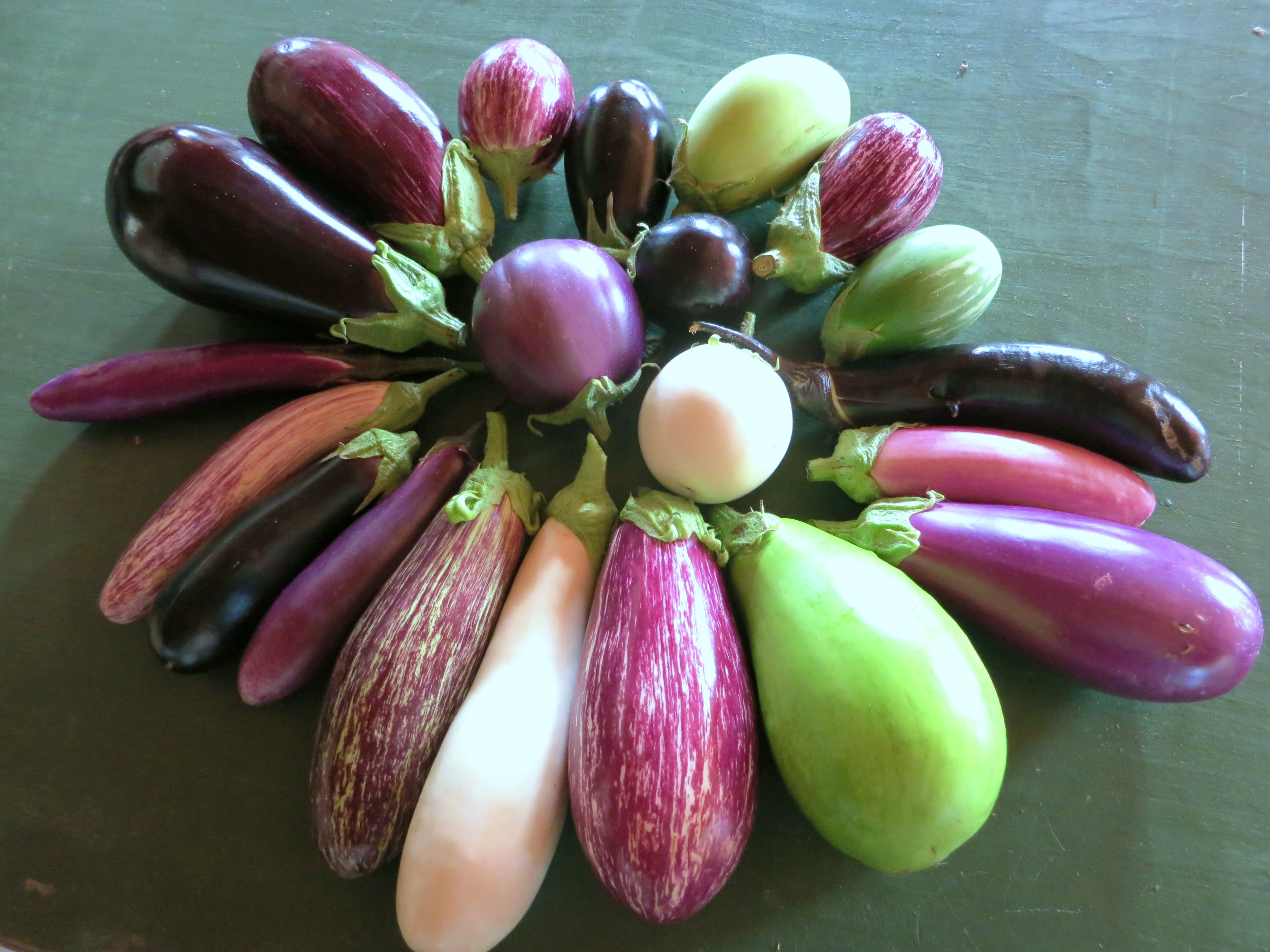
some of the different eggplant we are growing …

043

What’s in the box?

Peppers, tomatoes, beans, onions, eggplant, peaches, pears.

  • Our sweet peppers are beginning to be ready for harvesting, so there will just be a single pepper in your box this week. Hopefully the numbers will increase.
  • Tomatoes have certainly increased. The weekend warmth meant a very large pick today – field tomatoes, heirlooms of every size & colour, and lots of cherries too. This is the week to feast on tomatoes!
  • The beans are slowing down but you will find some beans included in your share again – onions too!
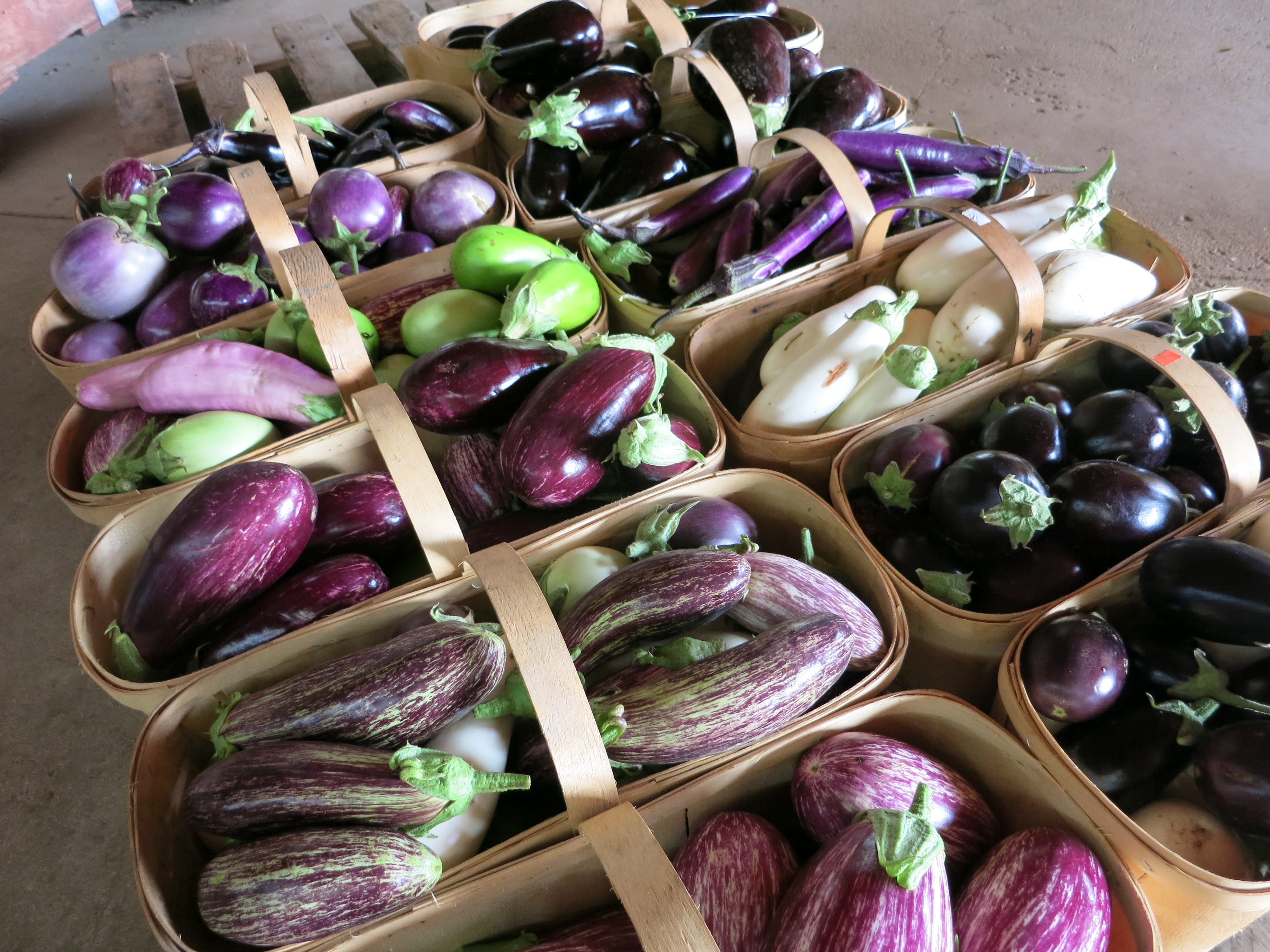
  • The pictures above show the vast array of eggplant that we are growing this season. Eggplant will be available for those who want it.
  • Peaches are plentiful, colourful & flavourful! Enjoy them because the season is short. Another few weeks & they will be gone!
  • The first pears of the season are part of your share this week. Harvest Queen is their regal name, a rather grand name for such a small pear. They are already sweet & delicious even though green. Eat them now while they are still a bit crunchy.


There is sadness on our farm today. We said good bye to our Meesha this afternoon. She took ill on the weekend & it became apparent that she would not recover & return to health. Amy got her as a puppy and we all have enjoyed her for almost 13 years.

Meesha was always smiling & happy to be with us!

012

She always found joy in the cold & snow!

007

I especially enjoyed our daily walk around the farm.

031

We will miss you Meesha!


Leave a comment

CSA 2015 – Week 11

I had someone else take some pictures of the farm for the CSA newsletter today. When I looked at them, there seemed to be a theme – a purple theme …

… purple plums. These are Damsons, a small, tart plum usually used for jam & baking. Many customers at our farmers’ markets are eagerly waiting for these. They should be ripe in a week or 2. While these Damsons have a good crop, most other plum varieties have none. Our row of early blue plums yielded a grand total of 3 baskets instead of the usual 100+. Only the Italian prunes seem to have a reasonable crop – they will be harvested in September.

023

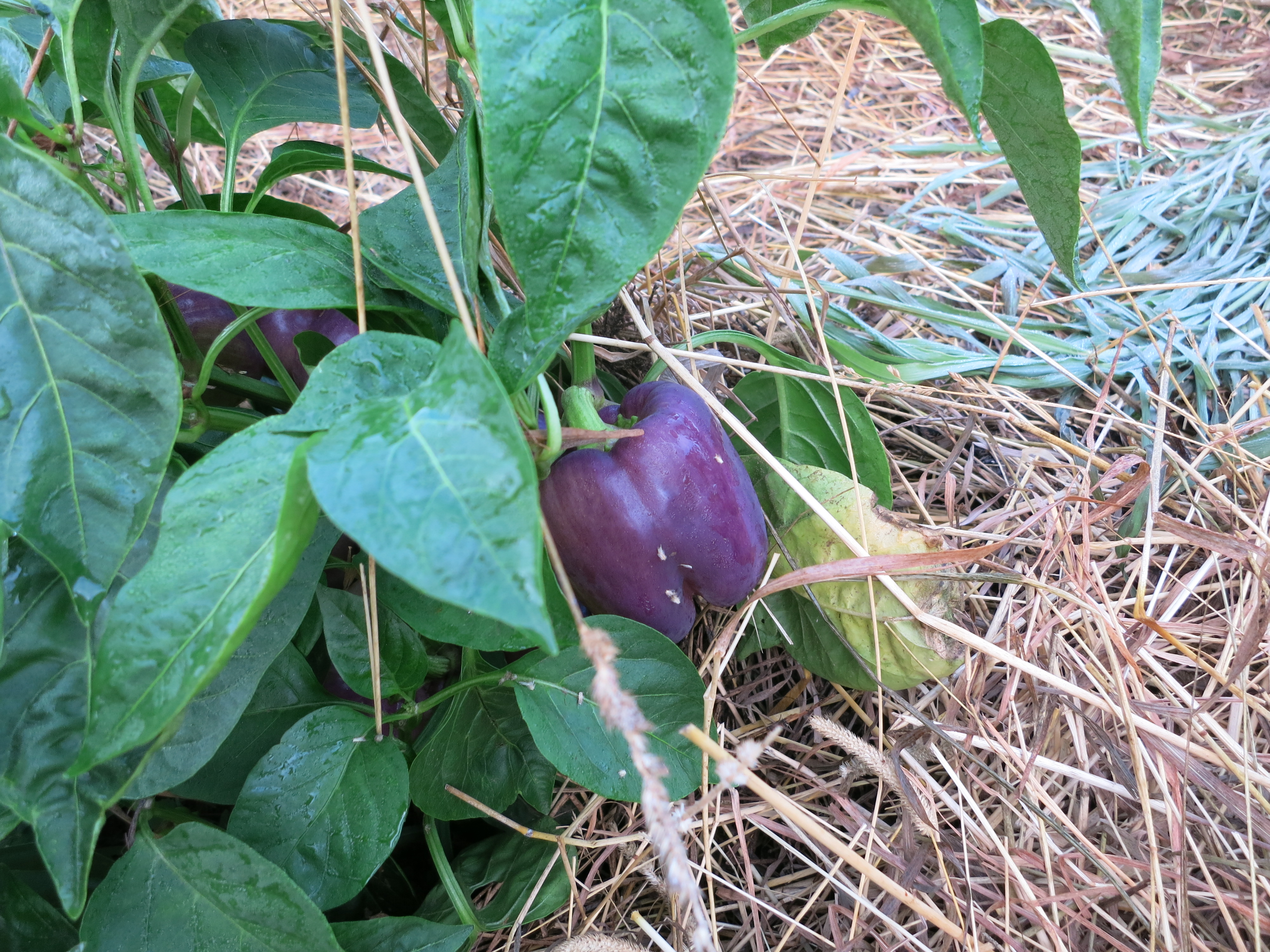
… purple peppers – almost ready!

029

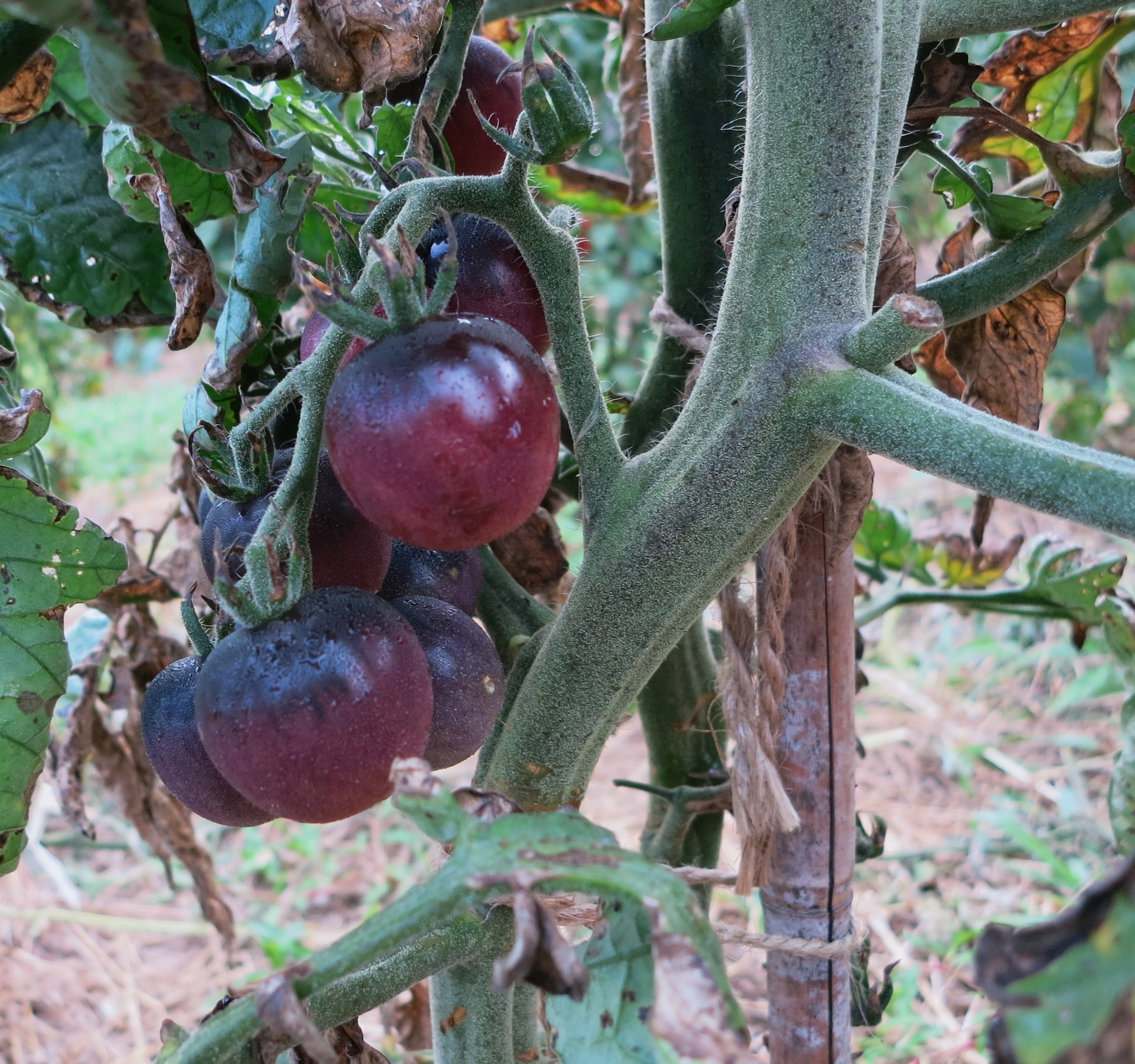
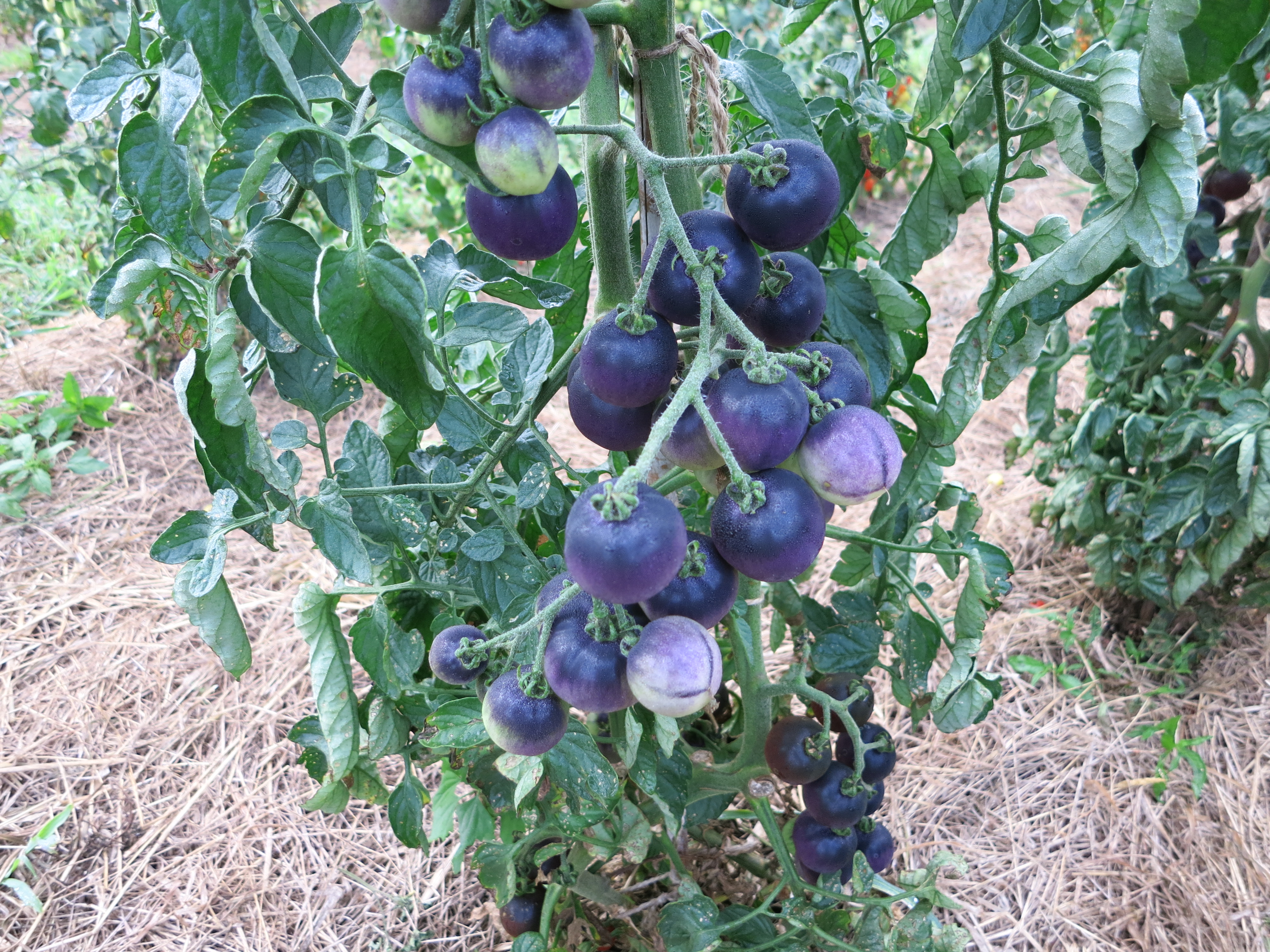
… purple cherry tomatoes. We grow many kinds of purple tomatoes in all sizes – they not only look good, but taste good too!

037

039

040

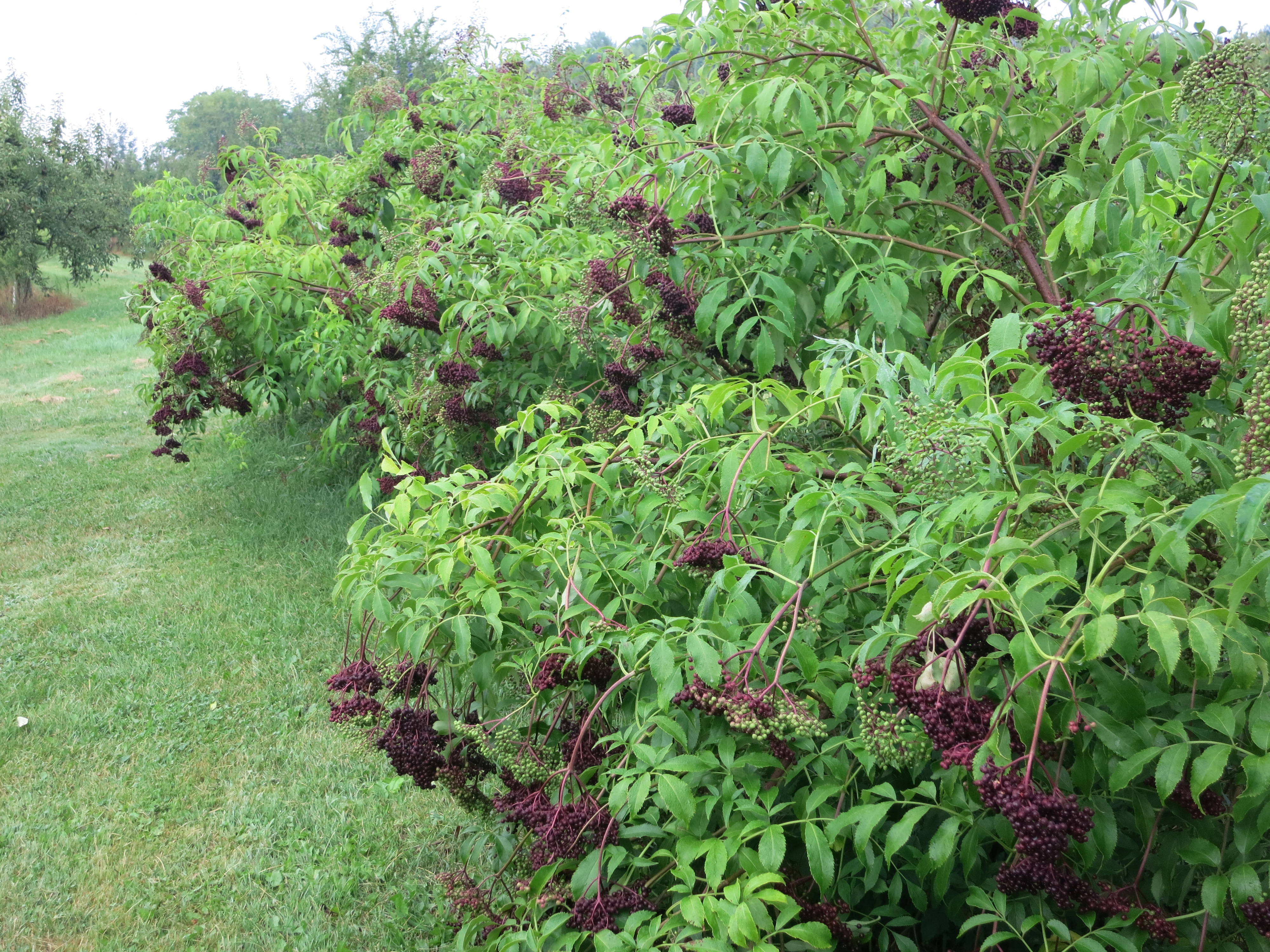
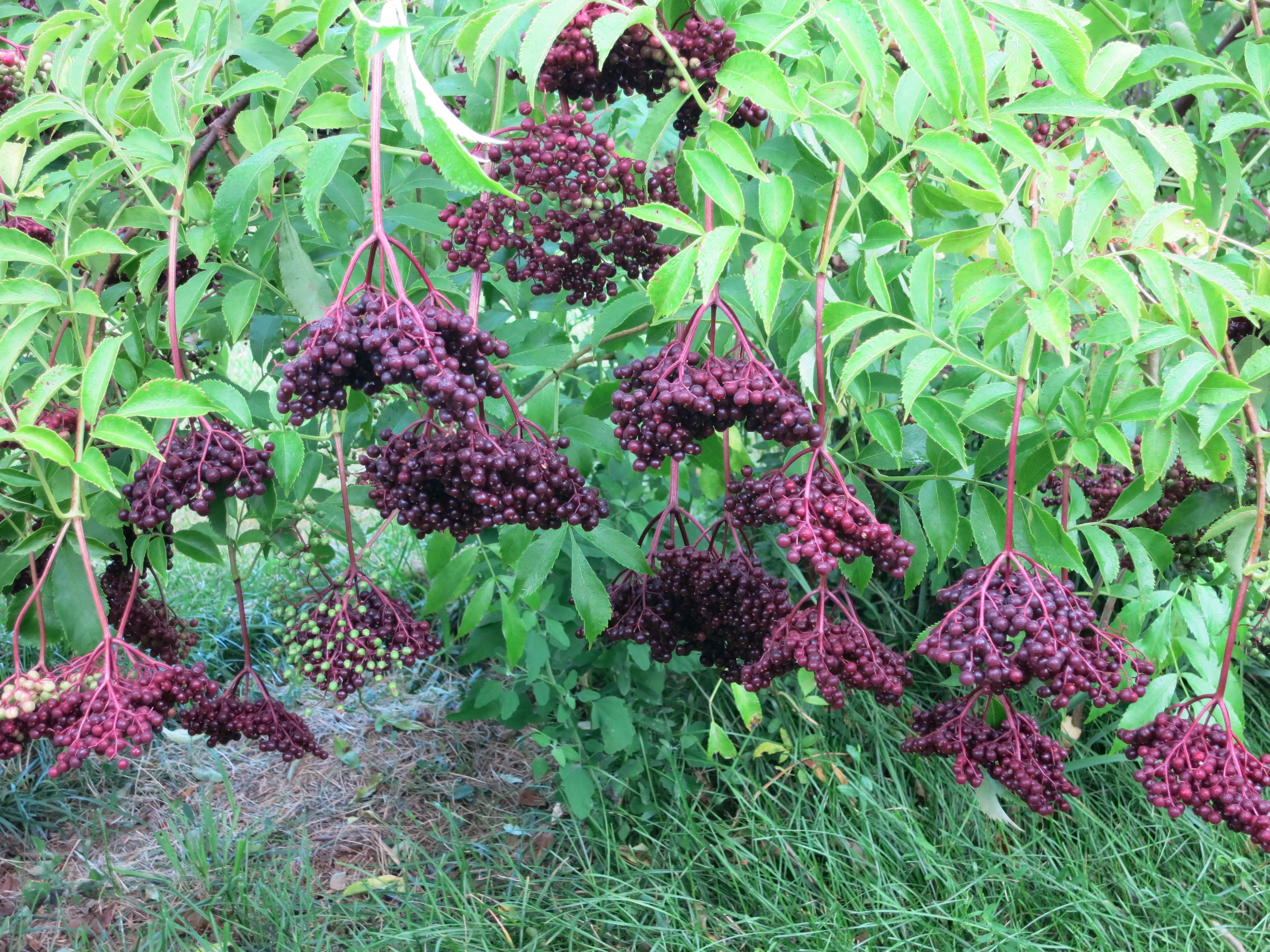
… purple elderberries. Last year we planted some elderberry bushes & they are loaded (and almost ripe). We’ll see who gets them first – us or the birds?

015

020

Our garlic is not purple (some varieties are), but it’s all harvested now & drying on racks in the barn. Once it’s dry (in a few weeks), it will be showing up in your CSA boxes.

050

049

What’s in the box?

Lettuce, collards, beets, tomatoes, onions, peaches.

extras – eggplant.

  • We snuck in a late spring planting of lettuce & it’s ready now. The more moderate temperatures lately means it tastes great (hot, humid weather like we experienced the other week makes lettuce bitter).
  • This is our 2nd year growing collards – probably one of my favourite greens. Collards are a nutritional goldmine, similar to kale & broccoli. They are low in calories, high in fibre, & rich in beta-carotene, vitamin C, calcium &  B vitamins. They are rarely eaten raw, but are best prepared by boiling rapidly for 5-10 minutes which preserves nutrients, colour & taste. Then the collards are drained, dried & sautéed in a little oil with other vegetables or herbs & flavourings. Sauteing collards without boiling first is another cooking method. It results in slightly stronger flavoured greens with a chewier texture. We have included a simple collard recipe below.
  • Beets make another appearance in your box this week. They may be orange or red beets or a combination.
  • Finally the large tomatoes are ripening (we enjoyed our first tomato sandwich today at lunch). There should be a few in your box along with lots of smaller cherry tomatoes.
  • Yes, we’re behind with our weeding (as usual) so the onions are not as big as we would prefer, due to competition from all the weeds – but the flavour is great!
  • Peaches continue to be the favourite item in the CSA boxes lately. Enjoy them again this week! Remember to store them in the fridge & bring them out about 1 day before you want to eat them. This gives them time to warm up & soften.
  • There will be eggplant available for those who want it.

Sautéed Collard Greens

ingredients

  • collard greens
  • 1 garlic clove
  • 1 tablespoon  butter
  • 1 tablespoon olive oil
  • 1 teaspoon fresh lemon juice, or to taste

preparation

Remove and discard stems and center ribs of collard greens. Cut leaves into 1-inch pieces. In a kettle of boiling water cook collards 5-10 minutes – until tender, but still bright green – and drain in a colander.

Mince garlic. In a heavy skillet heat butter and oil over moderately high heat until foam subsides and stir in garlic, collards, and salt and pepper to taste. Sauté collard mixture, stirring, until heated through, about 5 minutes.

Drizzle collards with lemon juice and toss well.

An option is to substitute carmelized onion (from your CSA box) for the garlic.
How about adding bacon?
_____________________________________________________________
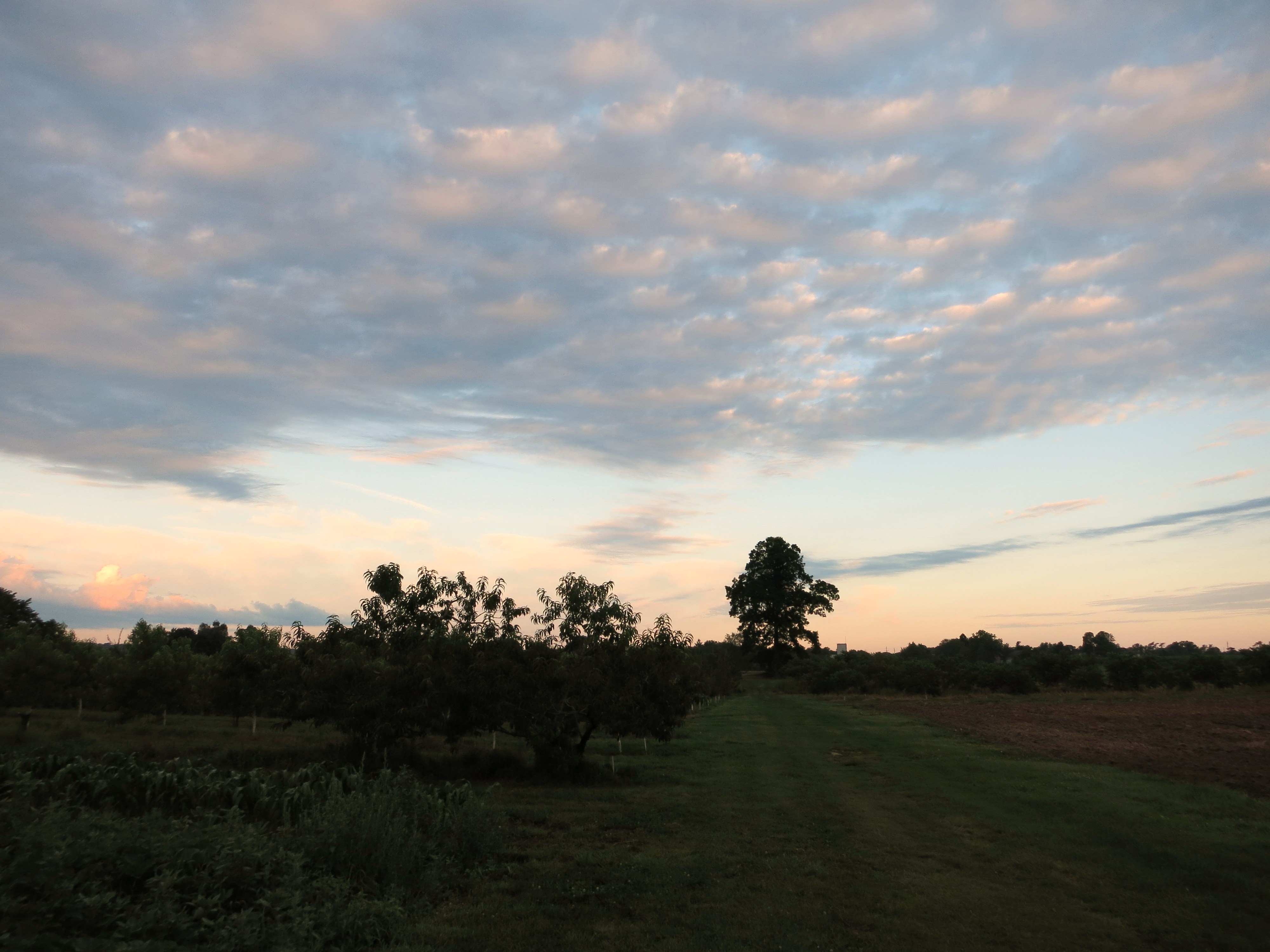
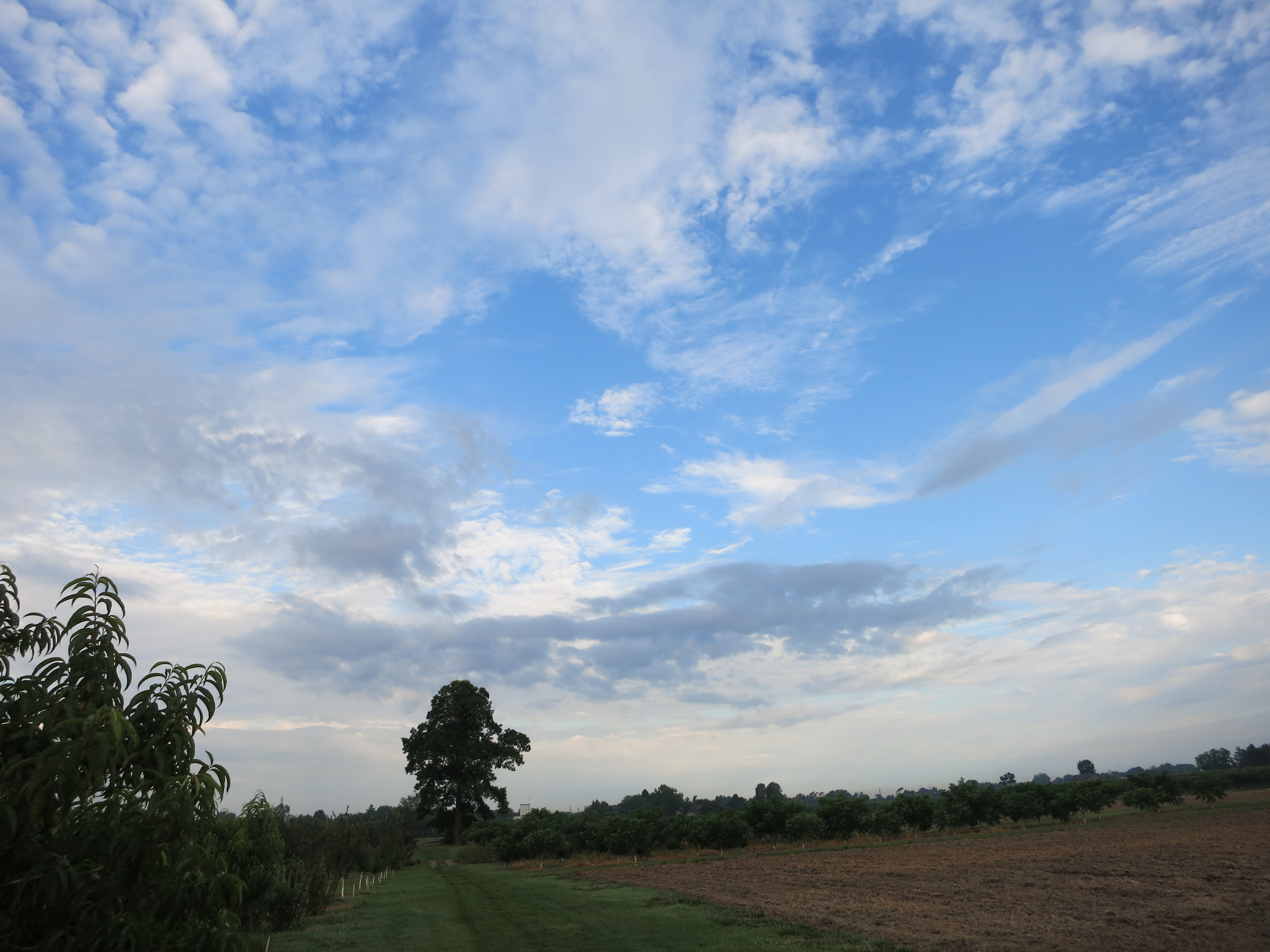
Without the high humidity this week, the skies over the farm have been beautiful!
001
002
035


Leave a comment

CSA 2015 – Week 10

This week marks the halfway point of this year’s CSA already!

What’s in the box?

Peaches, cucumbers, salad turnips, beans, tomatoes, onions, zucchini …

  • Everyone seemed very excited for the peaches last week! We hope you enjoyed them! Rest assured, there will be peaches in your share again this week, and we hope for many weeks to come. The peaches we are picking now are all beautiful, colourful & deliciously juicy & sweet.

024

025

Already some trees are empty – their peaches all picked. They can rest. Their work is done for the year.

029

  • Cucumbers appeared in last Friday’s box, unannounced. The extreme heat & humidity brought them on faster than expected. They will be in everyone’s box this week. We have green ones & white ones too. The white cucumbers are called Silver Slicer, known for their mild flavour, juicy texture & thin skin. We like them because they are better to pick – white cucumbers are easier to see in the green leaves than the green ones.

016

  • Salad turnips also showed up in your share last week. They are crunchy like a radish, but without the sharp flavour. Eat them raw as a snack or slice into salads or sandwiches.
  • Along with the green beans this week we have more of the yellow beans with purple stripes called “dragon’s tongue”. We think they taste better but you can decide that for yourself. Let us know how you like them and we can grow more of them – or less – next year! Unfortunately they lose their purple stripes when cooked.
  • Tomatoes, onions, & zucchini are staples in the box this time of year. The tomatoes were especially happy for the bit of rain we received on the weekend. It perked the plants up & will hopefully speed up the ripening too. Our zucchini is somewhat of a disappointment this season – so many odd shapes & weird colours. While they might look strange, they still taste good though!

022

  •  … there may be other vegetables in your box again this week? Sometimes we don’t know what’s all there until we start picking on Tuesday morning. And by Friday other things may have ripened, or be finished. So … surprise!

Here are some pictures of the CSA pick up last week …

a full share box.

035


010

012

026

029

Fruit & vegetables are not the only things growing on the farm. The chickens & ducks seem to be getting larger by the day!

008

014


1 Comment

CSA 2015 – Week 9

This week finishes off the month of July, and begins August. That means summer is about half done.

A lot of our crops are done as well, and we are beginning some new vegetables & fruit.

Raspberries, broccoli, snow peas & lettuce – all finished!

Peaches, tomatoes, beans, eggplant & peppers are beginning – it’s a very good time of the summer!

009

010

002

006

Here are a few random & educational peach facts …

This is mostly a rerun of a blogpost I wrote last summer, but I will repeat it especially for our new CSA members.

  • Peach season here in Niagara begins at the end of July or in early August, and finishes around the middle of September – depending on the weather.
  • On our farm we grow 25 varieties of peaches. Each variety ripens at a different time, making for a longer peach season.
  • We pick a peach tree 3-5 times, usually every 2 or 3 days, choosing only the ripe, mature fruit each time. A ripe peach will have a yellow background, not green. It will still be firm but not hard. While a soft peach will be the ripest & sweetest, it will not stand up to picking, packing & shipping to market.
  • A peach will continue to ripen & will soften if left at room temperature. It should only take a day or 2.
  • Ripe peaches can be stored in the fridge without affecting the flavour.
  • Each variety of peach has a name. It comes with this name – we don’t name it! The name often indicates the origin of that variety. Peaches that were bred at the government-run agricultural research station at Vineland have names beginning with “V” such as Vivid, VeeBlush, Vinegold. (Now called The Vineland Research & Innovation Centre, it is again breeding peaches which is very exciting).  Names beginning with “H” were developed at the Harrow Research Station (Harrow Diamond, Harrow Dawn, Harbrite… ). New Haven, Michigan is the home of Redhaven, Sunhaven & all the other “haven” peaches. Lately, new peach varieties come from private breeding programs in Michigan including the “star” series of peaches (Starfire, Blushingstar, Coralstar …).
  • Redhaven is the most widely known variety of peach. This does not mean it is the best, or tastes the best, or even looks the best. To reject a peach simply because it is not a Redhaven means you are missing out on an abundance of good peaches.
  • “Freestone” is not a variety of peach. Freestone means that the flesh of the peach is not tightly attached to the pit or stone. “Clingstone” means that the flesh is tight to the pit. To reject a peach because it is not freestone means that you are missing out on an abundance of good peaches. Sure it is a bit more work to cut or chew around the pit – but it’s worth it! Most of the earlier peaches are clingstone. Peaches ripening from mid-August on are mostly freestone.
  • Most peaches grown in Ontario are for eating fresh, not for canning or processing. Except for a few small peach processors, there is no canning industry left in the province. The last canner shut it’s doors in 2008 sending production overseas. Any canned peaches on our supermarket shelves now come from other countries. Babygolds & other similar clingstone varieties that were grown for the canning market have now been mostly removed and replaced with other kinds of peaches (or grapes).
  • Our peaches are sprayed with pesticides – fungicides for rot & disease, and insecticides for insects & bugs. We use both organic & chemical sprays. The weather is the main determining factor in how often & what kinds of pesticides we use.  Orchards are monitored for insects & diseases and sprayed only as necessary. (Organic fruit is also sprayed – but with only organic pesticides). Growing peaches without any pesticides in our humid climate is not possible!
  • Peaches can be canned, frozen, made into jam, grilled on the BBQ, used in baking (think peach pie, peach tarts, peach cake…), smoothies & milkshakes, ice cream and of course eaten fresh. No matter how you eat them, peaches taste great!

What’s in the box?

Peaches, tomatoes, green beans, zucchini, onions.

  • It is exciting to have peaches for the first time this season. The variety is Harrow Diamond, an early, colourful, & delicious peach. Our peach packing line also washes them & brushes much of the fuzz off, leaving a smooth, ready to eat peach. Storage tip – peaches that will be eaten within a day or 2 can be left at room temperature to finish ripening & soften. The others should be stored in the fridge & brought out a day before eating.
  • Their are enough tomatoes ripe now that we can begin to offer them in your CSA box. There will be a combination of large & cherry size, and possibly many colours.
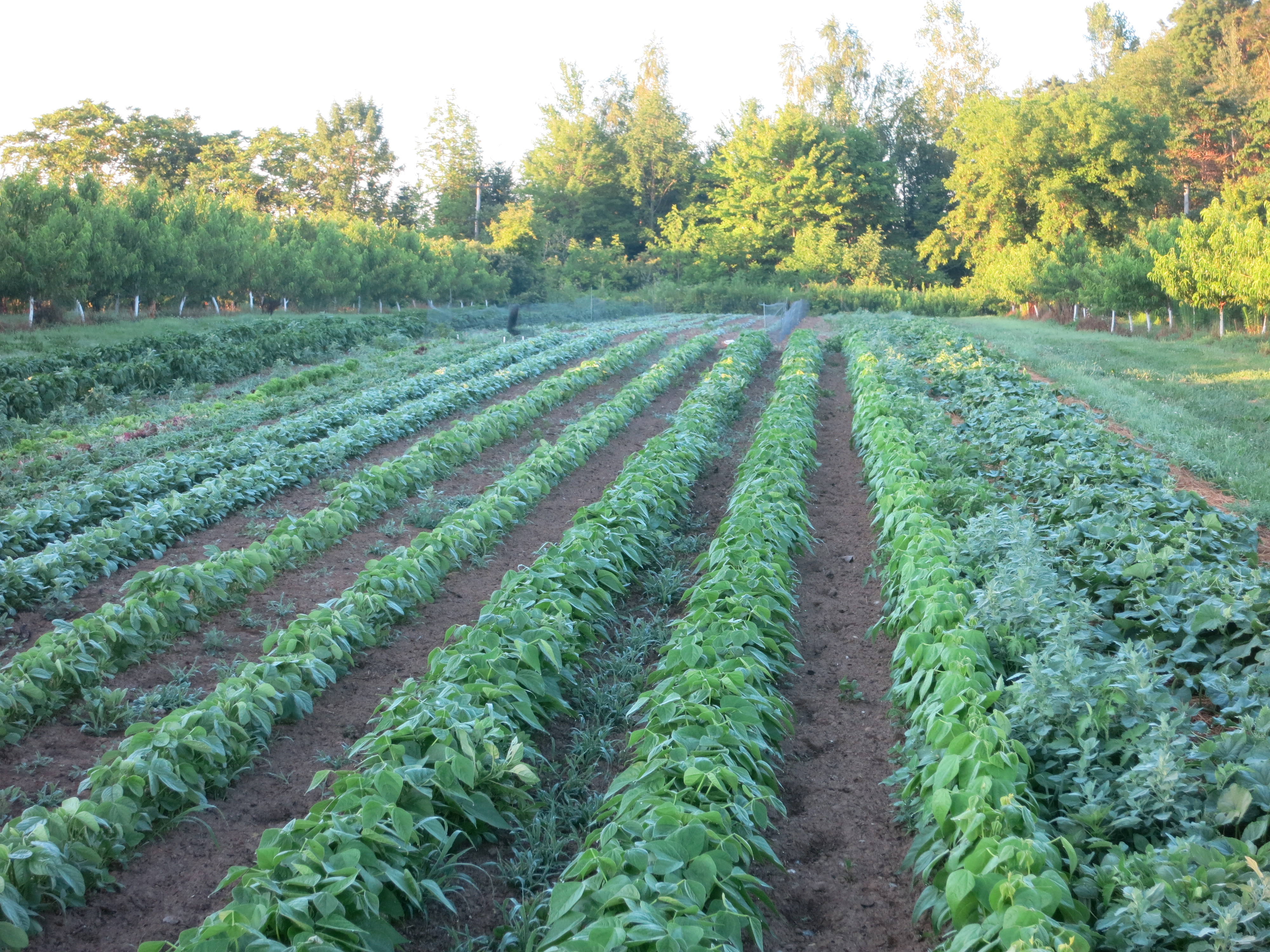
  • The 3rd new item in the share this week is green beans. The hot weather is bringing them on quickly.
  • Zucchini & onions continue …

Here are 2 recipes that CSA members shared with us this week that feature zucchini. Thank you Taryn & Tamara!

Zucchini Fritters

1 large Zucchini

2 cloves of Garlic grated

¼ cup of onion grated

1 large Egg

¼ cup of Parmesan grated

¼ cup of flour

Salt and Pepper to taste

  • Grate the zucchini, salt and place in colander or cheese cloth to drain as much as the liquid as possible, you want dry zucchini
  • In a large bowl combine zucchini, flour, parmesan, garlic, egg, salt and pepper
  • Heat olive oil in a skillet over medium heat. Scoop tablespoons of batter for each fritter and flatter with a spatula for even cooking, until golden brown – about two minutes. Flip and cook the other side – about 1-2 minutes.

Tips

  • I’ve used green, yellow, and red onions, I tend to use whatever I have lying around but they are both tasty
  • I’ve completely omitted the cheese and they still taste delicious (if I do use the cheese, I generally need to add less salt)
  • You can swap out regular garlic for garlic scapes, just chop them up finely
  • I’ve used white flour, whole wheat flour, rice flour, and also Italian breadcrumbs and panko breadcrumbs instead of flour and they all work, you may just have to adjust the amount you add, you want to make sure the batter will stick together in the pan and not fall apart on you (or alternatively be really too wet and fall apart on you)
  • Feel free to add anything else you may think taste delicious! I tend to use these “fritters” as a base to help use leftover CSA basket items!

Vegan Chocolate Zucchini Bundt Cake

The link to the recipe is – http://cake-decorating.wonderhowto.com/how-to/make-vegan-chocolate-zucchini-bundt-cake-344598

_____________________________

Everyone was warm & weary today due to the hot, humid temperatures.

Keeping hydrated was important!

011

Some of us had to work regardless of the heat while others were able to take it easier!

013

019


Thank you for continuing to return all boxes & containers!


Leave a comment

CSA 2015 – Week 8

We don’t usually give organized tours of our farm. I always feel that our farm is pretty boring – just rows of trees & vegetables .. lots of grass & weeds in between … a few chickens, ducks & 1 rabbit. Nothing too exciting.

But last week was the exception & we gave 2 tours.

On Tuesday a group of 4-H club members from Saskatchewan together with their Ontario hosts visited, and on Saturday we had our CSA open house.

Unfortunately for the 4-H group the day was rather rainy & wet. We took a quick walk through the orchards as many of these students had never been on a fruit farm before. A highlight was eating cherries off the tree. One of the trees we had not picked still had some very ripe & very sweet cherries (with a lot of rotten & cracked fruit too). We let them eat all the cherries they wanted – they did not find that boring!

Our CSA open house on Saturday was extremely hot & humid. Thank you to those members who came out to have a look around anyways! It was good to show you how we grow the fruit & vegetables that appear in your CSA box, and to visit together.

For those that could not join us, here are some pictures of how things are looking on the farm right now …

011

Everyone is excited for peaches! We hope to begin the harvest later this week.

010

007

Right now we are scrambling to keep up with suckering (pruning) & tying the tomatoes

036

063

They look good when we are finished – at least for this week!

058

The tomatoes are ripening too …

034

038

We transplanted cabbage into the field the other week. Of course the rabbits found it & started to feast, so we replanted & then fenced the cabbage patch to keep those bunnies out!

056

Other vegetables growing include …

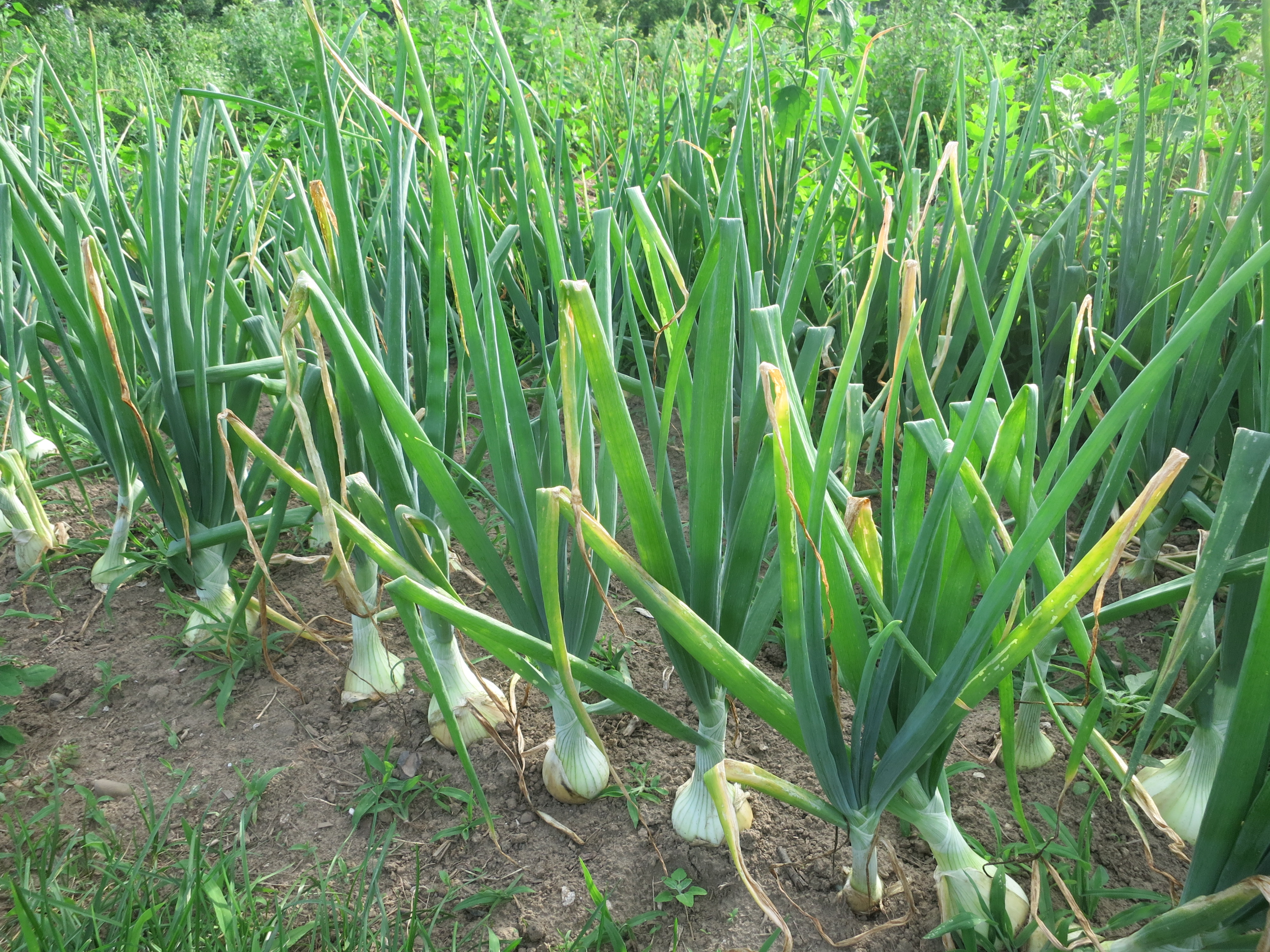
onions – part of your CSA share this week,

053

peppers, beans & cucumbers,

031

Swiss chard,

021

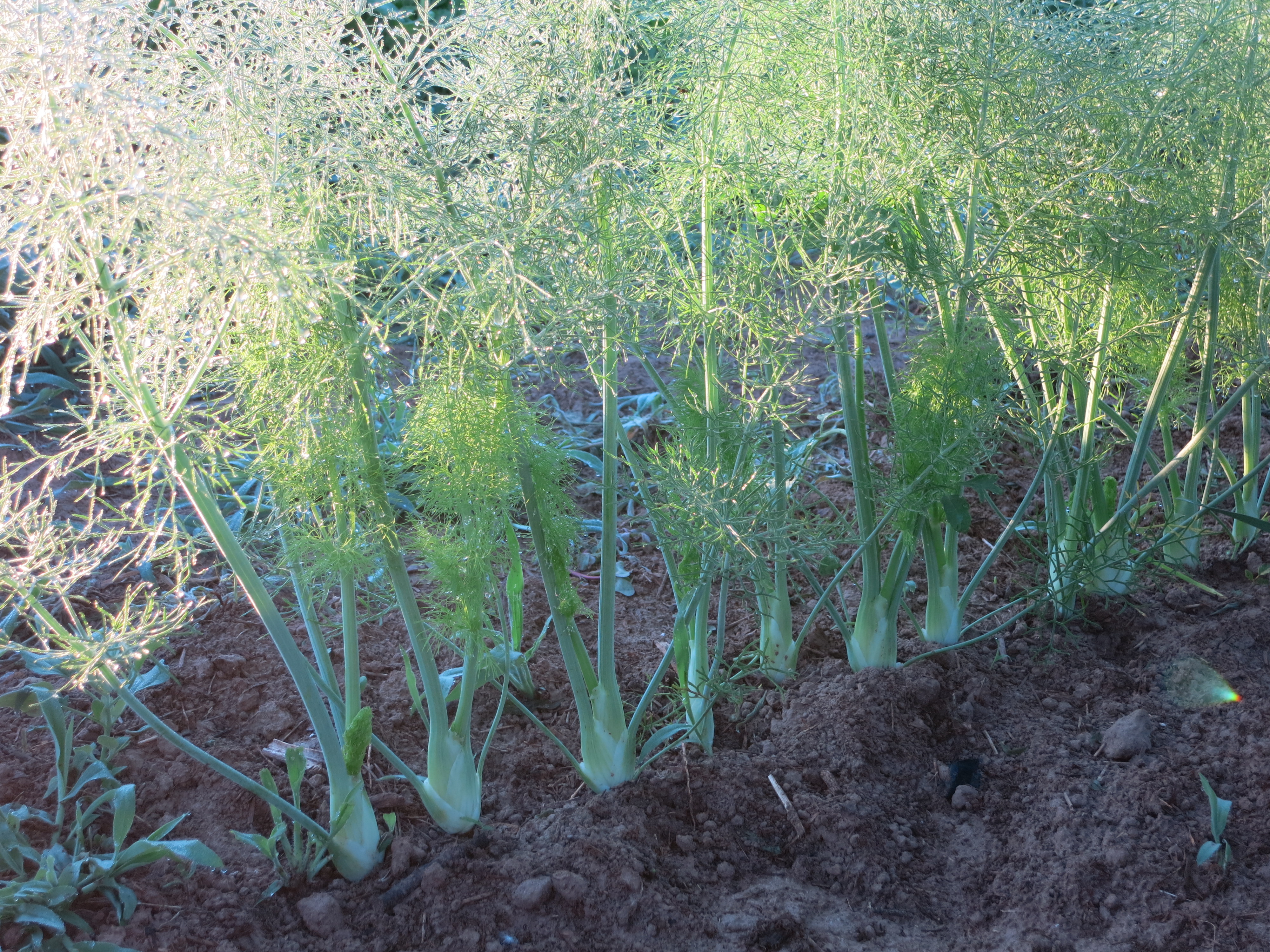
fennel bulbs,

019

& winter squash.

013

What’s in the box?

Onions, zucchini, beets, snow peas, lettuce, raspberries …

  • Everyone enjoys the Ailsa Craig heirloom onions that we have been growing the last few seasons. They’re still a little small, but each week the size will increase. These onions are a sweet treat!
  • Zucchini & beets are a part of your box again. We hope you’re still excited to see zucchini – they are really just starting & should be around for a while.
  • Snow peas don’t usually last this far into the season but the cool nights last week prolonged the harvest. We’ll see what effect the hot temperatures of the past weekend will have for the harvest later this week.
  • The lettuce still tastes good, so keep eating your salads!
  • We picked the raspberries today – the warm weekend made for an abundant harvest! But they are rapidly coming to an end. We hope there will be a good amount for Friday’s pick-up as well – but no guarantees!
  • … we have begun to harvest some other vegetables. There’s not a lot of them yet, but maybe enough for a taste … ?


Leave a comment

CSA 2015 – Week 7

Of all the jobs that we do on the farm, the one that puzzles people the most, the one that causes head shaking, the one that is least understood, is fruit thinning. Since growing fruit is our business, why would we deliberately remove fruit – sometimes lots of fruit – from the trees. We’ve been called crazy (or worse) & it’s been suggested that we have lost our minds when people see us thinning the fruit trees.

But there are good & sound reasons for thinning fruit. Often a tree will set a lot of fruit – more fruit than it is capable of growing to a marketable size. So we remove a portion of the crop.

We thin both for tree & for the fruit. A too large crop could cause the tree to use all its energy to bring the fruit to maturity, leaving it without the necessary strength to keep growing. If there are added stresses such as hot & dry weather or too much rain, insects or diseases … the tree could die. Additionally, the weight of all that fruit could cause branches to break. Too much fruit also means smaller fruit. It is preferable to have less but larger fruit – they look better, sell better & are worth more money.

And so we thin. On our farm we thin pears & peaches almost every year & often plums too. But all fruit can benefit from thinning if the crop is heavy – pears, peaches, nectarines, plums, apples, grapes & even cherries. Before we thin we wait for the tree to do its own thinning. It’s called the June drop. Most trees will drop a portion of their crop in mid-June – often fruit that is deformed or not properly pollinated, or just because there is too much! If we thin before the tree does its thing, we risk losing more fruit than we want. But when we see little fruit scattered under the trees we know we can safely finish the job.

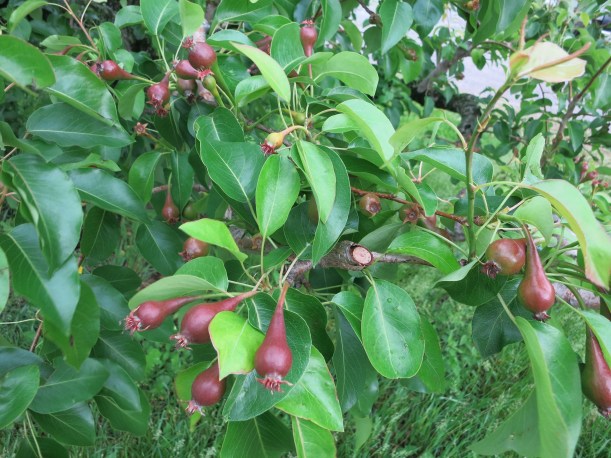
Large pears are what the market wants, and they grow slowly, so we thin them first. We use small clippers to cut the pears off & try to space them about 8 or 9″ apart on the branch. Yes, it’s a slow & somewhat tedious job!

Here are the pears in mid-June ready to thin …
005

The pears today …

024

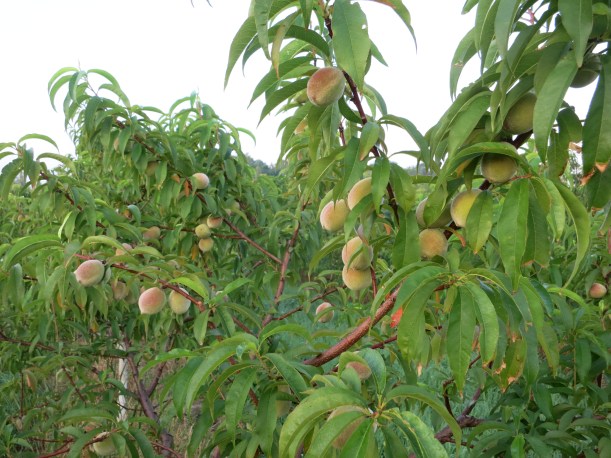
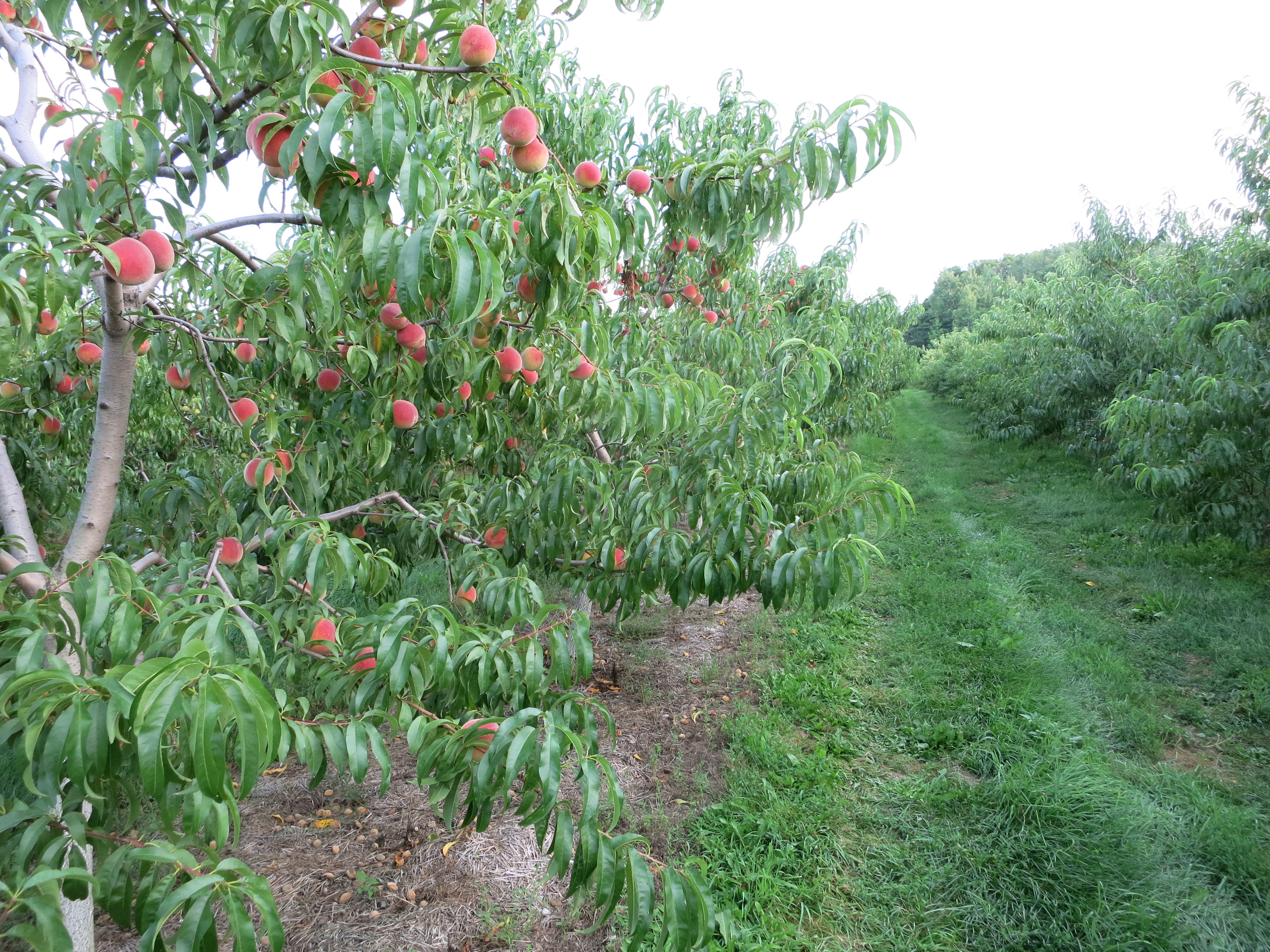
Peaches are easier to thin as they can be flicked off with your thumb & index finger. (The issue with peaches is the fuzz. The peach fuzz builds up between your fingers, in your elbows & especially in your neck. Mix it together with sweat on a hot, humid day & things can get rather itchy to say the least). The early maturing peaches that ripen before the middle of August don’t have as long to grow so we thin them about 8 or 9″ apart. We don’t thin the earliest varieties until their pits have hardened. Peach pits are soft & juicy until about the end of June when they begin to solidify & turn hard. If we thin before this happens, the pits will split apart as the peach grows and the peach will be open at the stem end allowing rain to enter & the fruit will rot. Insects will also take advantage of the opening & move in. Timing is critical! Later peaches have longer to achieve their size so we thin them about 6″ apart on the branch. When the crop is especially heavy, some farmers will use plastic baseball bats or pieces of hose to break the clumps of peaches, and follow with hand thinning. We just use our hands – it’s too easy to get carried away with a hose & whack the whole crop off! Thinning can be done by feel – it’s almost not necessary to even look at the tree.  But a good thinner will look at the fruit & try to remove the smallest, the blemished & misshapen fruit.

Some peach thinning before & after shots …
009

010

024

025

We try to finish our peach thinning by mid-July. This season we are a bit behind, as all hands have been busy picking cherries & now raspberries. But we’re hoping to catch up soon. Everyone is anxious for big, sweet, juicy & delicious peaches!

What’s in the box?

Raspberries, broccoli, lettuce, zucchini, beets (red or golden), garlic scapes, basil plants.

  • Raspberries are at their peak this week, so expect more of these sweet, red & delicious berries in your share.
  • This is the 4th week for broccoli – and maybe the last. We hope you are still enjoying it. Has it been too much or just enough? We have included a recipe below for broccoli slaw courtesy of one of our CSA members (thanks Shelley!).
  • The lettuce is tasting good so it’s part of the box again this week.
  • Back at the end of May we had that frost that damaged the zucchini and set them back. Well, the plants that made it through are starting to produce now so there is finally zucchini (green, yellow, striped or patty pan) in the box.
  • We will have beets this week. When we pick tomorrow we’ll see if they are red or orange or a combination.
  • Garlic scapes are a favourite for many. They are the top of the garlic plant. We cut them off so the garlic puts all it’s energy into forming a nice big bulb underground. Leaving the scapes to grow would produce flowers & seeds instead, which we don’t need or want. Use them wherever garlic bulbs are used – raw or cooked. Their flavour is a bit milder than garlic. We have included our recipe for garlic scape pesto – a favourite of garlic lovers!
  • Back in spring when we were offering herb plants, many of you asked for basil plants. Finally we are having basil weather – hot & sunny – so we will have basil plants available for those who want them. Plant them in the garden or in a larger pot, or just cut & use the plant as is – your choice!

Broccoli Slaw

  • 1 bunch broccoli
  • 1/2 cup each slivered red onion and thinly sliced celery
  • half sweet red pepper, seeded and slivered
  • 1/3 cup each white vinegar and vegetable oil
  • 3 tbsp granulated sugar
  • 1 tsp paprika
  • 1/2 tsp salt
  • 1/4 tsp black pepper
  • 1/2 cup roasted unsalted sunflower seeds (optional)


Trim and peel broccoli stalks; chop coarsely. Cut florets into small pieces.  In a large bowl, stir together broccoli, onion, celery and red pepper.

Whisk together vinegar, oil, sugar, paprika, salt and pepper. Continue to whisk until sugar melts and dressing thickens slightly.  Pour dressing over broccoli mixture; toss well. Refrigerate salad, covered, for at least 4 hours or up to 24 hours.

Just before serving, add sunflower seeds (if using). Toss well.

Garlic Scape Pesto

Ingredients:

  • 1 cup freshly grated Parmesan cheese
  • 1-2 tbsp lemon juice (or lime)
  • 1/4 pound roughly chopped scapes
  • 1/2 cup olive oil
  • salt to taste

Directions:

Puree scapes, olive oil, & lemon juice in a blender or food processor until nearly smooth. Gently stir in cheese. Taste & adjust juice & salt to taste.

Serve as a spread on bread or crackers, a dip for vegetables, or on pasta or pizza.

Store in refrigerator for 2 -3 days. Pesto can be frozen for longer storage.

Thank you for returning all boxes & containers!

Please do not leave your vehicle idling while you pick up your CSA box.