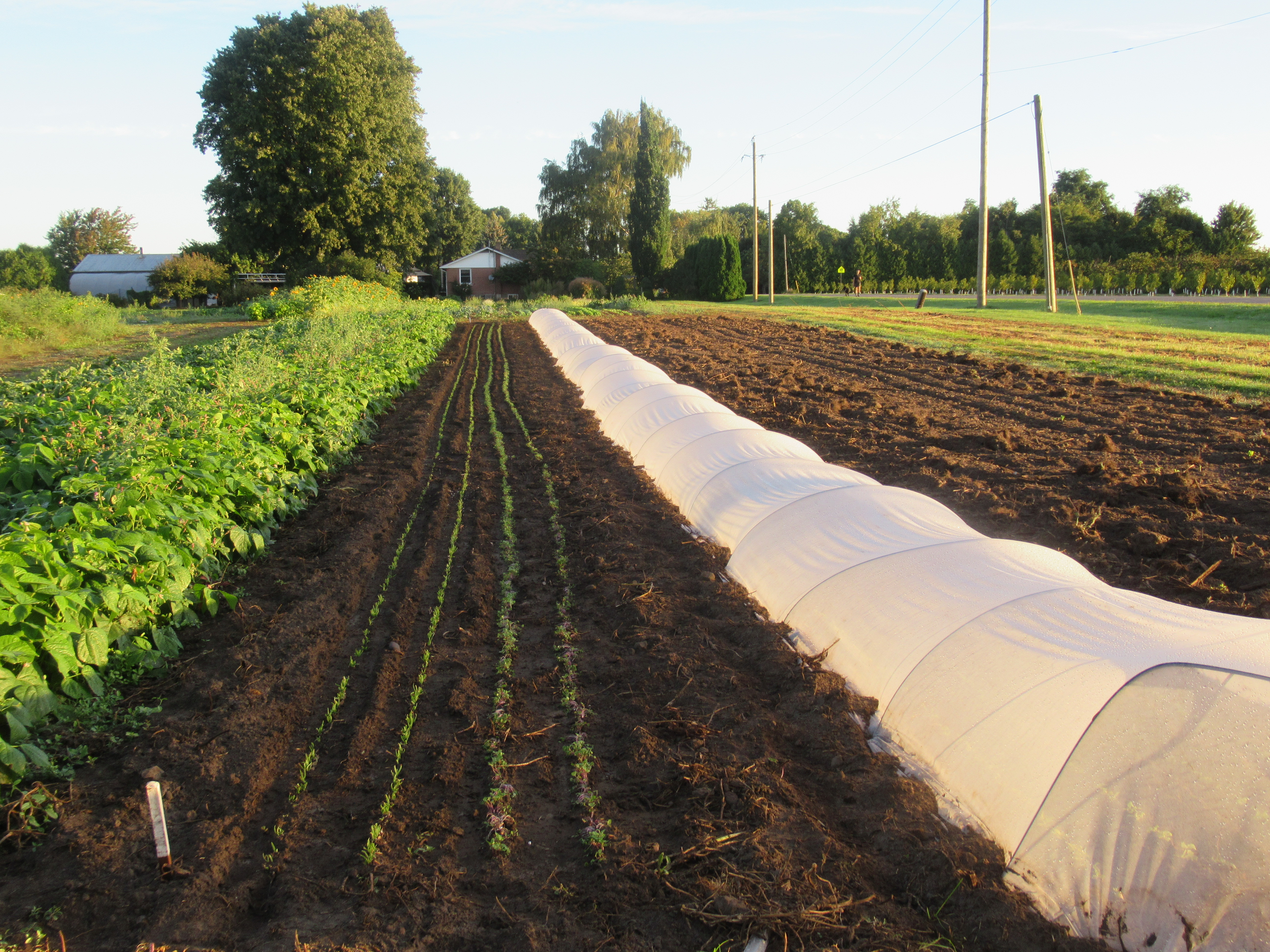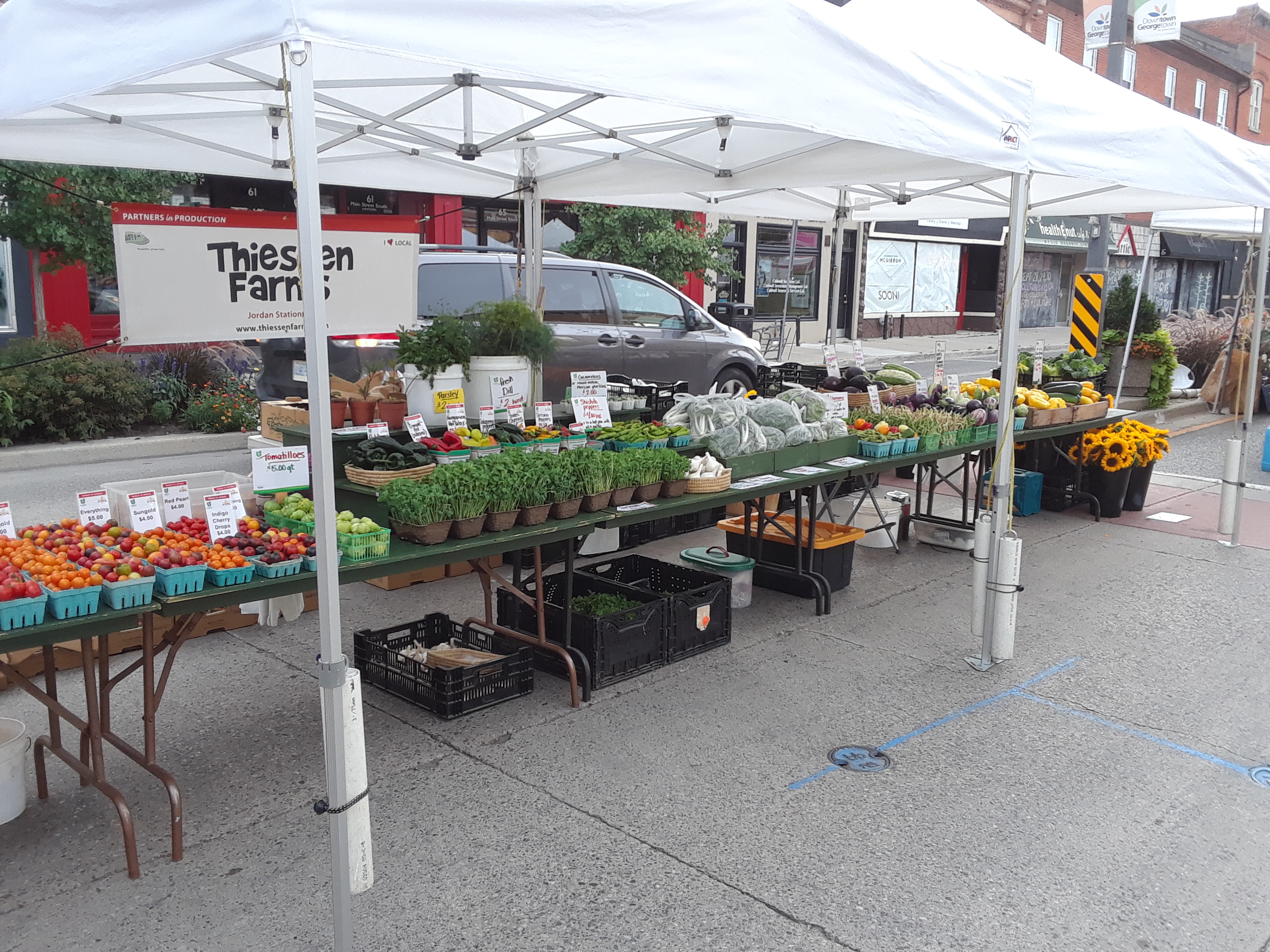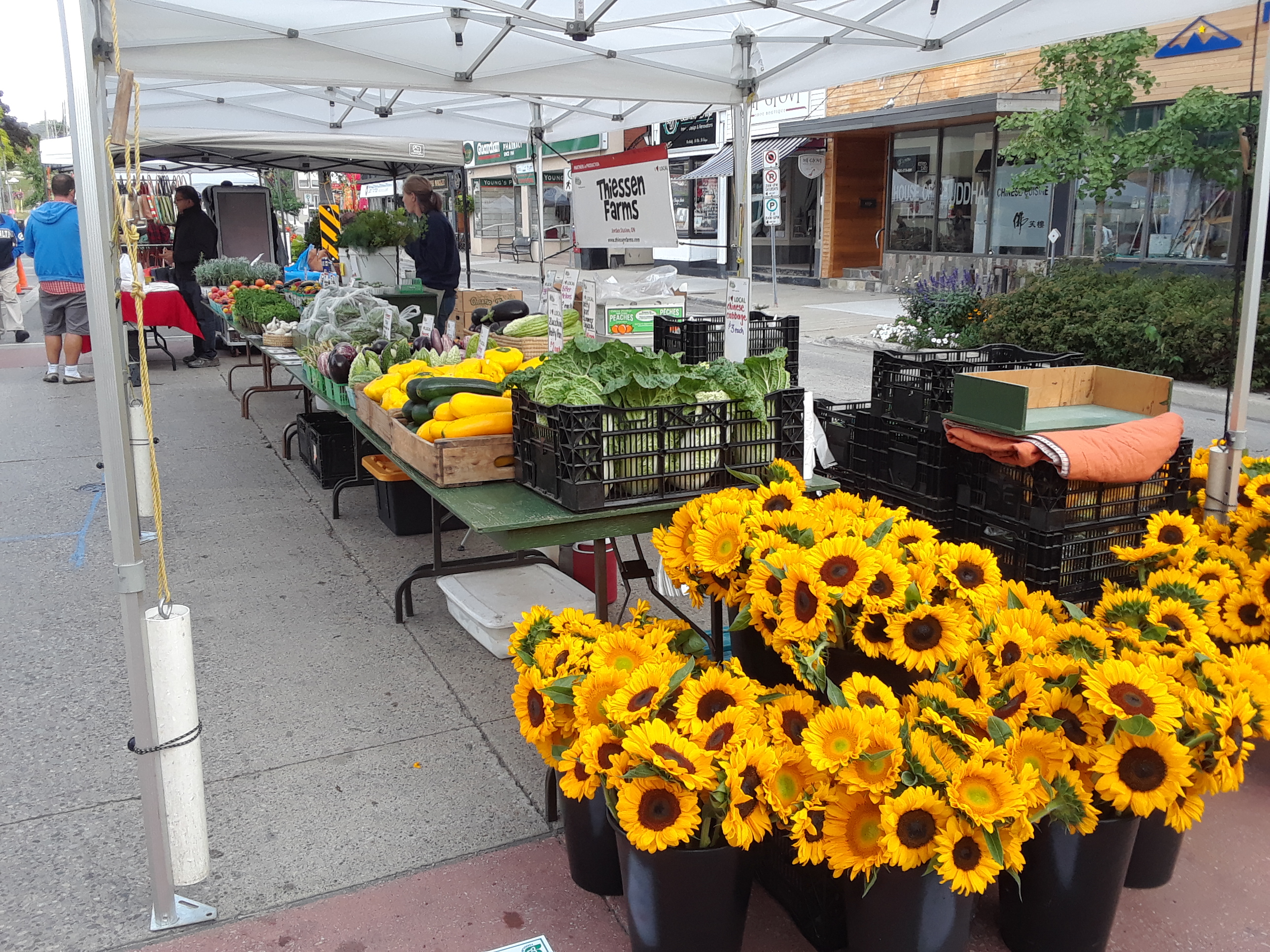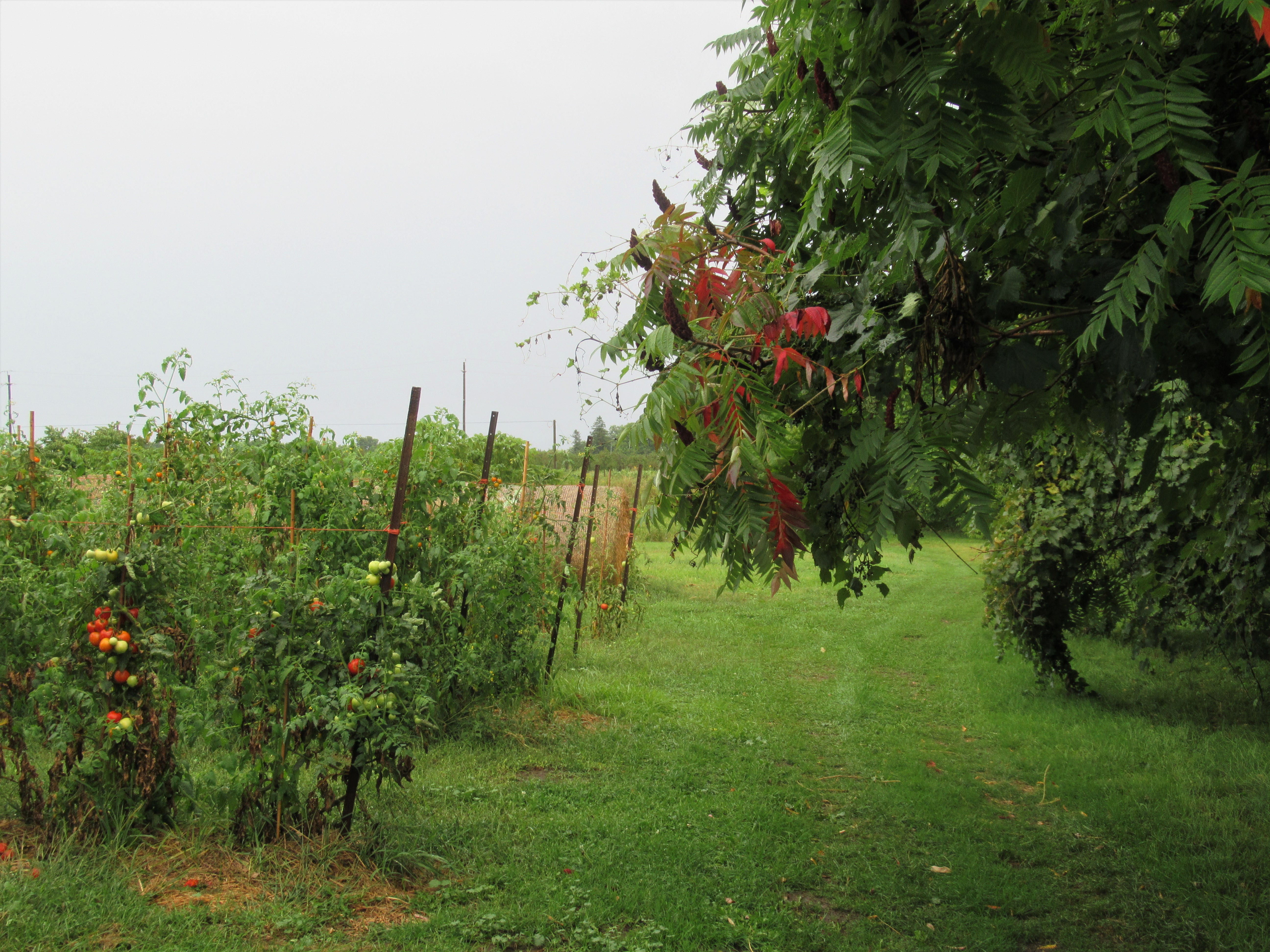

Keep updated on all that is happening around Thiessen Farms!


1 Comment

CSA 2018 – week 6

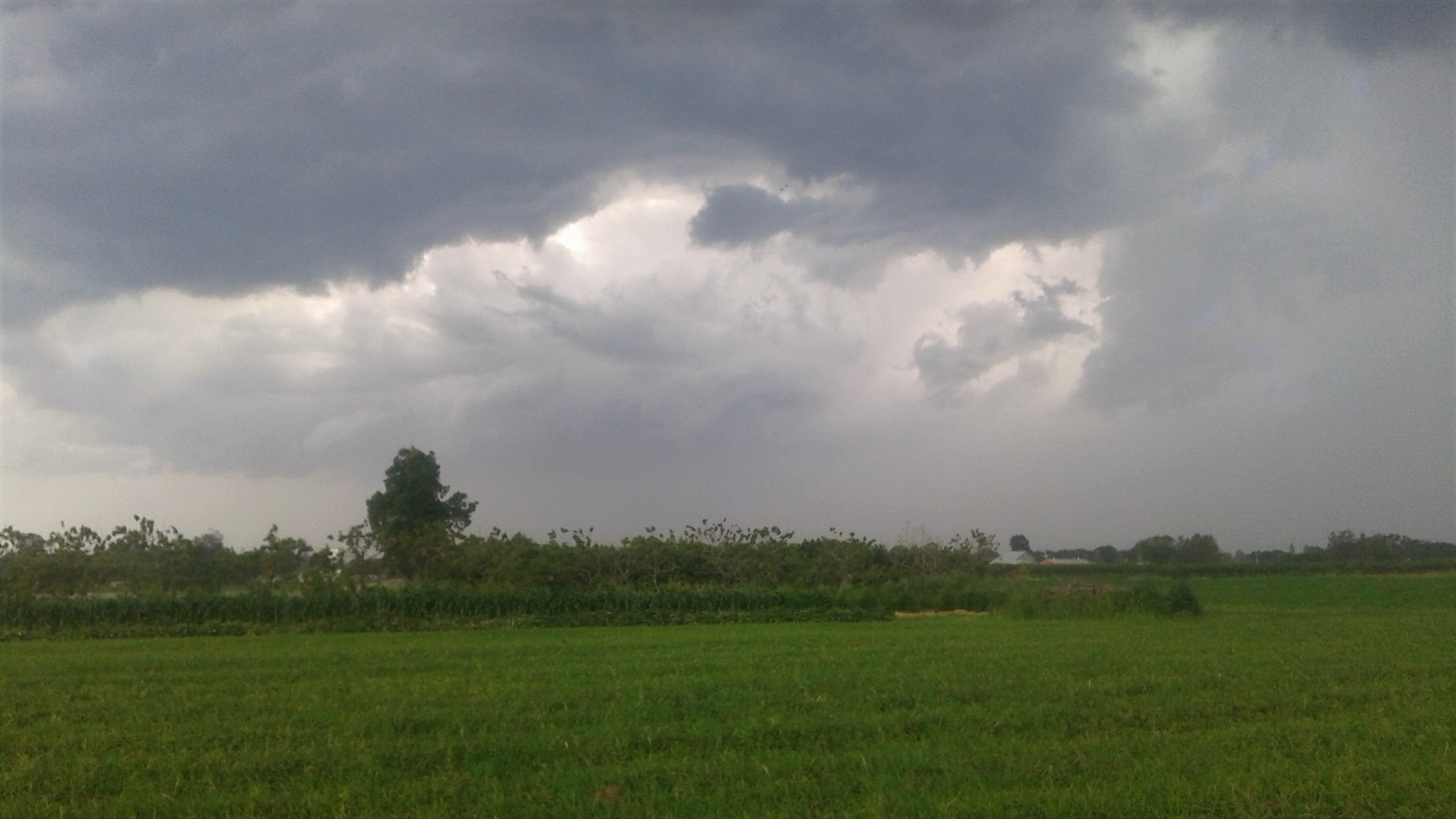
It’s hot!

It’s really hot!

This isn’t news to anybody in this part of the country. Day after day of temperatures in the 30’s, but feeling like 40+ (not to mention the humidity)!

Not just people are feeling the effects of this heat. The farm is hugely affected too.

Some vegetables thrive in the heat …

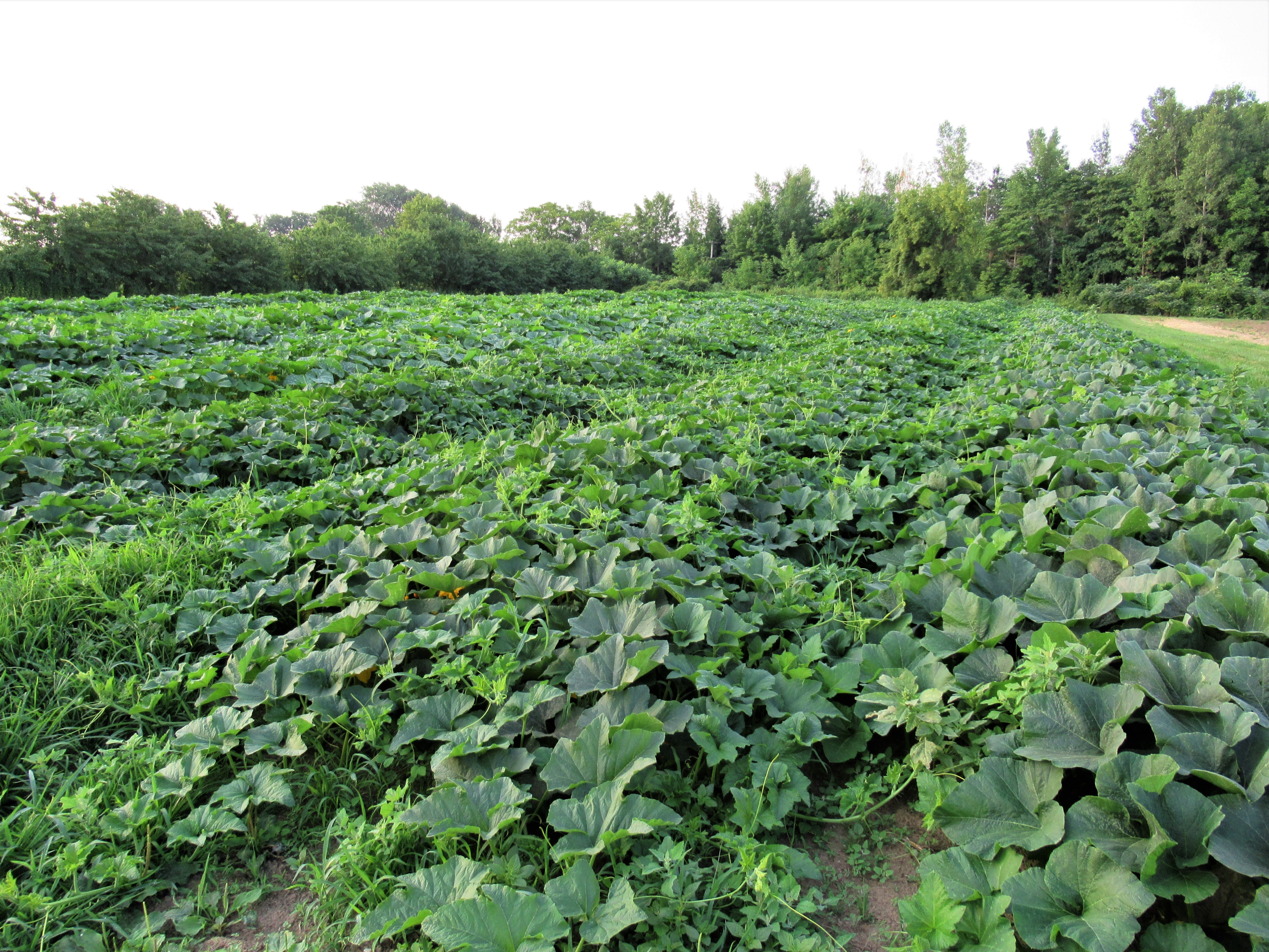
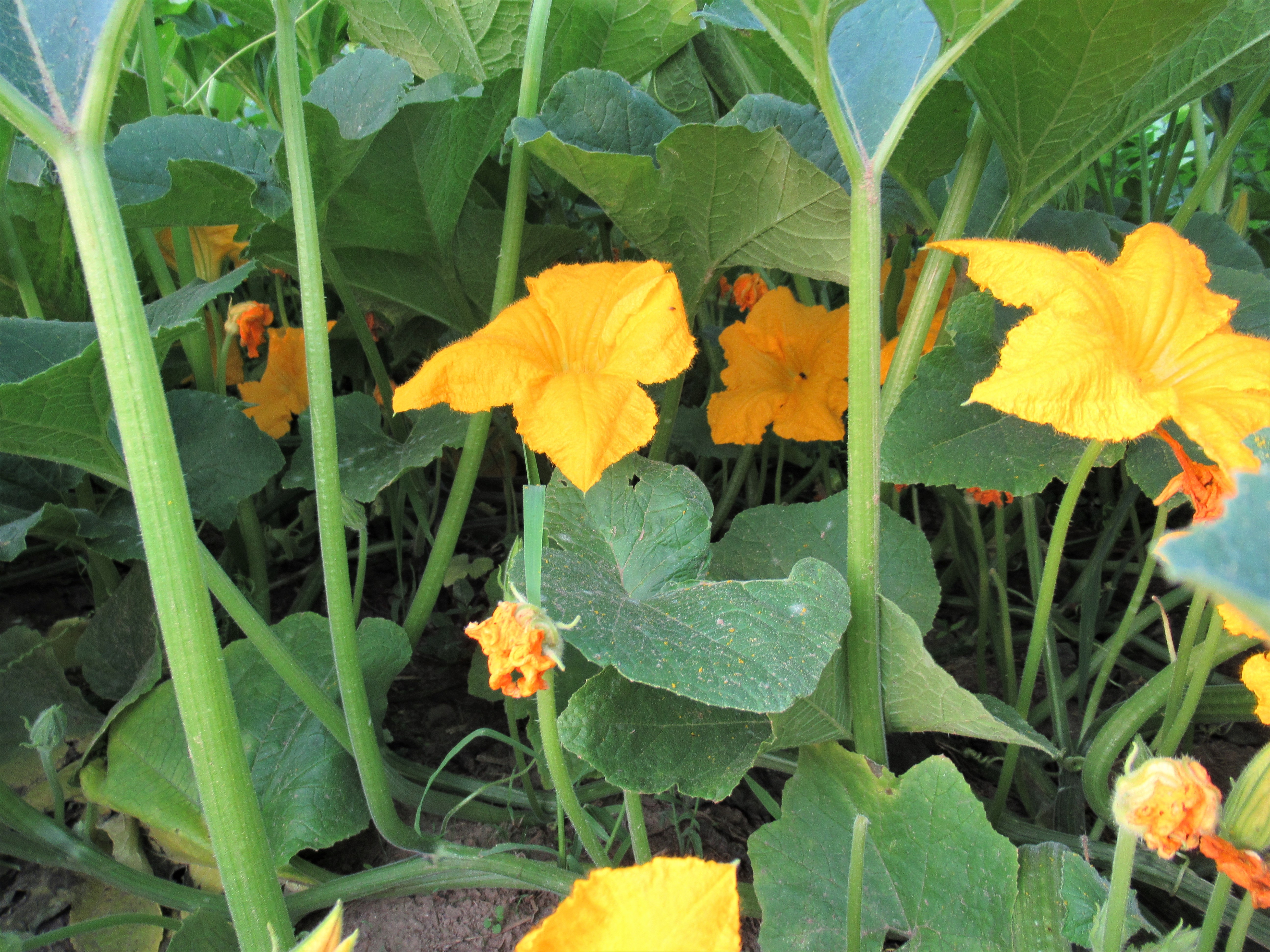
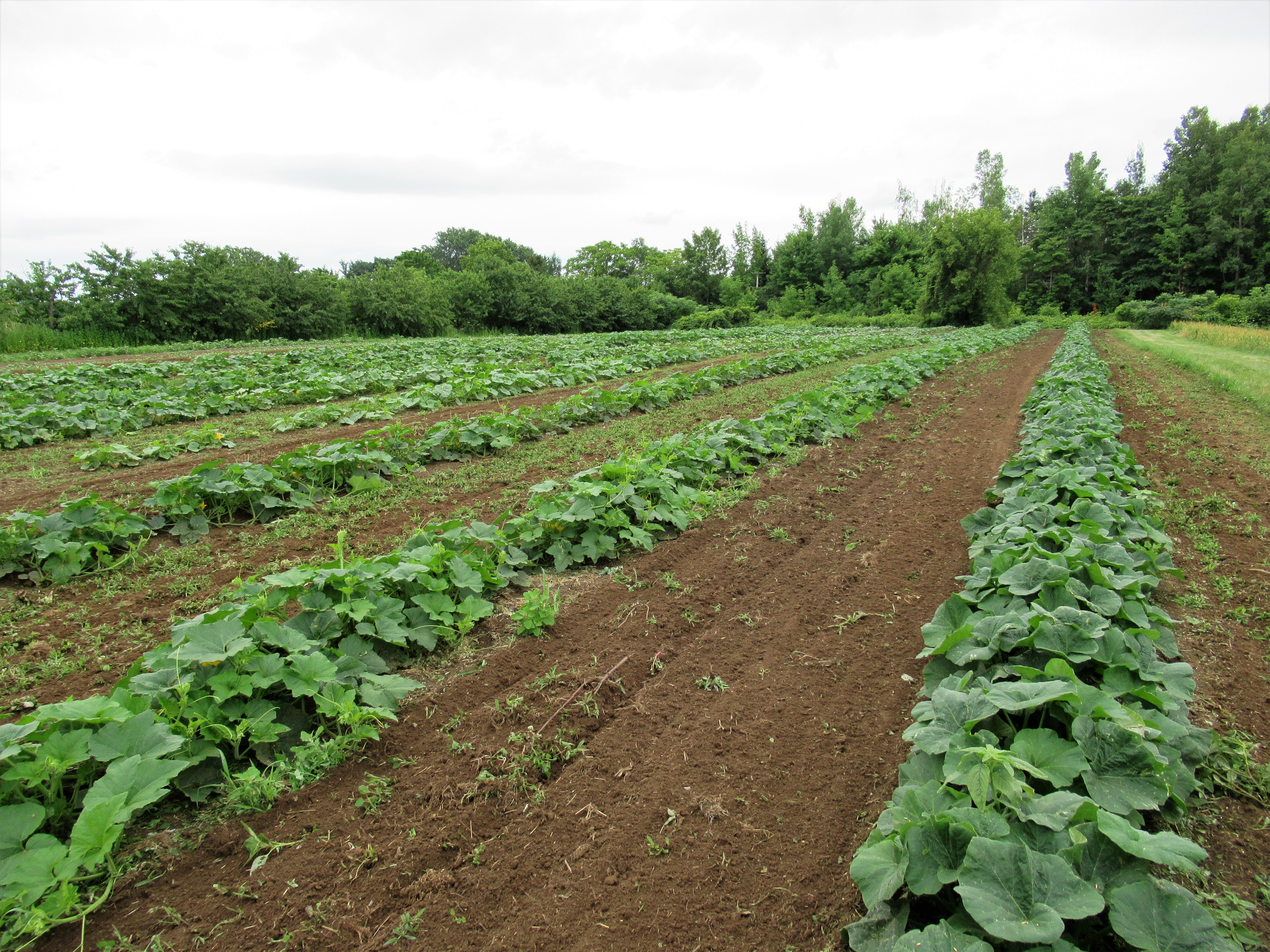
The zucchini patch is growing by leaps & bounds. Zucchini really flourishes in this kind of weather. While best picked every other day, we skip the weekend which means a lot of large zucchini on Monday morning!
Hot weather also brings out the insects. (Generally hot weather brings more insect damage while wetter weather causes more disease issues.) Our zucchini plants were covered with cucumber beetles, a tiny black & yellow striped insect which eats leaves, blossoms & fruit and causes a lot of destruction. They also transmit diseases which can reduce yield, & eventually destroy the plants.

To combat the cucumber beetles I sprayed with kaolin clay an organic spray which covers the plants & fruit with a white powdery layer, making it unappealing to the bugs. It’s not a foolproof solution, but it does help and we find it preferable to using chemical pesticides.

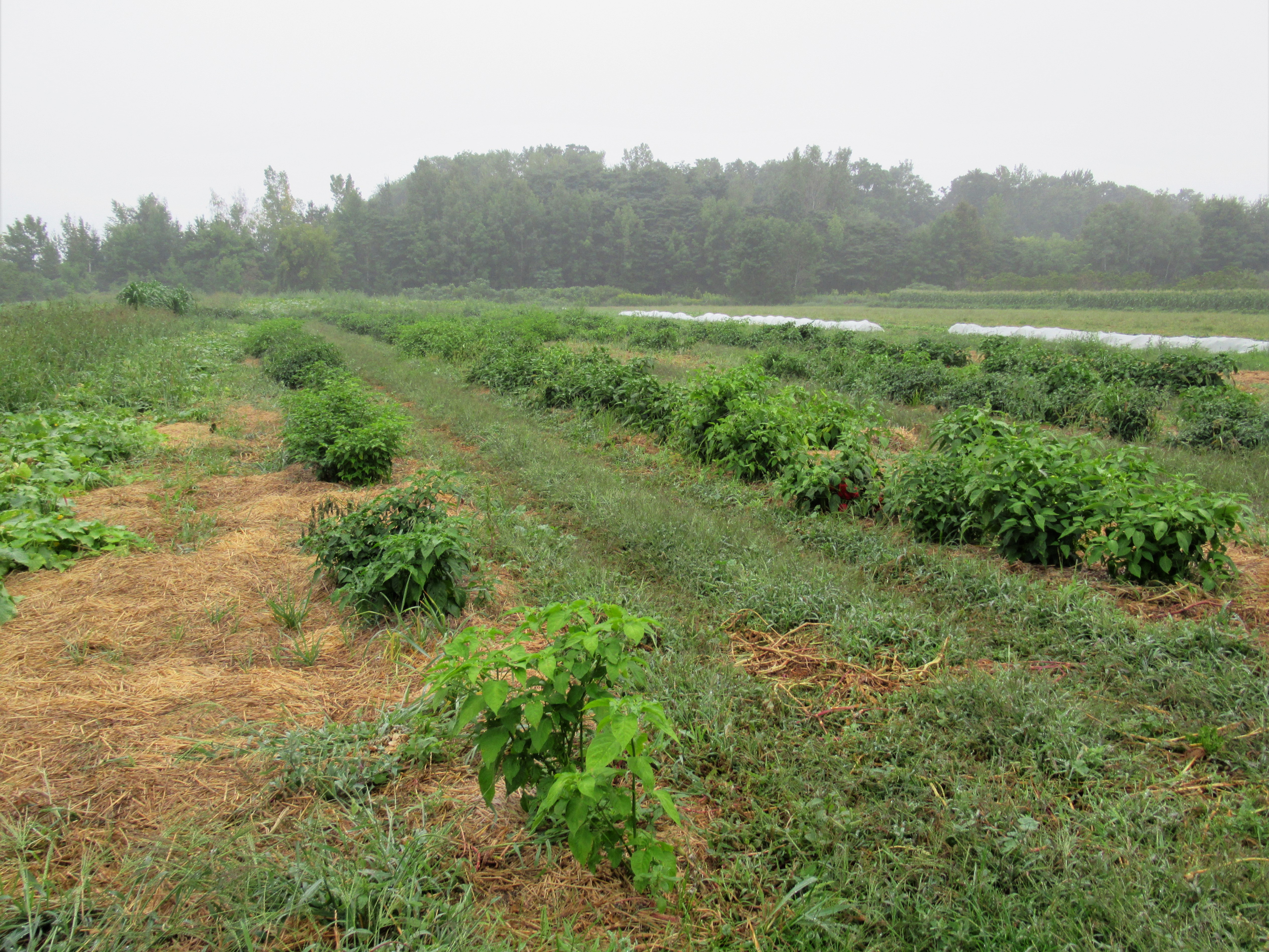
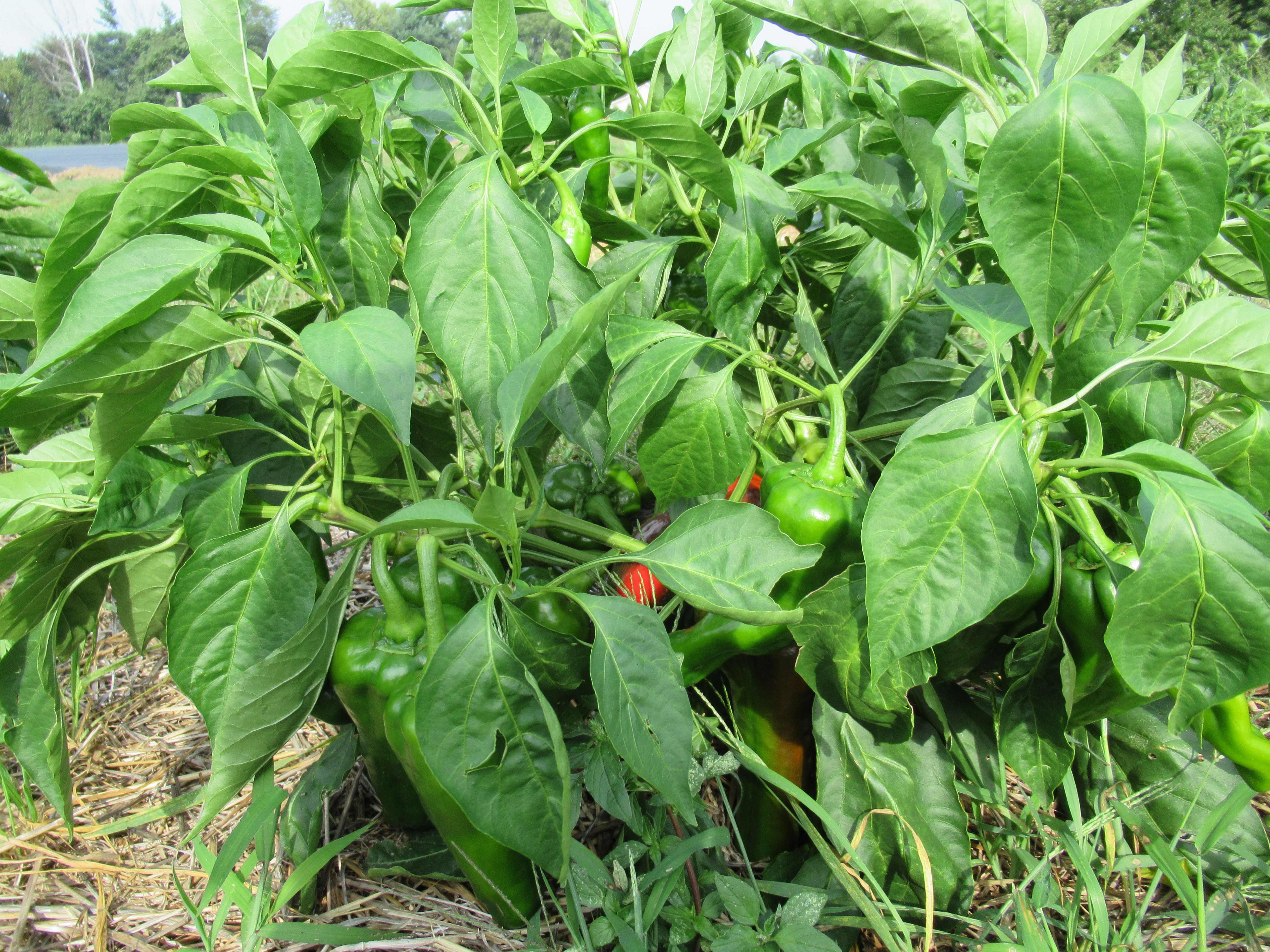
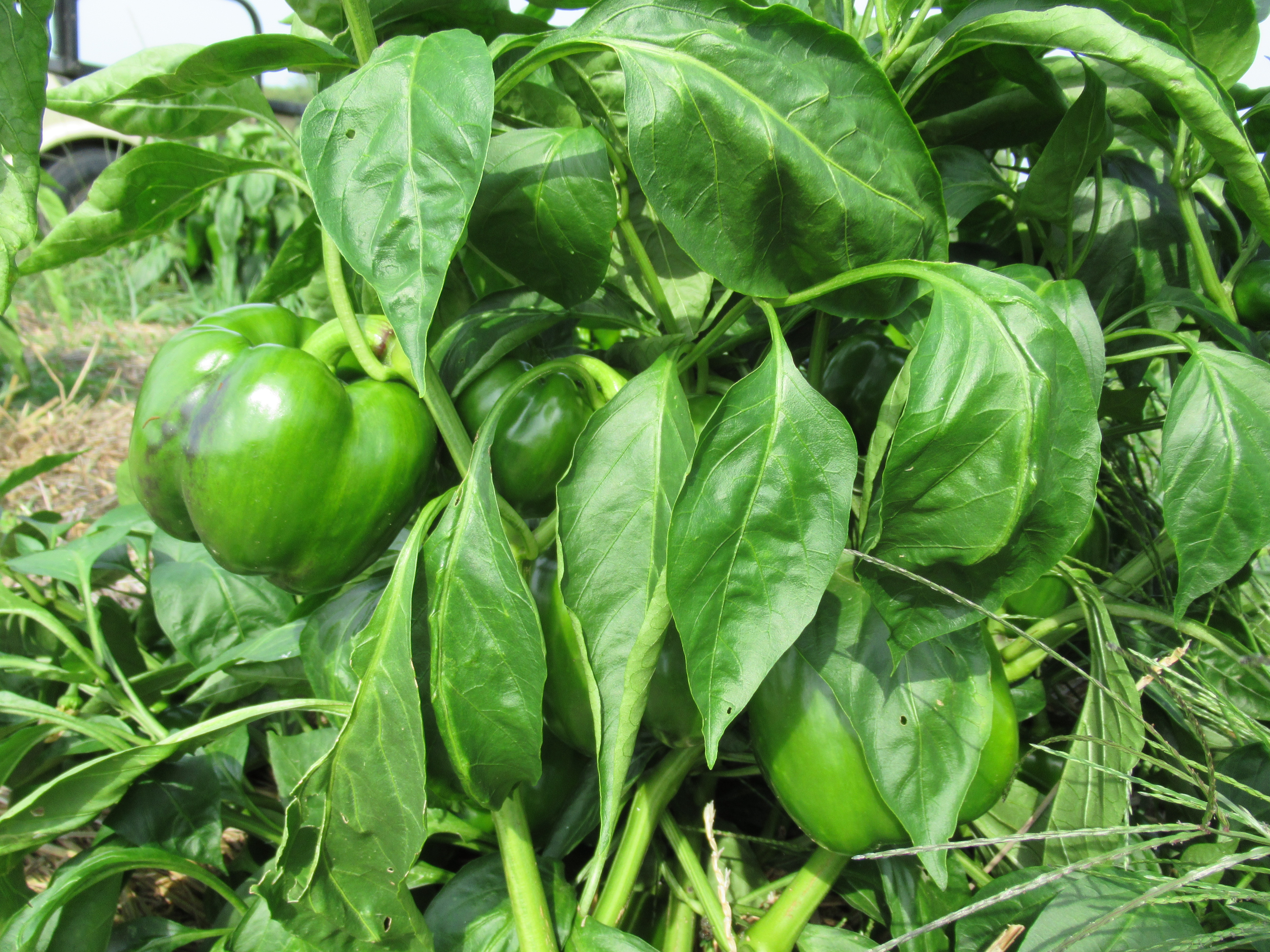
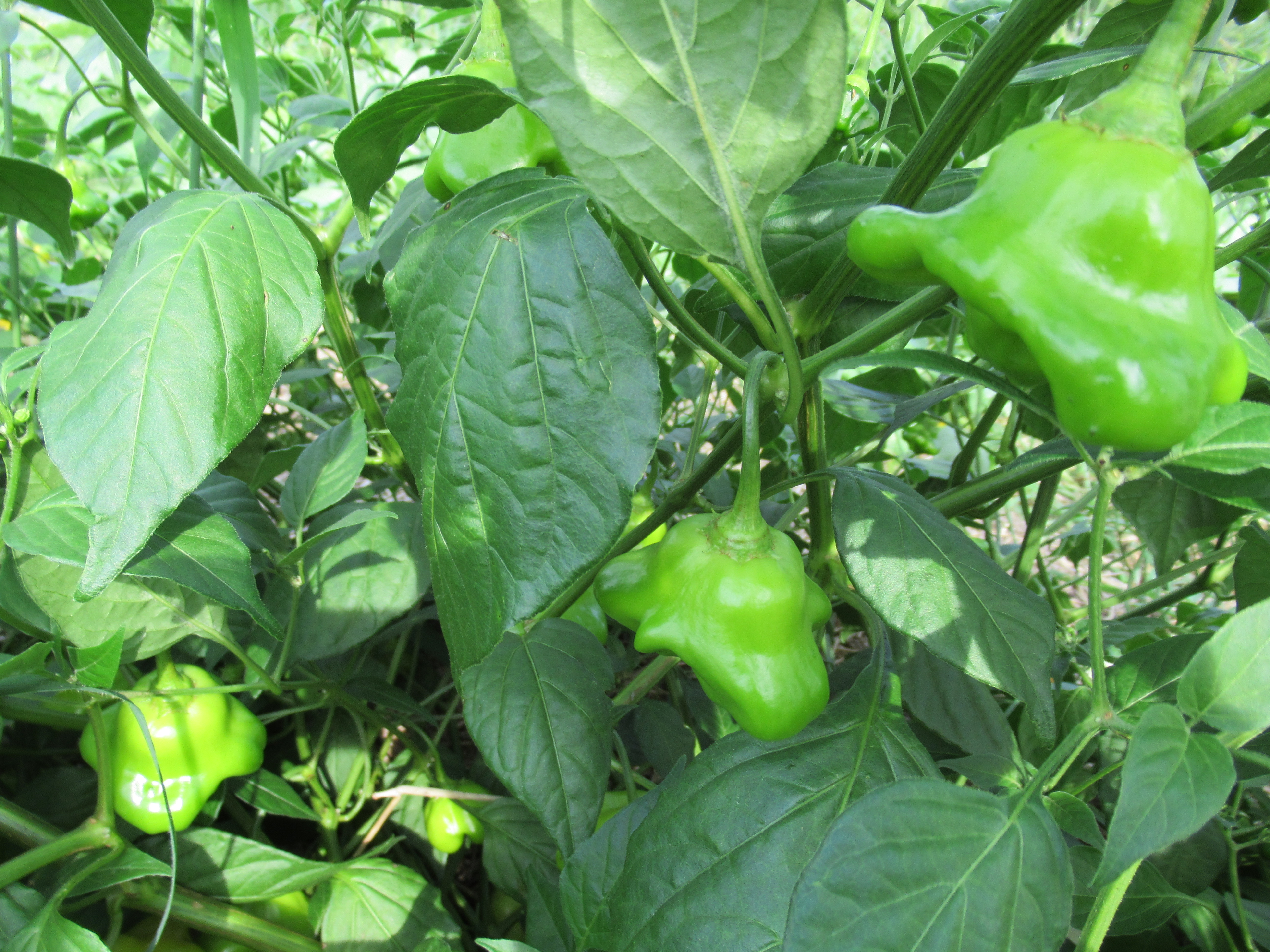
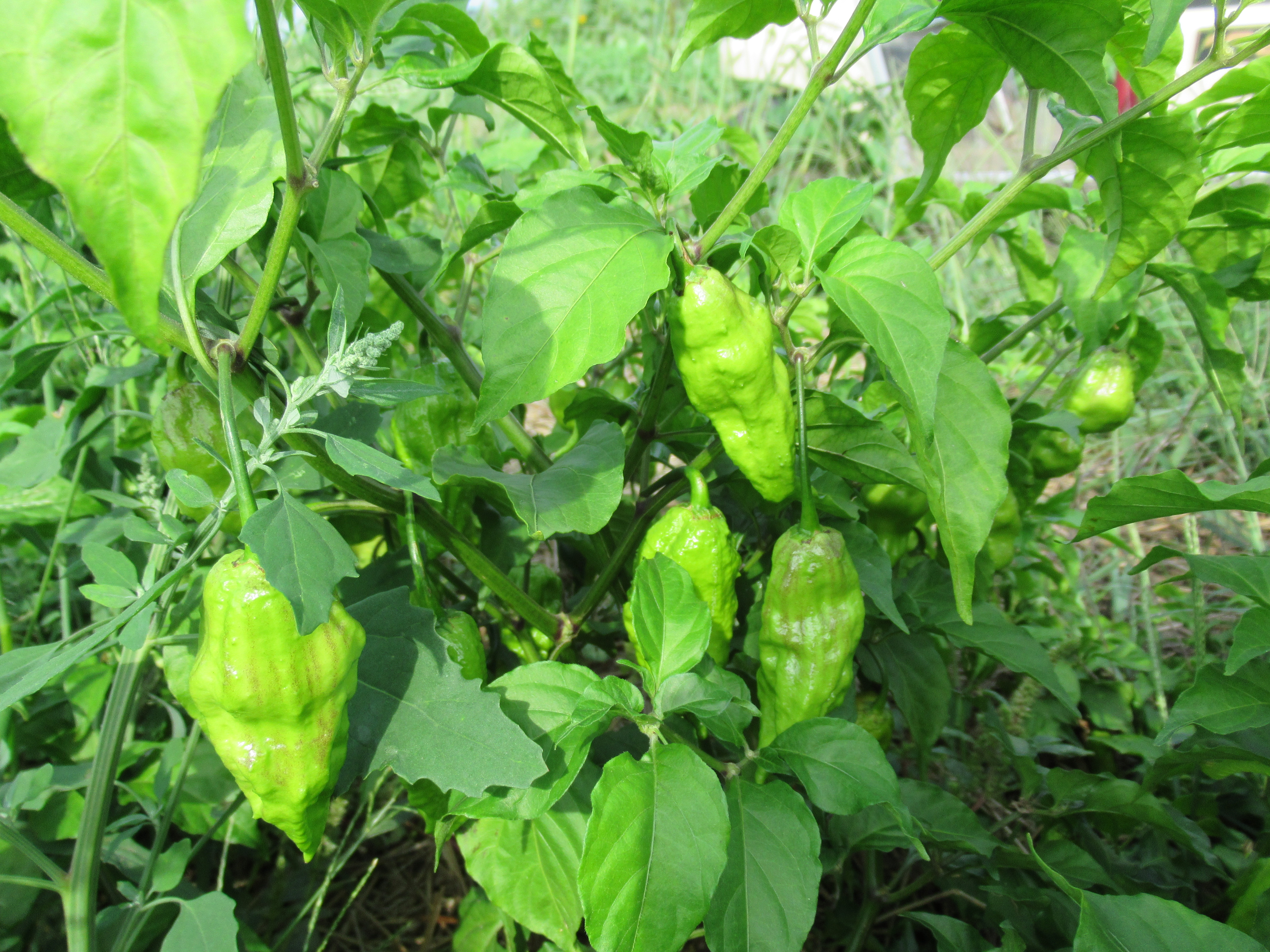
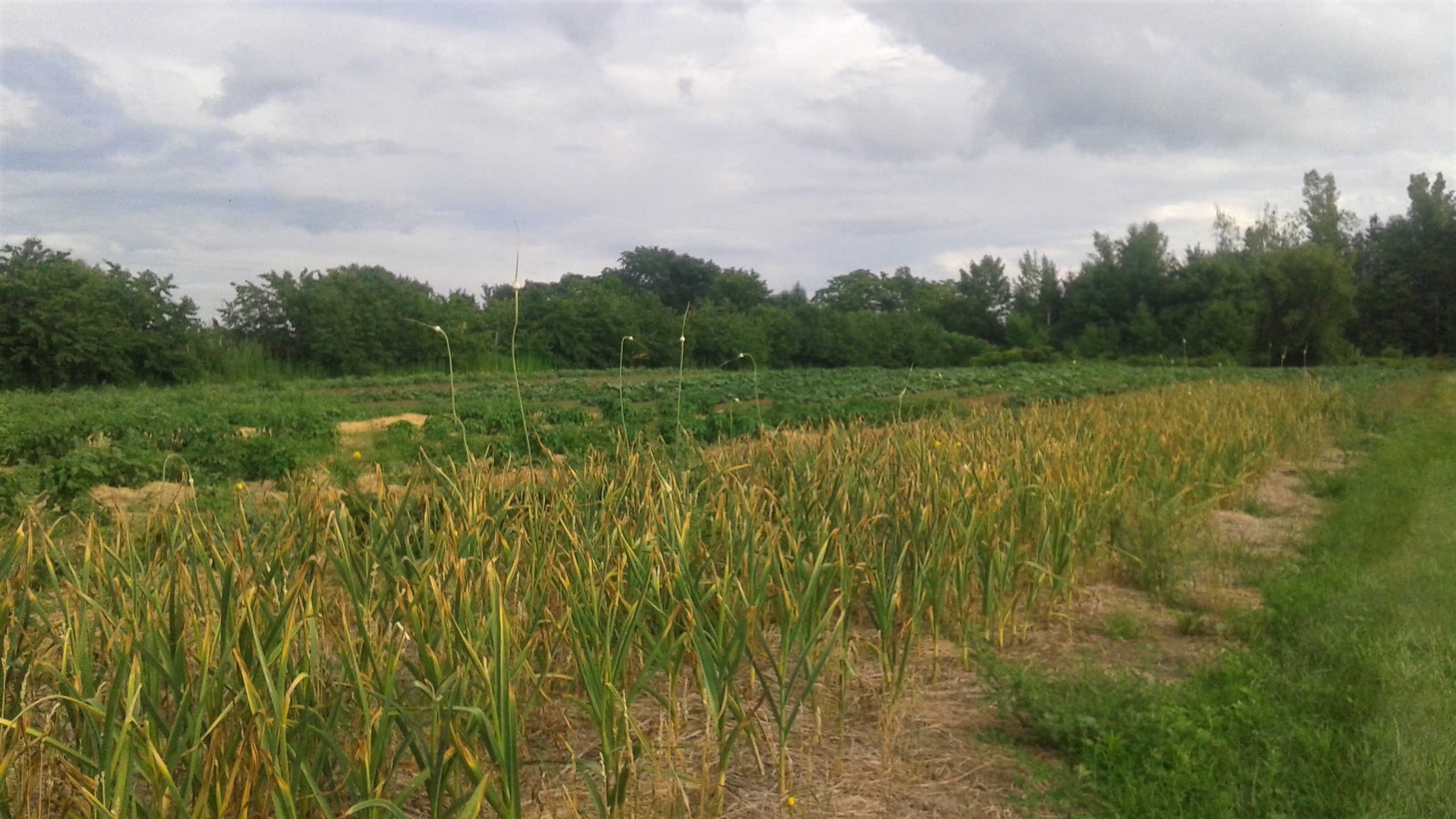
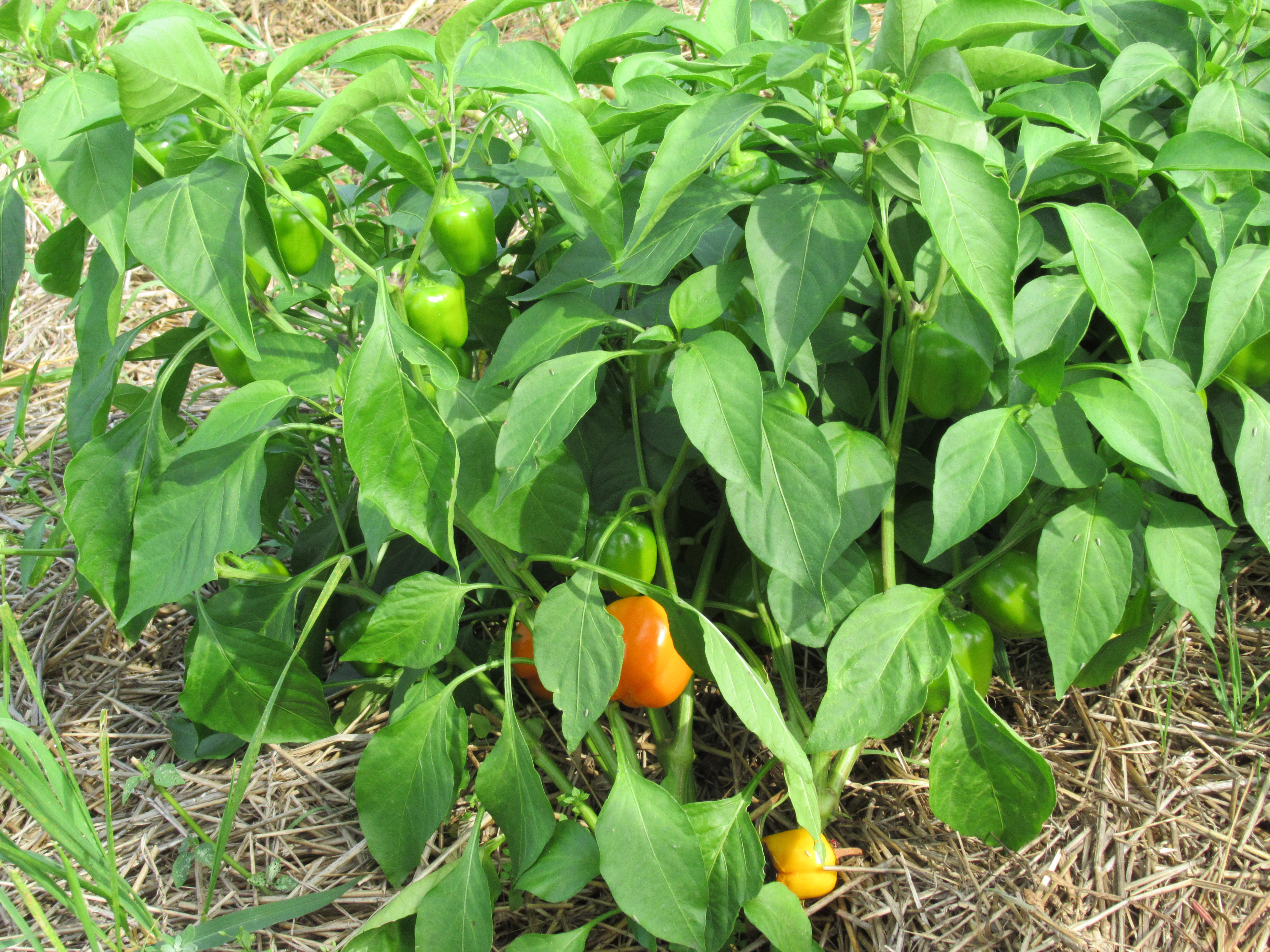
The peppers that were struggling, are now thriving in these hot temperatures. After being buried under their blanket of straw mulch, we can finally see them (those that survived) poking through.

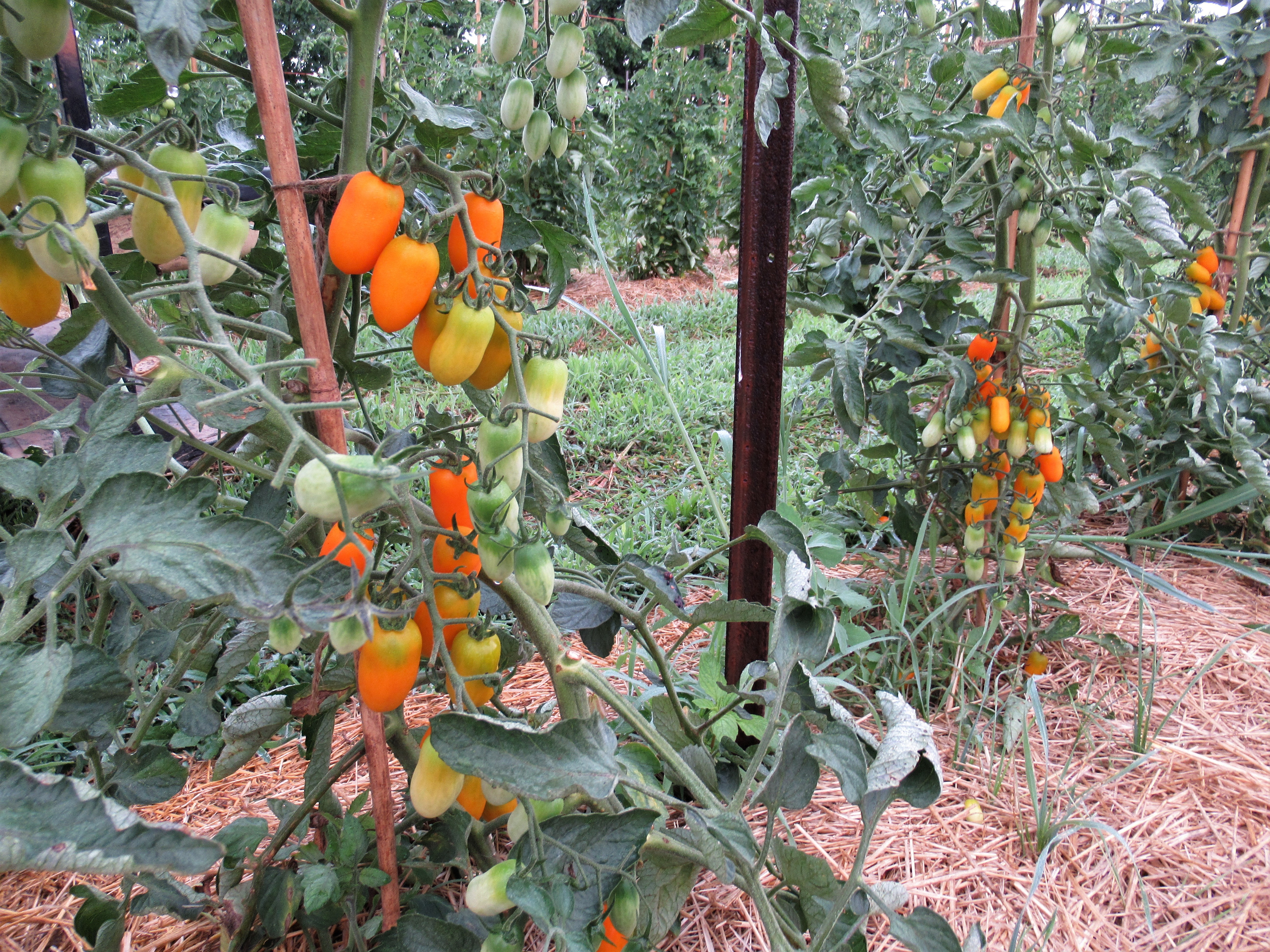
And the tomatoes are laden with a lot of ever-expanding fruit.

Other vegetables are suffering in the heat …

A patch of bok choy that we had just started to harvest went right to seed over the weekend. While the yellow flowers are bright & cheery, they signal the end of this harvest.

Similarly, the new rows of baby spinach have gone to seed before we could even begin to pick them. You may have found the radishes in last week’s box a little tough & woody – blame the weather! The snow peas were good last Monday but on Wednesday it rained & we couldn’t pick. By Friday they were oversized and no longer tender – that’s why there were no snow peas in Friday’s boxes. Less extreme temperatures would have allowed all these vegetables and others to be harvested for a longer time.

Disappointing? Yes. Discouraging? Perhaps a bit. But weather fluctuations & extremes are neither uncommon nor unexpected. There are more plantings of these vegetables (spinach, bok choy, snow peas) that will be ready soon. Hopefully we’ll reap a good harvest from them. And we’re excited to see the crops that are doing well right now.

There is still plenty of good stuff to pick for market & CSA this week!

What’s in the box?

Beets, zucchini, carrots, Chinese cabbage, kale, green onions, garlic scapes.

The kitchen does not beckon on these hot days! This week’s CSA box features vegetables that can be eaten uncooked or grilled on the BBQ. Enjoy some new vegetables and some favourites too!

  • The first beets are ready! Certainly they are a favourite vegetable of mine – and many of our CSA members too! We prefer them roasted , or on these hot days we eat them raw in salads, usually shredded or spiralized.
  • Zucchini – We have green, yellow, patty pan (round & scalloped), and striped (both light green & darker green ones). Basically they all taste quite similar and can all be used interchangeably. As mentioned above, they are a larger size overall, which makes them great for the BBQ. Cut into thick slices, brush with olive oil, season with salt & pepper and grill for a minute or two on each side. Zucchini is also good raw, in salads or slices for a snack.
  • Carrots grow slowly. Weeds grow fast. There’s always a conflict & the carrots rarely come out the winner! This season we have been starting our carrots in trays & then transplanting them into the field with our paperpot transplanter (see last weeks newsletter for a more detailed description – https://thiessenfarms.com/2018/06/25/csa-2018-week-5). They are growing well & we are better able to keep them weeded. However, we are not getting beautiful, long, straight carrots – shorter, weirder shapes seem to be the norm. This results in a bit more work to wash & prepare. But the flavour is great! Please tell us what you think!
  • You will find Chinese cabbage in your share this week instead of lettuce. It is mild & tender and can be used in salads, or coleslaws or as wraps.
  • Kale, green onions, and garlic scapes will also be in your box again this week.

We’ve saved the best news for last …

It won’t be long now!


2 Comments

CSA 2018 – week 5

Many of the vegetables we grow on our farm are transplanted. That means they are seeded into containers, usually in the greenhouse and when they reach a certain size we transplant or replant them out into the field.

There are several reasons for doing it this way. Starting seeds in the greenhouse means we get better germination & growth because we can somewhat control the temperature & water that the seeds receive. Giving the seedlings their ideal conditions means stronger, healthier plants. We can also start earlier in spring. And transplanted seedlings can better compete & hopefully outgrow weeds.

The challenge is that when the seedlings are ready, we have to get them planted out quickly. If they have to wait – due to bad weather or field conditions or until we have time – they can outgrow their pots, lose their vigor & then have difficulty getting established & growing well in the ground. Sometimes they never recover.

And transplanting is a lot of work! It’s hard on the back!

Enter the paperpot transplanter.

This is a new piece of equipment we purchased this season – and we LOVE IT!!

Developed in Japan for the sugar beet industry, it came to Canada a few years ago. I’ve had my eye on it ever since & now we have one. It saves an incredible amount of time & effort.

Seeds are grown in special paperpots that look like a honeycomb. Then this rather simple yet ingenious machine that we pull by hand (no noisy motor required!) makes a furrow, unwinds the paperpots, plants them, mounds soil around the seedlings and firms it down. You have to see it to believe it. Pictures are not enough. (check out a short video on our instagram account – instagram.com/thiessenfarms). What used to take us several hours of hard work can now be done in several minutes. It’s that fast!

We can use the paperpot transplanter for onions, spinach, lettuce, broccoli, bok choy, arugula & other herbs & greens … Bigger vegetables that must be spaced further apart like tomatoes, peppers, zucchini … are still transplanted by hand. It’s been fun learning how to use it and trying all sorts of different vegetables to discover what works & what doesn’t.

And our backs are thanking us!


What’s in the box?

Broccoli, garlic scapes, kohlrabi, kale, lettuce, green onions, radishes, snow peas.

  • The broccoli plants got in the ground early this year, and then grew well – and grew & grew. But the heads sure were slow to appear. Now finally, we have broccoli and it tastes great!
  • Garlic scapes are a favourite for many. They are the top of the garlic plant. We cut them off so the garlic puts all its energy into forming a nice big bulb underground. Leaving the scapes to grow would produce flowers & seeds instead, which we don’t need or want. Use them wherever garlic bulbs are used – raw or cooked. Their flavour is a bit milder. They are also great on the BBQ. Coat the whole garlic scape with olive oil, and sprinkle with salt & pepper. Grill for a few minutes on each side until well charred & tender. As usual we have included our recipe for garlic scape pesto below.
  • It seems that kohlrabi was something new for many of our CSA members. Did you like it? You will find another kohlrabi in your share this week. In addition to the serving suggestions we gave in last week’s newsletter, try it on the BBQ. We slice it about 1/4″ thick, brush with olive oil & grill it until it starts to be tender. Delicious! We have also included the link to a recipe for kohlrabi fritters which is always popular. http://honestcooking.com/kohlrabi-fritters-vermont-csa/.
  • We have included a bunch of kale in your box, either plain or curly. We enjoy kale raw in our salads, but it is good cooked too. Kale tastes great with olive oil and garlic, onions or leeks. Combine it with sweet vegetables like corn or carrots. Unless the kale leaves are very small & tender, remove the tougher stems before using. Store kale in a plastic bag in the refrigerator crisper for 3-4 days. But be aware – the longer it is stored, the stronger the flavour becomes.
  • Lettuce, green onions, radishes & snow peas all prefer cool temperatures over warm. We have had both this past week. The lettuce & green onions continue in good shape but the radishes are going to seed quickly. This means that while the radishes still taste good, the green tops might not look as good.  This 2nd planting of snow peas is winding down quickly. There will be snow peas this week – but not a lot. There is still 1 more planting that is 2 or 3 weeks away from picking right now. Something to look forward to!

Garlic Scape Pesto

Ingredients:

1 cup freshly grated Parmesan cheese

1-2 tbsp lemon juice (or lime)

1/4 pound roughly chopped scapes

1/2 cup olive oil

salt to taste

Directions:

Puree scapes, olive oil, & lemon juice in a blender or food processor until nearly smooth. Gently stir in cheese. Taste & adjust juice & salt to taste.

Serve as a spread on bread or crackers, a dip for vegetables, or on pasta or pizza.

Store in refrigerator for 2 -3 days. Pesto can be frozen for longer storage.

Thank you for all the comments & feedback on the CSA boxes so far. We appreciate hearing your response and suggestions.


Leave a comment

CSA 2018 – week 4

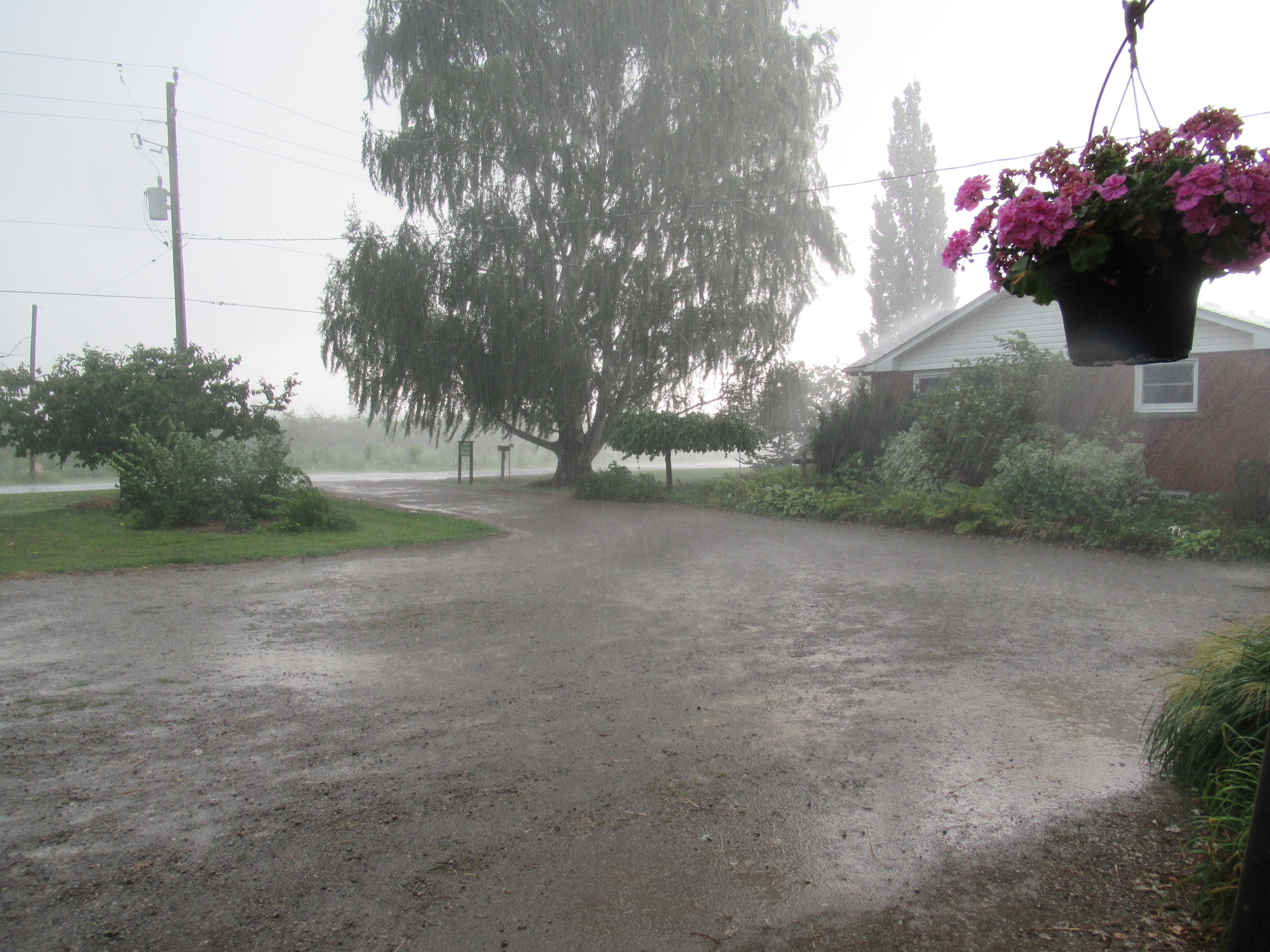
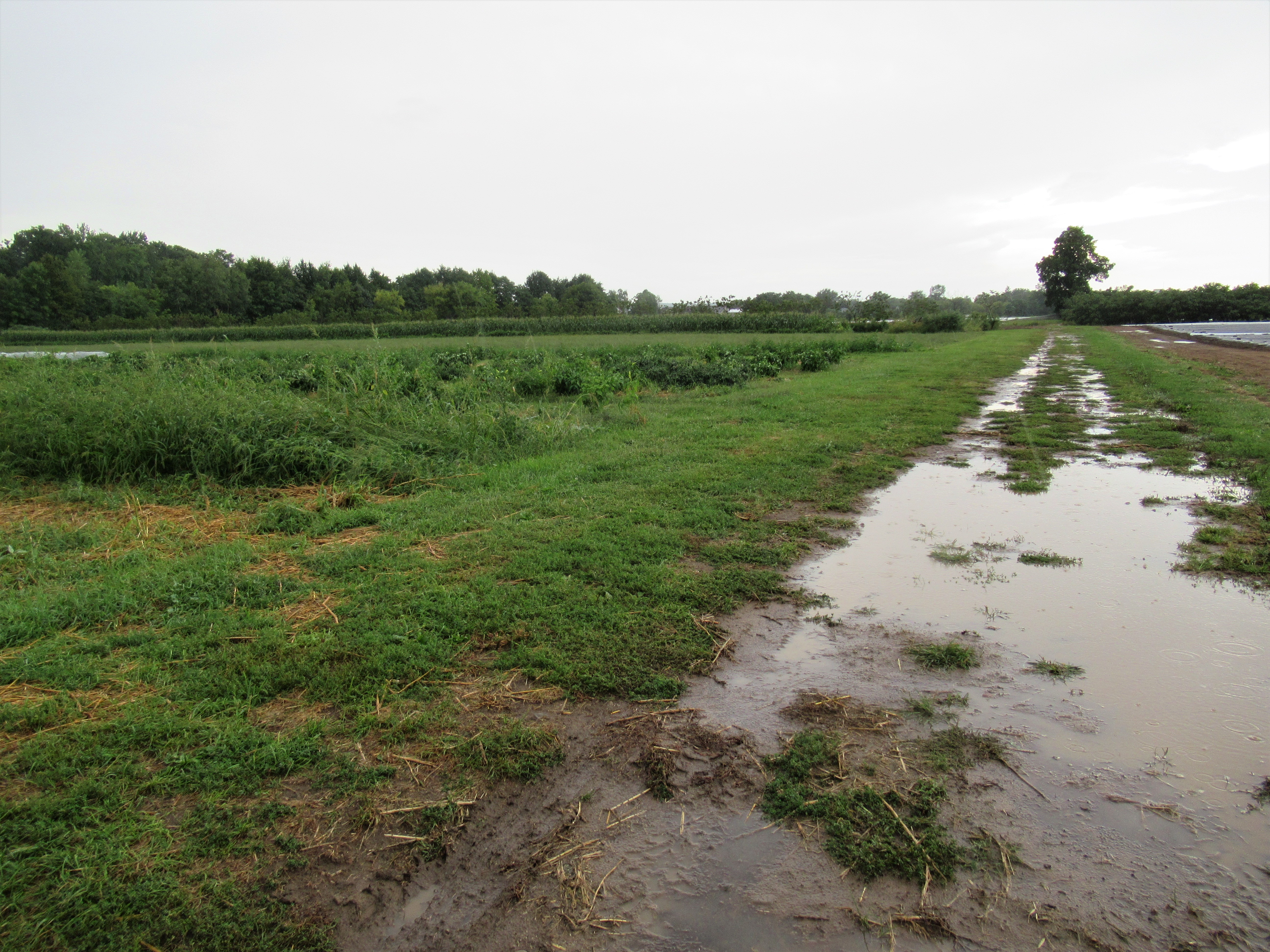
There were puddles on the driveway today – and on the farm – something we have not seen in quite a while. About 2 1/2 cm (1 inch) of rain fell this afternoon – rain that was very welcome and very much-needed.

The farm had been getting quite dry. Seeds we had sown were germinating slowly & poorly. Vegetables we had transplanted to the fields were suffering and shriveling, despite being watered.

Today’s rain will go a long way towards reviving, refreshing & renewing the crops. We are thankful!

Before the rain, the day started out hot – very hot! And humid too. And windy – hot winds, not refreshing winds! Actually, the last few Mondays have been similar.

Mondays are the day we usually do a lot of transplanting …

On the Monday we transplanted zucchini, tomatillos & bitter melons, the winds blew & the tender seedlings cowered & wilted in the hot, dry soil. We watered & watered. A lot didn’t make it (especially the tomatillos) but those that did are looking healthy & growing – finally!

The zucchini have blossoms & even little fruit showing. It won’t be long now …

It’s been a rough season for our peppers right from the start. Cold weather back in March when we seeded them in the greenhouse hindered germination. Continuing cold temperatures meant poor growth & higher than usual mortality. Then last Monday we transplanted the survivors into the field. Again the withering winds blew & the poor peppers struggled yet again.

Today we had a trailer full of eggplant to put out in the field, eggplant that are long overdue to be planted! But with a forecast calling for extreme heat, humidity & winds – we decided to wait.

Before the rains came today, we had started to mulch the peppers …

We were staking the tomatoes …

… and starting to sucker & tie the tomato plants.

The plants have many little tomatoes already!

What’s in the box?

Snow peas, kohlrabi, radishes, salad turnips, lettuce, spinach, green onions.

  • Last Tuesday there were not quite enough snow peas for CSA. By Friday there were plenty. This week we are picking both the 1st and the 2nd planting – which means the season will go quickly. But enjoy the snow peas in your box this week, whether you prefer them raw as a snack or quickly blanched or stir-fried. They are delicious any way!

  • Kohlrabi is a strange-looking vegetable – sort of like a cross between a little cabbage and a turnip. It is usually considered a root vegetable, though the edible round globe grows above ground. Kohlrabi is usually eaten raw – just peeled & sliced. The taste & texture resembles fresh, crunchy broccoli stems, with a bit of radish thrown in. Use on raw vegetable platters and serve with a creamy dip. Grated kohlrabi can be added to slaws. Kohlrabi can also be steamed or boiled but don’t peel until after they are cooked. When the bulbs are tender, peel skin, and season with butter, salt, and pepper, a cheese sauce, or just enjoy plain. They are good for mashing with other vegetables – parsnips, carrots or potatoes. Kohlrabi absorbs the flavour of other ingredients making it ideal to add to soup, stew and stir-fries. If the leaves attached to the kohlrabi bulb are fresh and green, they can be enjoyed as a cooked green. Wash the leaves and remove the ribs. Blanch in boiling water until just wilted, 3 to 5 minutes. Drain and squeeze excess water from leaves. Chop leaves, then sauté in a little olive oil or butter. Season with salt and pepper. Add a splash of vinegar or squeeze of fresh lemon juice. The bulbs should be stored, unwashed, in a plastic bag in the fridge. They will hold for a week. Our favourite way to eat kohlrabi (other than raw in slices) is to sautée it in butter & garlic for just a few minutes. Then add just a dash of nutmeg. Delicious!

  • The next plantings of radishes are ready. There are several kinds – it will be a surprise what ends up in your share this week. The hotter temperatures have probably increased the heat of the radishes too!
  • Salad turnips, lettuce, spinach & green onions – all the makings for a fresh & delicious salad. The hot weather has pushed the spinach along & much of it is now going to seed. There should be enough for Tuesday’s box – probably none for Friday!

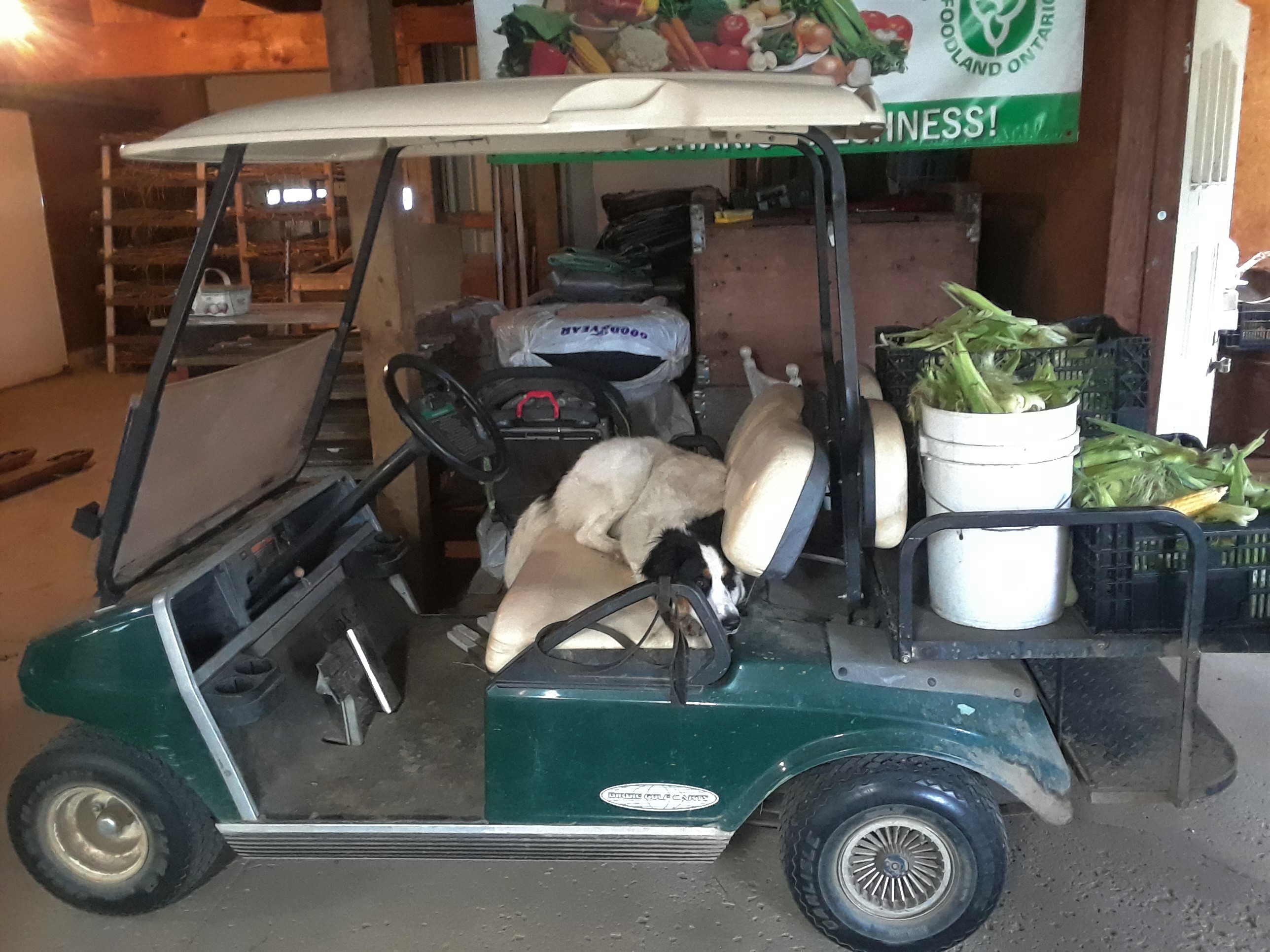
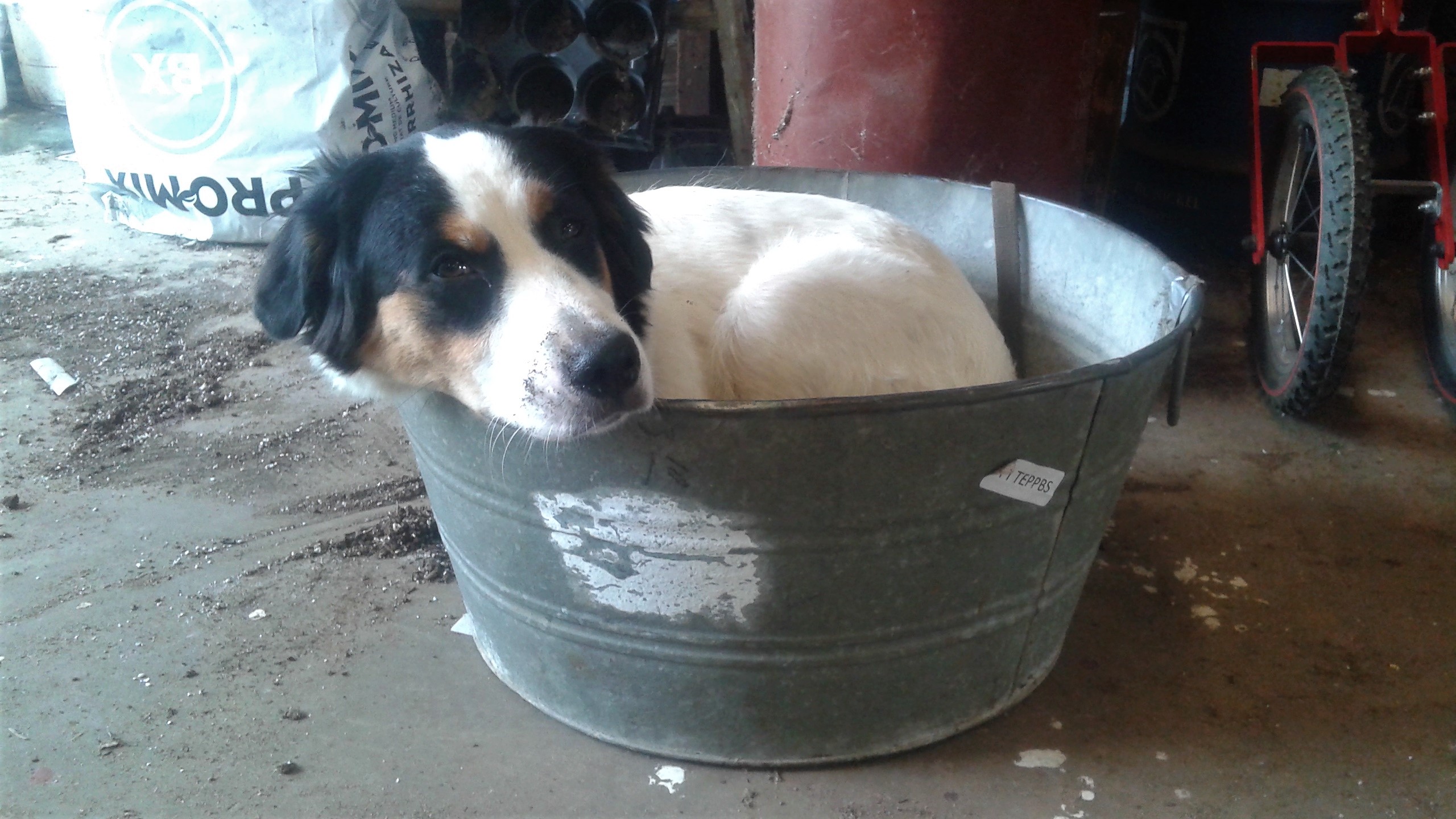
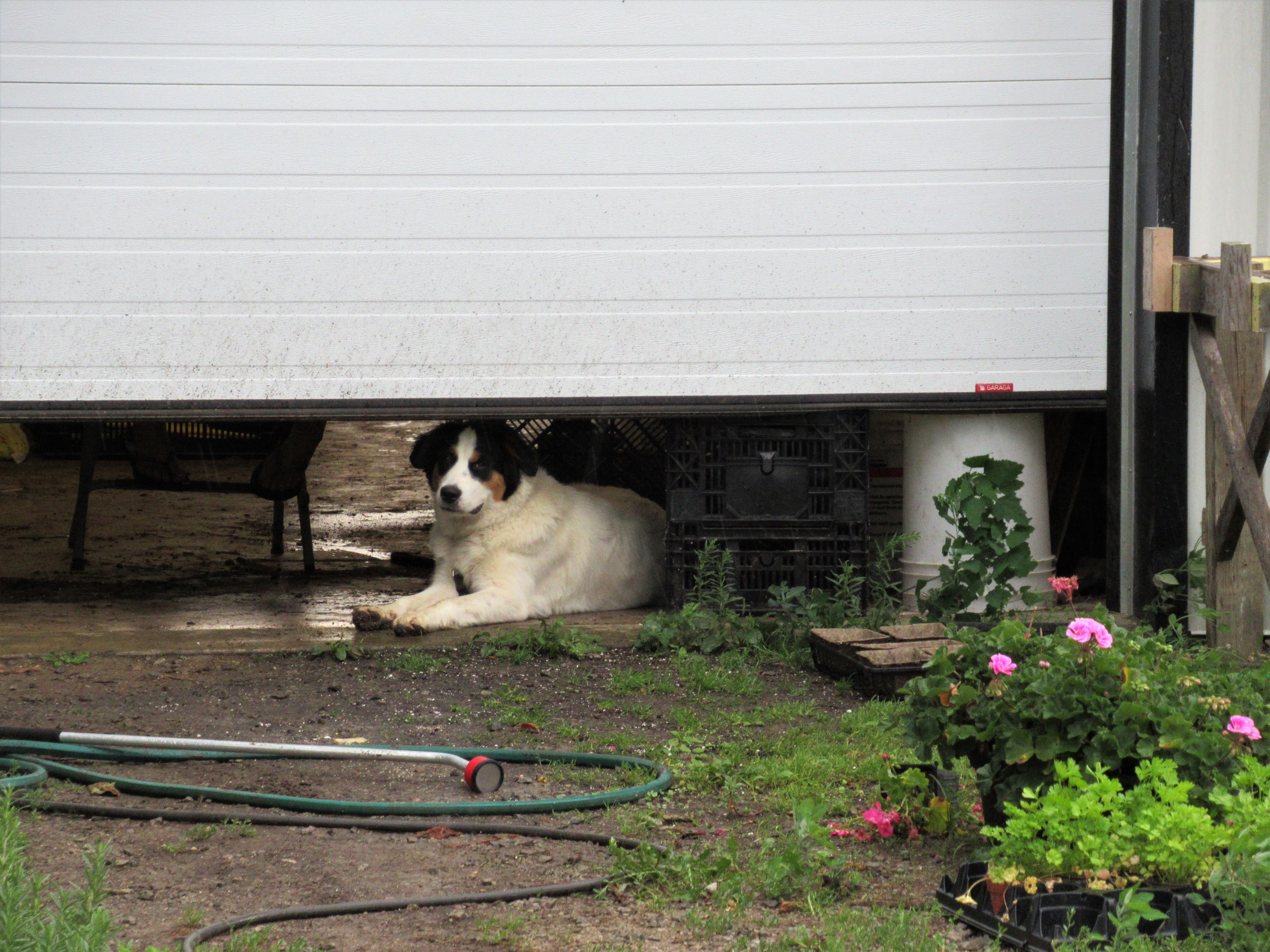
Enjoying a nap in the barn during the rain.

Enjoying a walk (and a rest) after the rain!


Leave a comment

CSA 2018 – week 3

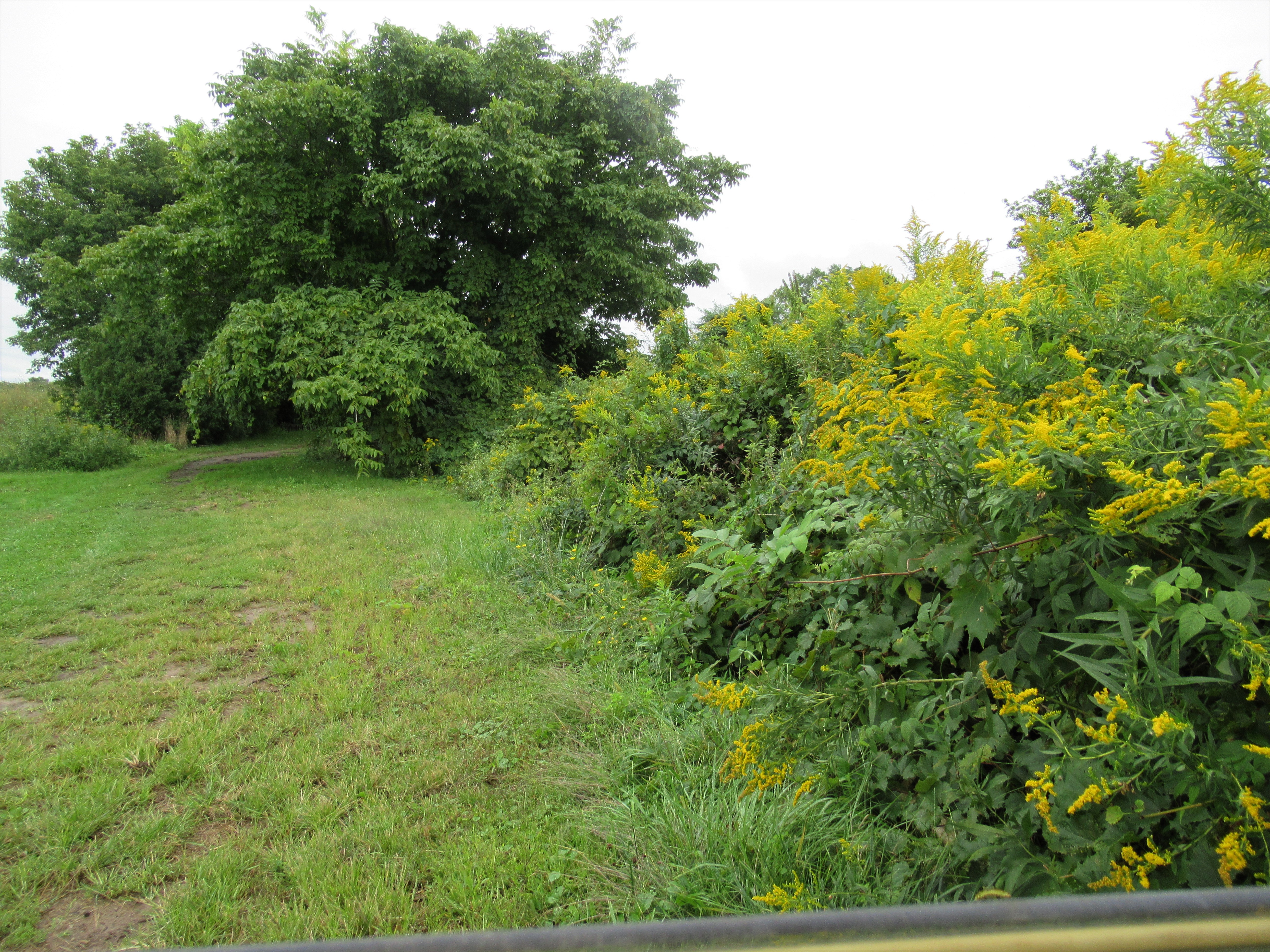
The view from our farm is pretty spectacular these days!

Our neighbours seeded a cover crop of mustard earlier this spring, and now it is in full bloom.

Mustard is an excellent cover crop. It will suppress weeds, provide habitat for bees & insects when in bloom, and when it is mowed down it will provide organic matter for the soil. But probably one of mustard’s most interesting & potentially beneficial properties is that it works as a biofumigant. This means that when it is worked into the soil it releases compounds that are harmful to bacteria, fungi, insects, nematodes, and weeds. All of this will benefit the strawberries that will be planted in these fields this fall.

But right now we are surrounded by all this beauty!

We also seed cover crops on our farm. Different crops & mixtures of crops are used depending on what we hope to achieve.

This is crimson clover which we had blooming last month. Clover provides a habitat for bees & other insects,  fixes nitrogen in the soil (thus reducing the need for fertilizer), and it adds organic matter.

These purple blooms are hairy vetch that we had growing along with rye & other crops over the winter. Not all of it winter killed and now some is blooming beside the garlic patch. Vetch also fixes nitrogen in the soil, improves tilth & provides some weed control.

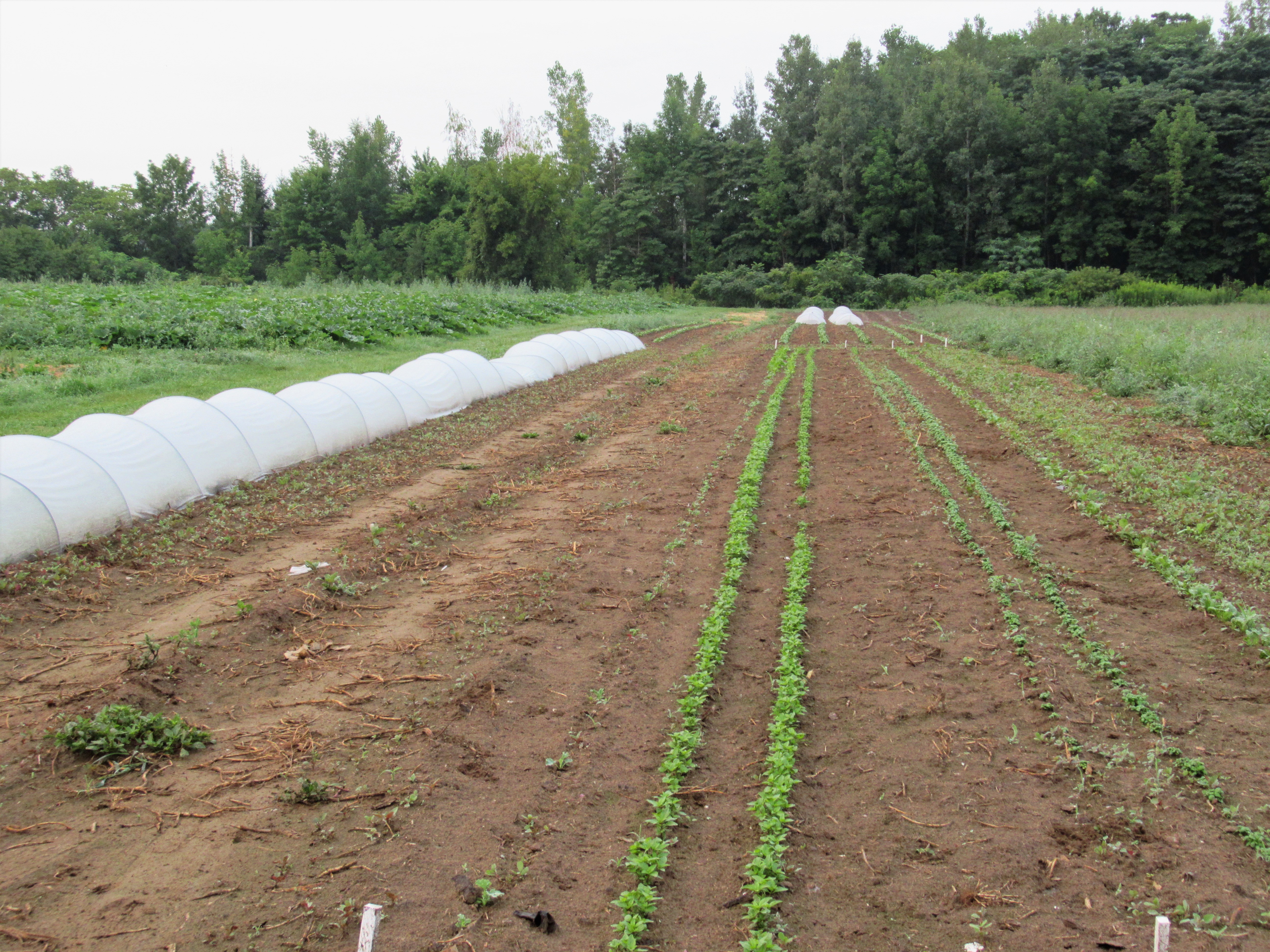
Areas of our farm that we will not be planting to vegetables until later this summer have been seeded to cover crops as well. The main reason to plant them now is to help keep the weeds from taking over.

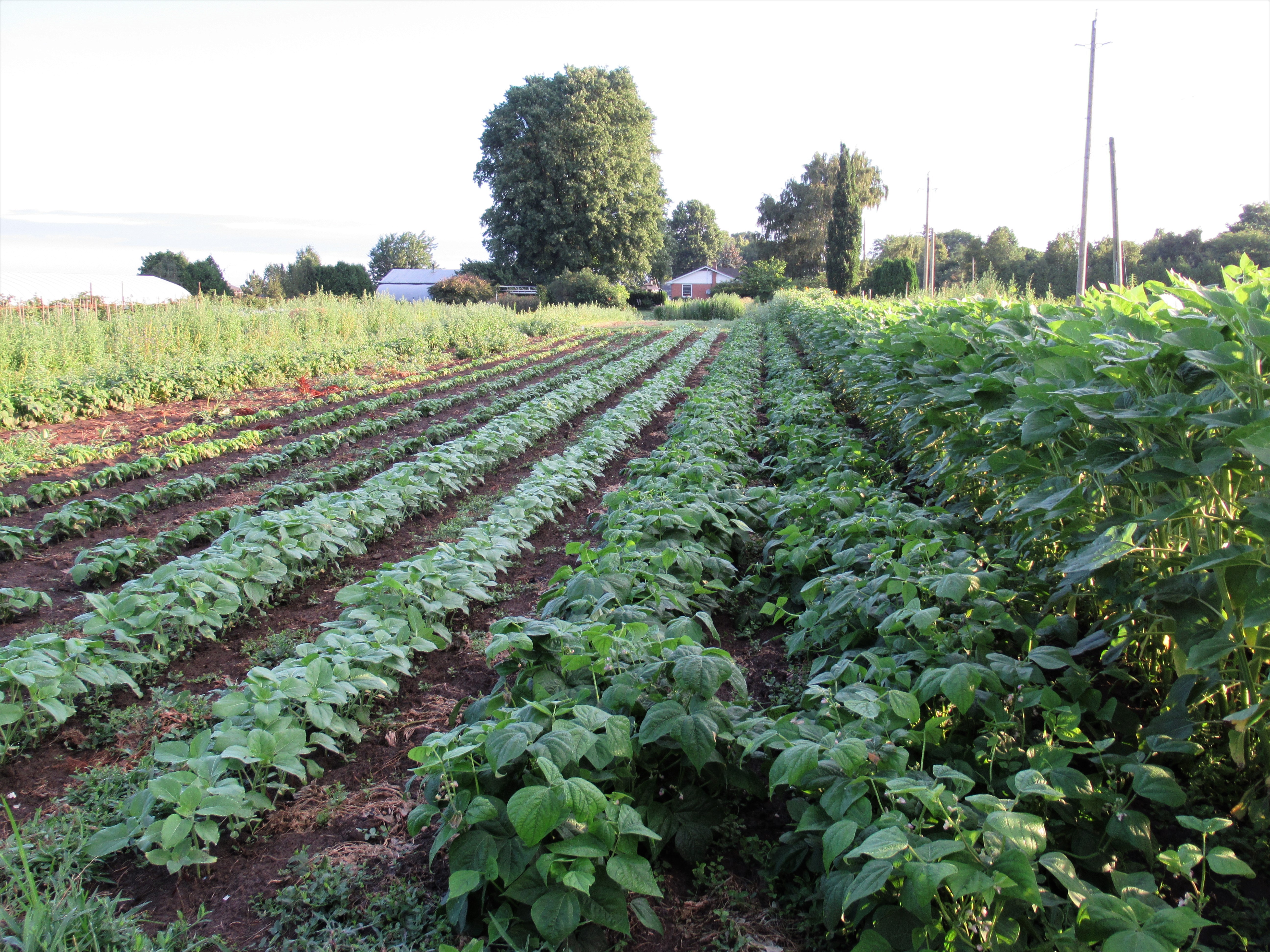
Speaking of weeds … we have had some success in reclaiming vegetables from the weeds. Remember the pictures we posted last week? Things are looking better again.

As well, all the tomatoes have been mulched with straw, and the zucchini, tomatilloes & bitter melons. At least we won’t have to deal with weeds in these crops!

What’s in the box?

Salad turnips, kale, green onions, lettuce or lettuce mix, spinach.

  • Salad turnips are small, round, white turnips that resemble radishes, but without the bite – usually! Mild in flavour, crisp, and quite tender, they are best eaten raw – simply wash, cut off the tops and enjoy! They can also be stir fried, sautéed, or steamed – both the turnips & the green tops.

  • I usually consider kale to be a fall vegetable – but it grows well in spring too! It also can be eaten raw, in a salad, or cooked – steamed, sautéed, stir-fried. We have 2 kinds of kale now – the curly kale, and black kale also called dinosaur kale. They look different but taste similar.
  • Green onions, lettuce & spinach will be included in your box again this week. The green onions are growing a bit bigger, but will still be tender & tasty. The lettuce may be the same mix as previous weeks or heads of green or red lettuce.
  • Snow peas were supposed to be the star of the week! We picked them for the first time this morning, anticipating an abundance for the shares this week. Unfortunately we were rushing them, so no snow peas for Tuesday pick-up – but there should be snow peas by Friday. Here’s hoping!

There’s been no rain to fill the bird bath – but it still gets used!

And another view of the yellow mustard fields.


1 Comment

CSA 2018 – week 2

What happened?

Last week Thiessen Farms had fields of clean, neat and (relatively) weed-free vegetables.

This week … it’s weeds, weeds, weeds!

Here are 2 examples of last week vs today. And this is despite time & effort spent hoeing & weeding.

The increase of weeds is not surprising. Last week’s heat & humidity together with the few showers we received encouraged not only the vegetables to grow, but especially the weeds.

While weeding is my happy place (it really is), I surely can’t handle this much happiness!

Of all the crops, onions are particularly hampered by weeds. Their shallow root system cannot compete with weeds. Plus, onion leaves are small & narrow and don’t shade out any weeds (like zucchini can for example) which means they get weedy quickly. We grow a lot of onions, and try hard to keep them weed-free. Weedy onions = small onions!

Sometimes we are successful …

Other onion patches are a work in progress.

Because onions – especially green onions – are in the ground for only a short period of time, hoeing and hand weeding are the best ways to look after them. Other crops – like tomatoes or peppers – that are around for the full season and would compete with weeds right through the fall, get mulched with straw rather. The straw prevents most weeds from growing & eliminates the need for weeding.

All of our tomatoes are planted in the fields now, and we have started to mulch them.

What’s in the box?

Radishes, green onions, lettuce, spinach, bok choy.

  • The first radishes are ready – crisp & spicy & zesty! Enjoy them raw as a snack, or add them to your salads.
  • The first onions of the season are green onions, also called bunching onions or scallions. Eat all the onion- the green leaves & the small, bottom white bulb.
  • It’s salad time! enjoy the fresh flavour & texture of lettuce & spinach.
  • Bok choy usually goes to flower when the heat & humidity rise. But I guess last week’s temperatures were not enough to cause them to bolt yet. Use bok choy in your favourite stir-fry recipe – alone or with the green onions & radishes … We have included a bok choy recipe that we tried & enjoyed this week – quick & easy with great flavours!

GARLIC AND GINGER BOK CHOY   (from https://lydiasflexitariankitchen.com)

INGREDIENTS
  • 2 teaspoons sesame oil
  • 1 teaspoon grated fresh ginger
  • 2 garlic cloves, sliced thinly (or green garlic)
  • 2 tablespoons soy sauce (or tamari)
  • 4 baby bok choy, cut in half lengthwise, root and leaves trimmed – I used a whole bag
  • ¼ cup water (plus more as needed)
  • 1 tablespoon cornstarch or tapioca starch
  • sesame seeds for garnish
METHOD
  1. Heat the sesame oil in a wok or large skillet or dutch oven
  2. Add the ginger and garlic and cook for a couple minutes, taking care the garlic doesn’t burn
  3. Add the tamari, then the bok choy, turning to coat in the oil and seasoning.
  4. Add ¼ cup of water and cover the pan with a lid. Steam the bok choy until the stem end is tender, about 4 or 5 minutes. Add more water if necessary.
  5. Make a slurry of the cornstarch with some water. Push the bok choy to the sides and pour the slurry into the center, stirring to make a sauce. It should thicken and become glossy.
  6. Remove the bok choy to a platter, pour the sauce over top and garnish with the sesame seeds.


Perhaps next week we can again show pictures of clean, neat and (relatively) weed-free vegetables?

Probably not!


Leave a comment

CSA 2018 – week 1- Surprise!

I don’t go out to the fields on Sunday.

I try not to even look at the vegetables that day.

It’s not so much that I might be tempted to pull a few weeds (true), or that I’ll get stressed when I see all that needs to be done (maybe), or even that Sunday is our day of rest (for sure!) …

Rather, I don’t check the crops on Sunday because I want to be surprised on Monday.

All week we’re out in the fields – planting, weeding, mulching, harvesting … always working with the crops. Seeing them so much, we don’t readily notice the changes, and how things are growing. Simply skipping a day ensures we’ll be surprised when we return on Monday.

(It’s just like Sage. We know she’s growing. But when did she go from this …

… to this – 50 lbs at today’s weigh in.)

Certainly the farm surprised us this morning! Everything is growing so fast now!

I will admit we were already surprised last Friday. While I was still planning to send out an email giving a heads-up that CSA would start in a week or even 2, we realized there were enough vegetables ready that CSA could begin this week. Surprise!

We will harvest the lovely lettuce mix …

Spinach …

And bok choy.

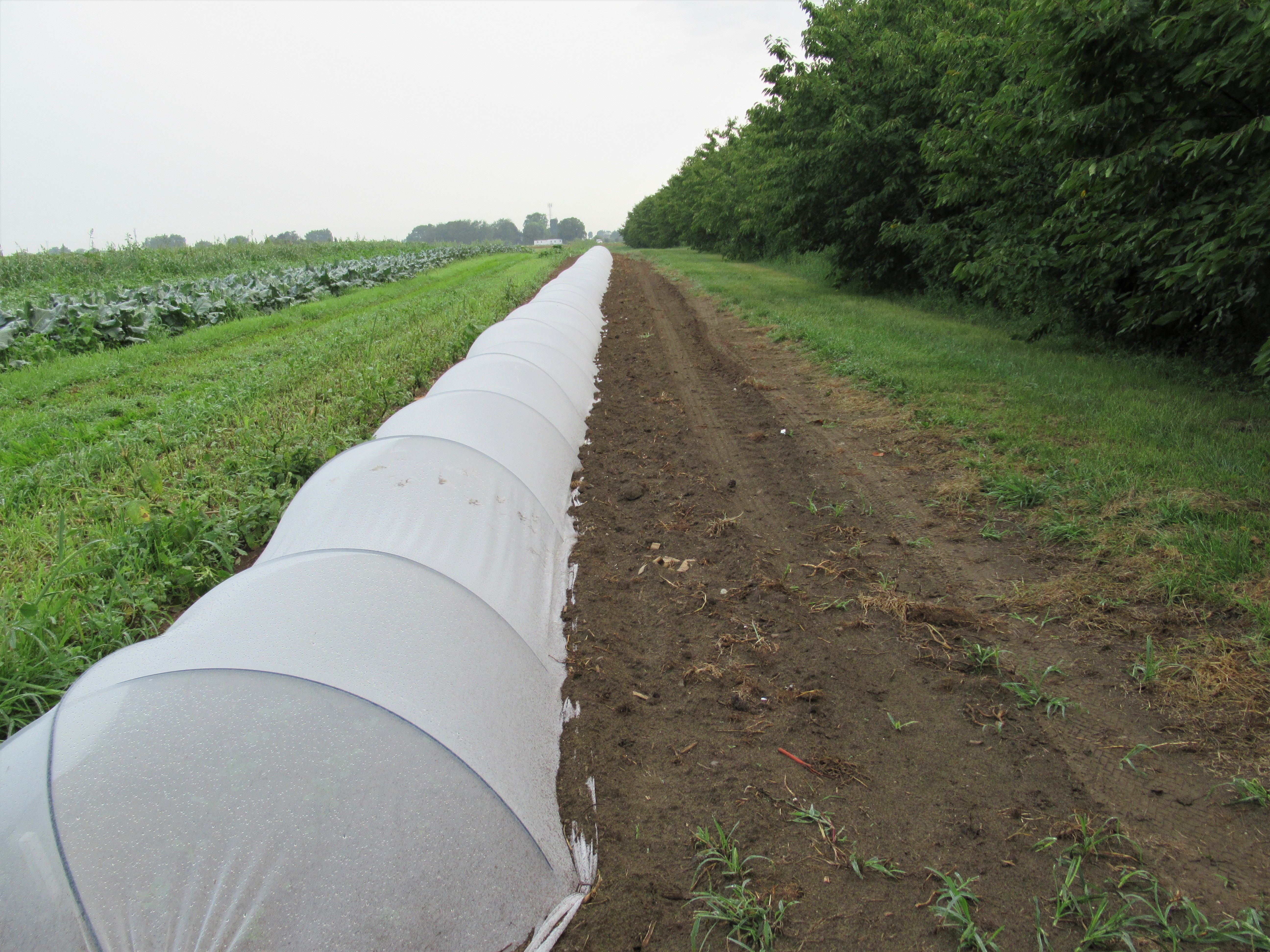
Notice that the white netting which covers the bok choy and prevents insects from chewing on the leaves isn’t quite long enough to cover the entire row.

Here’s the result. The covered bok choy has almost perfect leaves.

The plants that were not protected look like this …

It won’t affect the flavour – but they sure don’t look as appealing or appetizing!
What’s in the box?

Lettuce mix, spinach, bok choy, green garlic, rhubarb.

  • The lettuce mix, spinach & bok choy have all been rinsed once to remove any field dirt. You will probably want to wash them again before eating. Store them in the plastic bag in the refrigerator. They will usually last about a week.
  • Bok choy is a great Asian vegetable. It can be added to your salad and eaten raw, but most often is sautéed or stir fried. We like to cook some garlic or chopped green garlic in a bit of oil (olive or sesame) for a couple of minutes, then add the bok choy and continue cooking until it is wilted & still bright green – around 5 minutes or less.
  • Green garlic is a fresh garlic plant. At this time of year the bulb has not yet formed below ground, and the green top is still tender enough to eat, like a scallion or green onion. Green garlic is milder than fall garlic bulbs. Use them raw (eg. sliced into salads or mashed with goat cheese for a spread) or cooked (sautéed with scrambled eggs)  anywhere you would use garlic. They are also delicious coated with olive oil & tossed whole on the barbecue. Store green garlic in the fridge.
  • There should be enough rhubarb in your box to make a pie. Or almost as good, and way easier & faster, make a rhubarb crisp or crumble. As usual we have included our favourite recipe below. It’s quick, easy, and delicious. We also enjoy stewed rhubarb. Chop rhubarb and cook in a saucepan with a bit of water until tender. Add sweetener (sugar, honey, maple syrup) to taste. We sometimes add apples or other fruit to cut the tartness of the rhubarb. Delicious on it’s own or poured over ice cream, pudding or custard.

Aunt Elvira’s Fruit Crisp

Cut up enough rhubarb (or any fruit) to half fill a pie plate.

Mix together …

½ cup brown sugar

¼ cup flour

¼ cup rolled oats

½ tsp cinnamon

3 TB butter

(Adjust the amounts to suit your preferences & taste.)

Cover fruit with this mixture.

Bake for approx. 12 minutes in the microwave.

We usually bake it in the oven rather – 350 F for approx. 30 minutes. The topping gets crispier & browner.

We are looking forward to seeing everyone at CSA pick up this week!


2 Comments

The beauty of May

Everything seems to be moving fast on the farm these days … including us!

Seeding, transplanting, planting, weeding, cultivating, mulching, preparing ground for crops, and many other jobs are keeping us on the go. There’s no shortage of things to do this time of year!

The crops are moving fast too. I took pictures around the farm last week for an update, but didn’t get the chance to post them. By the weekend the vegetables had grown so much I needed new pictures. Again I did not post them. Now it is Wednesday – new pictures again …

Onions, broccoli & kale.

Two plantings of snow peas – but the second has about caught up with the first.

Spinach, onions, broccoli, beets, lettuce …

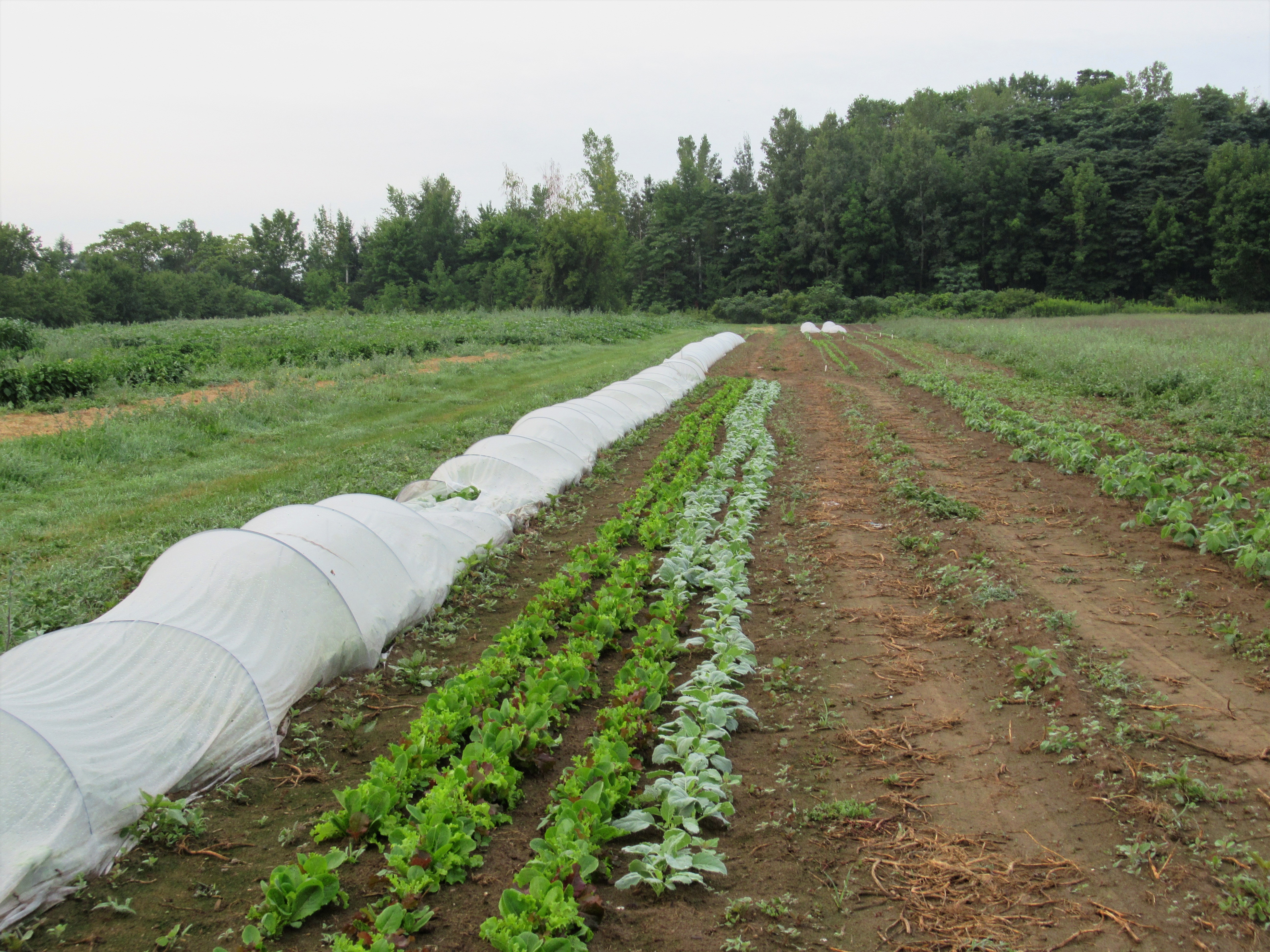
The white row covering is insect netting which blocks the bugs. The aim is worm-free radishes & salad turnips, and pak choy leaves without holes.

The garlic is all up now.

There’s a competition between the rhubarb & the weeds to see which one can grow the fastest!

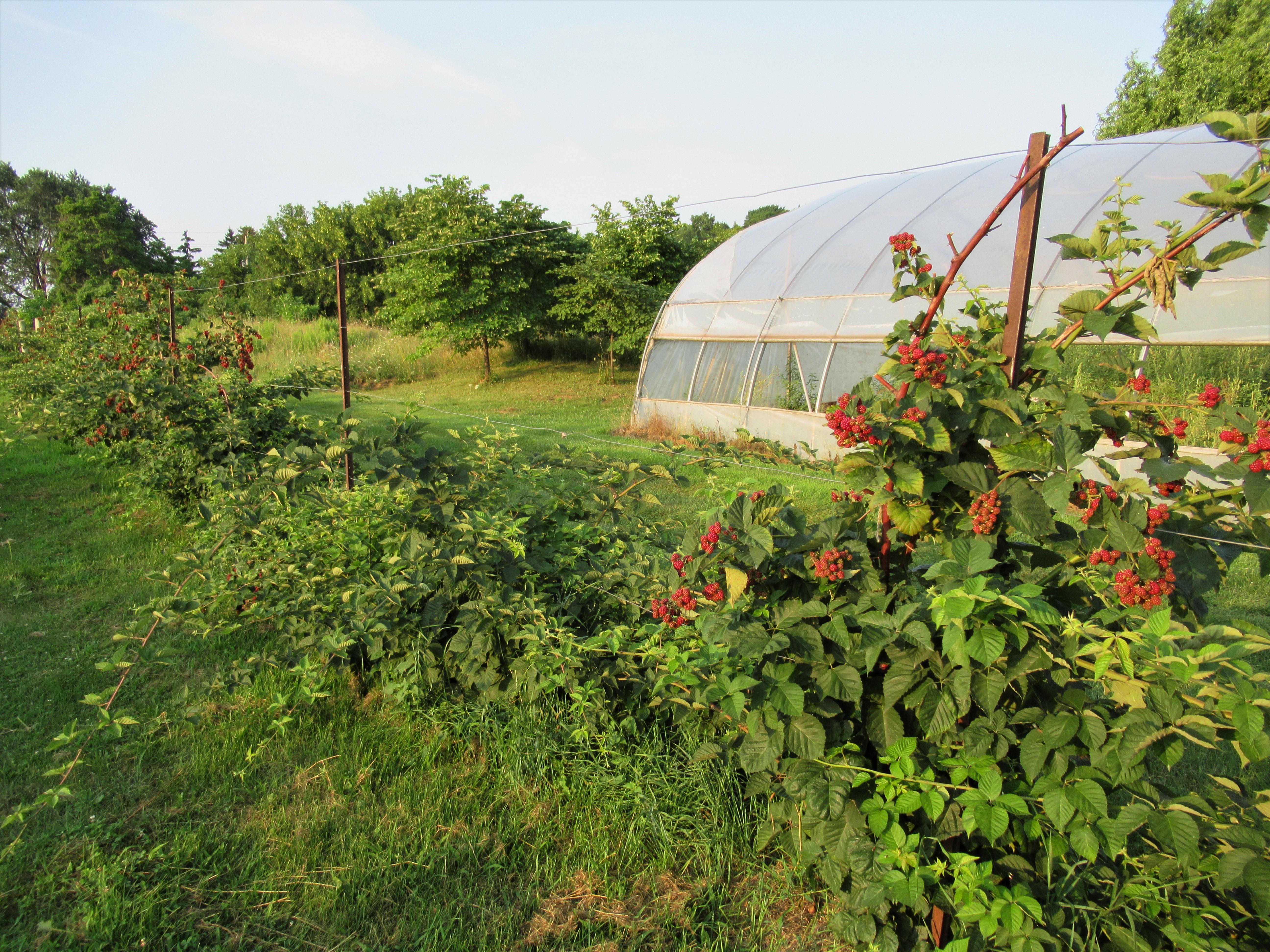
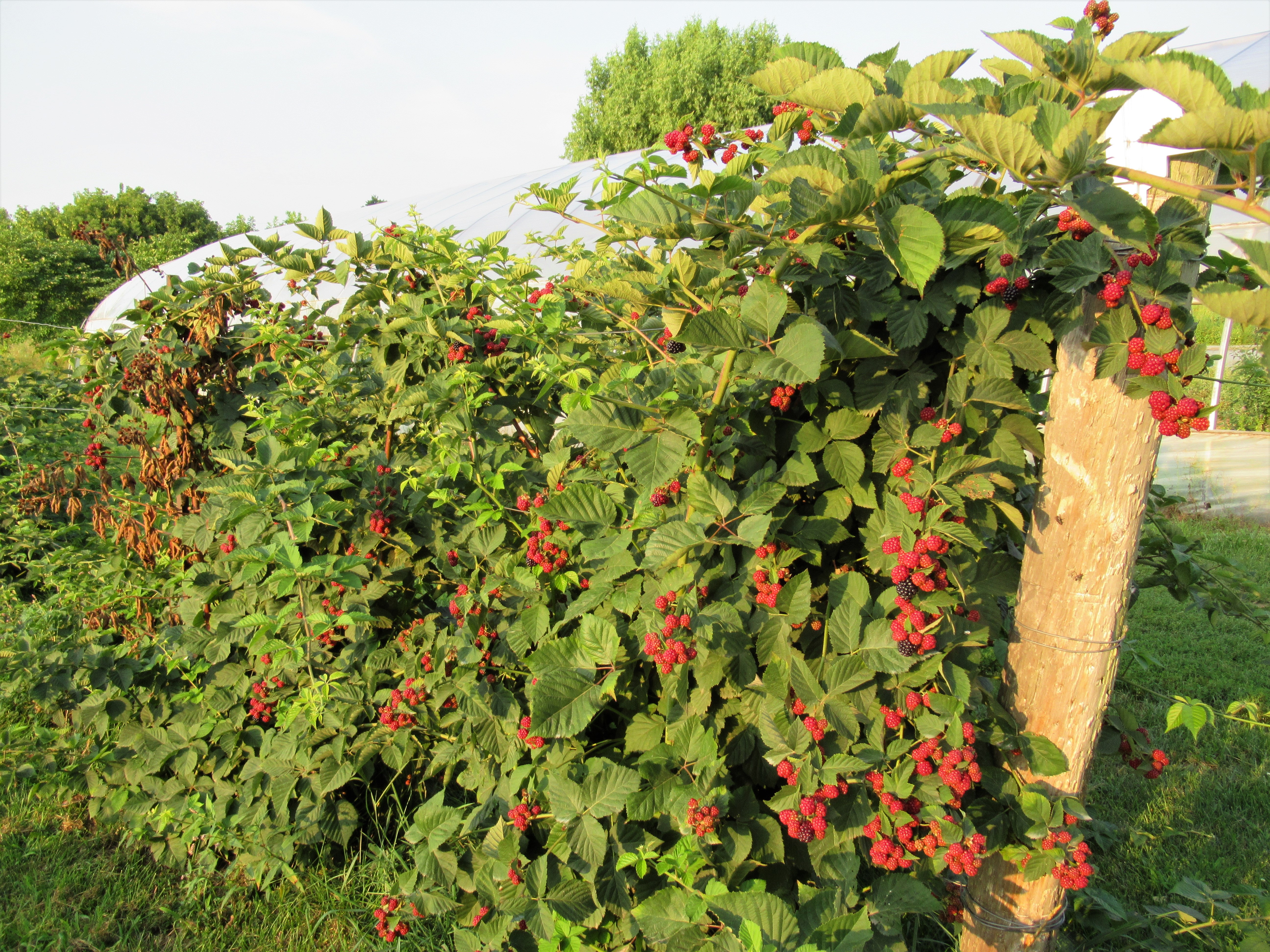
The winter was hard on our blackberries – a lot of canes died from the cold temperatures & winds or were damaged by mice & rabbits. Now that the leaves are showing we can see that a lot more canes are not alive. There will be blackberries – but not the big amount we had last year.

Both greenhouses are still full of plants – even though we have moved many outside on trailers.

Our large hoophouse suffered damage in that strong windstorm we experienced a few weeks ago. Like most hoophouses (or greenhouses), our is covered with a double layer of plastic. A small fan constantly blows air between the 2 layers, inflating them slightly to provide extra insulation. The outer plastic sheet on ours was ripped off leaving only 1 layer. The endwalls were also torn allowing cold air to enter the house. Fortunately no plants were damaged – just covered in dust & dirt – and it happened in late spring, not in the cold of winter. On chilly nights, we spread the white cover over the plants which is like a blanket to help keep them warm. Once the greenhouse is empty in a few weeks we will remove all the plastic, let the soil soak up the rains all summer, and install new plastic in fall. Growers who use their greenhouses year round replace the plastic every 4 or 5 years. Our plastic is at least 8 years old making it more brittle which is why it ripped in the wind. It owes us nothing!
It is a pleasure to be on the farm this beautiful time of year!

But I stand corrected – not everything on the farm is moving fast … or even moving!


1 Comment

Spring growth

April showers bring … April flowers!

And snow peas! They are finally up!

The garlic rows can be seen poking through the straw.

The rhubarb seems to be almost doubling in size daily (rhubarb pie soon?).

Various herbs are growing …

In the greenhouse trays of seedlings are waiting to be planted outside – onions, spinach, broccoli, bok choy … Maybe next week?

We spend a lot of time in the greenhouse these days, transplanting. The seedlings are growing well, but are still behind where they should be for the end of April.

Everyone likes to hang out in the greenhouse, especially on the cool mornings.

Plants are not the only things growing on the farm these days. Sage also continues to grow … and grow …

She plays hard and sleeps hard. She has her freedom at times, but is often on the leash as she remains a flight risk. Sage loves the chase, whether it be cars, tractors, trains, cats, Canada geese …


Leave a comment

Springing to life

It feels great to be outside working again!

Okay, maybe not when it’s raining … or snowing … or blowing … or cold …

We’ve experienced all of these this week. But we have also had some beautiful weather recently, and it is good to be outside, getting some work done.

We had 5 dump truck loads of manure delivered in March. Usually it is delivered in the fall so we can spread it on the fields before winter and then leave it to decompose. Once the weather warms up in spring, we work it in and plant our vegetables in the re-energized soil. Manure is very beneficial, adding organic matter, feeding the microbial life in the soil and providing nutrients for the crops.

Receiving our manure in spring means it was too late to spread it on most of the farm. To ensure food safety, there should be 120 days between the time manure is spread and when vegetables are harvested. I was able to spread some in a field we won’t be planting until early fall.

But most of the manure I mixed with straw and leaves (that I stockpiled from last fall) then ran through the spreader to mix it and put it in a long windrow. By this fall it will be beautiful compost which I will then spread over the fields.

The fresh, hot manure really steams on a cold morning.

While the weather was nice, we pruned the raspberries. We used to spend a lot of time gathering all the canes we cut out and removing them from the raspberry patch – both to keep it looking clean, and to eliminate any diseases. Then we learned that some of our native bees nest in these hollow canes, so now we are far less fussy about cleaning them all up. We rely on the bees to pollinate our crops.

The first of the snow peas have been planted! Will they germinate in these cold temperatures? No! But the seeds will patiently wait for some warmth and then sprout. We seed them early – mostly for our own well-being. Planting the first seeds into the cold, spring soil boosts our spirits, & gives us confidence that spring is sure to come – sooner rather than later we hope.

Certainly the snow today was not a confidence booster!

It does feel spring-like in our greenhouse. Seeds are being planted and seeds are sprouting daily.

Here’s hoping for warm weather soon, so we can plant them out in the fields!

______________

Sage update.

Sage now weighs in at a healthy 31 lbs – and growing!

She has decided she likes riding on the golf carts – even if it means waiting …

She plays outside until she’s exhausted and then sleeps in the barn while we work.


3 Comments

What’s new?

What looks like a prehistoric cucumber or something … has seeds inside that turn a shocking bright red colour … and tastes really, really bitter?

Bitter melons!

I’m often asked, “What new vegetables are you growing this season?” People know we like trying different things and are always growing something new.

Last year it was bitter melons. Rather uncommon & perhaps even unknown to many Canadians, bitter melons are a popular vegetable in many cultures. At the North York Farmers’ Market where the majority of our customers have an Asian background they sold very well. And our customers willingly taught us when to pick them, how to prepare & eat them, and about the many health benefits of bitter melons. Turns out they are especially good for the heart & regulating blood sugar for diabetics.

We found it difficult to germinate the seeds, but then the plants grew well & produced a lot of fruit for many weeks. This year we’ll be growing them again.  We’re trying 10 different varieties (3 last year) to see what grows & produces the best, and what our customers prefer. Look for our bitter melons in August.

What else is new this year?

  • Radicchio isn’t something our family usually eats. But it is a beautiful, leafy vegetable resembling lettuce & cabbage in looks & usage, with a slightly bitter flavour. We grew some last year for the 1st time but got them in the ground too late to mature. We’ll start our seeds sooner this season.

Here’s what radicchio should look like (pictures from West Coast Seeds catalogue).

  • We haven’t grown parsnips for many years (don’t really remember why) but we’ve been buying & eating them this winter. They are so delicious that we have to grow them again!
  • Similarly popcorn returns to the list.
  • Fennel – another favourite of mine – has been unsuccessful for us recently. Maybe this is the year?
  • We’re trying to grow more Asian vegetables to meet the demand. Edamame, Chinese cabbage, pak choy, & winter radishes have been grown on our farm for a few years but we’re always trialing new varieties – looking for ones that grow reliably in our conditions, produce well, and taste great! We will add some other Asian greens to the list as well – tatsoi, choy sum, komatsuna, yokatta-na
  • And we are continually trying new varieties of crops we already grow. The list for 2018 includes 35 varieties of hot peppers, 38 different winter squash, 39 kinds of eggplant and 60+ varieties of tomatoes. This includes the tried & true, the old favourites and some new ones too.

That should be enough to keep things interesting!

*Here’s the disclaimer … It’s easy to get carried away in the winter and dream & make all these plans. No doubt not everything will get seeded or planted. Not everything that gets planted will grow well & produce a crop. We make no promises! But we will certainly try! And we’ll have fun doing it!

Look for these vegetables and more at our farmers’ markets or in your CSA shares this summer.

_______________________________

Sage update.

While Sage continues her quest to make new friends, Kahleese will have none of it.

Enjoying the last bit of snow.