Keep updated on all that is happening around Thiessen Farms!


1 Comment

CSA 2017

I’m getting hungry – hungry for fresh produce. Our own fresh produce!

Yesterday I used the final Chinese cabbage from last season. It was still crisp & delicious inside! We are still eating garlic, onions & winter squash too.

But I’m craving a fresh tomato, or eggplant … zucchini …

The fresh vegetables are still some months away, but we are busy planning for the upcoming growing season.

We are now accepting applications for our 2017 CSA program. All the information & the application form are available on this site or email us at thefarm@thiessenfarms.com. Please consider joining us!

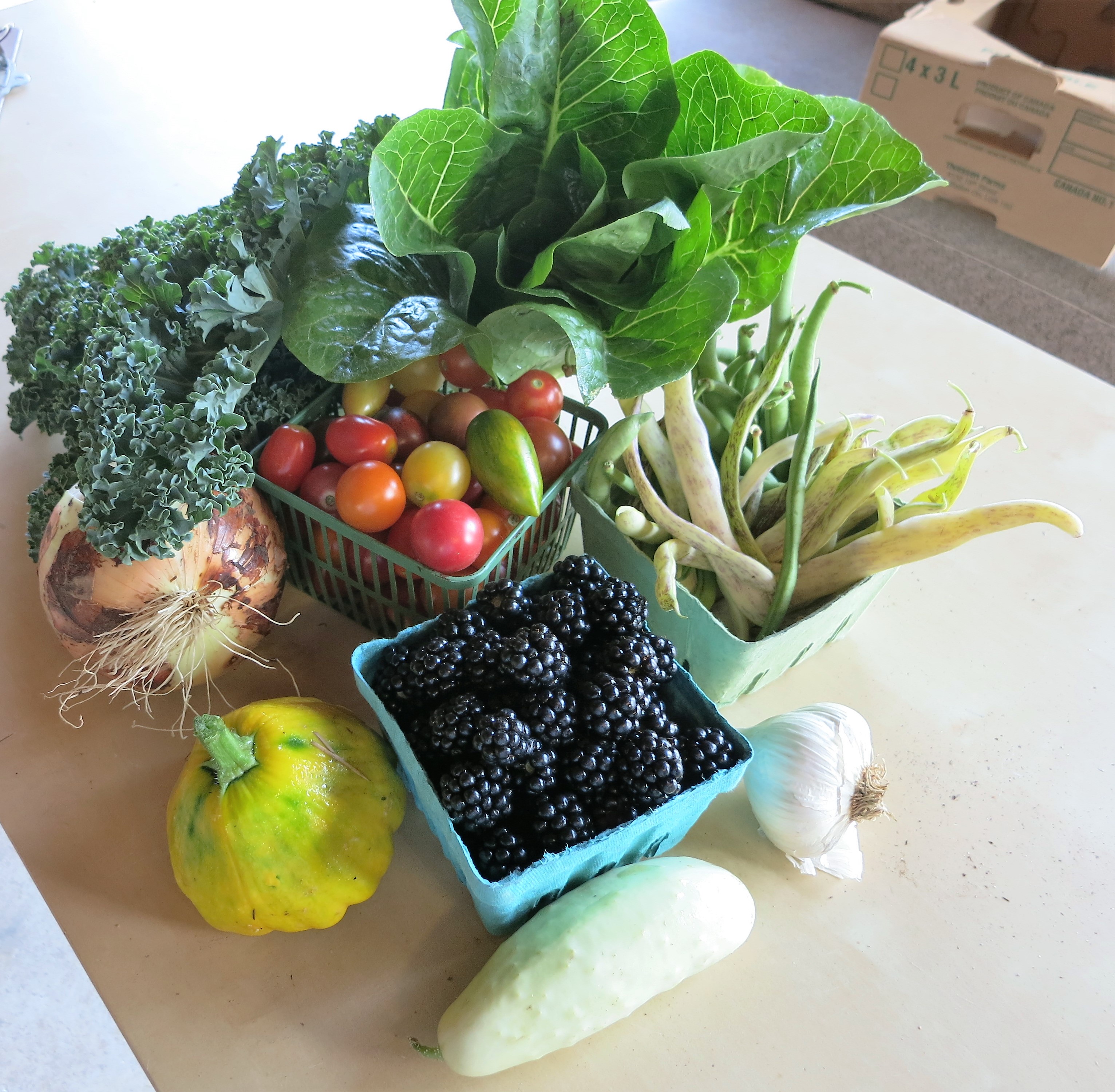
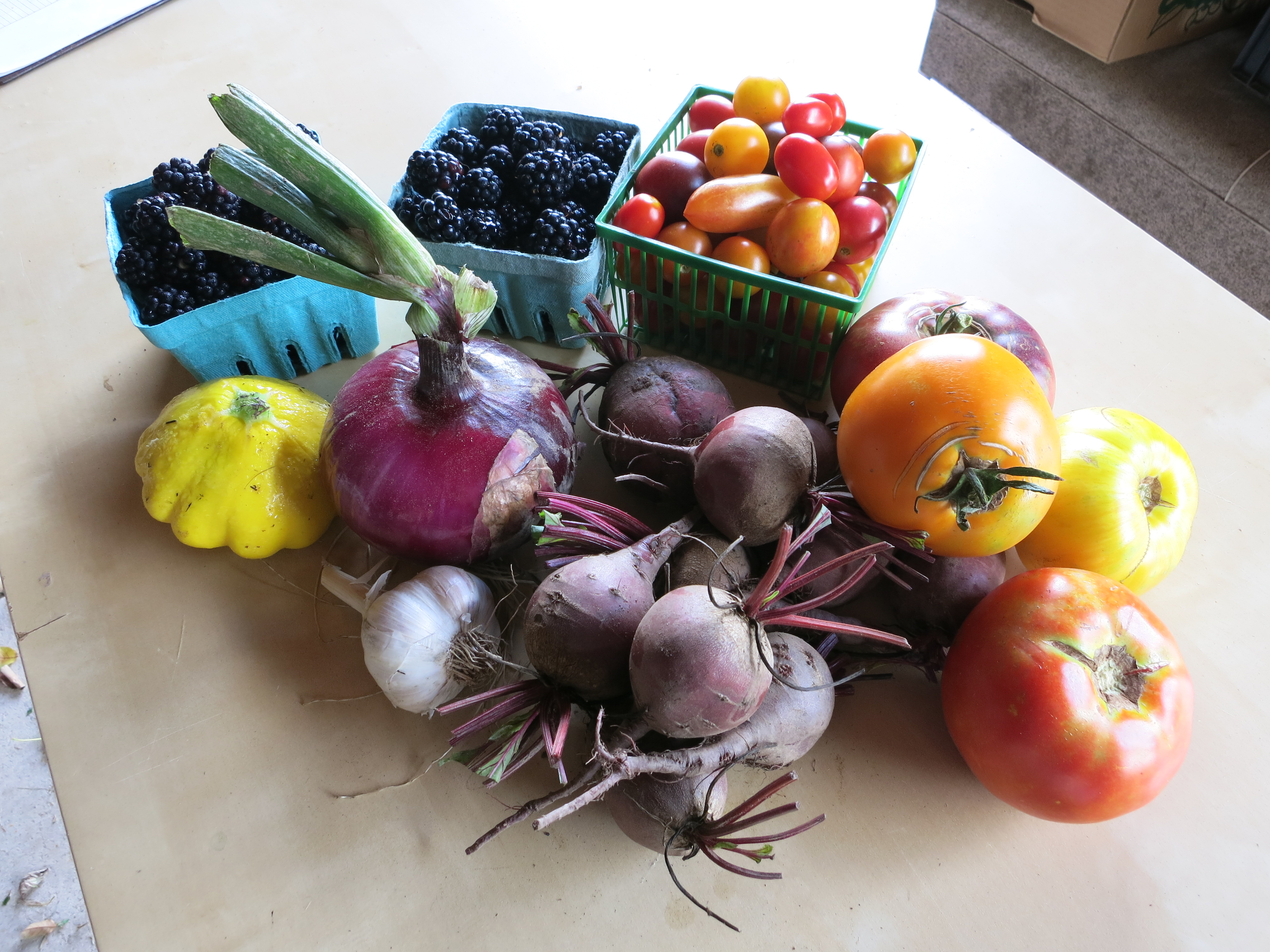
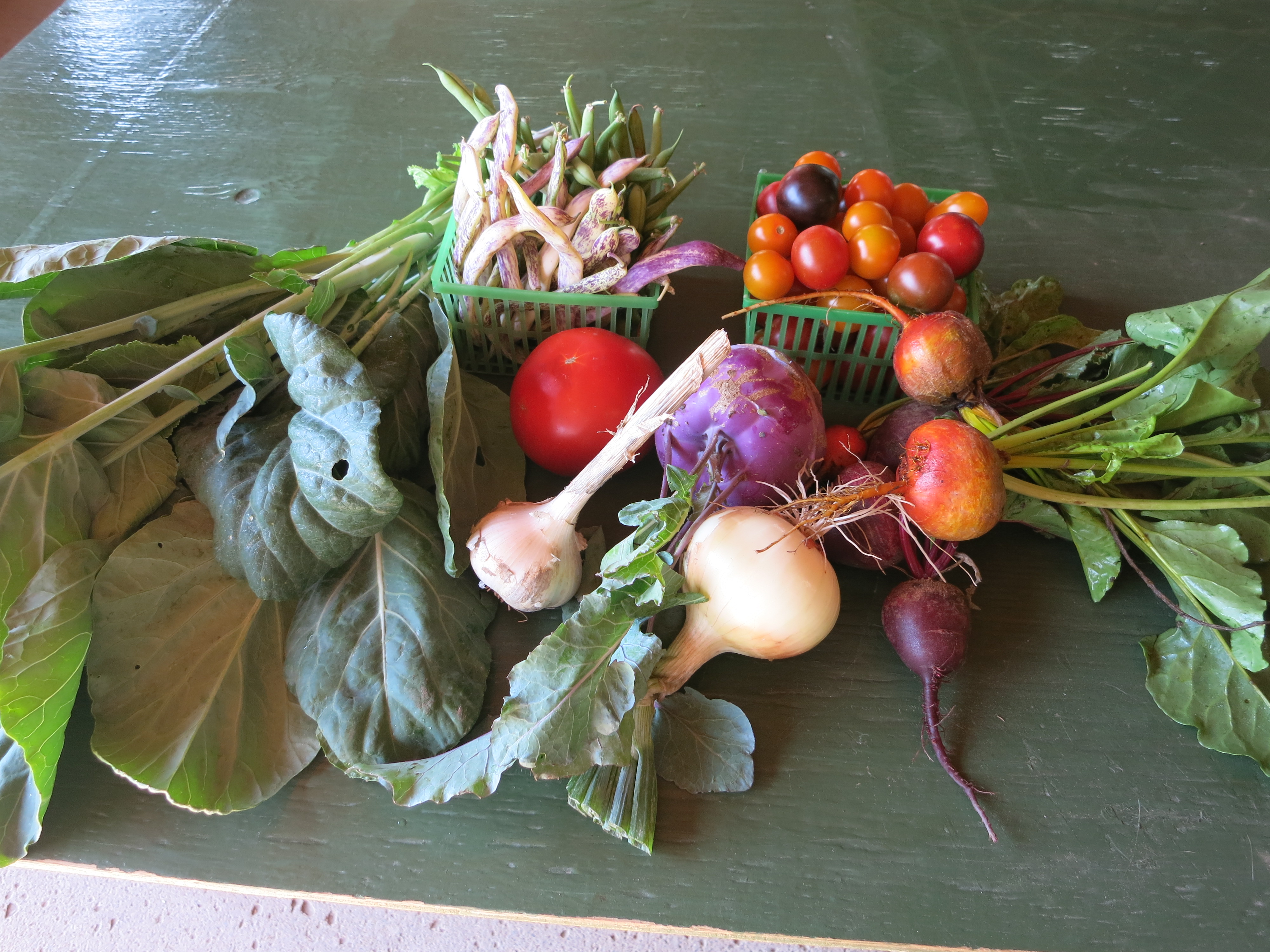
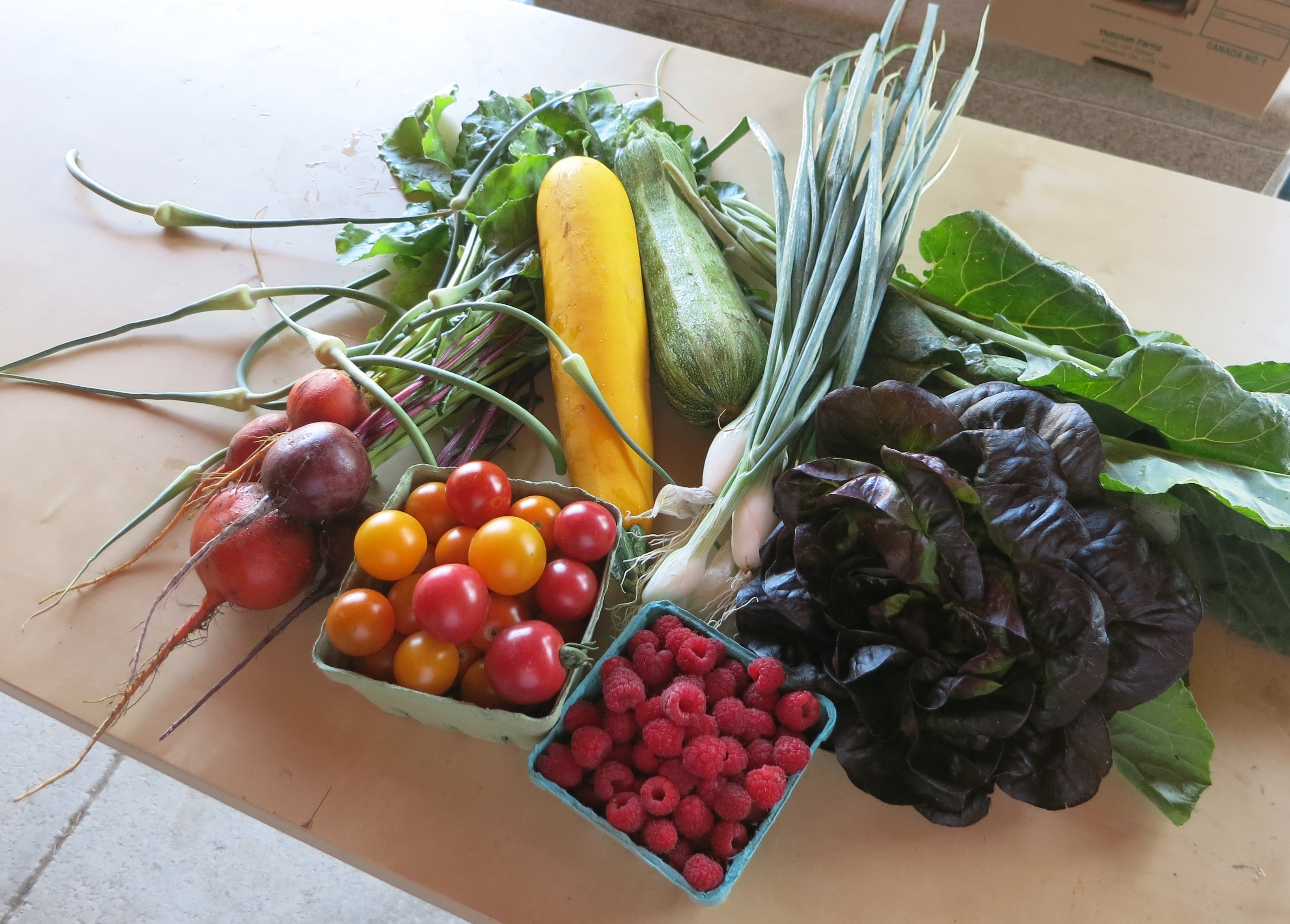
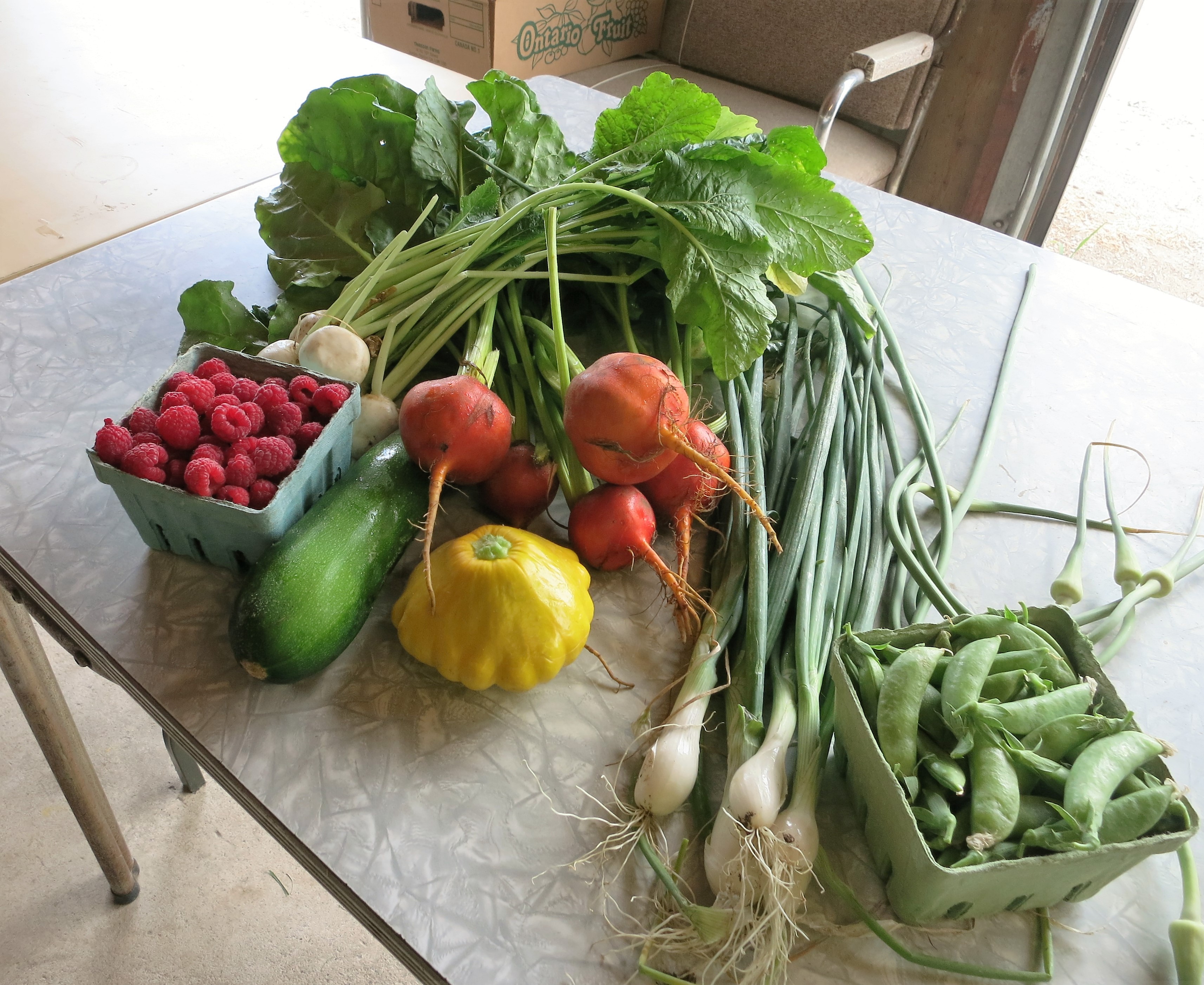
Here are a few pictures of last years CSA boxes to remind us of what is to come …

IMG_7824 (2)

IMG_7791

IMG_7760

IMG_7639

IMG_7513

IMG_7491 (2)

IMG_7457 (2)

IMG_7404


6 Comments

Kalettes anyone?

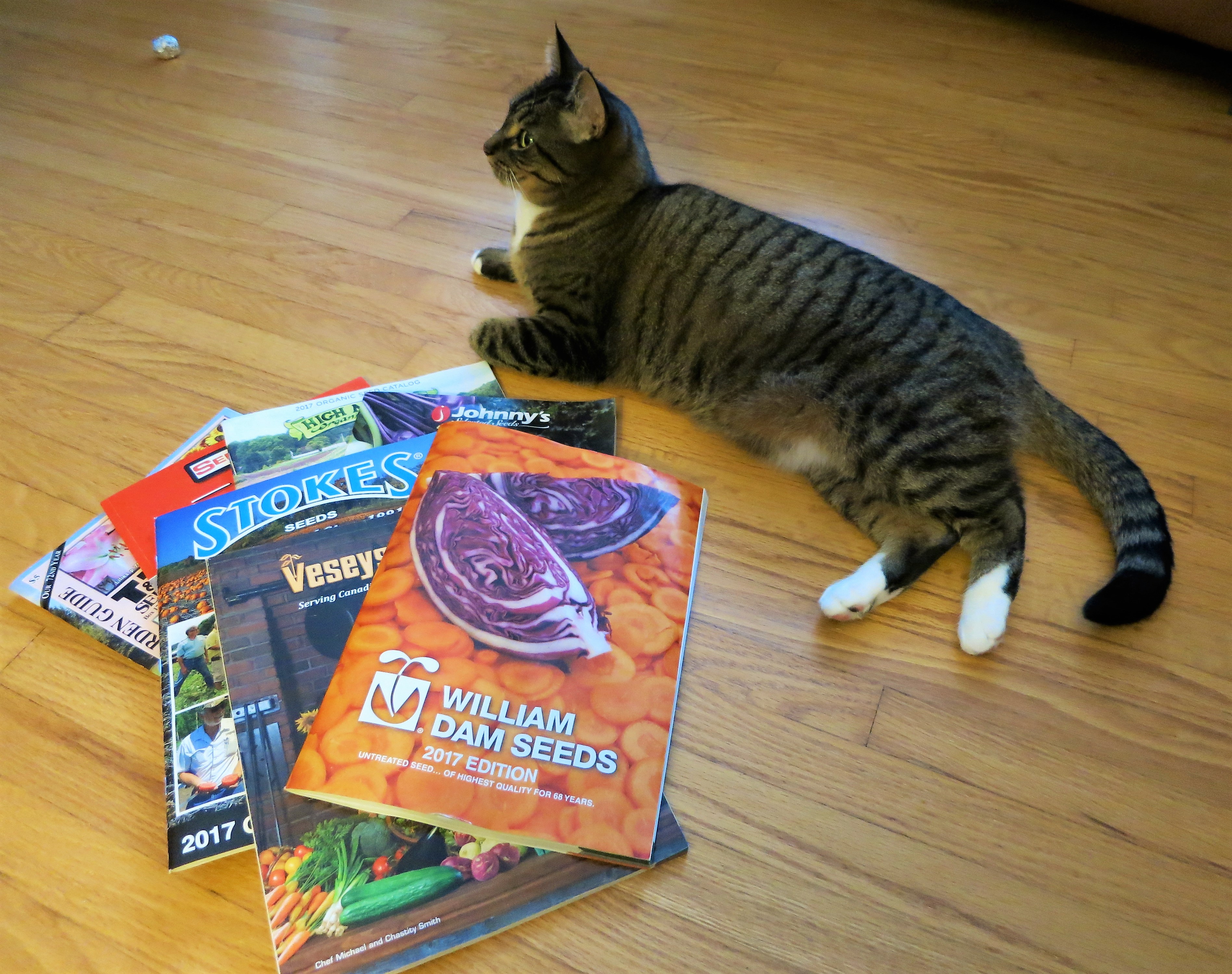
Hot off the presses, the 2017 seed catalogues are starting to arrive.
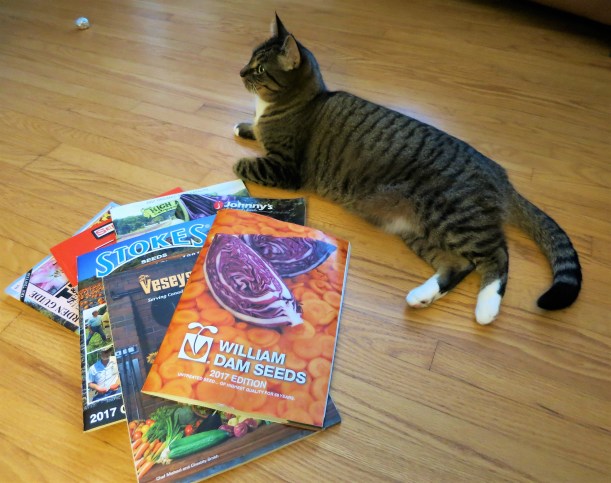
img_8607-2

That means it’s time to start planning for next season – already!

Most of these catalogues have a page or two at the front featuring new varieties of vegetables, herbs & flowers – perhaps a tomato that isn’t supposed to crack, an easier to pick green bean, or a new colour of zinnia … Glossy pictures & grand descriptions are used to try & entice us to grow the latest & greatest. And sometimes it works and we’ll try a new variety, especially if it promises some improvements that might be beneficial – maybe a lettuce that won’t go bitter as quickly in the heat, a zucchini that’s more disease resistant, peppers that turn red sooner …

But it is not often that an entirely new vegetable is offered – something that has not been seen before.

Almost 20 years ago broccolini was introduced. A cross between broccoli & kai-lan (Chinese broccoli), it featured smaller florets & longer, thinner stalks. We grow this great vegetable and it is very popular at our markets.

Now there are kalettes!

Kalettes were bred by a British company who worked for 15 years using traditional breeding techniques (not genetic modification) to come up with this cross between kale & brussels sprouts. “The result is a truly new vegetable with fantastic flavor which combines the best flavors from brussels sprouts and kale, resulting in a fresh fusion of sweet and nutty.” (from http://www.kalettes.comOriginally called flower sprouts in Britain, they were rebranded as kalettes for North America due to the popularity of kale. The seeds were first available here in 2015.

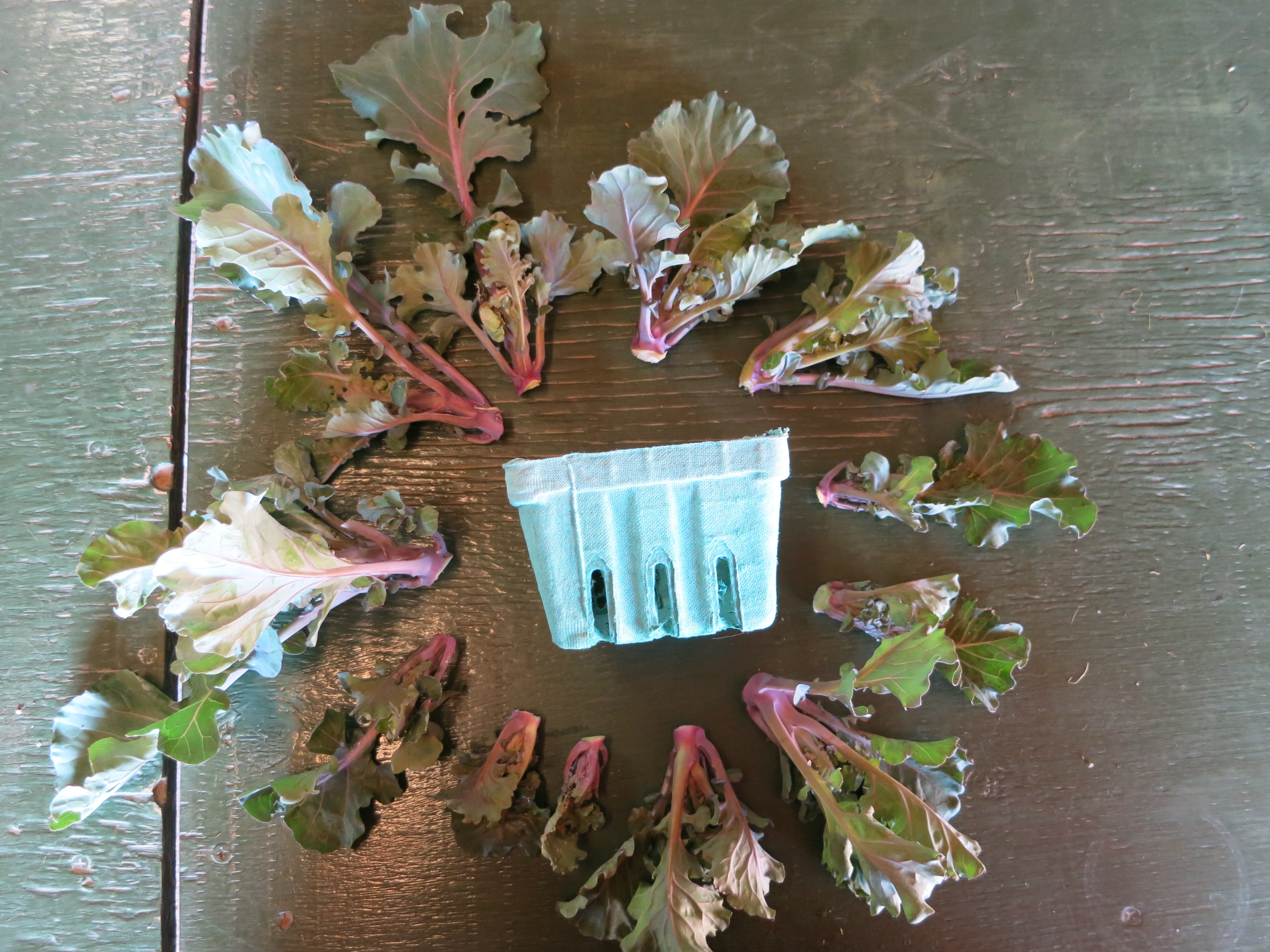
We grew them this past season for Chef Justin at Vineland Estates Winery Restaurant. The plants were impressive, growing tall & vigorous even during the extreme heat & drought of summer 2016. (We did not water them). Similar to a brussels sprouts plant, kalettes have a single, thick stalk about 3′ tall or more, with heavy, waxy leaves growing from it. We planted them in early spring but not until late summer did we see small buds growing at the junction of the leaf & the stalk. It took until fall for the bouquets of miniature kale to appear. A rich green with pink/purple veins, they were certainly beautiful!
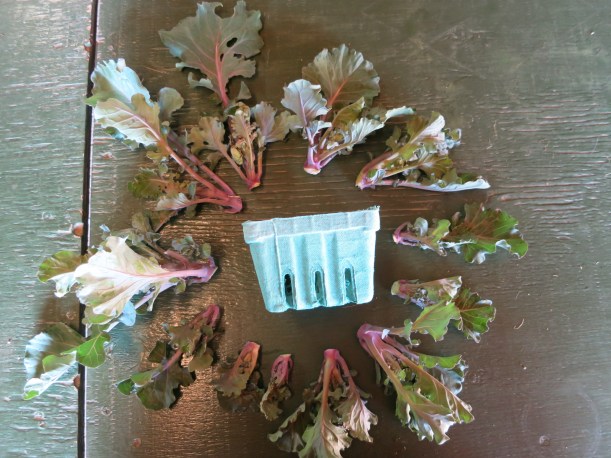
img_7978

Kalettes can be eaten raw or stir fried, sautéed, roasted, or grilled. The flavour is milder than brussels sprouts & the frilly leaves are more tender than kale. They are very nutritious – especially high in vitamins C & K.

Will we grow kalettes again?

I hope not! The plants are large & take up a lot of space for a long season. They are slow & difficult to pick & the harvest is small. So many other crops could be grown that would be quicker to mature, easier to harvest & more profitable.

However, one season is not enough to make an accurate assessment of a crop … Plus, it’s exciting to grow a new vegetable … And Chef Justin did like them …

Kalettes anyone!?


2 Comments

Orange is the new blue

It was not totally unexpected.

The tractor was old & ailing. Addicted to ether, it wouldn’t start without a shot or 2 (or 3 or …) of the smelly stuff. Once running, it spewed so much smoke from the exhaust & from the engine that I could hardly see to drive. And how it leaked oil – from everywhere and all the time.

But the end was sudden – a sputter & then it stopped. I sensed that it was final. Our mechanic came by, checked it over & confirmed that the tractor was finished. It had served us well for 35 years.

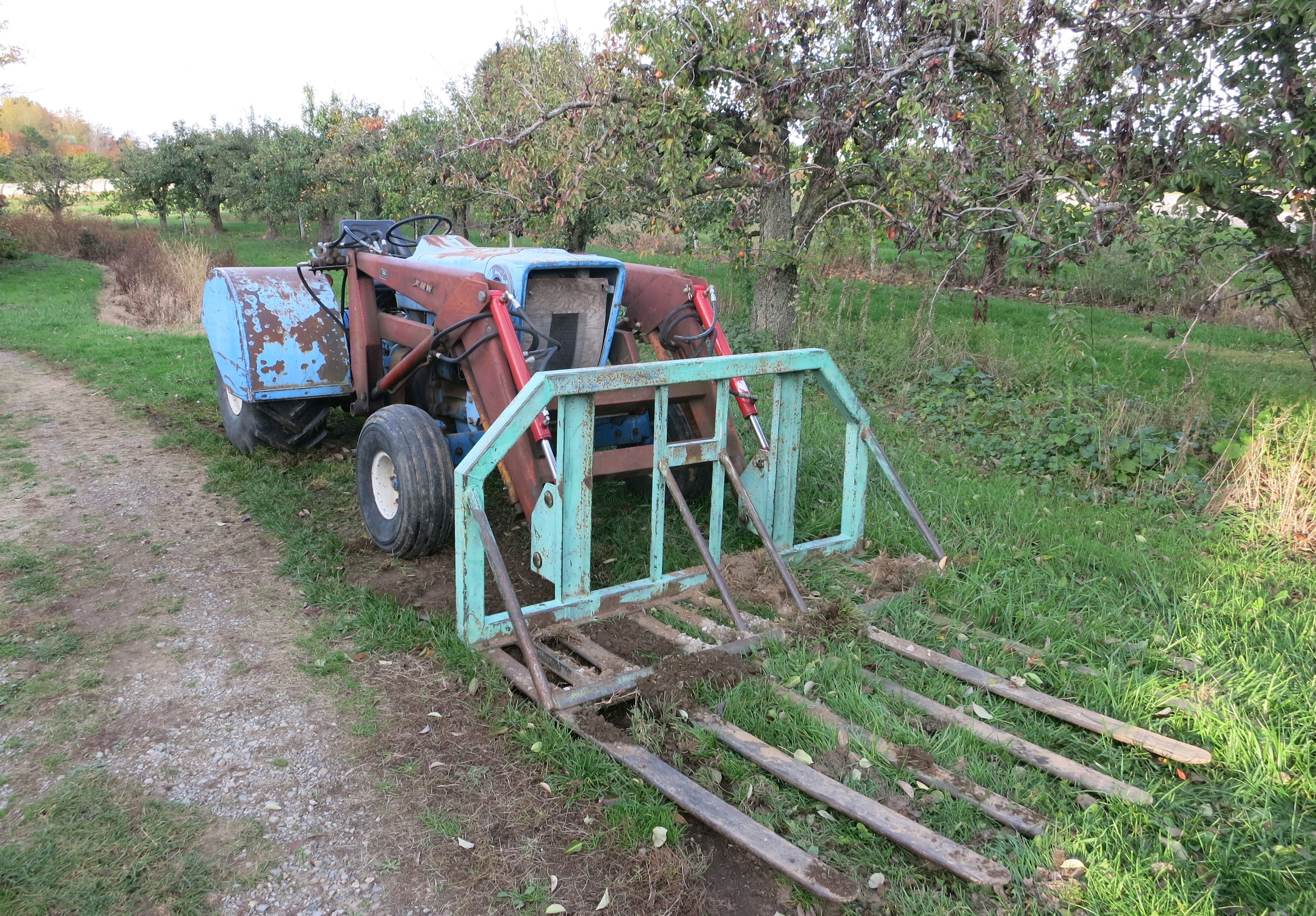
img_8130-2

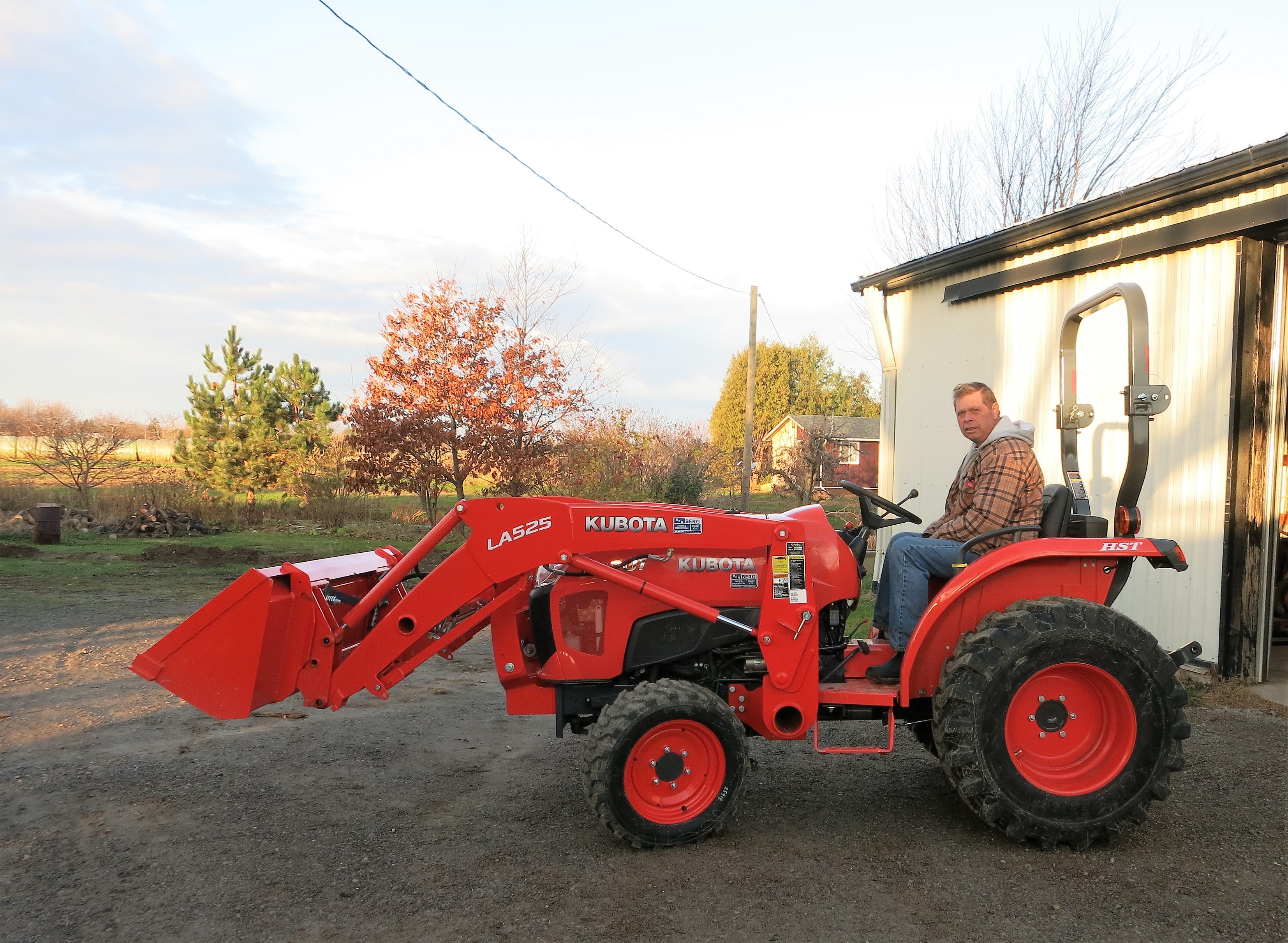
The replacement has arrived – a brand new tractor that is nothing like the old one. It is smaller & less powerful, but quicker & more nimble, easier to drive, and most importantly everything works!

But the biggest difference? It’s orange instead of blue.
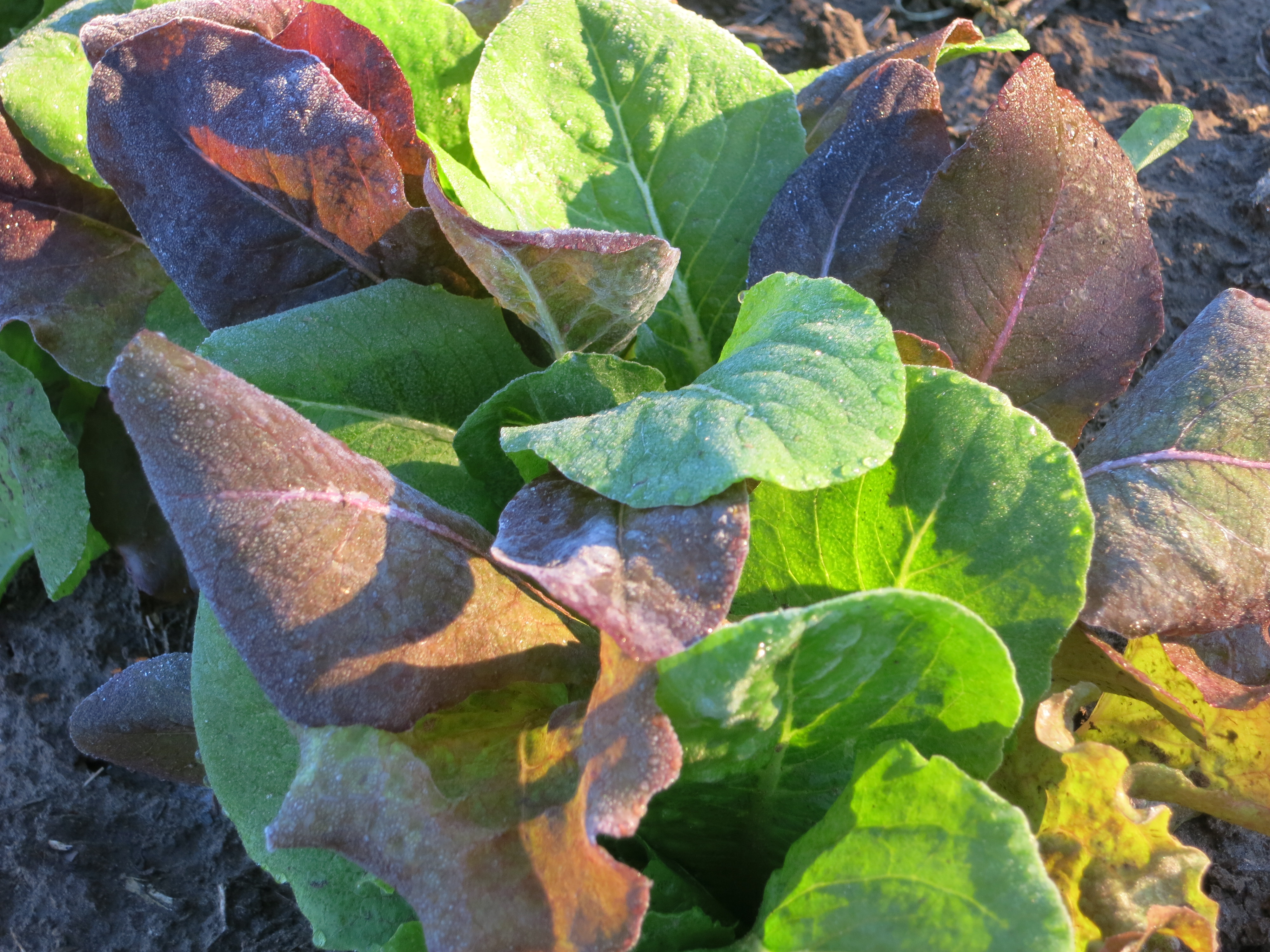
 

img_8580-2

Any new tractor we have ever purchased (there’s been 4 or 5 in the 70 years our farm has been around) has been blue. Until now. Our neighbourhood seems to be turning orange when it comes to tractors, so who are we to buck the trend! But actually they supposed to be an excellent tractor & it seemed to best fit our needs on the farm now & for the future.

I’ve been breaking it in spreading manure & compost these last few days. So far so good!

Here’s hoping for 35 years of good, dependable service from an orange tractor!


4 Comments

Going west

Anyone who knows me, knows I’m not much for traveling. Sure there’s a whole world out there, but I’m content to let someone else explore it. Someone needs to stay at home and keep things going – I’d rather be that person!

However, 30 years of marriage warrants a celebration – a trip – or so I was told.

When markets finished at the end of October, Lorie & I caught a flight to Calgary. From there we drove through the Rockies to Vancouver to see our son & daughter-in-law. Then back to Alberta to visit with my brother & sister-in-law. It was great to see family & to visit Vancouver for the first time.

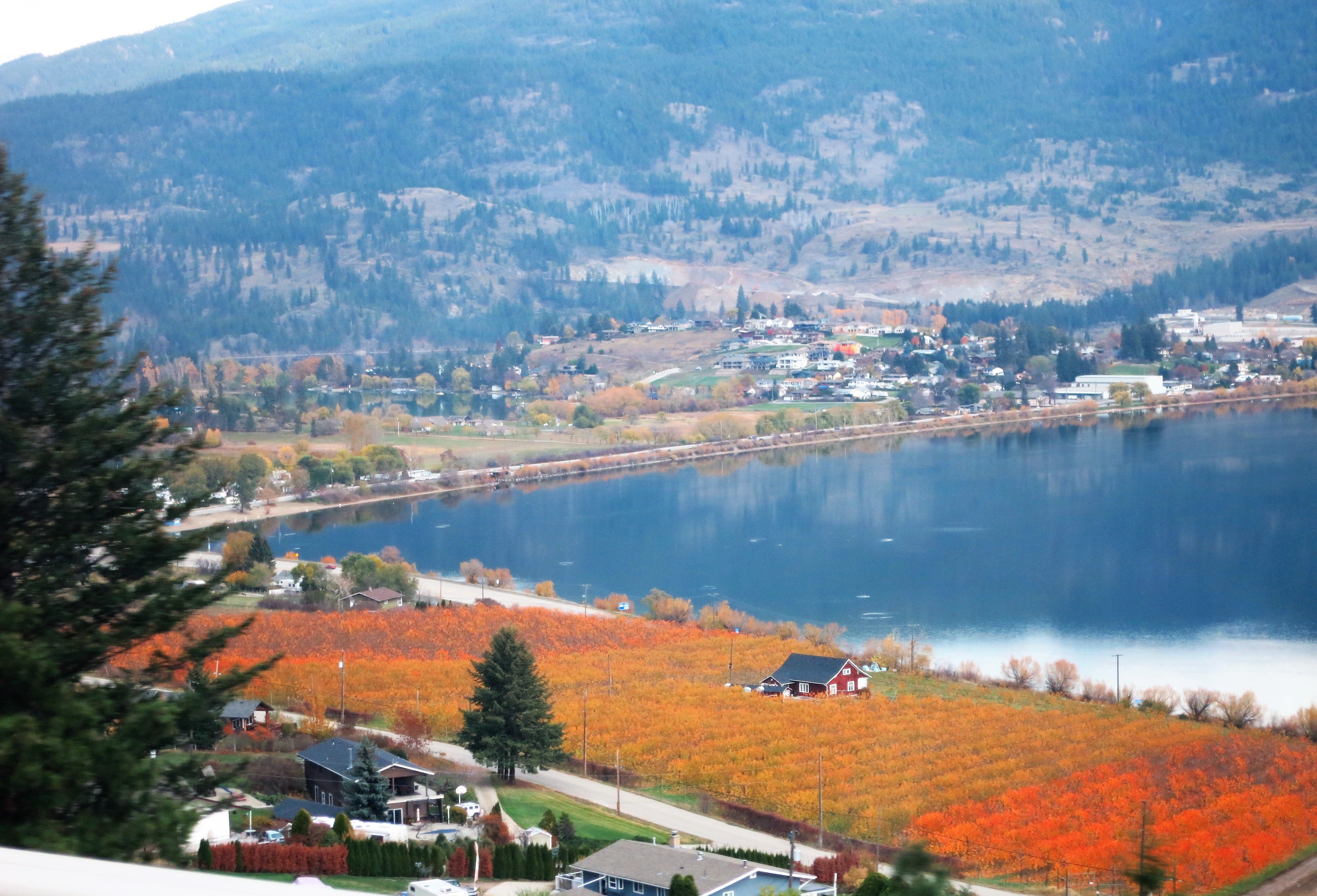
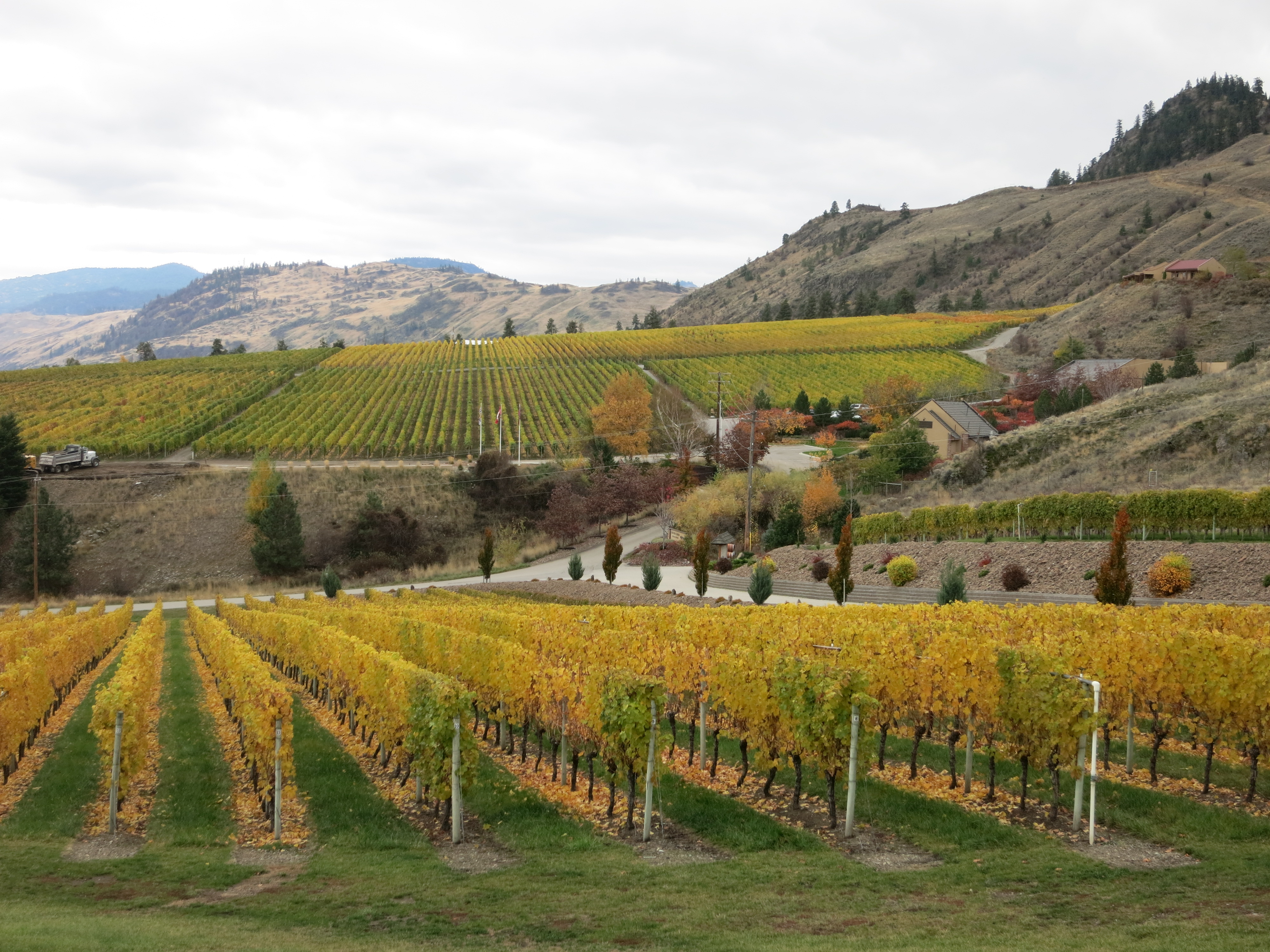
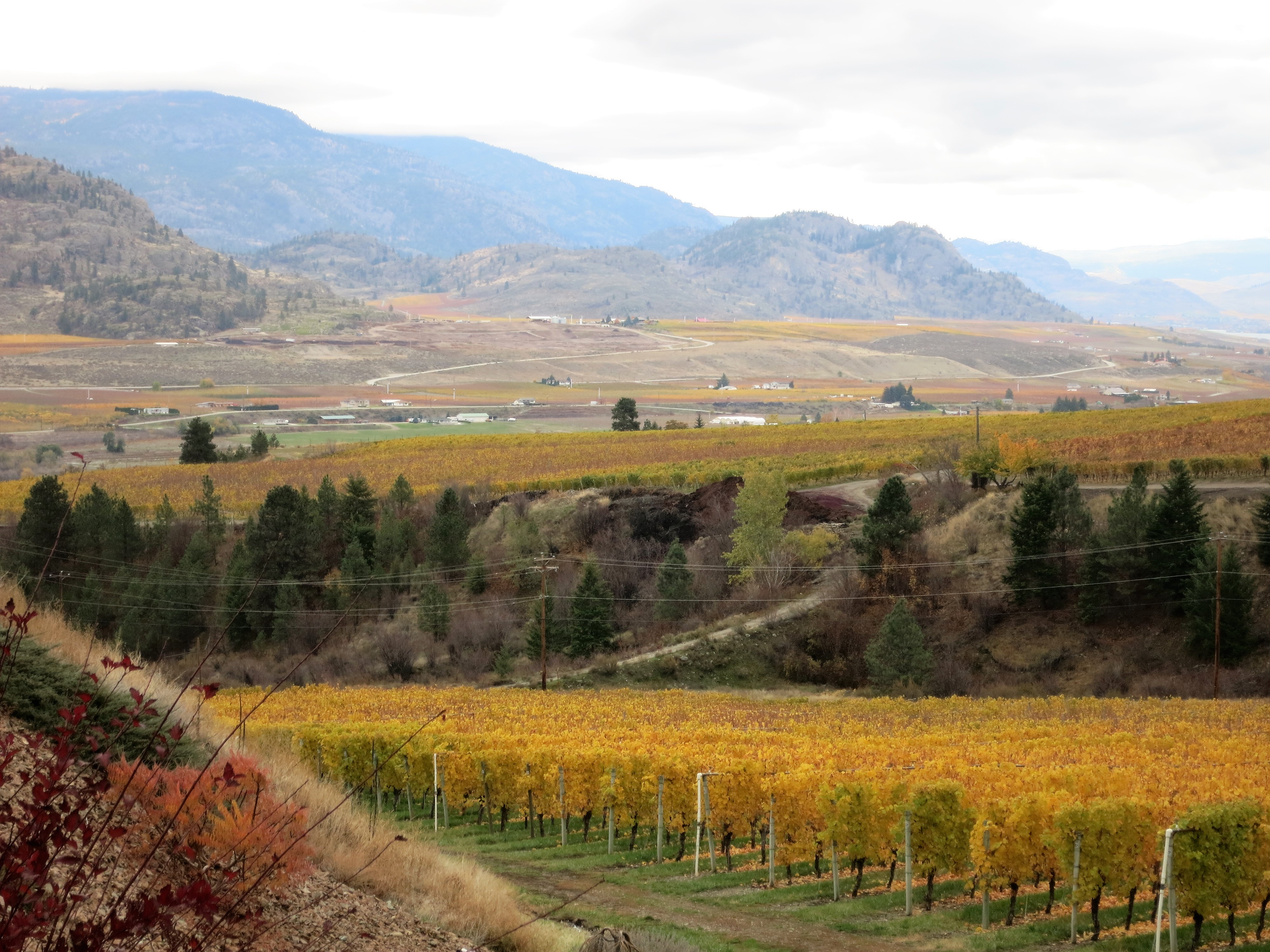
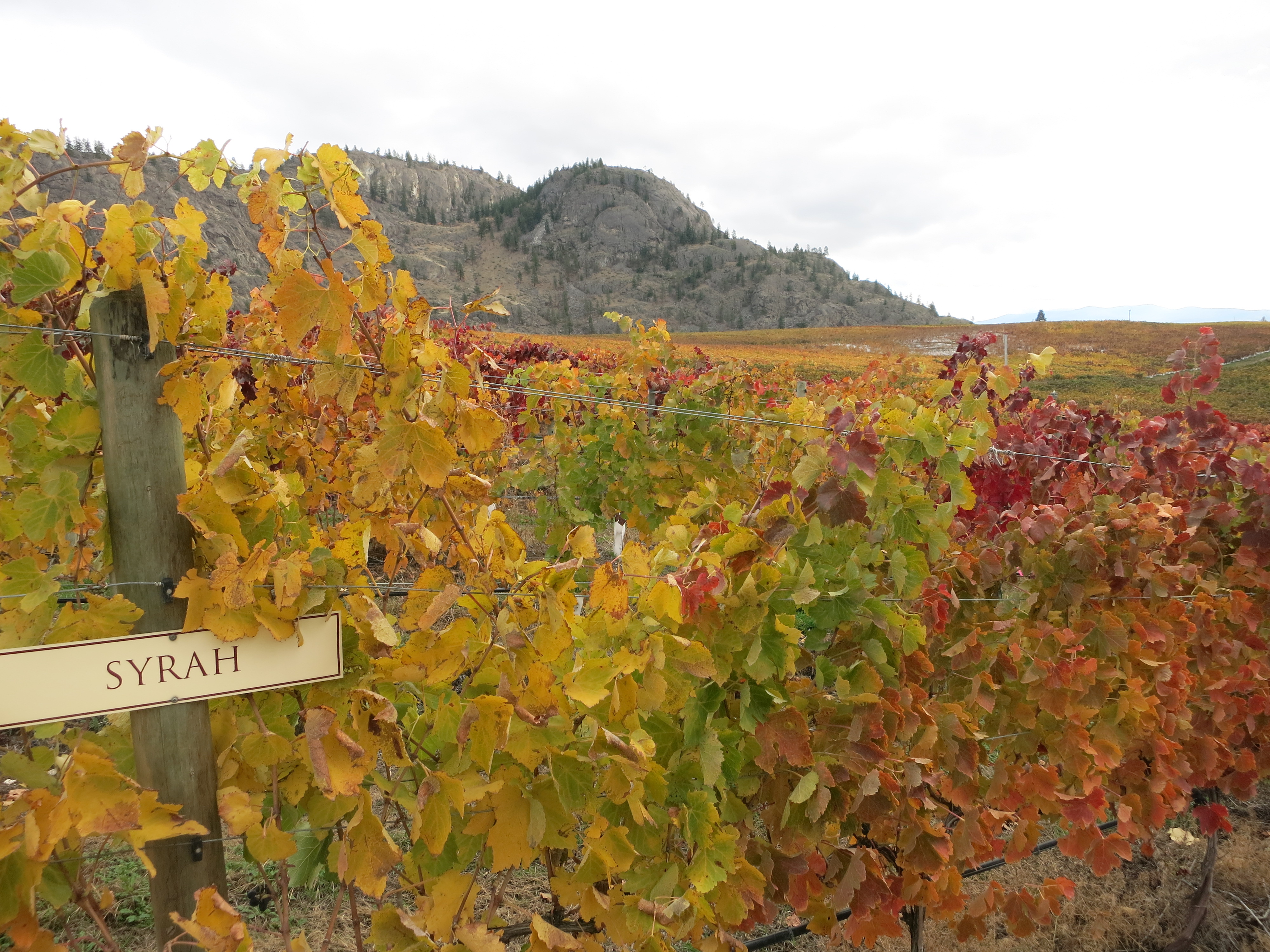
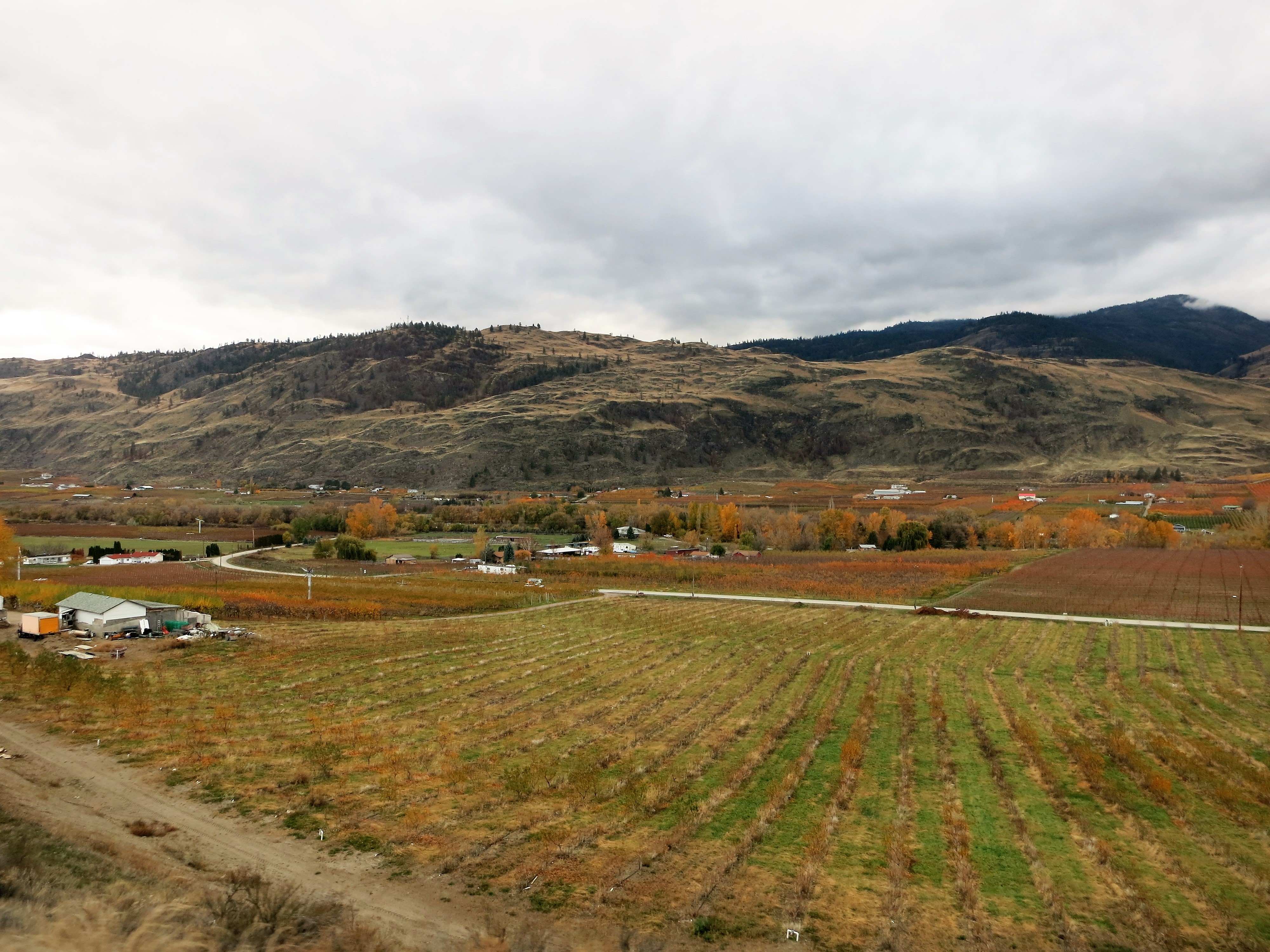
But a highlight of the trip for me was touring around the Okanogan Valley in BC. It was amazing to see farms clinging to the hillsides – fruit orchards & vineyards. Who would dare to climb a ladder to pick cherries when the ground is so steep? And who could even concentrate on work when the views are so stunning?

img_8465

img_8466

Cherries are a big crop. The orchards are huge – the farm we visited was around 50 acres of sweet cherries. Others are much larger.  The trees are planted very close together. Because this area is so dry there is far less disease pressure than we experience here in humid Niagara. As a result the cherries are top quality and extremely big & firm. Most of the crop is exported to Asia with only the smaller fruit – which are still usually bigger then our cherries – sold locally.

img_8287

A young apple orchard.

img_8474

We stopped at several wineries – to enjoy the views even more than the wine!

img_8177

img_8270

img_8273

img_8261

img_8252

img_8244

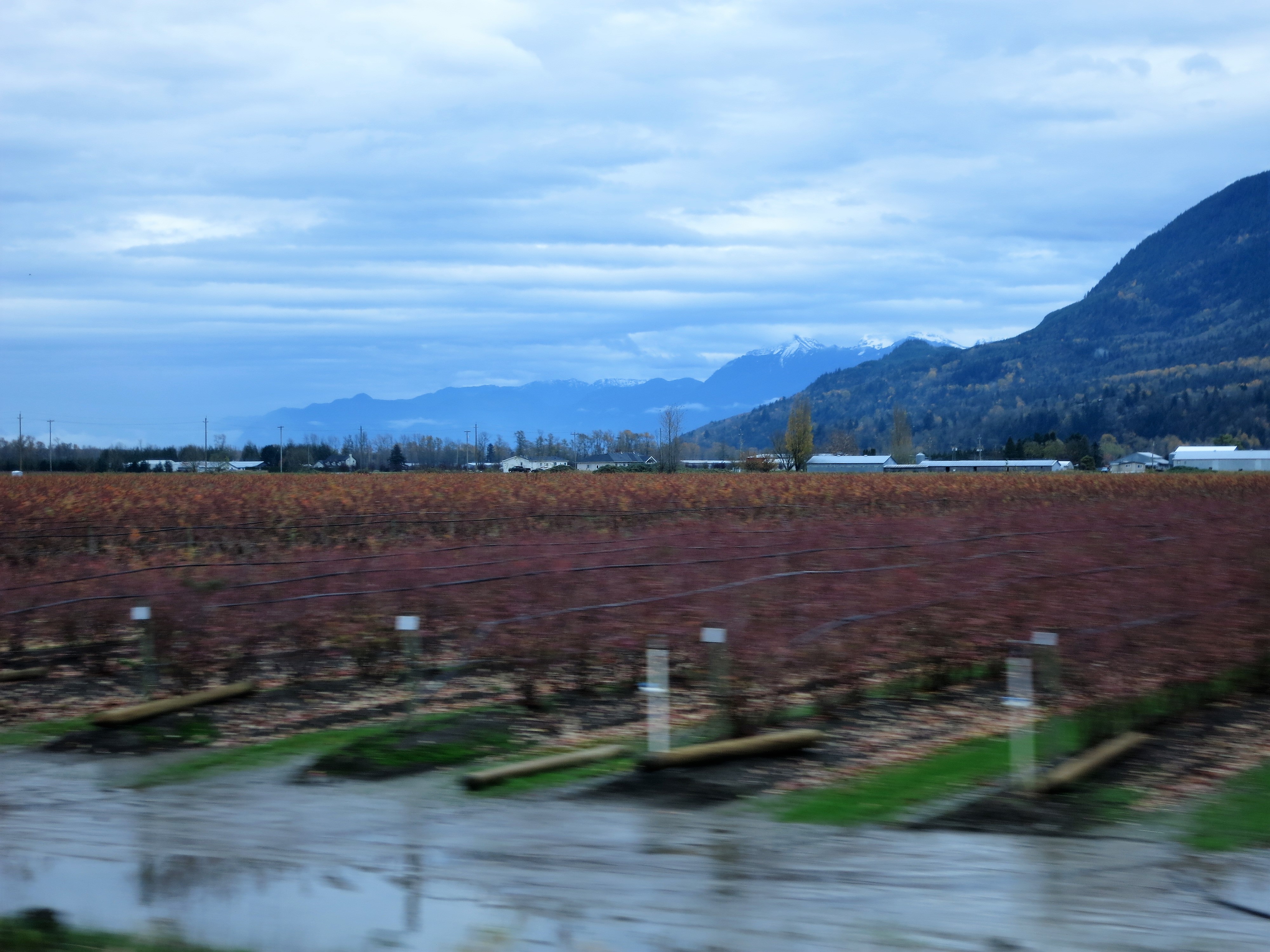
Closer to Vancouver, blueberries are the main crop. It’s a poor picture but they looked spectacular in their fall colours of different shades of red. And lots of water standing around – something we didn’t have this summer!

img_8439

An amazing background to the farms in Alberta, just west of Calgary near Cochrane.img_8554

It’s always great to check out other farms & see how they do things. We learn a lot & bring back ideas for our own farm.

And after 2 weeks away it’s good to be home.

I’ll admit I enjoyed our trip a lot! I may even do it again sometime …


1 Comment

October or …. ?

img_8108

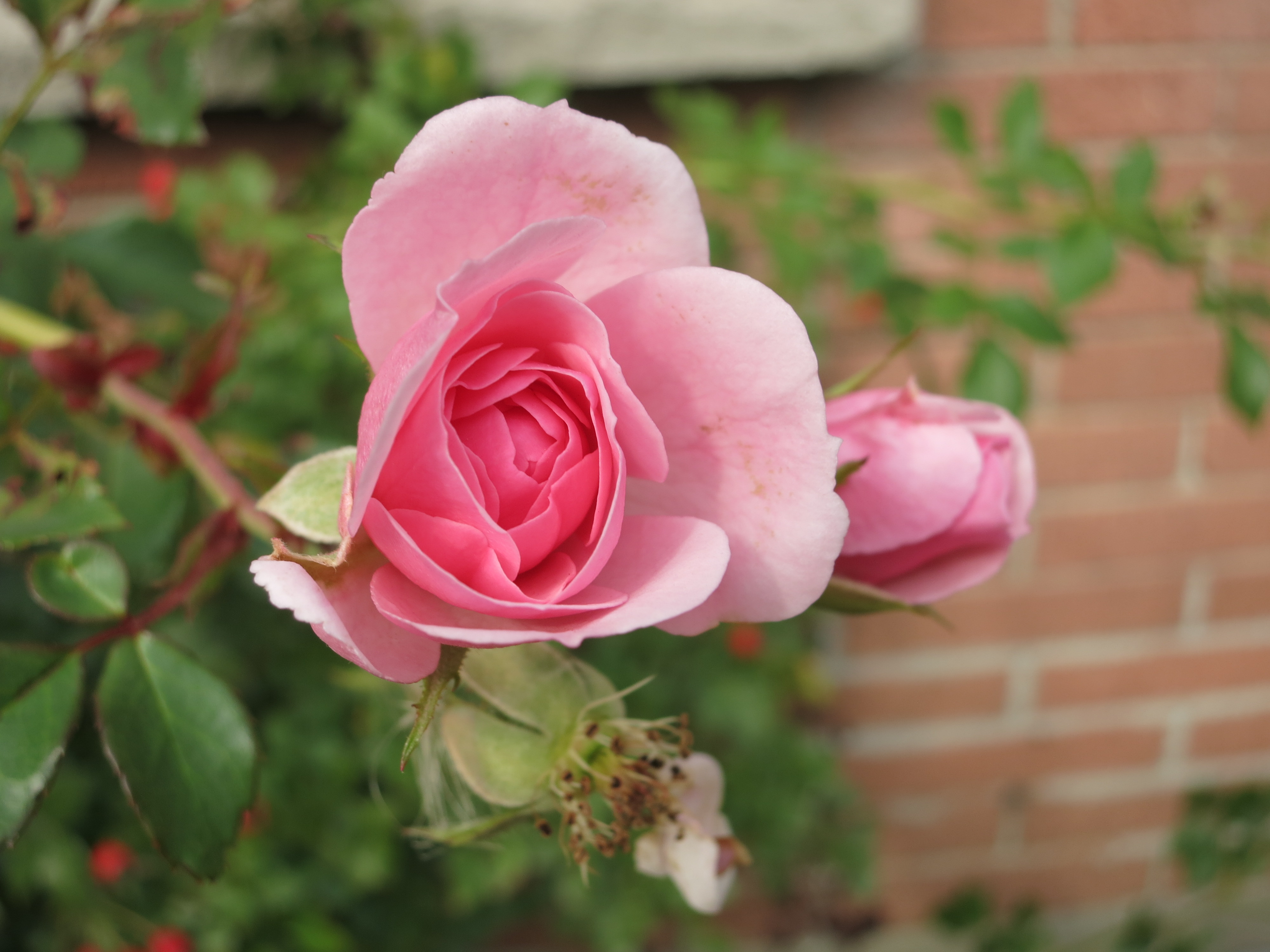
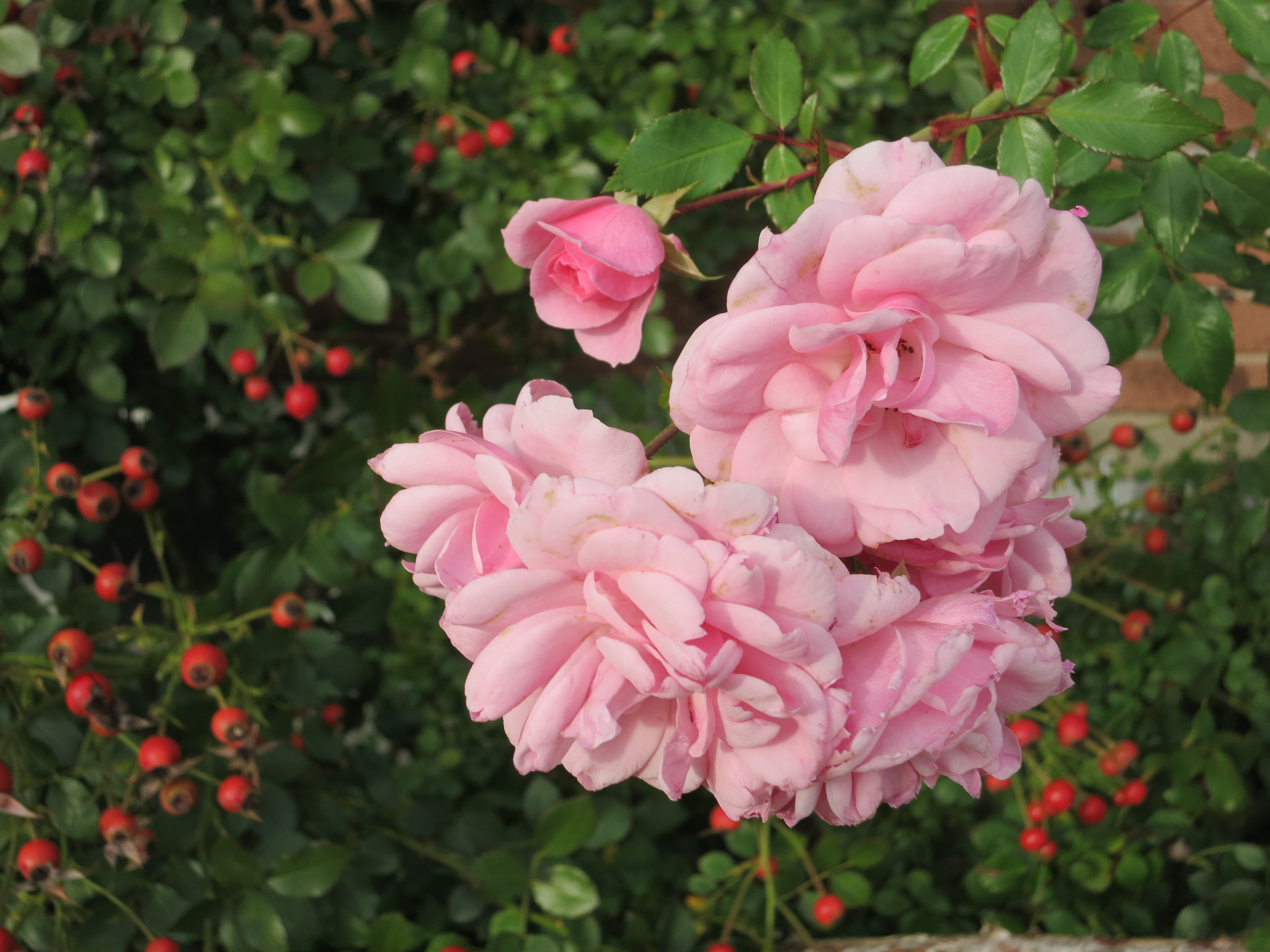
Our rose-bush is blooming again. Delicate pink flowers against a background of dark orange rose hips. It’s beautiful!

img_8105

Is it October or ….?

Last week we experienced the first frosts of the fall. On 2 nights the temperature approached the freezing mark, but it was not enough to cause much damage.

img_8052

img_8065

Now we have returned to unseasonably warm temperatures. It’s back to shorts & T-shirts again.

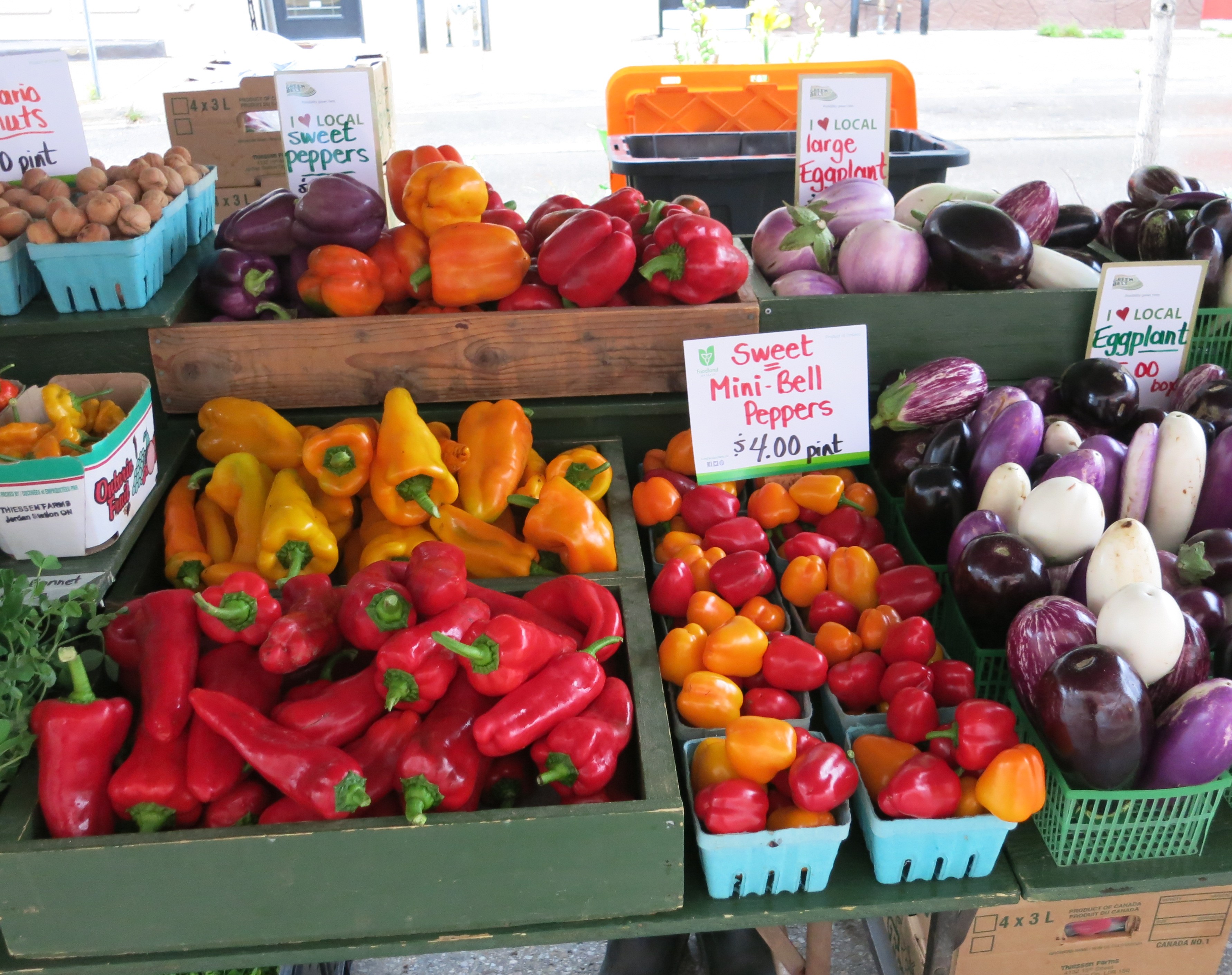
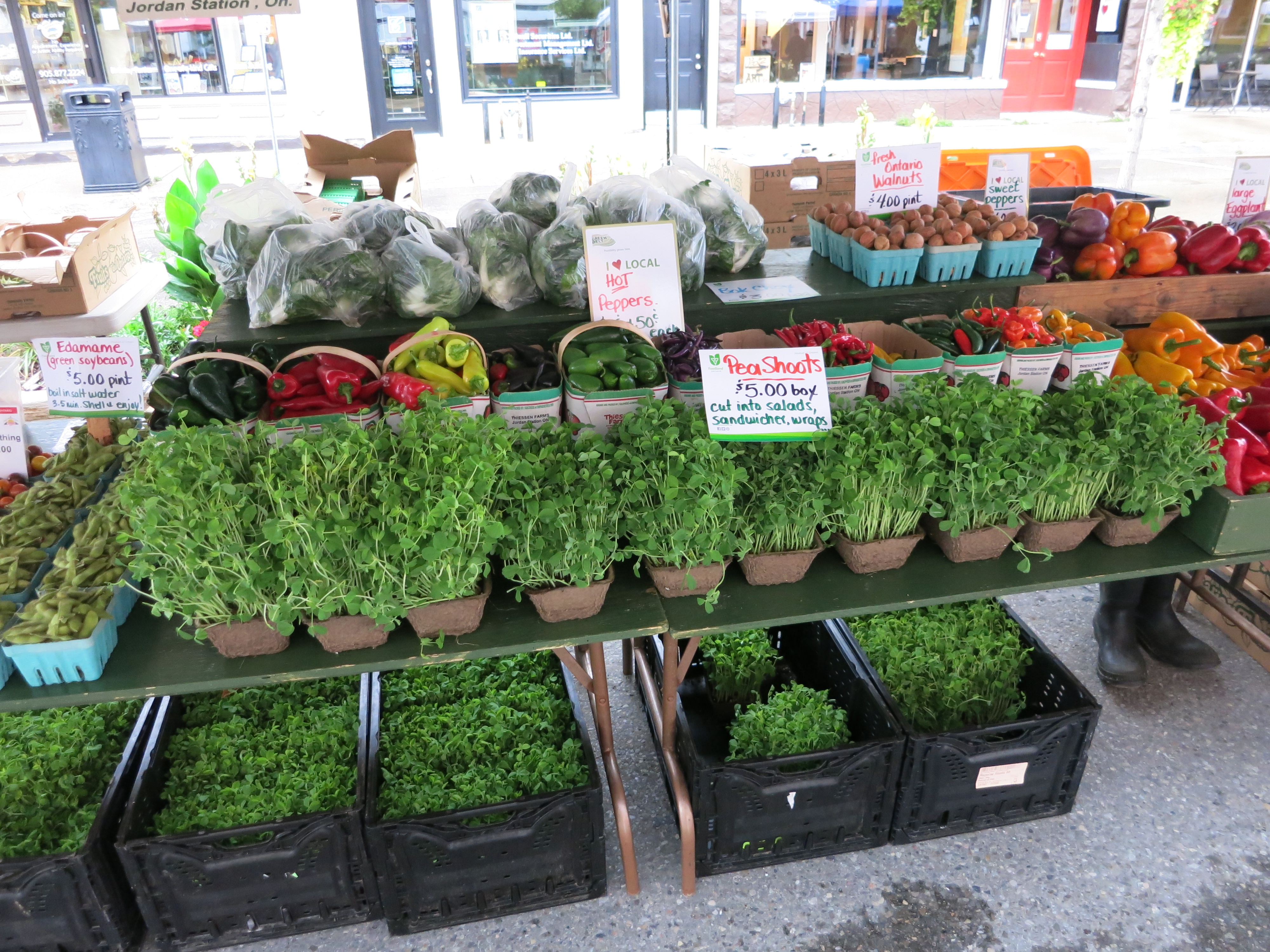
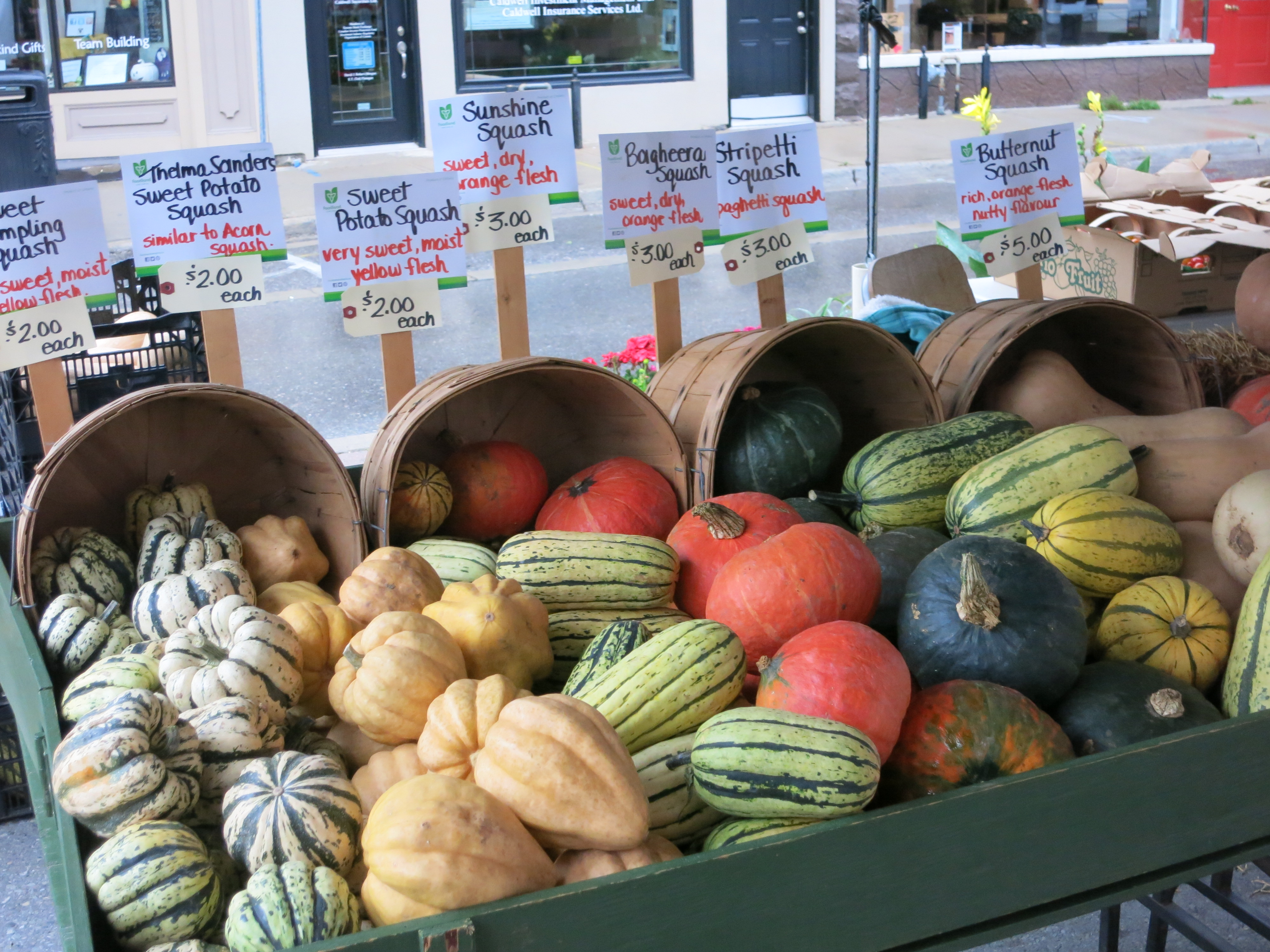
And harvesting vegetables! We are still picking peppers (both sweet & hot), lettuce, bok choy, beets, salad turnips, cabbages and even eggplant. It’s great to have fresh vegetables to display at our farmers’ markets. While the Georgetown Market ended last Saturday, Oct.15, our North York Market continues this week & next.

We wondered earlier if we would have produce to sell, but our worries were unfounded – the tables are full & colourful!

img_8049-2

img_8048

img_8044

It’s a beautiful time of year on the farm too! The leaves are turning colour.

img_8114-2

img_8117

If this is October, I’m all for it!


1 Comment

Still Growing

Sometimes, if I wake up during the night I can hear the coyotes singing. It’s a good sound, and comforting to know they are there. Coyotes are an important part of the farm, helping to keep the mouse & rabbit populations under control. In fact I wish we had more of them!

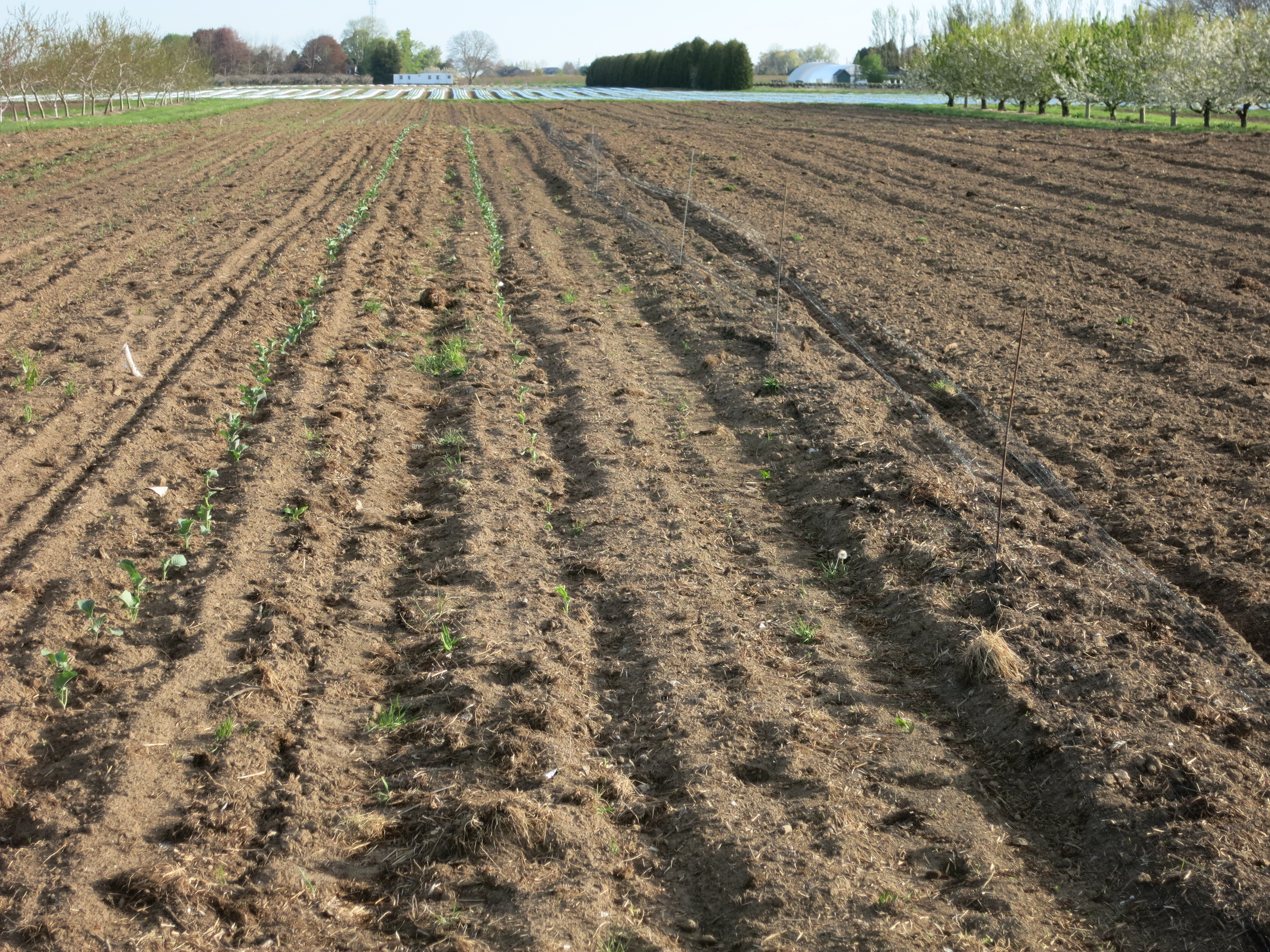
Already we are experiencing damage from the rabbits. The first planting of broccoli – meant for human consumption  – was feasted upon shortly after being transplanted to the field (sorry CSA members & farmers’ market customers!).

IMG_7152

We replanted & put a fence up around part of the field – the end at the railroad tracks where all the wildlife lives. A few nights later they hit the broccoli again. We better secured the fence but had no more seedlings to replant. Since then there has been no more damage. We’re keeping our fingers crossed!

Other than that, things are looking good on the farm. Everyday we are seeding or transplanting vegetables into the fields.

IMG_7123

IMG_7121

We continue to seed in the greenhouse as well and it seems to always be full, even though we’re bringing plants out to harden off & get used to being outside in the weather.

IMG_7165

IMG_7162

The temperatures overall are staying cool, so while the vegetables are growing well, they are also growing slowly. Our first plantings which have been in the ground for about a month remain quite small.

IMG_7133

However the colours are amazing and it is a pleasure to watch them grow & develop.

IMG_7129

Not just the rabbits causing damage!

IMG_7057


2 Comments

What’s Growing?

Most mornings I go for a walk around the farm. It is a good way to begin the day – exercise, fresh air, and a chance to look things over & see how the crops are growing.

This time of year, I can see growth almost every day. While sunshine has been lacking these last few days, we have had plenty of precipitation, and it is slowly (too slowly?) warming up. Many of the early spring crops prefer cooler temperatures anyway & are thriving.

I usually carry the camera along on my morning walks. Pictures are an easy way to record crop growth & conditions, for future reference & comparison. After all, a picture’s worth a thousand words!

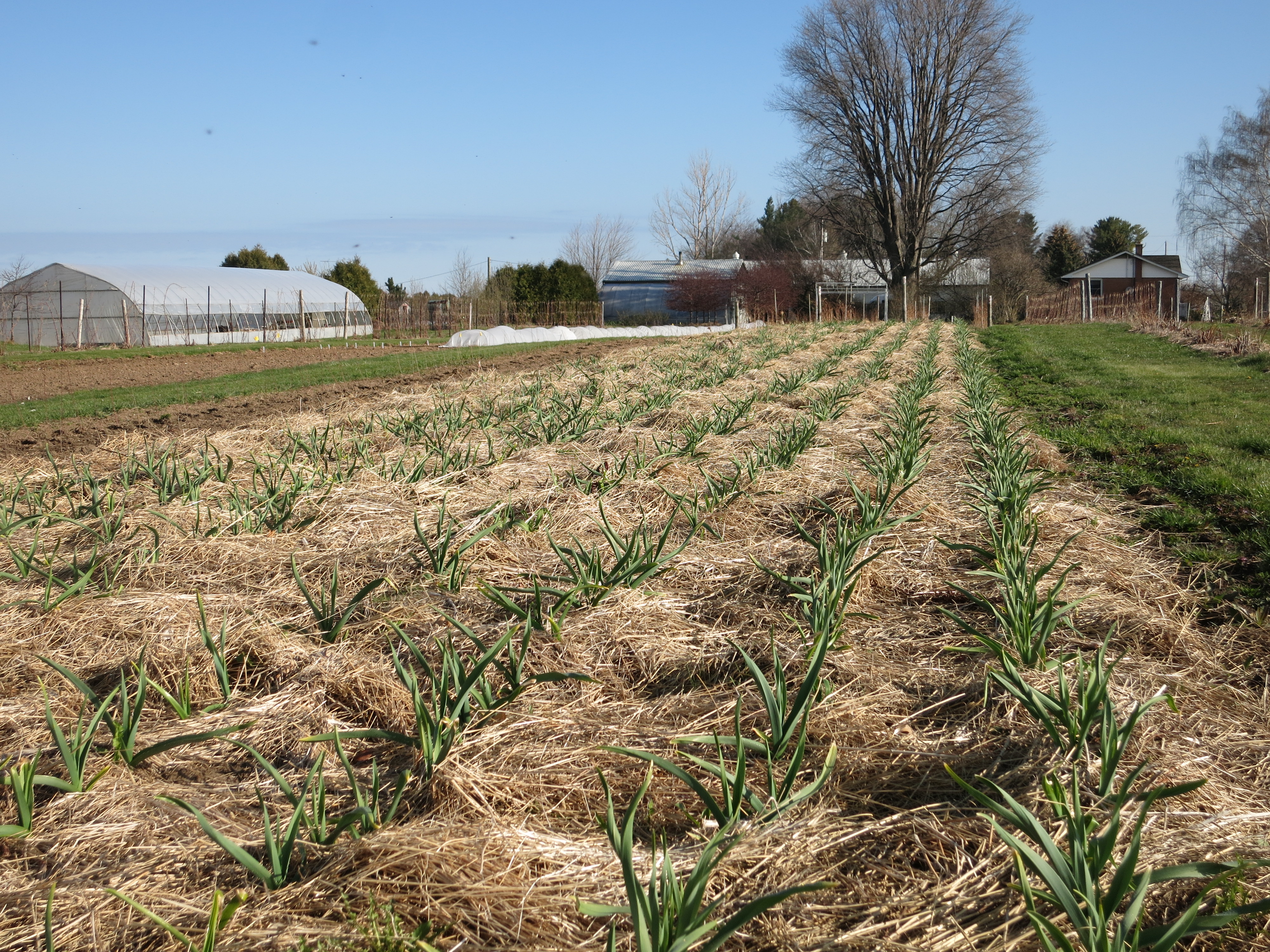
Here’s the garlic patch last week …

IMG_6870

… and today.

IMG_6966

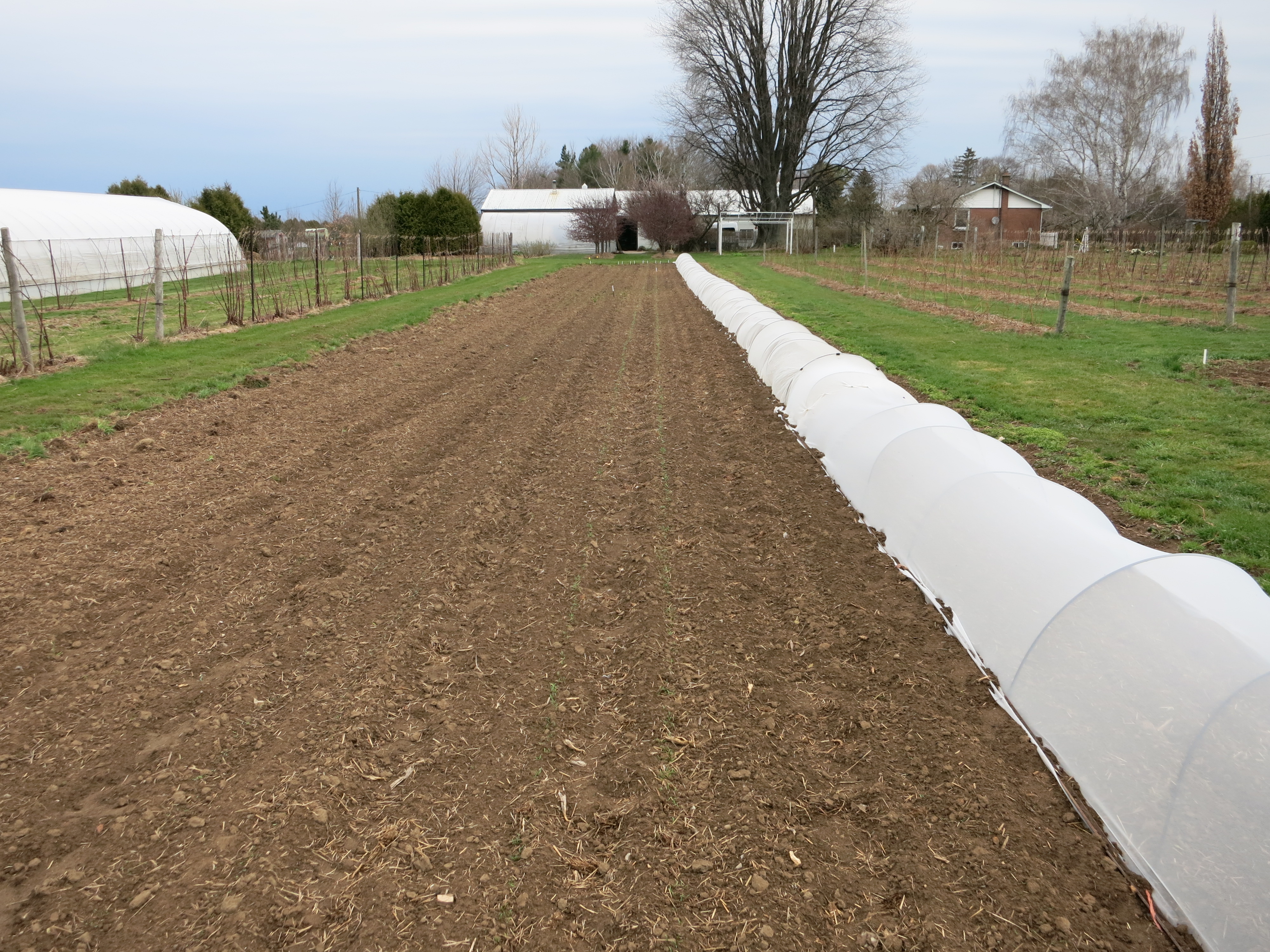
Last week the first vegetables were just becoming visible.

IMG_6913

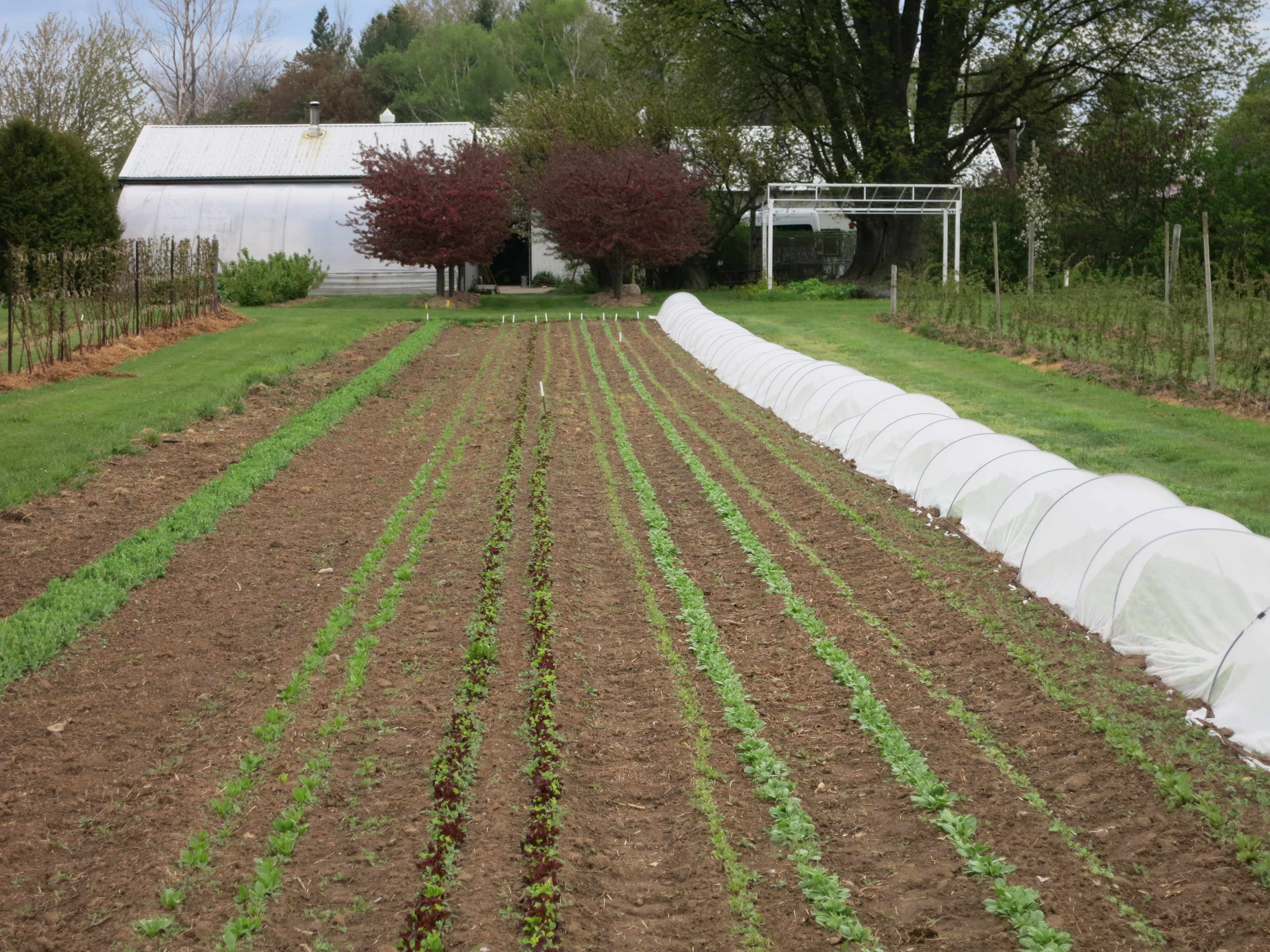
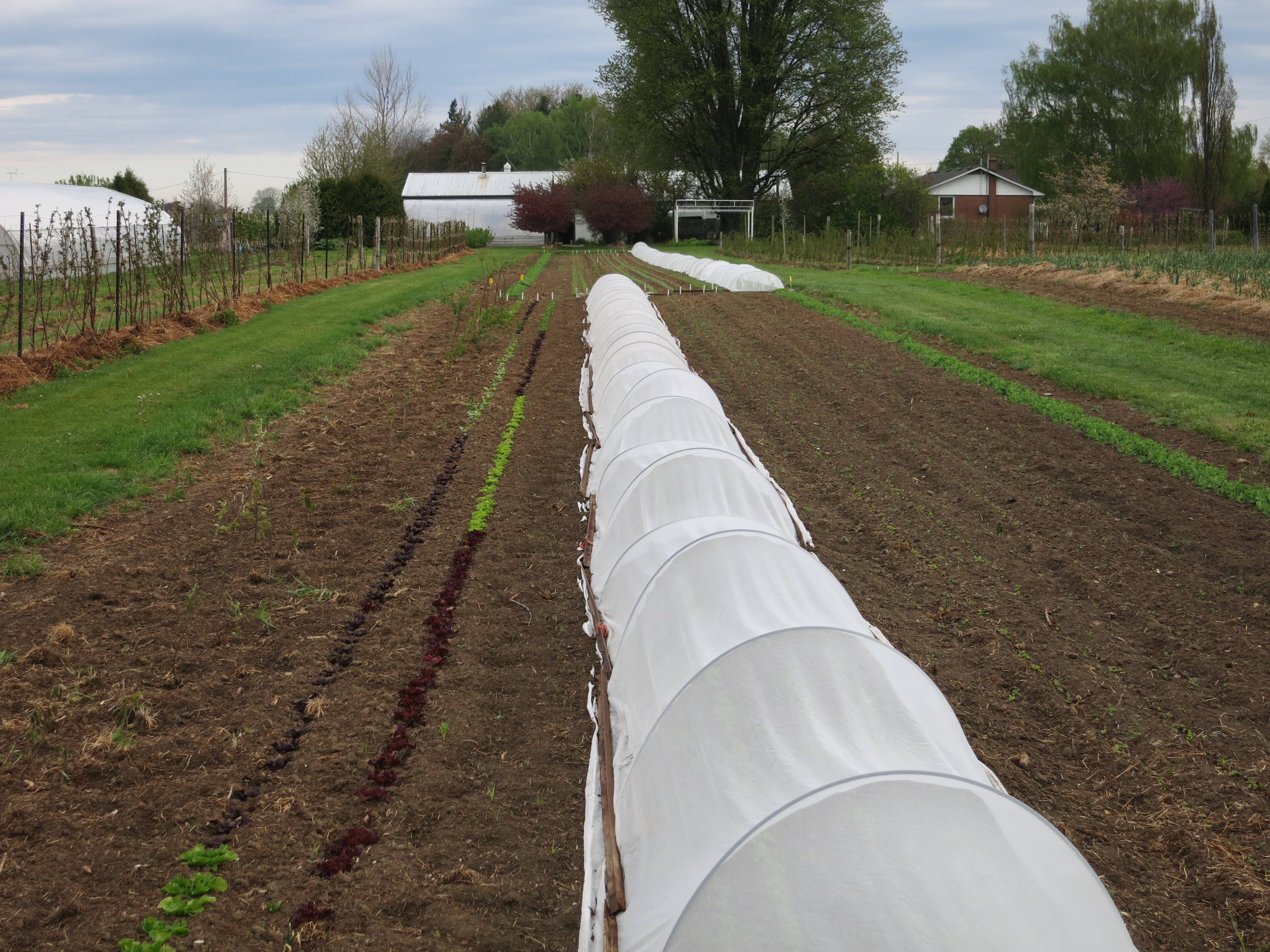
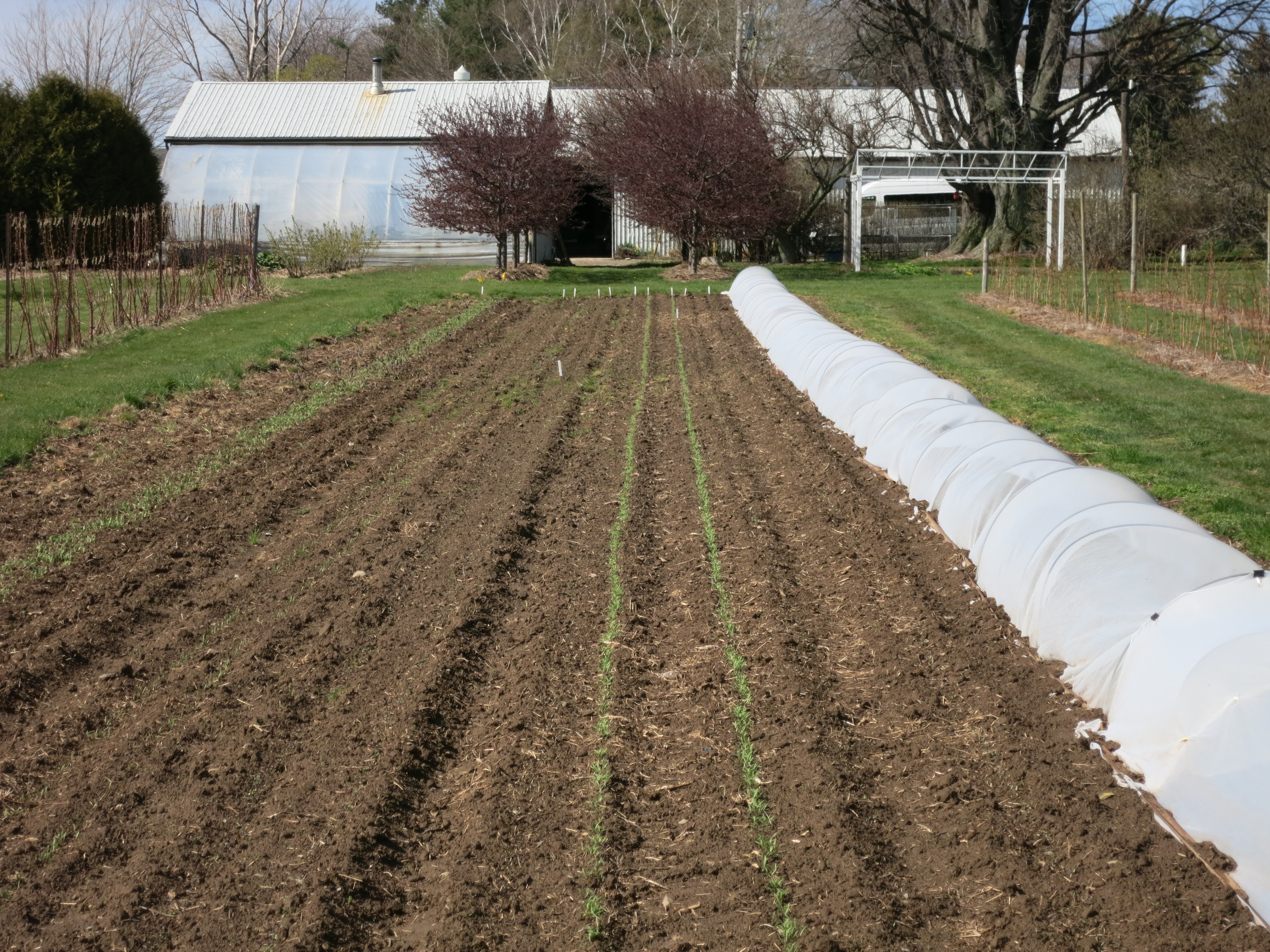
Today the rows can be clearly seen – snow peas on the left, spinach to the right. In between are beets, lettuce mix & of course weeds. Radishes & various greens are hidden under the white tunnels. These tunnels are made of a fine netting material that keeps bugs out – bugs that would love to chew on the tender leaves & turn these greens into unappetizing lace.

IMG_6992

What else is growing?

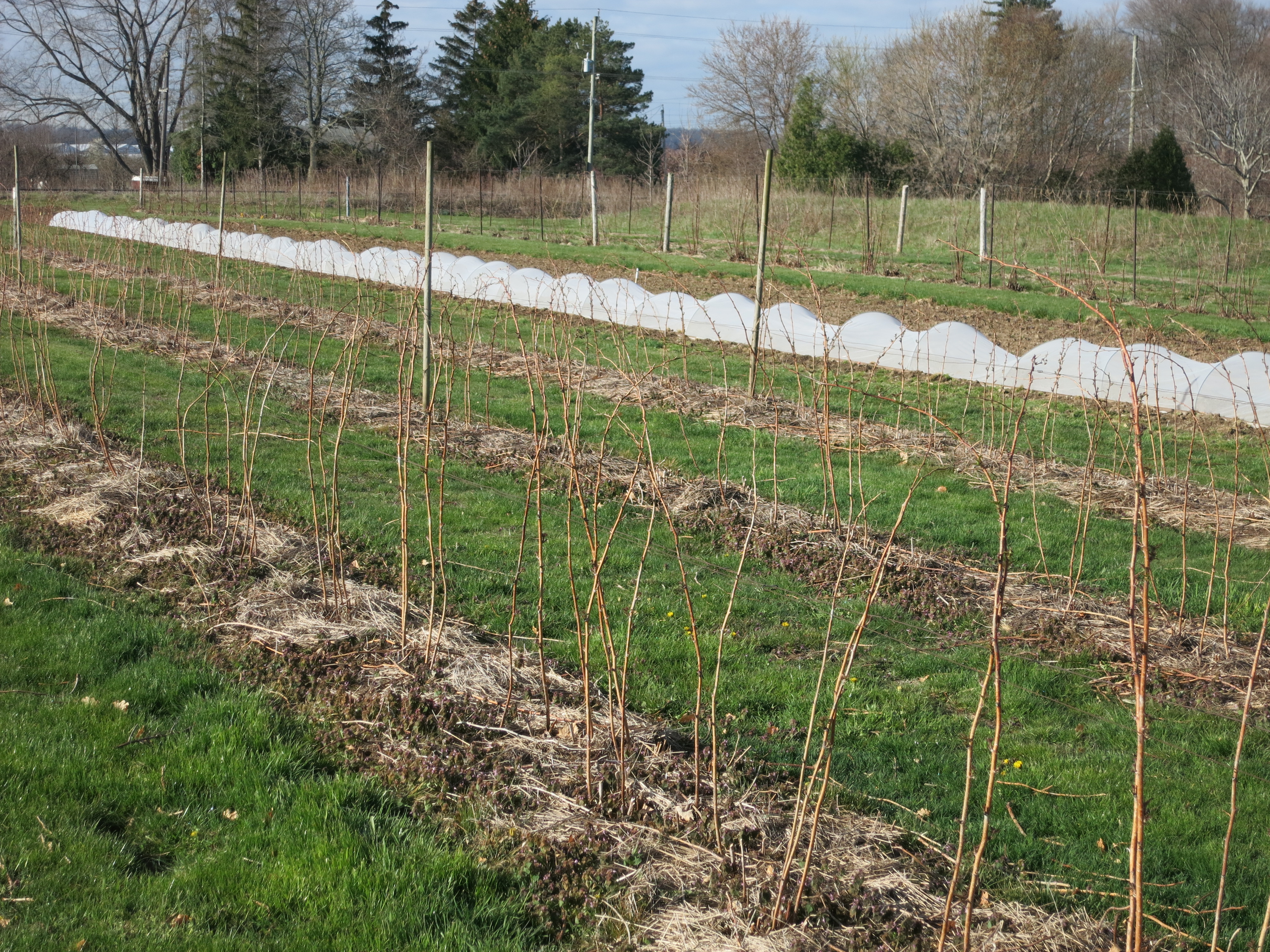
The raspberry canes are coming to life.

IMG_6971

IMG_6999

We are especially excited to see the leaves popping on the blackberry canes. There has been no blackberry crop for 2 years due to winter damage. This past winter was milder & the blackberries are looking great. We anticipate a good crop! The plants are all pruned, & tied, and mulched. The straw helps keep the weed pressure down & preserves moisture.

IMG_6969

The new growth is beautiful – fresh & green with vibrant red.

IMG_7003

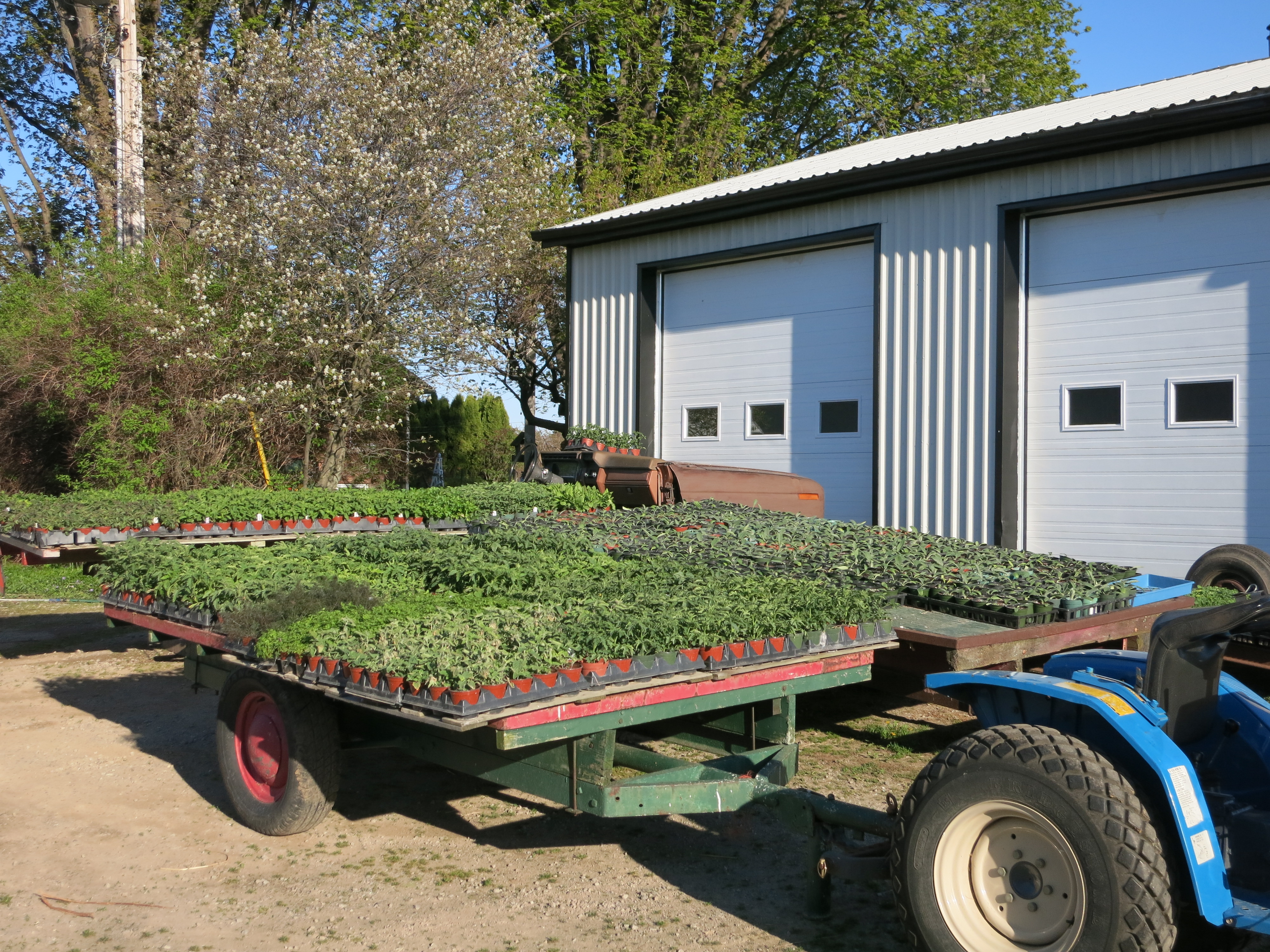
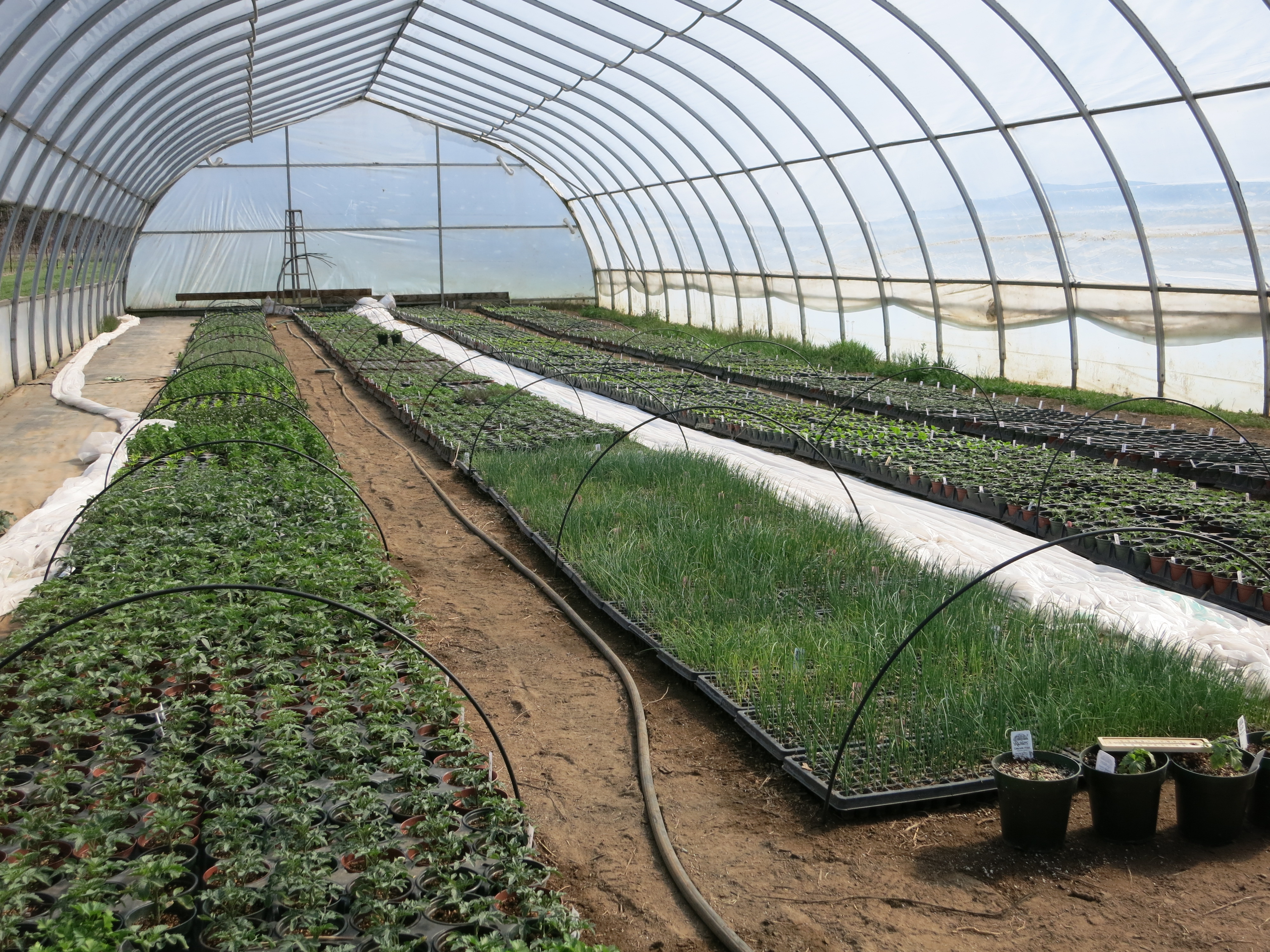
The big job on the farm these days is transplanting. Tomatoes, peppers, eggplant, herbs …  All those tiny seedlings that were crammed in the small greenhouse earlier have outgrown their trays & need to be put into individual pots. These will be planted in the fields in the next few weeks, and many will be sold at our farmers’ markets for customers to plant in their own gardens.

IMG_6972

Another day or two and our larger greenhouse will be full to overflowing.

IMG_7015

Watching the farm come to life in spring is an exciting time. And a busy time – at least for most of us …

IMG_6981


Leave a comment

Spring

Spring can be a season of surprises.

Mostly about the weather.

Last week we were out pruning raspberries, in our T-shirts.

This week we were out shovelling snow, in full winter attire (and still feeling cold!). There was too much snow to prune raspberries.

IMG_6790

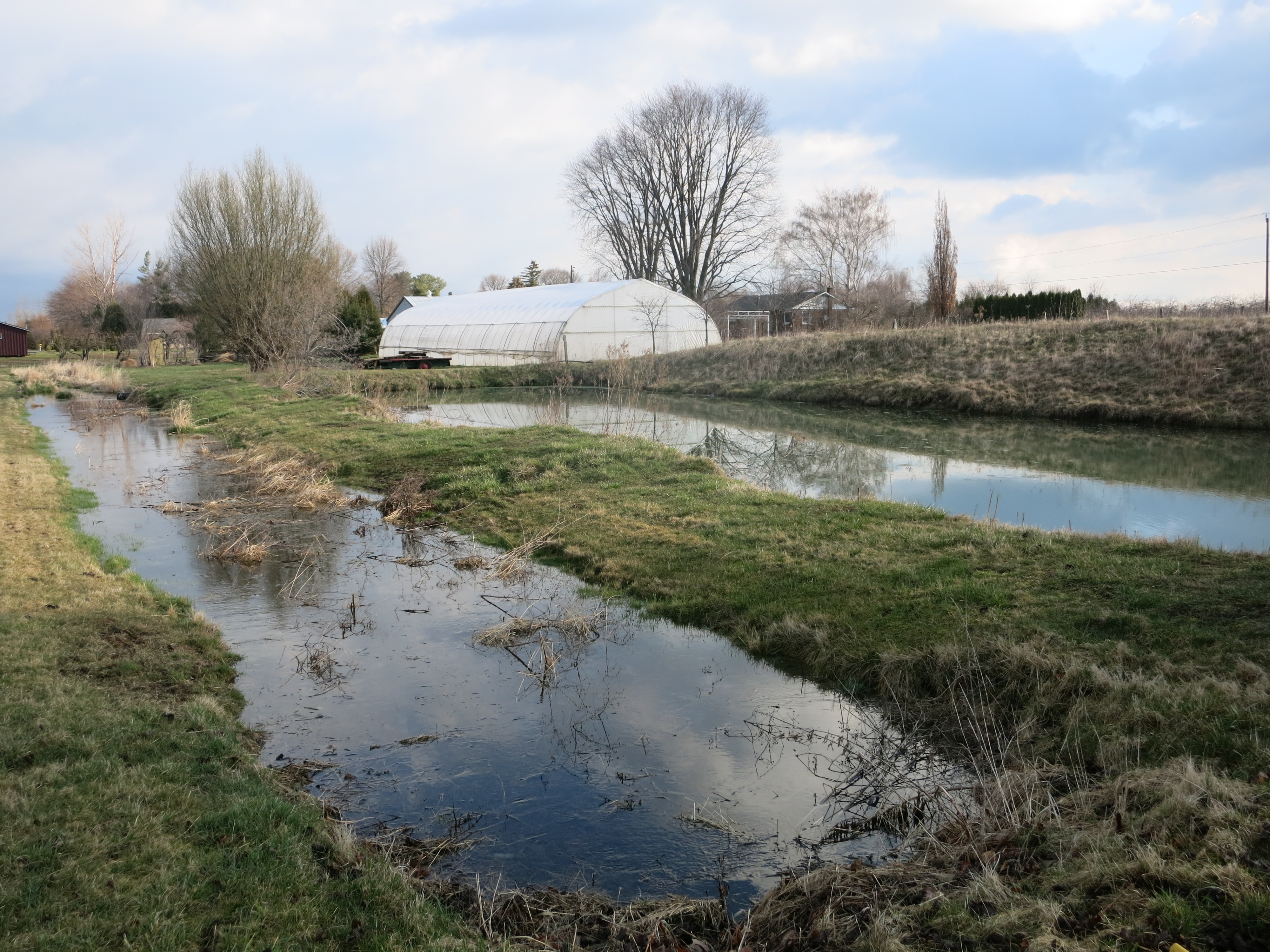
The heavy rains last week caused the water level in the pond & ditches to rise.

IMG_6781

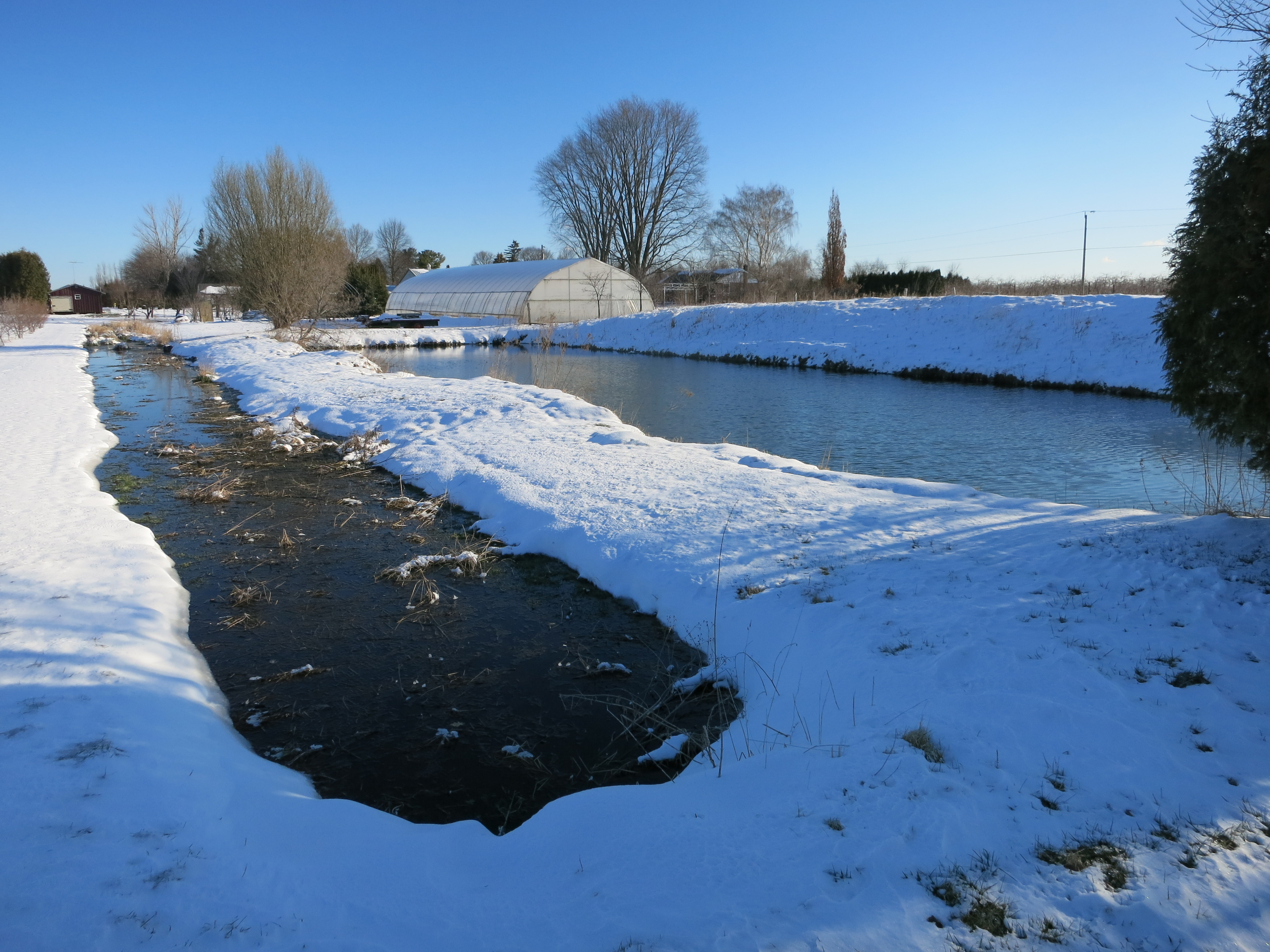
This week …

IMG_6799

While it’s not unusual to get snow in April, it is disappointing. The warmer spring weather that was slowly approaching was so welcome. The grass was turning green, the crocuses & daffodils were blooming …

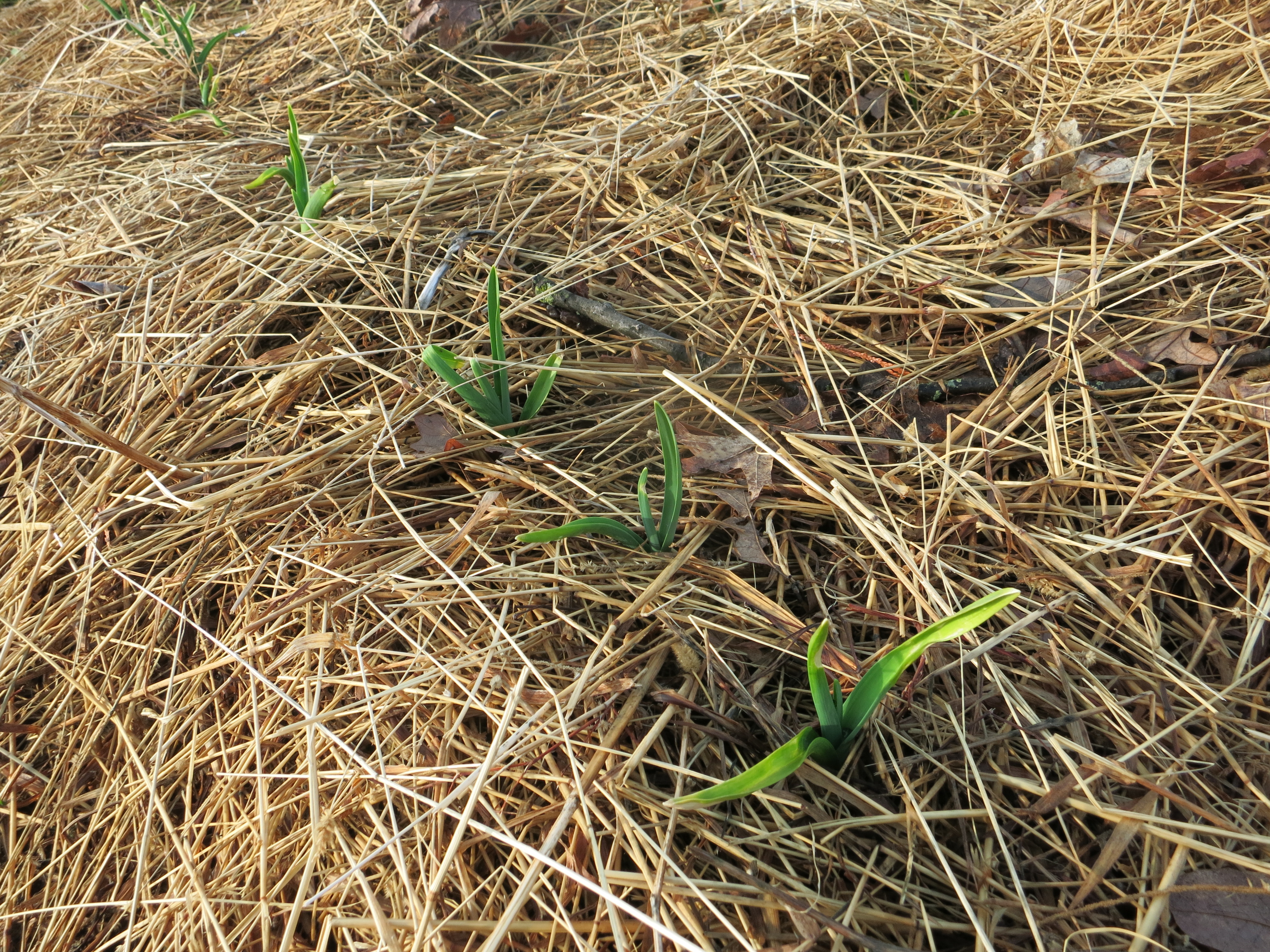
The garlic was starting to pop up through the straw mulch.

IMG_6779

IMG_6778

And the rhubarb too.

IMG_6700

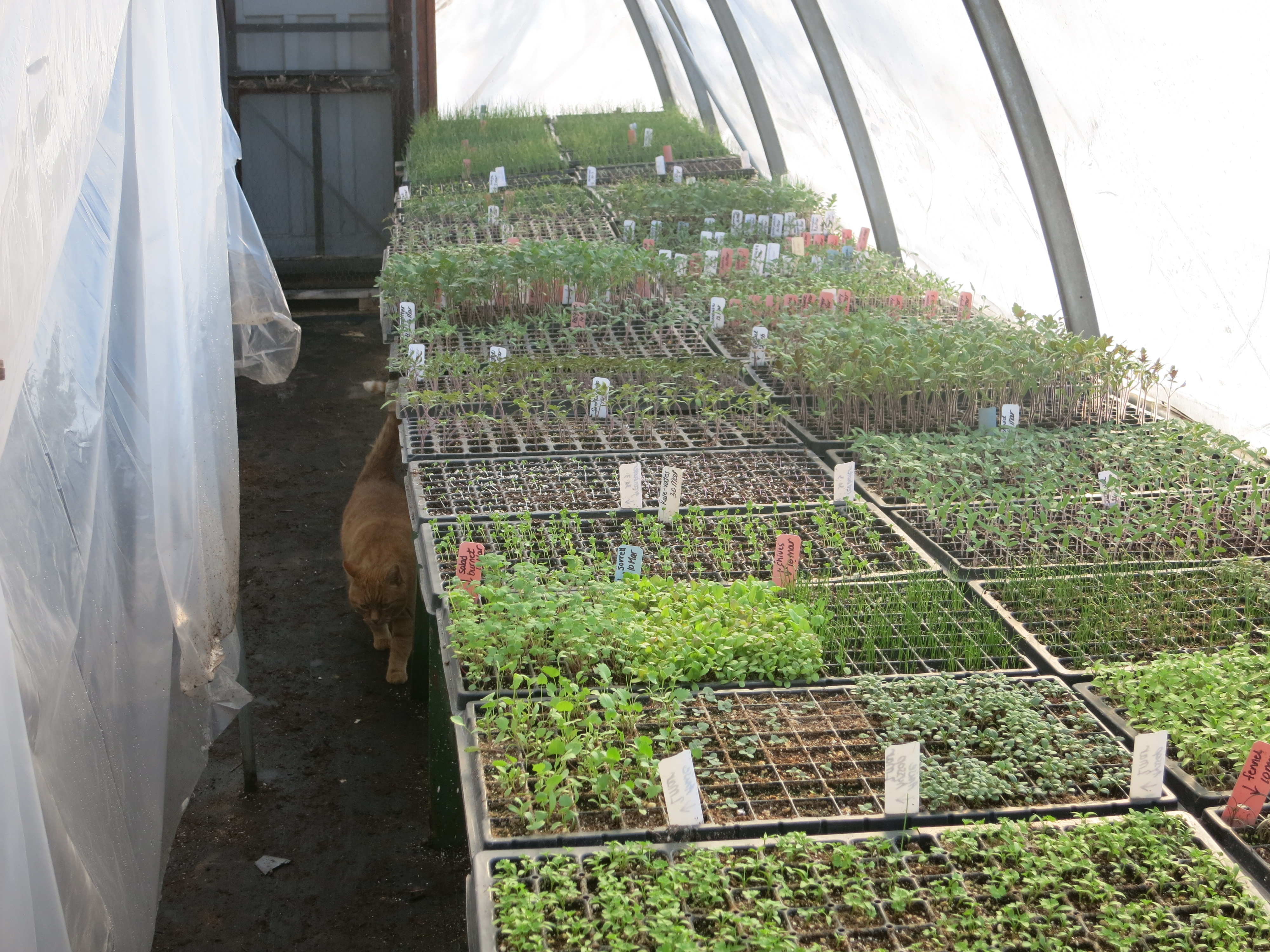
Our smaller greenhouse is totally full of young seedlings, eager for sunshine & warmth. Yesterday’s bright sunshine was wonderful for them, but today it is back to clouds & flurries & showers. Many of the plants are ready to be transplanted into bigger pots, but until the nights stay consistently warmer, we dare not move them into the big greenhouse.

IMG_6805

IMG_6808

Yet we keep seeding, even though we are out of space.

IMG_6801

We are anxious to begin seeding outside as well. Vegetables that can handle cold soil & air temperatures include peas, fava beans, radishes, spinach & beets. If our CSA program is to begin in late May, then it’s time to be planting these. But not until the snow has melted & the ground is drier …

Another surprise of spring – as unwelcome as the snow!

IMG_6770

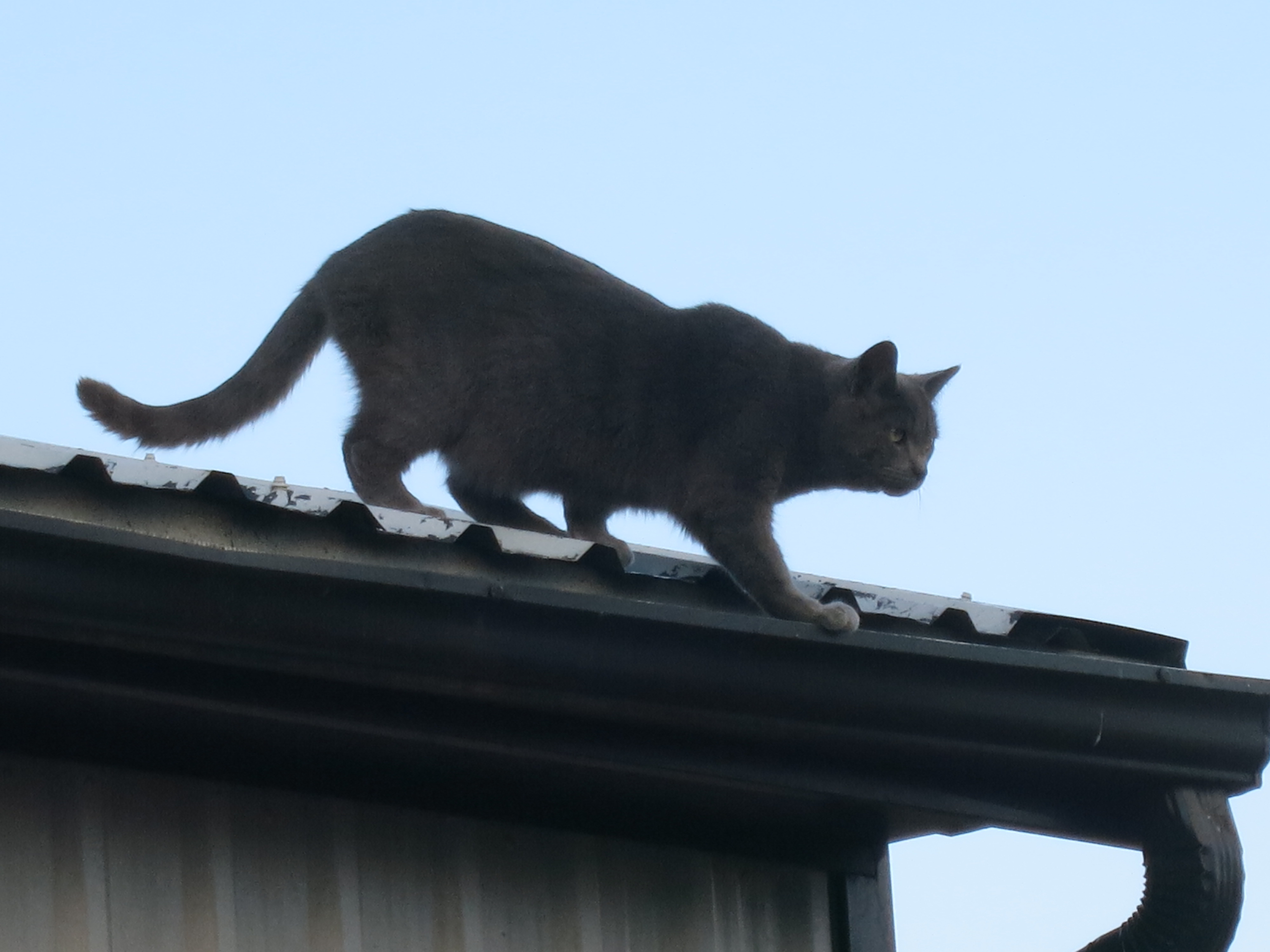
Do you see it up there on the roof?

IMG_6774

Both young cats have been on the roof of the shop once. How do they get up there? By climbing up the greenhouse plastic – it’s easy enough to do with claws. The results for the plastic are not pretty. I have strongly encouraged them to refrain from such practices! We’ll see how well they obey.

Here’s hoping for warmer weather & sunshine to brighten up our spring!


Growing seeds

4 Comments

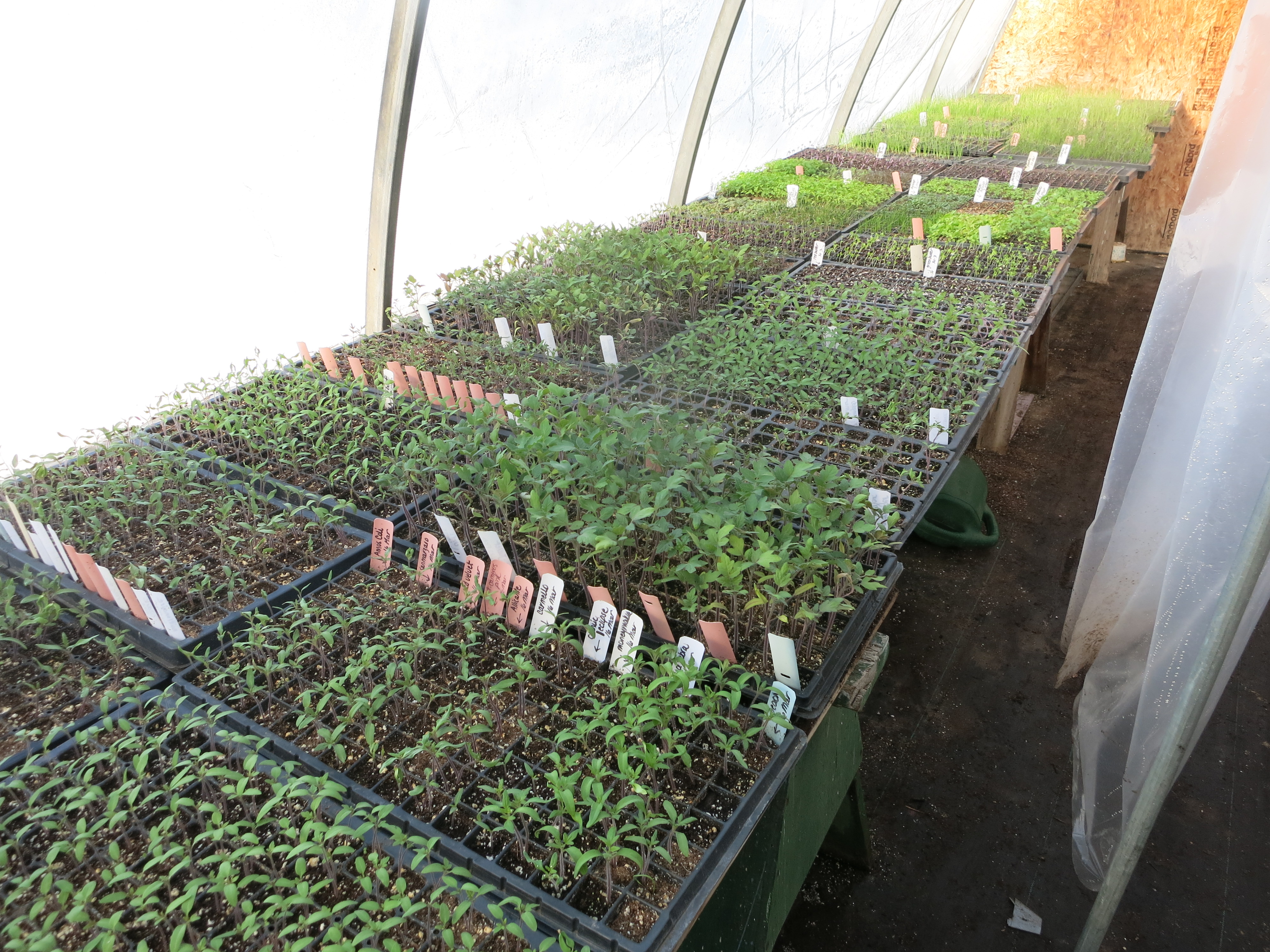
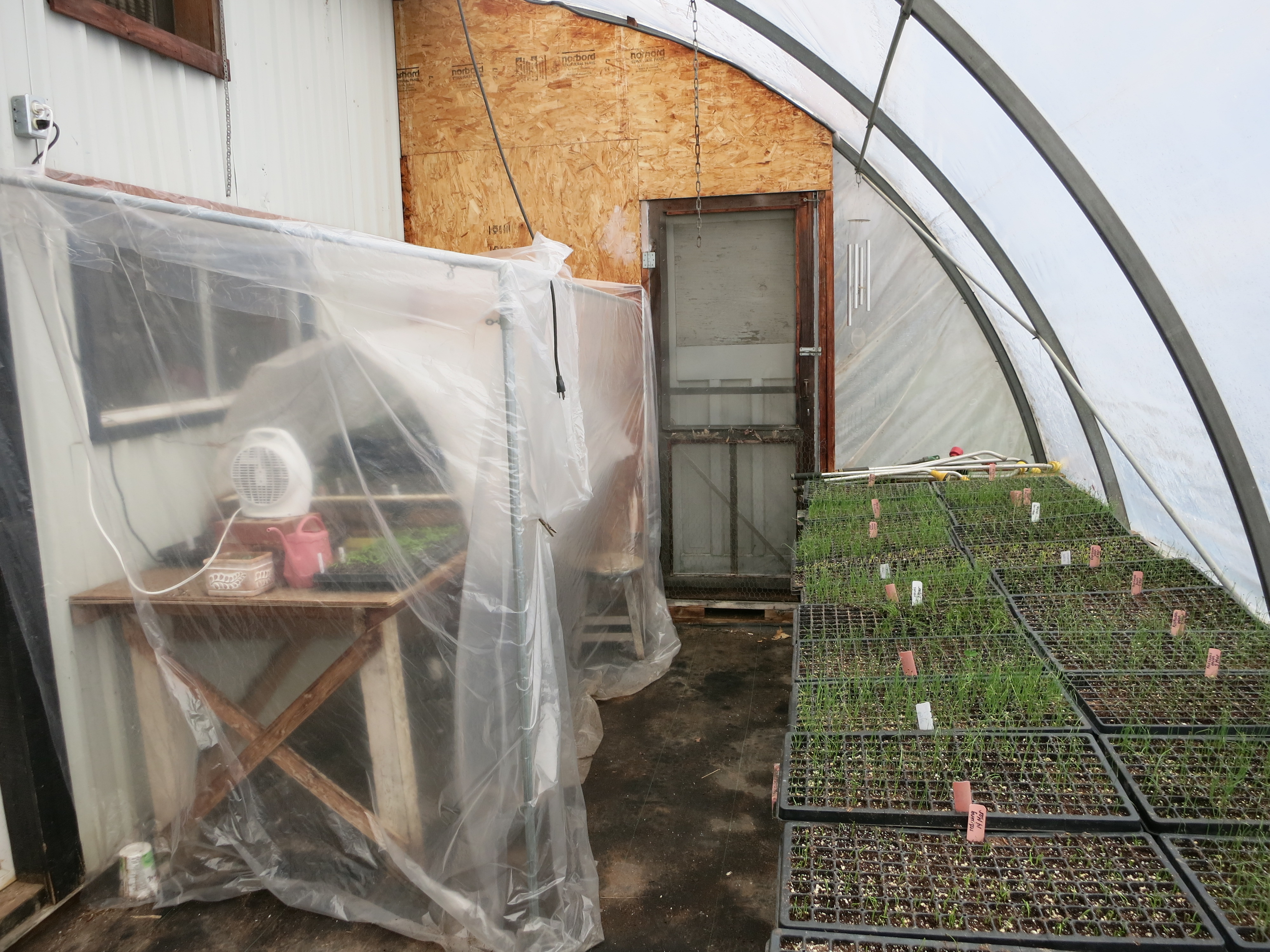
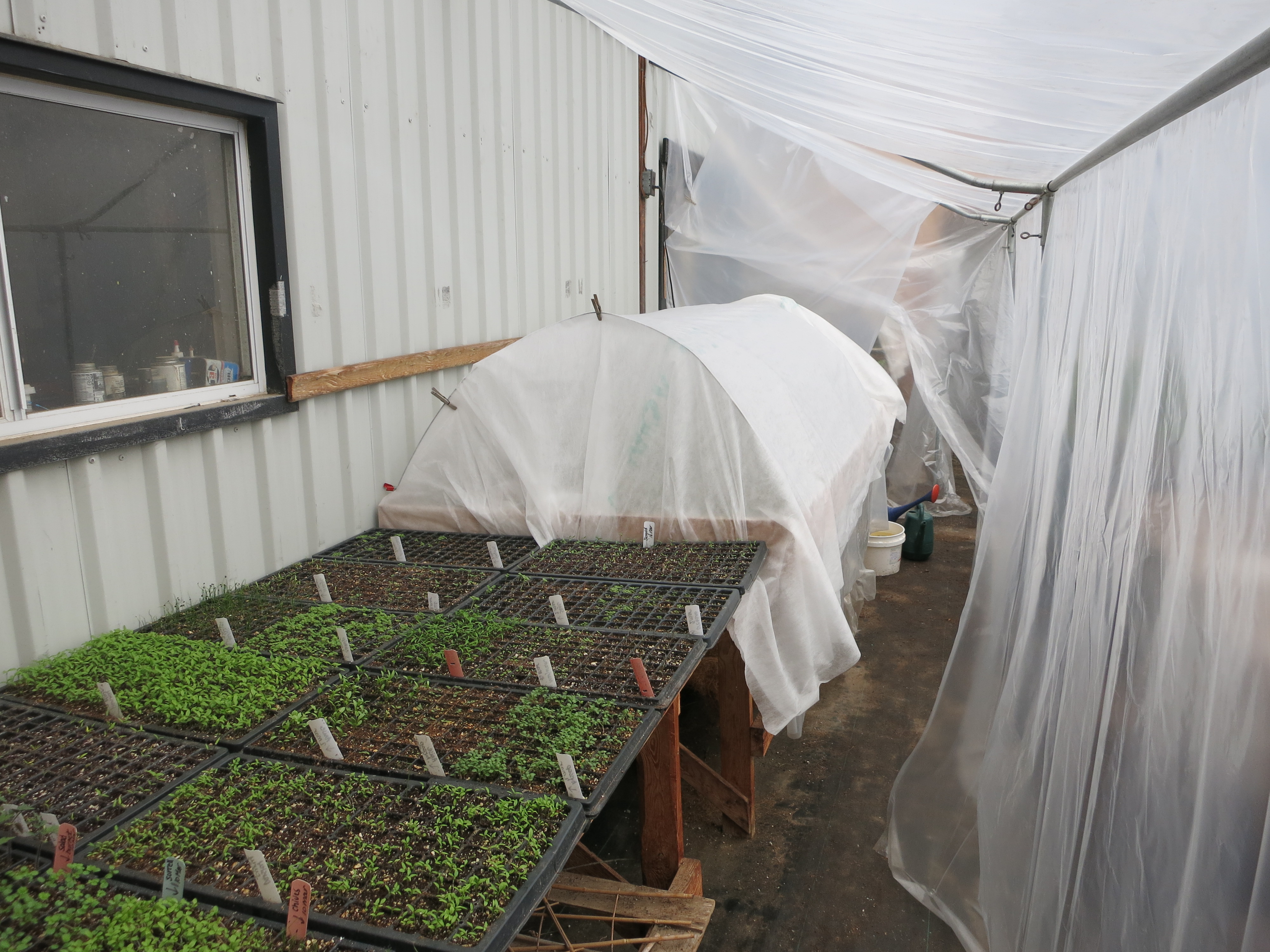
This is where most of the work is happening on our farm now – in our smaller greenhouse.

IMG_6755

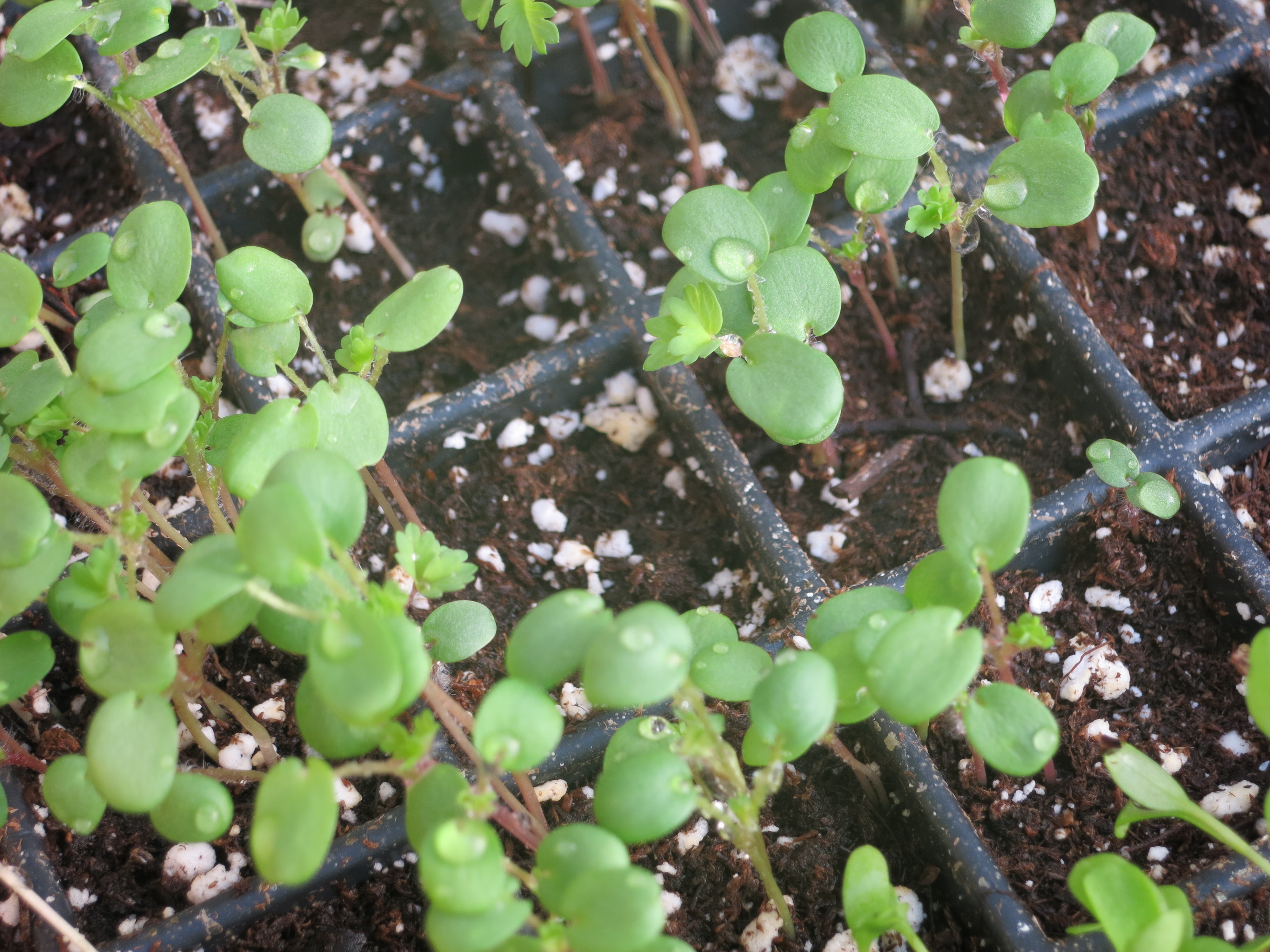
This is where we start our seeds, the ones that need to be started early indoors – tomatoes, sweet & hot peppers, eggplant, onions, most herbs, broccoli …

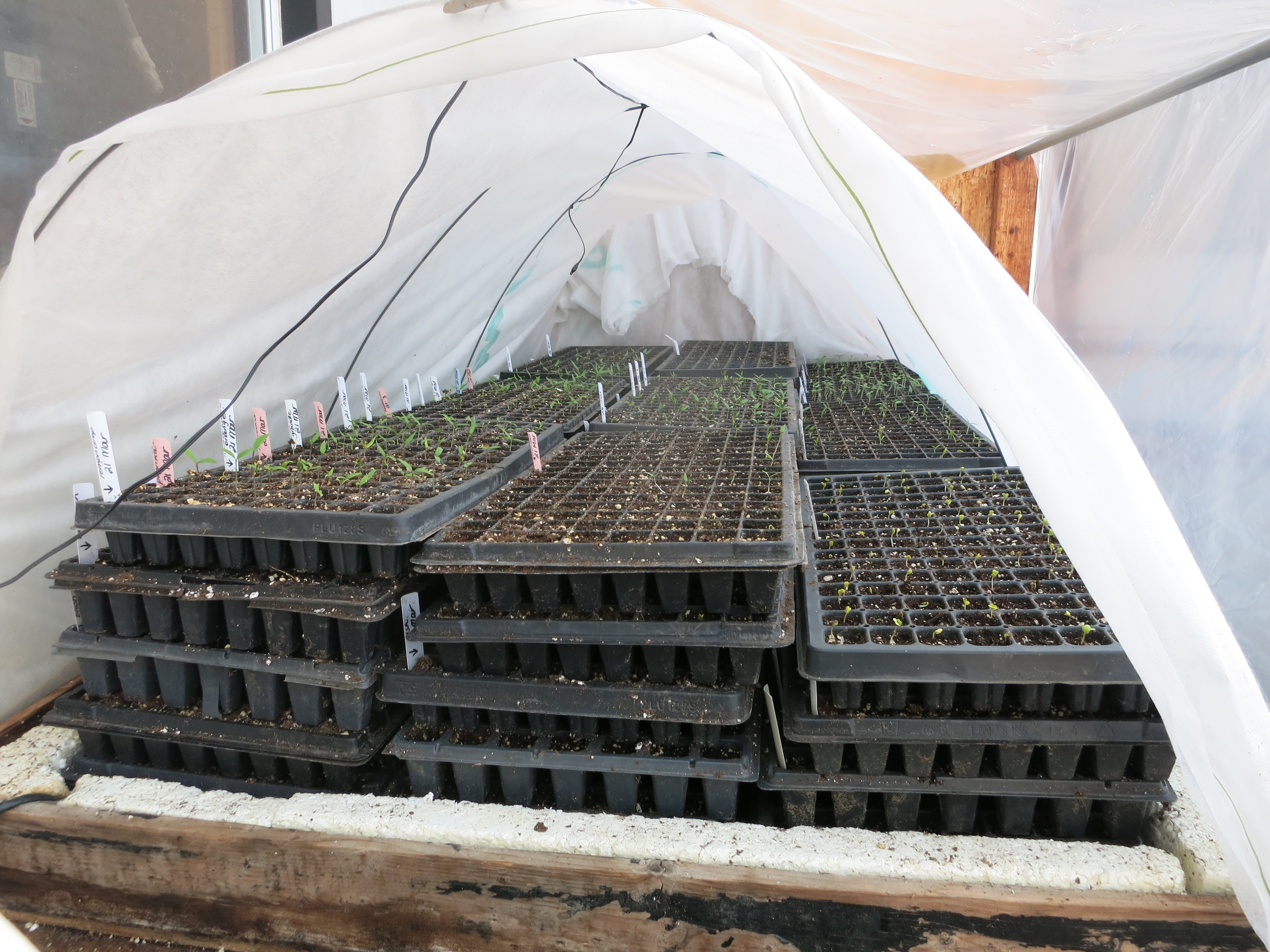
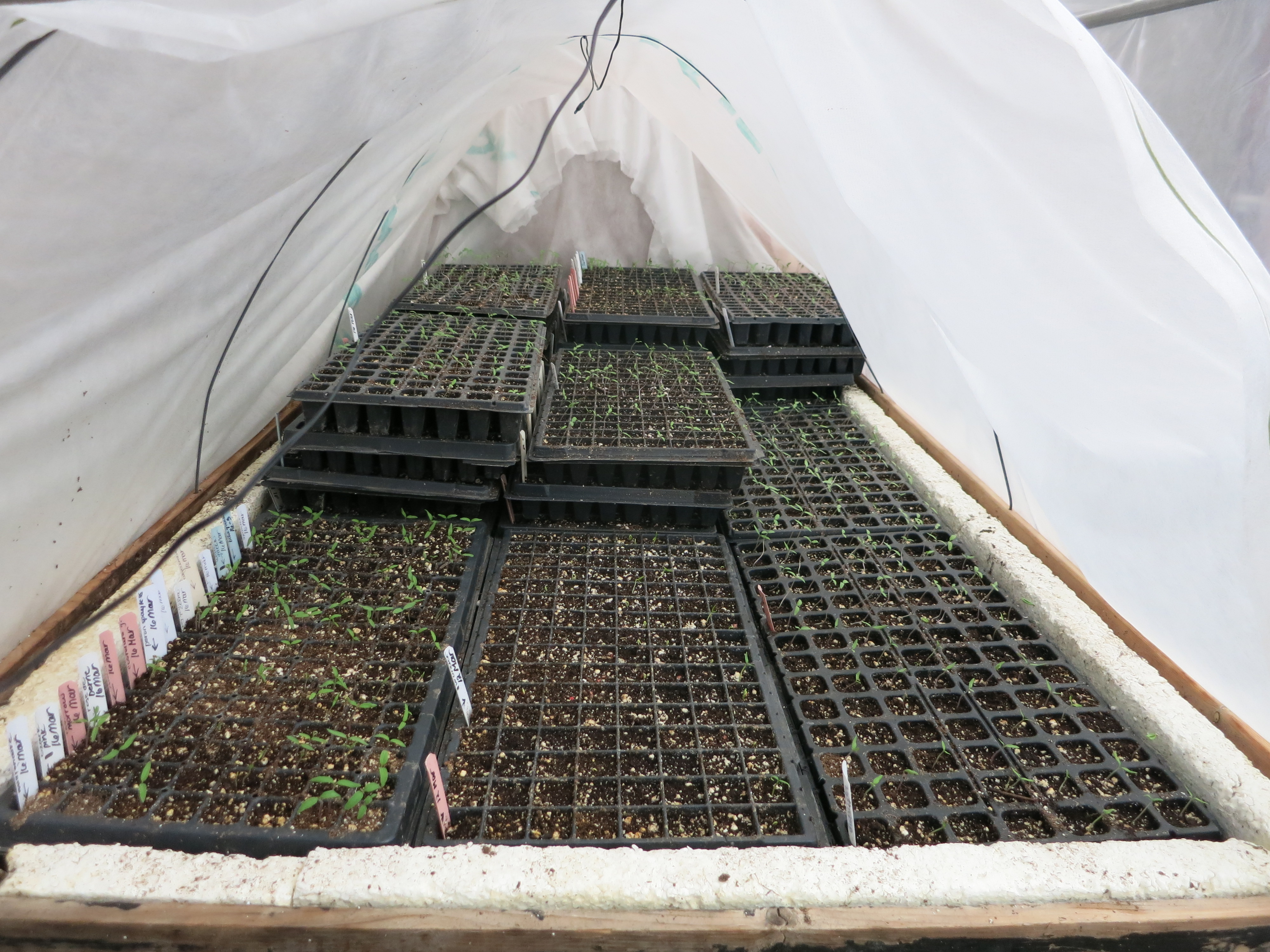
The seeds are planted in plastic trays and put on the germination bed.

IMG_6762

The germination bed has heating cables running through a layer of sand and surrounded by styrofoam. For seeds to sprout & grow, the temperature of the soil is important – more important than the air temperature. These heating cables warm the sand which warms the trays, and the seeds germinate usually in a few days. Light is not as important at this stage, so the trays are stacked up on each other until the seedlings start to poke through the soil.

Over the germination bed there are wire hoops holding up a layer of row cover which keeps the heat in. This in turn is covered with plastic. It really is a greenhouse within a greenhouse within a greenhouse …

IMG_6760

IMG_6759

Once the plants are growing, the air needs to be warmer. Sunny days provide enough heat but when the days are cloudy & colder, and during the night, a small space heater blow warmth onto the growing seedlings.

Once the seedlings are big enough the trays are moved to the next area, a similar set-up but without the heating cables – more greenhouses within the greenhouse …

IMG_6766

IMG_6765

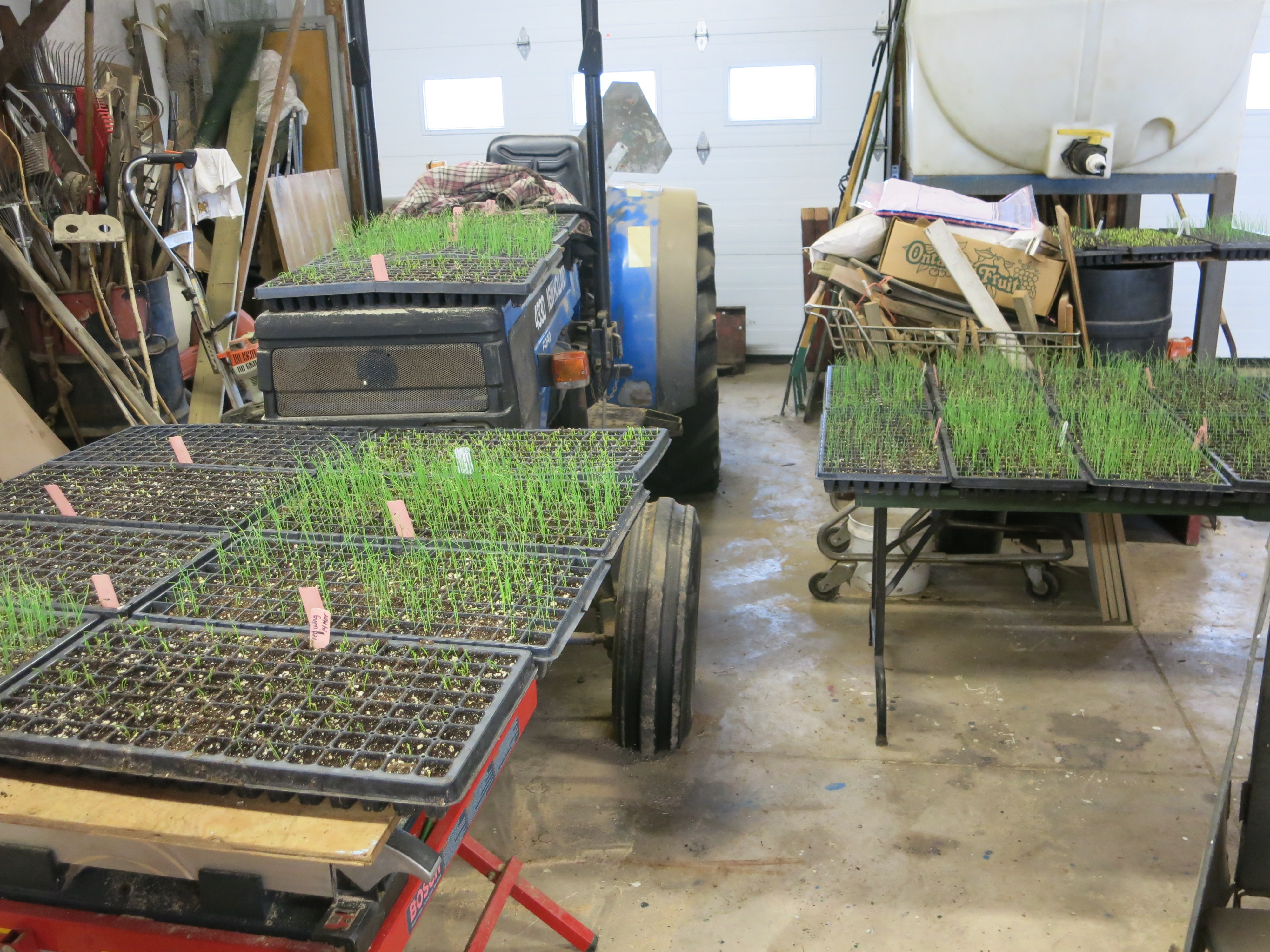
Each layer provides a few degrees of  additional protection from the cold. If the nights get really cold, we bring the trays into the barn just to be sure.

IMG_6768

It’s a simple, primitive, low-tech set-up, but it works for us. Because we rely mostly on the sun we have less control over the temperature, and the plants experience a wide variation. Perhaps they grow slower & take longer, but I think they end up sturdier & hardier.

IMG_6764

IMG_6715

IMG_6750

IMG_6752

IMG_6705

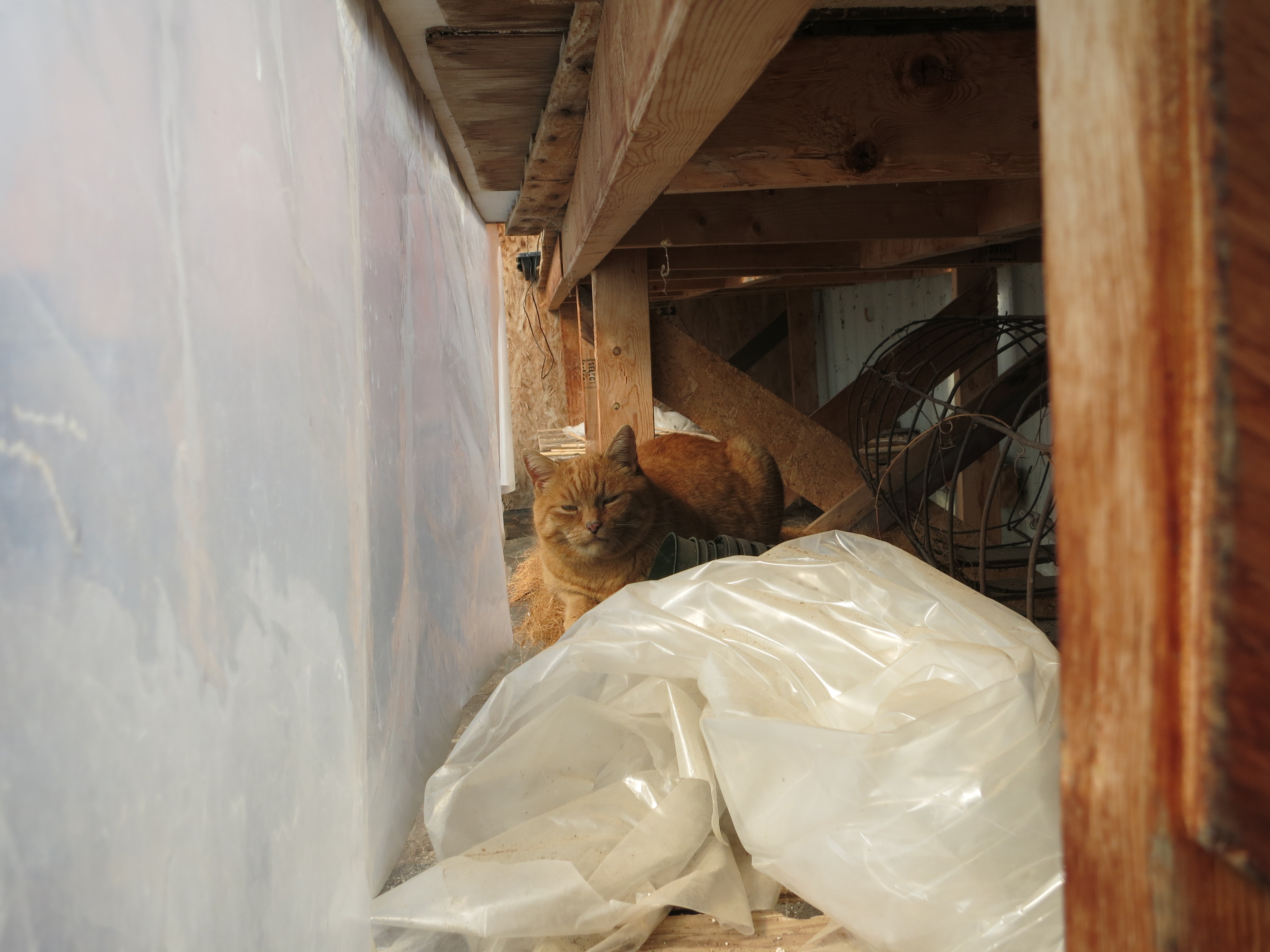
Now that the greenhouse is being used to grow plants, the big losers are the cats. All winter they enjoyed sunning & sleeping in the warmth.

IMG_6680

Now, the young ones are banished due to a lack of respect for the tender seedlings. Only Oliver is allowed in. He has claimed a spot under the bench where he spends his days … dreaming & being lazy.

IMG_6726